
Machine Gun PreacherAn Interview with Souleymane Sy Savane
By Fred Topel
September 19, 2011

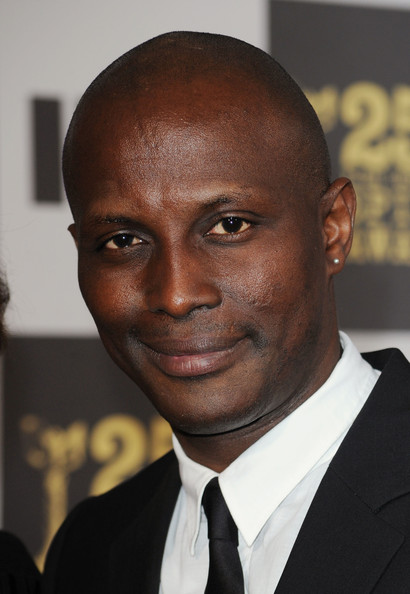
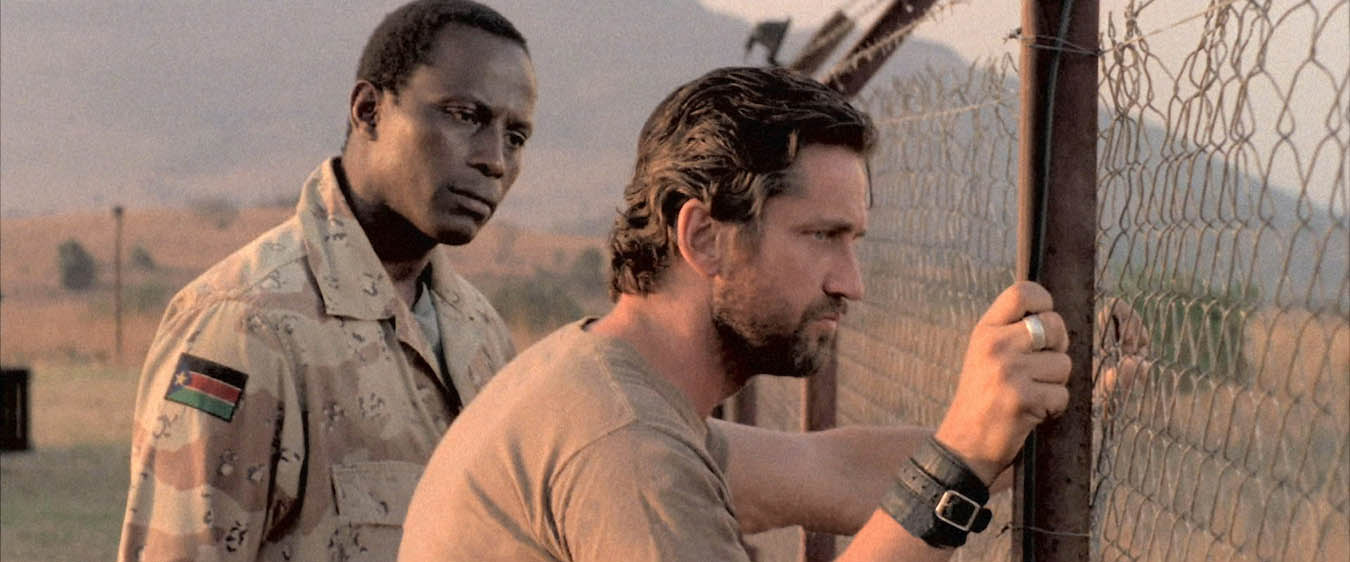
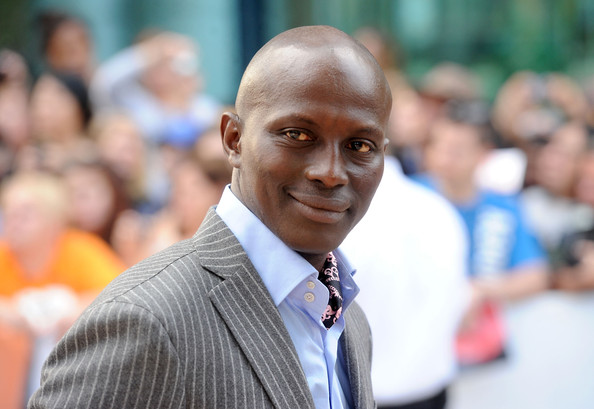
Machine Gun Preacher is the true story of Sam Childers, a reformed ex-convict who becomes a crusader for Sudanese children. The film played at the Toronto International Film Festival and the cast was in the city for a press conference. Souleymane Sy Savane plays Deng, one of the freedom fighters Childers joins to resist the Lord’s Resistance Army.
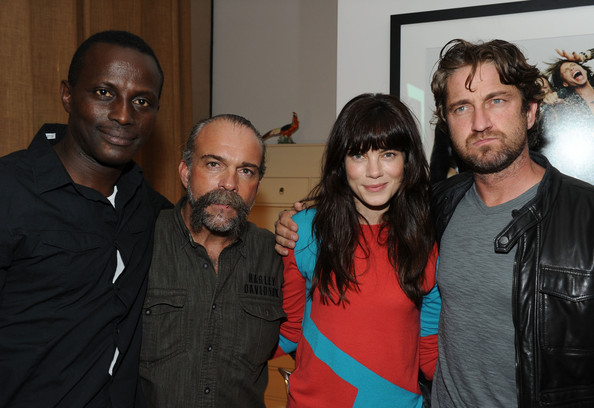
After the press conference including stars Gerard Butler, Michelle Monaghan and Madeline Carroll, I hung out in the hall with Savane to learn more about him. He’ll be one to watch for after this movie opens, if you haven’t already seen him on Damages or in Goodbye Solo.
What has this movie done for your profile as an actor?
Souleymane Sy Savane: Oh, this is my second movie. To be able to work with Gerard and Michelle and Michael Shannon, it’s just amazing. Definitely I would say it raises my profile as an actor and also has given me as an actor and as a person an opportunity to address issues that are really, really close to me, in terms of Africa and just really what’s going on in the world.
Do you look at the career of Djimon Hounsou, who started out in African-centered roles and also is able to work in Hollywood blockbusters?
SSS: I love Djimon and his career for me would be a blessing. But really, I’m a big fan of Sidney Poitier because I feel like we went through the same thing. We had to address we’re first time immigrants, we have to address the language barrier, the accent barrier. In his time, he had to address more barriers than I have to address today. His work and the type of work he was able to do, the type of roles, really speaks to me. No disrespect to Djimon but I would think of Sidney Poitier. Even as a person, the things that he changed and the things he believed in. Unbelievable.
Have you ever had a chance to meet Sidney Poitier?
SSS: No, but I can’t wait. I would love, love, love to meet this man.
Why don’t you reach out to him now that you have a profile?
SSS: Actually, I was doing a play two years in New York, a new group called Groundswell and this gentleman came and he told me he was a friend of Sidney Poitier, sent me pictures and stuff. So I actually sent him a letter a couple weeks ago asking if we could do something about me meeting Sidney Poitier. I haven’t gotten a response yet but that was just my first attempt. I will make many more.
Wouldn’t that be a great thing to come from this movie?
SSS: It would be. Again, like I said, this movie, it’s like you’re running. You’ve probably heard that you run, but you can’t run away from yourself. This is big to me. It made me realize that I was just running. Africa isn’t going anywhere and we have to address it. We have to. It’s a big mess unfortunately. It is a big mess but it’s here. The world is getting smaller. We have to address it and I feel even more responsibility because I was fortunate enough to grow up in an Africa that was peaceful. I grew up in the Ivory Coast when Felix Houphouet-Boigny was president. He wasn’t perfect but we have stuff like ice skating in this country. I grew up ice skating, those kind of things. We had a lot of prosperity only based on cocoa, like chocolate and coffee. Anyway, so there’s a whole generation, if not more generations of African kids, all they know is war. They don’t know peace, they don’t even think it exists so I feel even more responsibility to tell them, “There’s peace. Peace is possible.” I’m thinking really they’re the platform to really address the peace because it’s really about what’s happening in Africa, 25 years later the same things happening. That’s means we need to address it at a different level as well.
Every few years there’s a movie addressing this issue, but only a few.
SSS: I really wish we didn’t even have these kinds of movies, because we didn’t need it. At the same time, I’m grateful for these movies because there seems to be a dark curtain on the continent. The curtain needs to be lifted for people to see what’s going on so that the dictatorship which is the biggest problem we have, all these dictators supported by whatever x or y, they’re just killing people. Those are the people, they take all the money, all the resources for themselves. I’m sure, I’m convinced that as they’re exposed to the rest of the world, they’ll have to go because I’m sure that even you, when you see what’s going on and we tell you, “Oh, this is what this guy does,” one way or another, if you can do something you will. I believe that nobody would support that. It’s because people don’t know that it gets going.
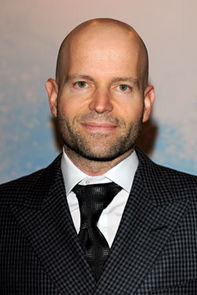
What was it like working with Marc Forster?
SSS: Oh, he’s a wonderful director, just wonderful. He’s an actor’s director I would say. He really knows how to bring the best out of you as an actor. He’s a wonderful, extraordinary human being. As a director to even take on a subject like that, it’s a very risky subject for a director. For him to still take it shows a lot of courage and integrity.
Is it heavy on the set in between takes?
SSS: No. You wouldn’t even hear Marc. He’s so soft spoken, so polite. It’s like wow, he’s a director, really? It’s just like pleasure. The subject of the movie was kind of heavy but Gerard is a very gregarious guy. He’s funny. You don’t expect a movie star necessarily to be that funny. It’s like okay, yo, I need to concentrate here, man. He’s so funny.
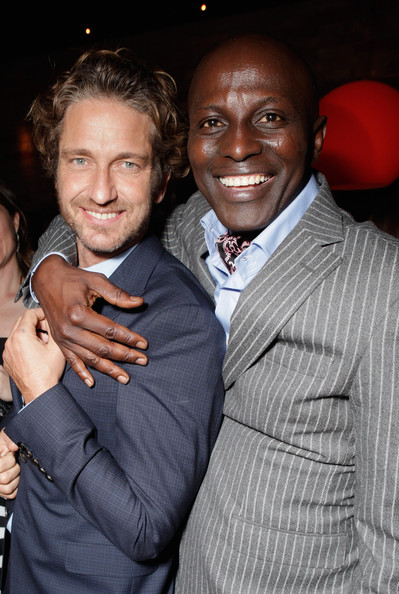
What would he do?
SSS: He would just make jokes or he would drop something and go, “It’s not me, it’s Souleymane.” Marc was like, “Souleymane, come on.” I’m like, “No, Marc, it’s him!” He always had a story or joke to tell. Joke after joke after joke, he’s just so funny.
Did you meet the real Sam Childers?
SSS: Yeah, I actually met him in South Africa during shooting. I was quite surprised because form the script, bang, bang, bang and you have some idea. But man, here comes the guy with his swagger. He really had his swagger. He had a comb in his hair, combing his hair as he’s walking. I go, “Wow, is that the same guy who’s supposed to walk in and shoot people?” It was. He’s very charismatic. He was a lovely, lovely guy.
Sam dealt with going overboard selling everything to try to save more children. Where is your line between helping the cause and taking care of yourself?
SSS: Wow, I guess to me, if I have to form this question, there’s a concept that I like. It’s from New York because I spent seven years in New York. It’s like “die while doing it.” It’s very New York street. Die while doing it and I think really it’s the best way to go. I don’t think it’s about the limit of me at all but I’m going to do it. Then if I have to go, I will go but I will be doing it. I think that would be my limit. I know it’s easier said than done but people actually do it. Some people actually do it. They go while doing it. I think to me that’s almost like an ideal, that I would die while doing it, but dying shouldn’t stop me from doing it. Or fear in general shouldn’t stop me from doing it.
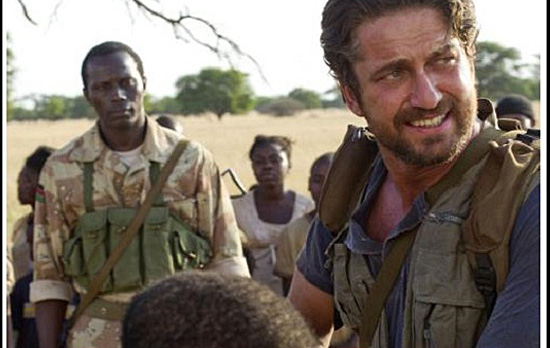
Is South Africa, where they shot Machine Gun Preacher, very different from where you grew up?
SSS: Yeah, it’s pretty different. South Africa is way bigger in the first place. It’s very developed, one of the most developed countries in Africa. The language obviously, the features, the geography, it’s quite different and the history also obviously. They had Apartheid for so long and that really shaped the nation. Even though today they found a way, that can even be an example for Africa and the world, how to come together despite all that went on between people. If South Africa can come together the way they did, then anything is possible.
What is your training as an actor?
SSS: I trained in New York and for the past three years I’m training in L.A. at the Film Actors’ Studio. I’ve been based in L.A. for a couple years now.
What other roles do you have coming up?
SSS: I just finished shooting a movie in New York called Keep the Light On with director Ira Sachs who won Sundance a couple years ago. I’m attached to a few projects, but this is Hollywood.
Is your life great now?
SSS: I mean, it’s a great life in that it gives you a platform. It can give you a platform. What you’re going to do with this platform now I think is what really makes your life great or not. In my case, it’s really about what’s going on in my home town and I feel blessed that whatever platform this gives me hopefully would help me to bring to light the things I need to address.