
Set Visit Interview: Talking With Ralph Breaks the Internet’s Producer Clark Spencer & Directors Phil Johnston and Rich MoorePosted by Annabel Iwegbue
September 20, 2018

Set to hit theaters this November is “Ralph Breaks the Internet,” the highly anticipated sequel to Disney’s smash hit animated feature “Wreck it Ralph.” With a returning star studded cast that includes Sarah Silverman, John C. Reily and Jack McBrayer, the sequel is welcoming Taraji P. Henson, Gal Gadot, and Kristen Bell.
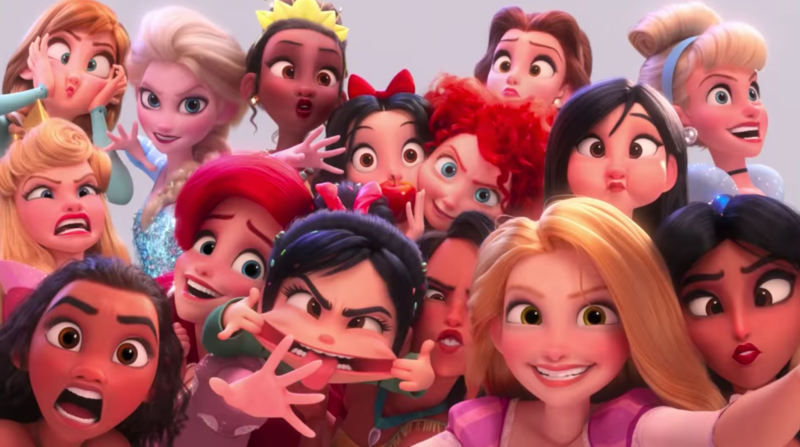
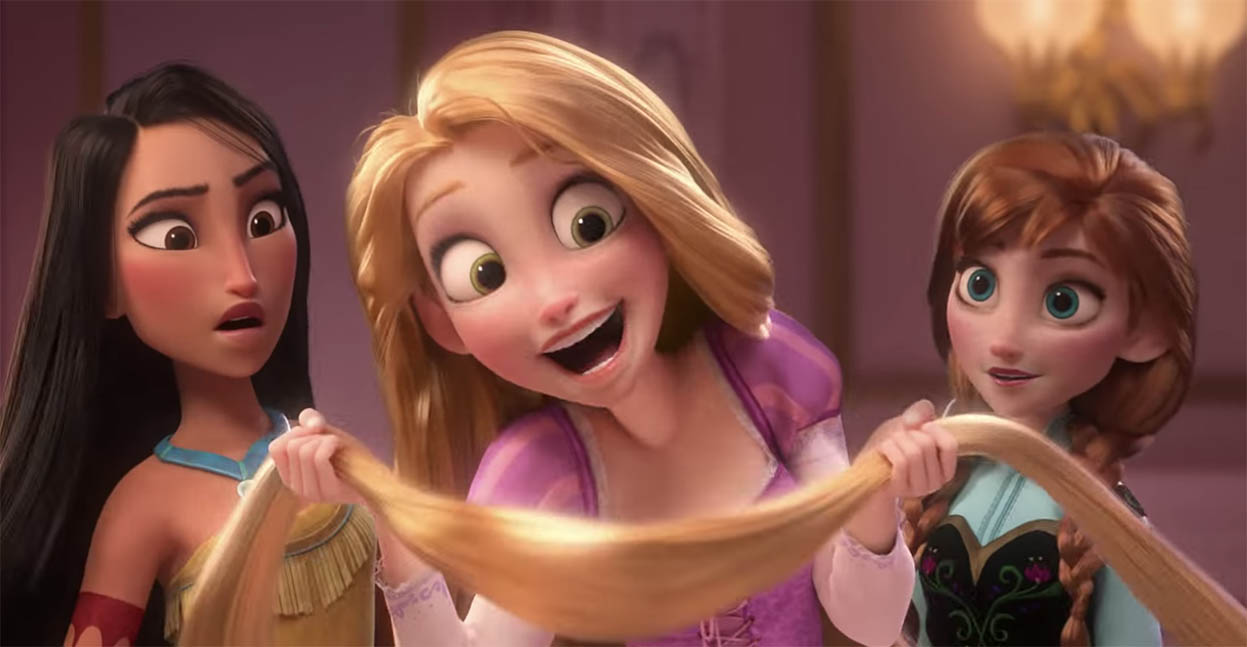
“Ralph Breaks the Internet” will follow the lovable video game star Wreck-it-Ralph and his sidekick Vanellope Von Schweetz on a wild adventure through the World Wide Web to find a missing arcade piece. The film also features an eagerly anticipated reunion of all of Disney’s classic princesses, with most of the original voice actors returning as well, in a scene sure to excite audiences.
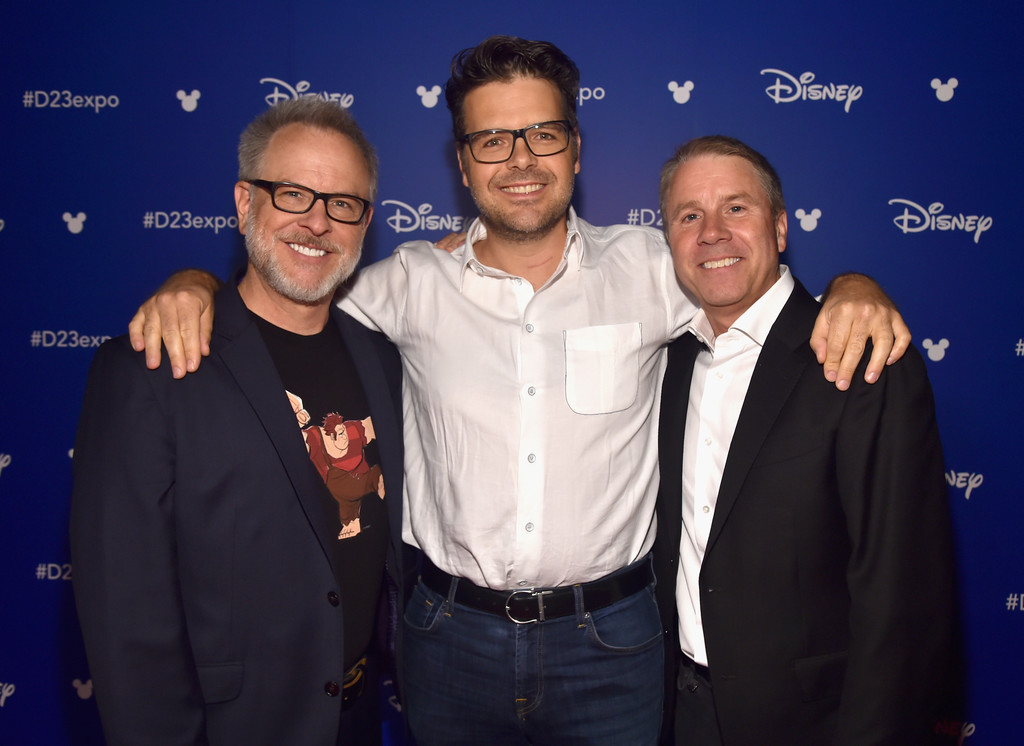
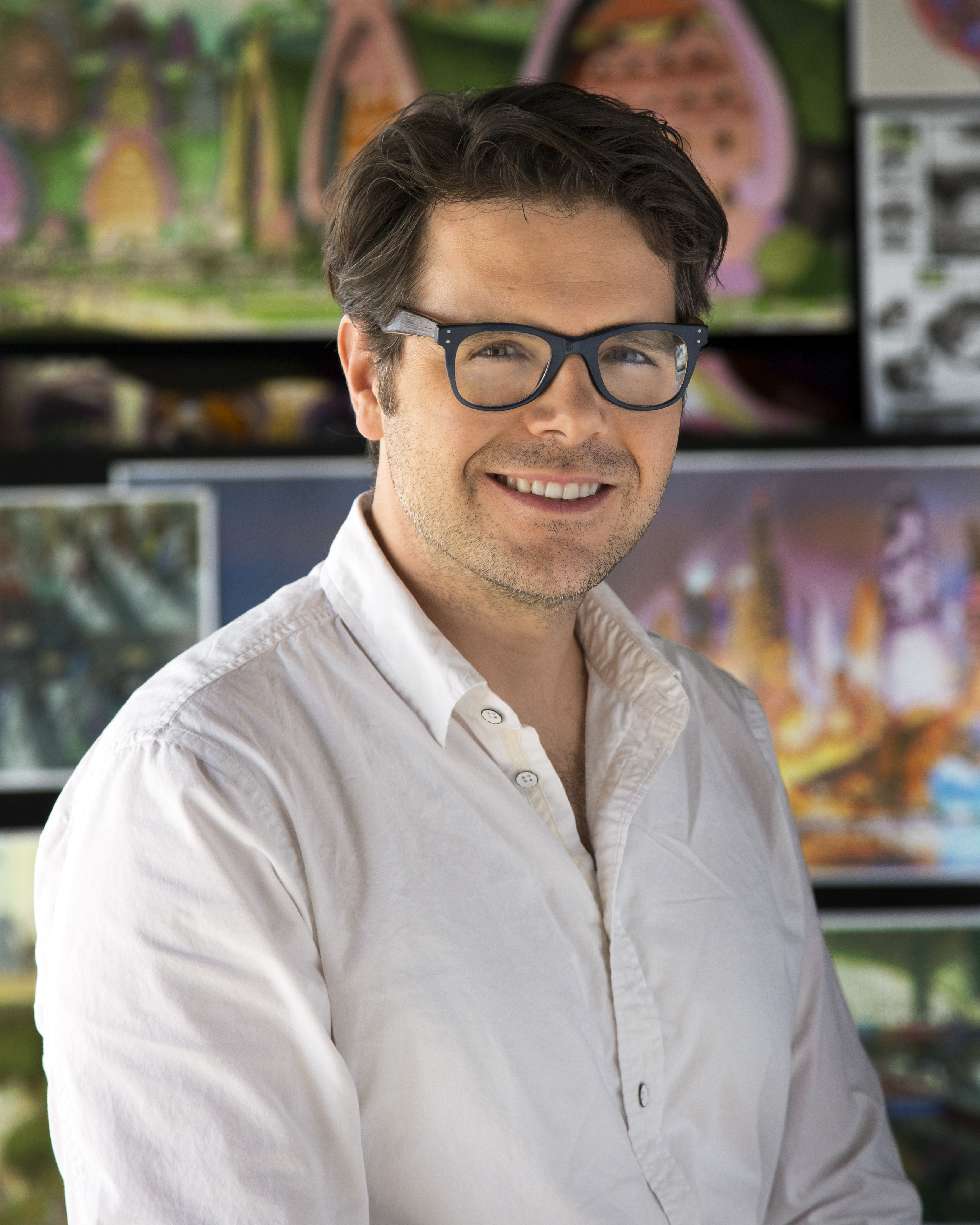
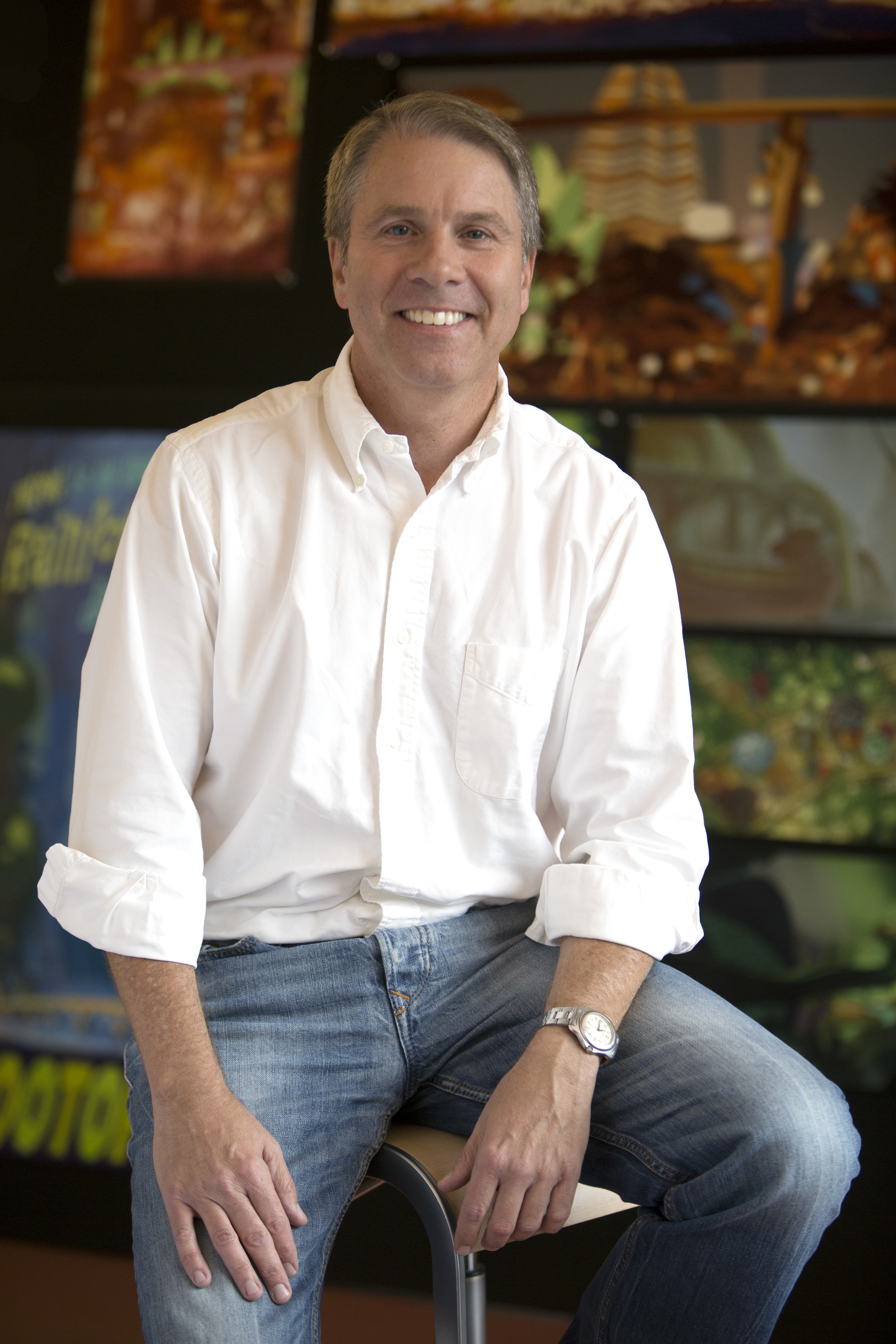
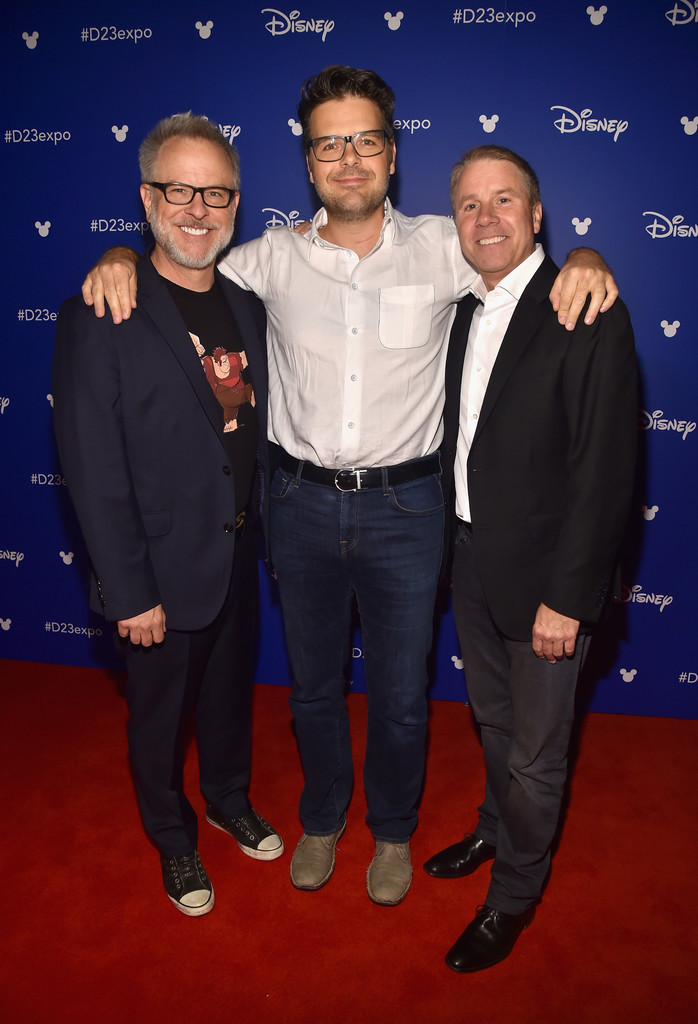
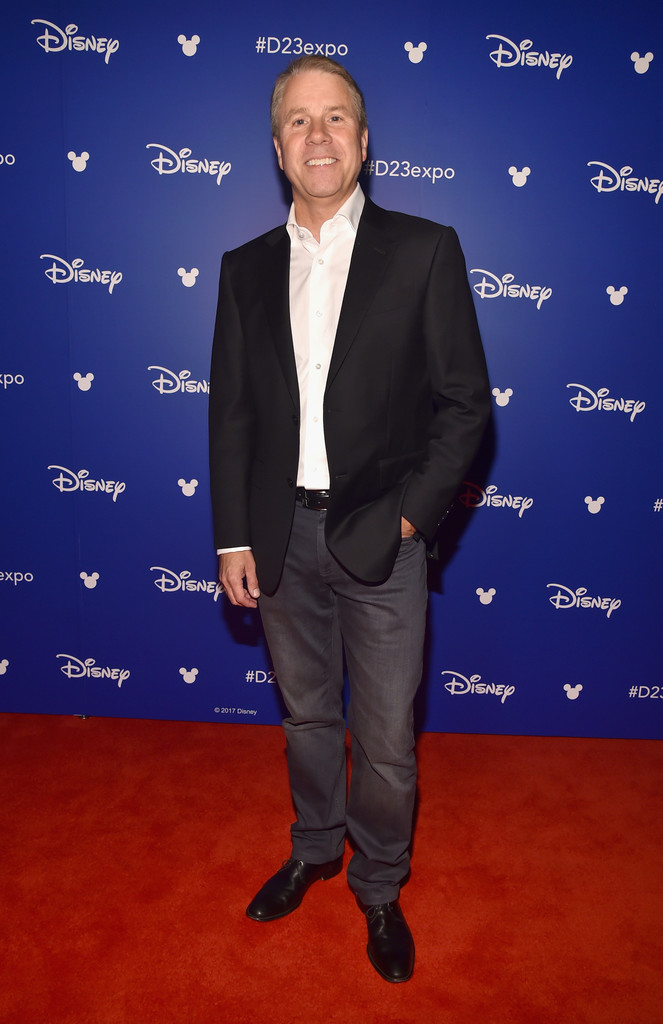
“Ralph Breaks the Internet” is coming from producer Clark Spencer with directors Phil Johnston and Rich Moore. The trio has previously brought to screen ‘Zootopia’ and the original ‘Wreck it Ralph’ and got the opportunity to collaborate again this year on ‘Ralph Breaks the Internet.’ This summer, Blackfilm.com got the opportunity to visit Disney Animation Studios in Burbank to sit down and talk to Spencer, Johnston, and Moore about their vision about their vision for this film and the obstacles they faced bringing it together.
What’s your guys’ favorite part about working together? And what do you find works, and doesn’t work, and etc?
Phil Johnston: You laugh a lot. Lot of goofing off. It’s one of those … There are many days when they go, “This isn’t a real job. Why am I getting paid for this? This is ridiculous, I’m just goofing.” I think that’s the core dynamic frankly. It’s kind of the only way it works.
Rich Moore: It’s amazing that we get … It’s a testament to {Clark Spencer.] He’s the one who’s created a structure to kinda house us saying, “What if they did this? What if they did that?” I don’t think that us together could ever get it done, or it would take a long time if we didn’t have a great structure to keep us sane, and to a schedule to get it done.
Johnston: Clark is very good at setting parameters, but we don’t see the lines. So we think our sandbox is endless. It’s like “The Truman Show”, you reach the end and sort of bang up against it. But for the most part we just goof off, and only when it gets horrible does he say, “Come on dummies. Make a movie!”
There are huge brands that are included in this movie, and you guys really avoided any licensing issues. But I was wondering if there were any major obstacles that you guys did find while in production, because it’s such a huge movie?
Clark Spencer: That was it, the size of the film, in terms of the expanisty. It was always in the beginning going to be the Internet, we knew that. We knew that would be a complicated thing to think about technically. How do we create it? But visually you gotta figure out what is it, since there is no definition of what the Internet is. We could create anything we wanted from that, knowing that we needed to populate this world with literally almost millions of characters. That in of itself was huge, there’s a big set piece in the third act that was bigger than anything we’ve ever tried to go after before. I think those were the biggest obstacles, which were internal ones. We were creating them ourselves.

Moore: Problems that we created ourselves, like challenges. Like what if we did this? So people would say, “Okay, well that’s a great idea.” And those animatics that you saw, those story reels is kind of our chance to test those ideas, as very simple mind drawings. If it plays well, and even if we know this is going to be very, very challenging to produce. Still, it’s like, look at it on screen. That’s a great scene, just imagine that finish. And I think it becomes kind of everyone saying, “This is worth doing.” But it’s not until we kind of prove it first. We really are our own worst enemies I think in these challenges.

Spencer: Well, even the princesses in saying, “We wanna have all the original voices.” They’re all over the world, they’re all doing different things right now. How do we get all of them to be able to record? They don’t record together in the time frame we need. How do we get all of them to line up, and wanna do it? We could have chosen a different path, and we said, “No we feel this is the right way to go.” We’re gonna now spend a ton of energy to figure out that piece of it.
With the princesses, would you guys have included that scene even if you hadn’t been able to get the real voices? Or was it something kind of hand in hand with having the reunion of the voices in there?
Moore: It was important that we get them.
Spencer: We wanted it to feel authentic, and while poking fun and being irreverent, we also have great reverence for them. It’s only with their sign off, them signing off and understanding we’re not making fun maliciously. We’re just making fun with tropes and with ideas. And I think it was really important to get all of them involved in that.
Moore: I remember for two minutes, we were thinking, “Would it be funny to stunt cast it? Well known actresses that kind of fit the personality of the princesses?” It was kind of for a moment, “Oh that’s interesting. That’s fun.” And the more we thought about it, that’s a horrible idea. Why would we do that? Because that’s what SNL would do, or that’s how another group would parody them, who doesn’t have the access to the actual people who played those parts. It’s like, part of what makes them great, are the actresses who did those voices. So it became really important we did it that way.
You guys talked earlier about your two percent gags, and things that only two percent of the audience would understand. Are there any others that you can reveal in this film? Or do you have any favorites from previous films that you can talk about?

Johnston: There are a couple in this one that you’ll just see, and I think you’ll like. I mean the things that I get a kick out of in movies that I love, and not even ones we’ve worked on even. Are lines of dialogue that strike me as so silly and absurd that I just repeat them over, and over, and over again. Terrible, terrible example, like Caddyshack. I must’ve watched Caddyshack as a kid 200 times. I grew up quoting Bill Murray and all the dumb lines he had, and they don’t mean anything out of context. We throw around movie references like that or Cohen Brothers, or Simpsons. I like the Simpsons writing, and so I’ll always put those lines. I like a weird turn of a phrase, sort of gets me.
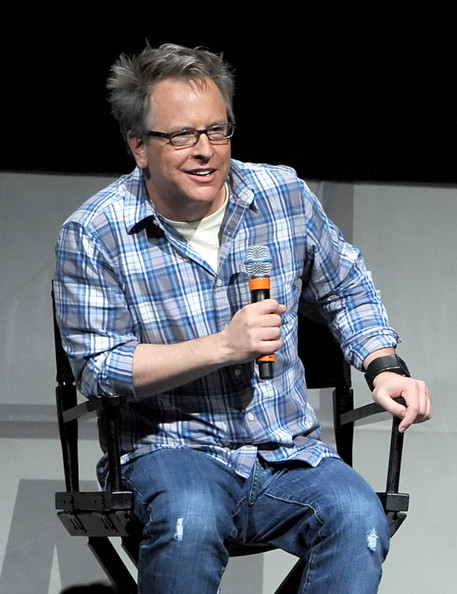
Moore: I think in the Oh my Disney scene there are some really obscure references, like in the back. And I hate to spoil them right now, but there’s a couple that are like, “Oh my god, we’re putting that in?” And one is a piece of dialogue that the stormtroopers say, and there’s a couple of visual gags. I like those. I think in that scene we’re allowed a little bit more than usual, since they’re not parts in it.
Spencer: Even with things in the Internet, there are characters in the film in individual scenes with A-line of dialogue from somebody. And it was funny when we did our previous viewing over in Arizona, to see different parts of the audience respond to that. I remember there’s this one scene where all the kids in the audience literally were turning to their parents and saying, “Oh my god, that’s so and so.” And the parents were like, okay? I guess it’s good.
Moore: They’re like why are you excited about that?
Spencer: It’s so important to the story to the overall storytelling. As a parent, you just need to know that this person’s online doing something. But it’s that inside thing that’s kind of fun to watch with the audience.
Moore: We have the moment. Wish we could share, but it was so funny to see every young person’s head kinda go like that to the parents. Why are all the young people so excited about this right now? I’m not getting this.
On the subject of the pre-screenings, where do you find the kids and people that you want to include in the pre-screening? Where do you find a fair audience that you can find to test it on?
Johnston: For us it’s going outside of Los Angeles, away from people who know a lot about films. We wanna get a more general audience.
Moore: There a screening for “Winnie the Pooh” movie a few years ago here. And instead of taking it out of state to test it, they took I think to Studio City, or Encino to test it. And they do afterwards the small group kind of focused group talk. And there were people like, “I have a question about the inciting incident. Why did Tigger feel that he had the agency?” It’s like, “Oh my god, we can never do focus groups in L.A.”
Spencer: We’ve kind of gone around to Arizona, to Tempe, Arizona, ’cause it does feel like your getting a broad group of individuals, kids, adults, teenagers. Giving them a nice more general point of view to the film.
Moore: Do you know how they met the audience? Do they go to malls?
Spencer: They’re actually at the theaters, and they’re asking people if they want to come see the next … They say it’s an animated film, so you’re getting people who are ready to come see that type of film. They don’t say what it is. The audience comes in and gets to learn that as they’re watching it. Which I think is good, because then they don’t come in with any preconceived notions. That they’re there just to experience it for the first time, and give their honest feelings. And the great thing about it is, you can watch the audience, and when the audience isn’t moving, you know they’re completely engaged. If there’s any moment where they’re wrestling around, you have to start saying to yourself, “Are they rustling around because they’re getting lost in the story? Are they rustling around because the section needs to be shortened? What is it about that moment?” And that’s what we learn from those kinds of experiences.
Moore: We’ll usually do two screenings when we go to Arizona. One for families, and one for general audience. And on this one, there was an area that we knew, “Okay, I don’t know if this is the strongest it could be.” Sure enough, in that point of the movie, the whole audience started to kinda become a little restless. It was like, well, we have all the, that’s the evidence right there.
Spencer: Now we gotta come back and make those changes.
So you guys have some big names in this movie. You have Sarah Silverman, Taraji P. Henson. Were there any actors that you have in mind for future “Wreck it Ralph”, or any actors that weren’t able for scheduling or whatever? Weren’t able to be a part of this one?
Moore: Or any actors who haven’t been announced….?
Johnston: Yeah there’s that.
Moore: Don’t want to freak out anybody.
Johnston: There’s something coming out in a few weeks!
So they exist?
Moore: Yeah they exist. Oh man.

Spencer: You know the crazy thing? Maybe, the crazy thing is, I would say 99.9% of the time when you have an idea of somebody you want to go to, they want to do it too. The interesting thing about animation is because we do the recording over a couple years, we don’t have to take someone’s life over for three or four months. So they can be … Taraji had been shooting Empire in Chicago, and still be working with us on doing the voice. So we benefit from that side of it. People love the concept of doing animation, as an idea if they’ve never done it before. But if they’ve done it before, they love it, because they don’t have to get into makeup, or into clothes or anything. It’s simple from that standpoint. 99.9% of the time, when these guys say, “Hey lets go after so and so.” We’re able to make it work. Which is awesome.
Moore: It’s pretty amazing. I remember Taraji was shooting … Remember she was shooting a movie with Sam Rockwell when we went to go record with her in Atlanta. And she was like, “You should really think about Sam for an animated film.” It was too late to think of something in this film, but man that would be awesome to work with him as a voice.
That’s a good name to have.
Moore: Yeah, it would be so good.