
A Conversation with AFI’s director Jacqueline LyangaBy Wilson Morales
November 6, 2013
From Nov. 7 through 14, the AFI Festival will showcase some of the last remaining films that are in contention for Oscar nominations. Kicking off the festival will be “Saving Mr. Banks,” starring Emma Thompson and Tom Hanks. The film centers on the making of Disney’s “Mary Poppins,” which will also play as a special screening.
With Ben Stiller’s “The Secret Life of Walter Mitty,” Sebastián Lelio’s “Gloria,” and Japanese animation director Hayao Miyazaki‘s last film, “The Wind Rises” being screened, the festival will also showcase a handful of films with prominent African American themes and figures including “Mandela: Long Walk to Freedom” with Idris Elba and Naomie Harris, Biyi Bandele’s “Half of a Yellow Sun” with Thandie Newton and Chiwetel Ejiofor, along with Chika Anadu’s “B for Boy.”
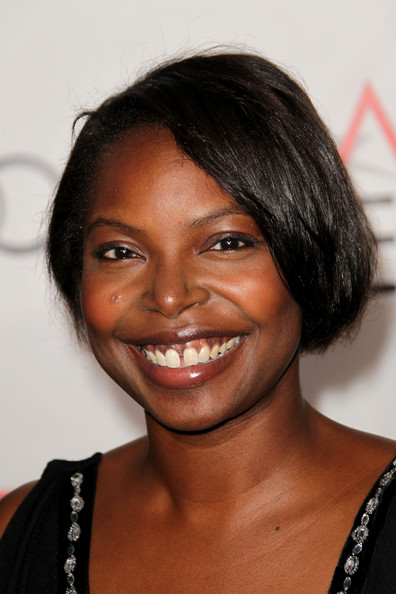 Blackfilm.com had a chance to speak with Jacqueline Lyanga, who’s entering her fourth year as Director of AFI Fest, the American Film Institute’s annual film festival. Having spent a majority of the year traveling the world looking for films, the Tanzania native has the dubious task of selecting films that not only will be looked upon as awards contenders but films that are deserving enough to land distribution deals.
As you have traveled throughout the world looking for films to present this year, what were some of the challenges you faced?
Jacqueline Lyanga: We start going to festivals in January, looking at Sundance and Berlin, then Cannes, Locarno, Telluride, and then finally Toronto; and ultimately, it’s about curating the festival that showcases films that have explored new ideas, films that showcased the work of an exciting new filmmaker, and new films from the Masters. The goal is to find a way and bring to the Los Angeles movie going audience the experience of some of some of the dialogue in cinema that has occurred over the past year. In that regard, there are some recurring themes in films and it’s a process that takes the course of a year. Some of the decisions are made on films in January. Sometimes, you see a film and you love it immediately. Other films fall into our program later in the year. If there’s any kind of a challenge, it’s that we want to be as comprehensive as possible, so we try to watch as many films that we can. We watched over 3500 films to select this program.
Did you do anything different from previous years?
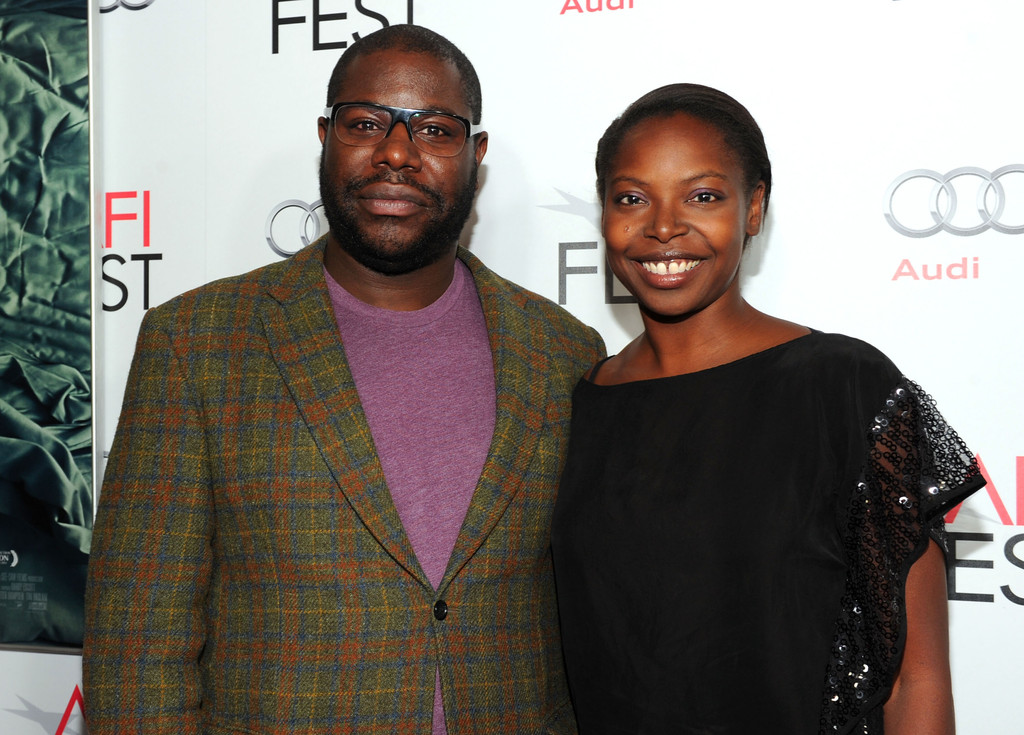 JL: We have a great audience because we’re a free festival. We’re the only festival of this scope that does that. We’re able to get the audience out there and it’s given us a bit of freedom because we can program a more challenging film. The other thing is that having different sorts of sections such as World Cinema or New Auteurs or the Women’s Section gives us that freedom to be diverse, but one area could improve on was Retrospective Titles. This year we have a new section called Cinema’s Legacy and it’s a section where we will be highlighting retrospectives, anniversary titles, and classic films that a relationship with the overall program. This year, we’re showing three musicals in that section, including The Court Jester with Danny Kaye and Mary Poppins, in which the opening night film ‘Saving Mr. Banks’ is about. That’s a section that I see growing and that I’m excited about. This year is also our second year of our ‘Conversation’ series where Steve McQueen is coming to the festival where he can talk about his latest film, ’12 Years a Slave.’ It’s our way of celebrating the year in films.
This has certain been a great year for Black Cinema. Can you talk about some of the films that will be showcased at AFI like “Mandela: Long Walk to Freedom” and “Half of a Yellow Sun”?
 JL: I think it’s really exciting. Idris Elba is such a powerful and brilliant actor and has such a great range. This is really a great role for him. I’m very excited for the people of Los Angeles to see this. Although he’s a different stature from Nelson Mandela, he really embodies him in his voice and in his performance. Naomie Harris is really wonderful too in that film. It’s a great autobiography. Also ‘Half of a Yellow Sun,’ many people have read the book that it’s based on and it definitely has aspects of the book. This is an adaptation where it takes you to Nigeria and in many ways, it’s something first generation Africans can relate to. It tells the story of a generation caught between the traditional ideas and struggles and those opposite that in a changing society. Both of these films are really exciting and explores the stories of modern Africa. There’s a real diversity in the films that we are showing at the festival, including ‘B for Boy,’ which is an interesting Nigerian film in our Breakthrough section. That’s a look at a modern woman who has an internal struggle in conflict with her family because she needs to give birth to boy. She has a daughter and there’s pressure that’s coming from her husband, her family, and her husband’s family and she has a miscarriage and she goes through desperate measures to bring a son into the family. This is a filmmaker who came from Nigeria, went to the UK and went back to Nigeria and has a lot of really great actors in her film. There’s some dogma style in her direction. Biyi Bandele, who directed ‘Half of a Yellow Sun,’ and Chika Anadu, the director of ‘B for Boy’ will be at the festival. When we put together this program, the goal was to show the best films of the year. It’s very exciting to have these film included in the program.
Is there an emphasis to do more for films that haven’t landed a distributor yet?
JL: We have an alliance with the American Film Market which allows the filmmakers to go there and pitch their films and seek distributors. There are definitely advantages for filmmakers to get representation.
When you are not seeing films, what keeps you grounded?
JL: I love seeing films so often times, I spend the weekends watching movies, even if it’s not for work.