
Andrea Riseborough talks Shadow DancerBy Blackfilm.com correspondent Leslie (Hoban) Blake
May 30, 2013
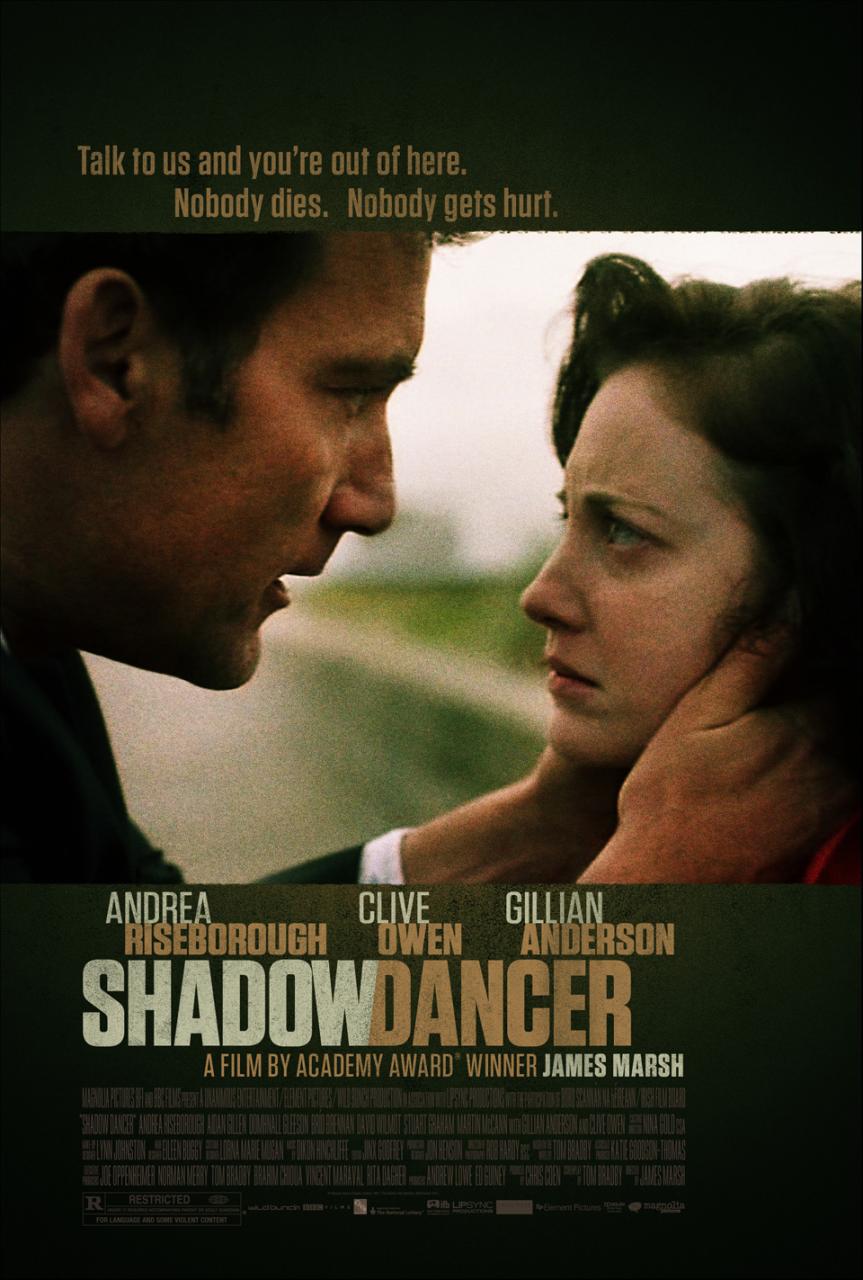
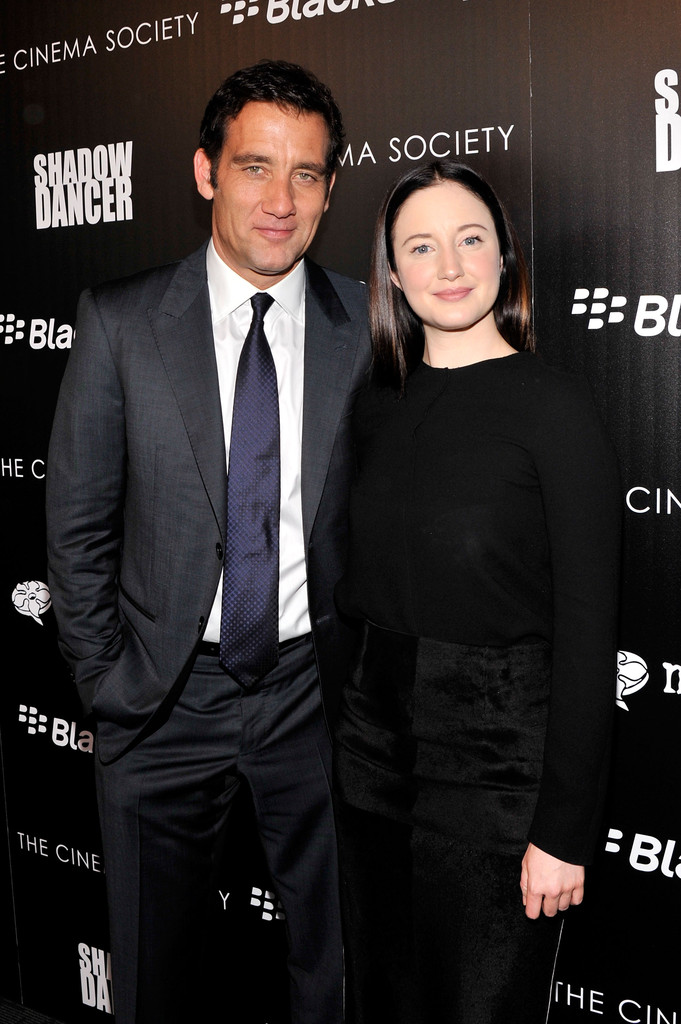
Coming out this week is SHADOW DANCER, a gripping thriller from Oscar-winning director James Marsh (MAN ON WIRE, PROJECT NIM) starring Andrea Riseborough, Clive Owen and Gillian Anderson in the story of a woman forced to betray all she believes in for the sake of her son. The film is based on Tom Bradby’s novel of the same name.
It is 1993 and single mother Collette McVeigh (Riseborough) is a Republican living in Belfast with her mother and hardliner IRA brothers. When she is arrested for her part in an aborted IRA bomb plot in London, an MI5 officer (Owen) offers her a choice: lose everything and go to prison or return to Belfast to spy on her own family. With her son’s life in her hands, Collette chooses to place her trust in the MI5 and return home, but when her brothers’ secret operation is ambushed, suspicions of an informant are raised and Collette finds both herself and her family in grave danger.
For Riseborough, following a standout performance in Madonna’s “W.E.”, the British-born actress has picked a slew of major work in recent months, including “Disconnect” with Jason Bateman and Alexander Skarsgård, “Welcome to the Punch” with James McAvoy and Mark Strong, and more recently “Oblivion” with Tom Cruise.
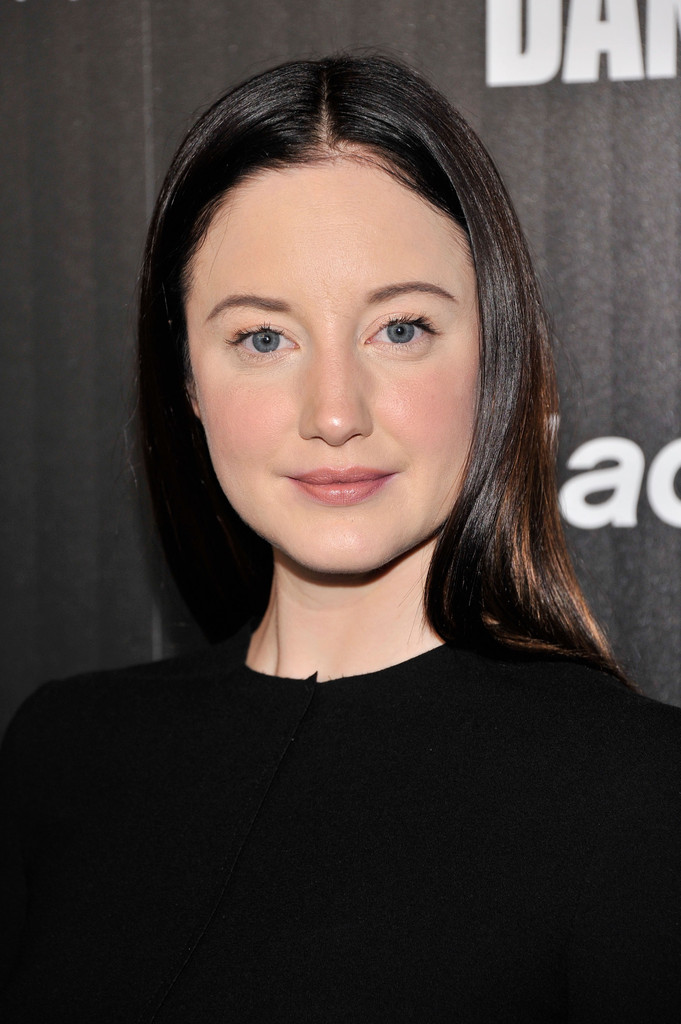
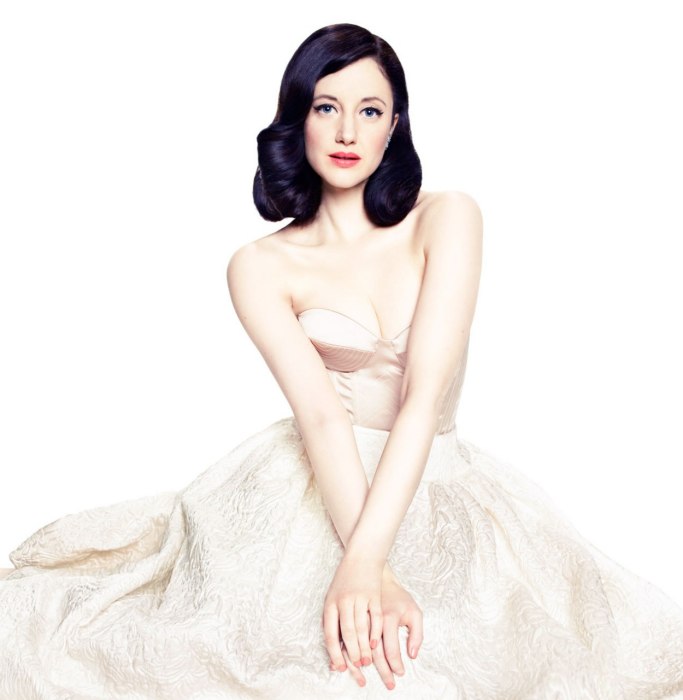
While in New York City promoting the film, Riseborough spoke about the film, her character and her upcoming projects.
For this film, did you read the book that the film is based on prior to taking on the role?
Andrea Riseborough: The film and the book are very different beasts. We discovered that the book was unhelpful, especially as an actor. Essentially you start playing two different people because the character in the screenplay is adapted just for that purpose. There are some traits of the character that don’t translate in a film. There are others that the character doesn’t have in the book that the character may need in the film. For the purposes of our piece it was entirely unhelpful for us to read the book. However, Tom Bradby who wrote the book and the screenplay was with us at every turn.
How did you approach the emotional journey for the character?
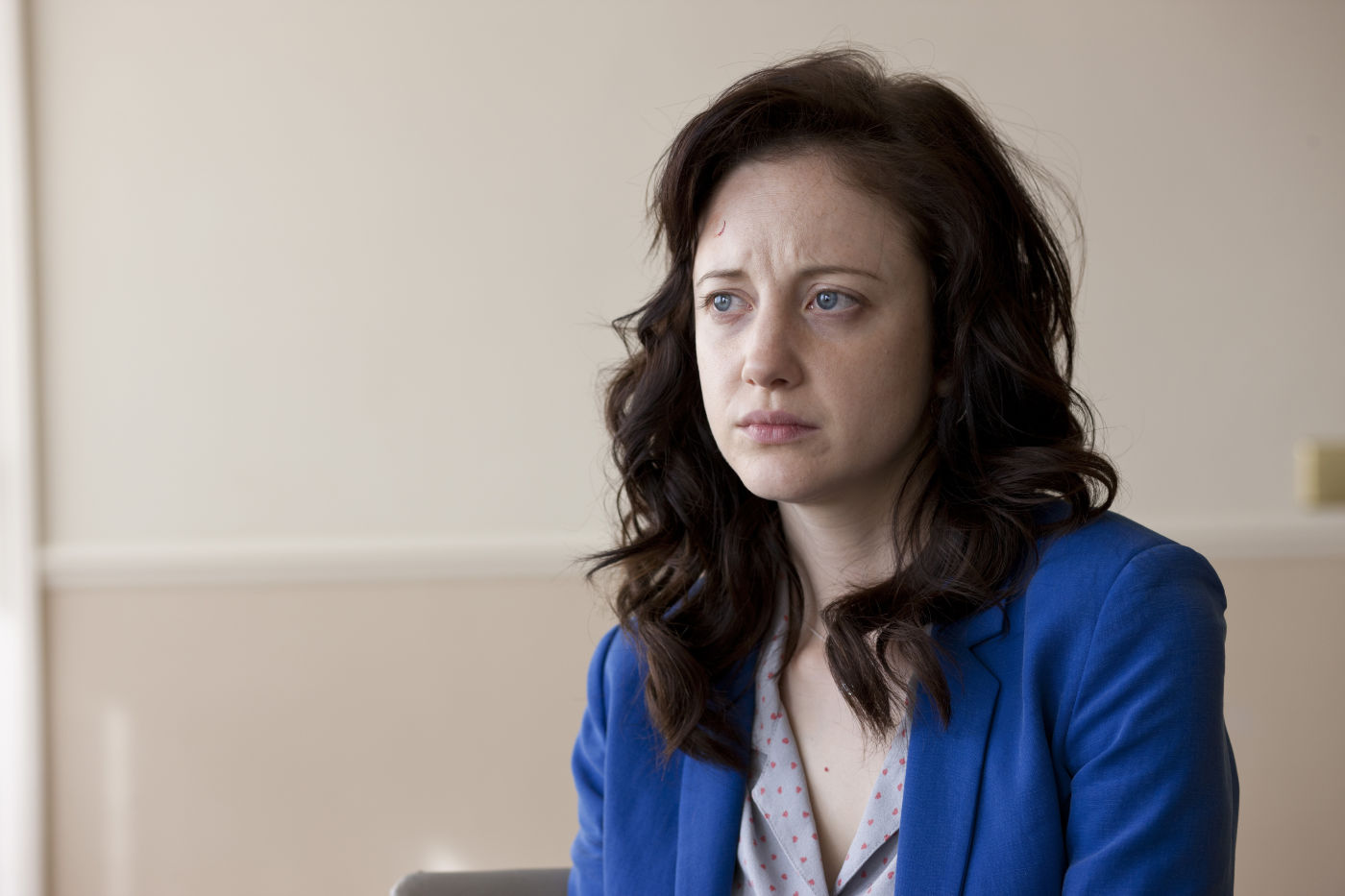
Andrea Riseborough: When I first came to the script Collette was more a situation than a purpose and she talked an awful lot. I had no idea about who she really was, so after the academic research and then into the archival footage the thing that I needed to do was get on the ground. So I went to Belfast, and stayed there before we started to shoot the film. Then her inner life became very clear to me. The power of the potential silence for Colette became very clear to me. It’s really interesting that the only way the audience can figure out exactly where she stands is through her eyes.
Did you try to apply this moral dilemma to yourself?
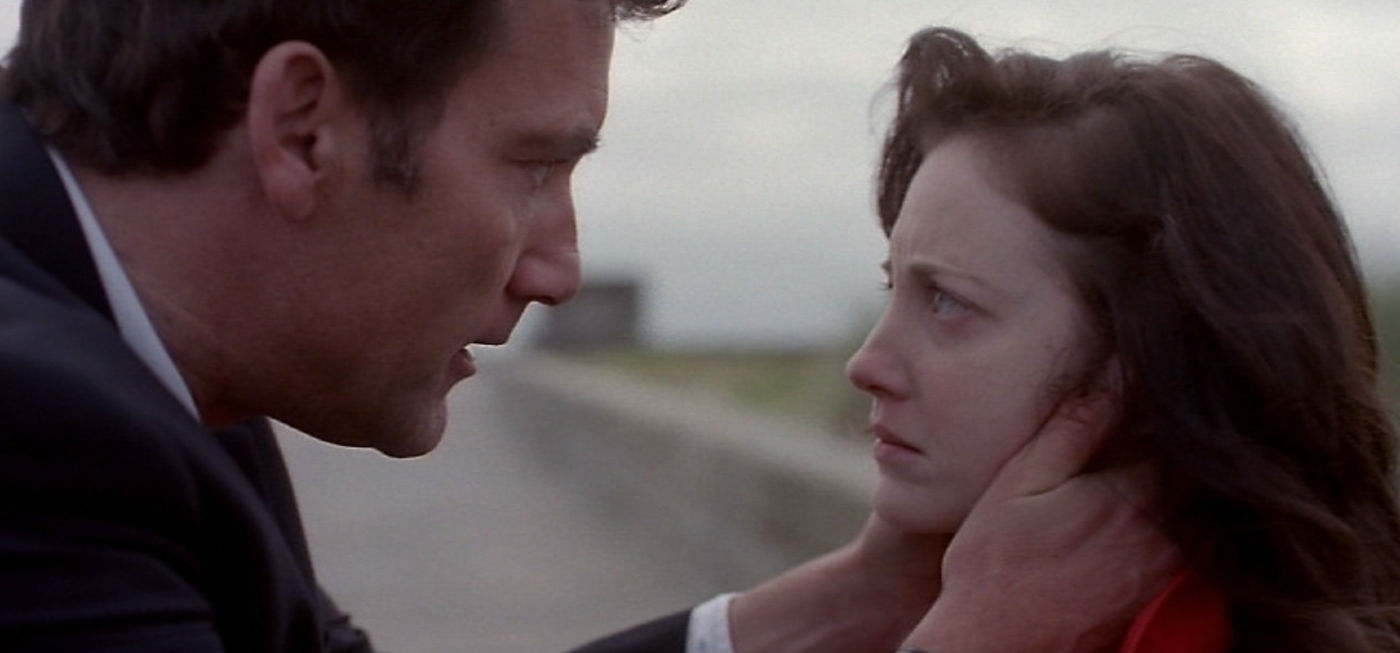
Andrea Riseborough: Inside of that world once I was there, I didn’t then step back out of it and say, “How would I feel?” You just have to submit and feel. There was no remove in that way. It’s kind of a difficult thing to explain how to get into character. It’s not like you sit down with a whole list of checkpoints, purely because emotions don’t work that way as we all know. It’s so difficult to rein your emotions in and to keep control of them. Emotional memory forms you as a person so much, to separate myself from the character would have been detrimental, is what I’m saying and I just had to feel how it would be. In that situation, I met lots of people that could have been her, and the empathy that I found for them was extraordinarily helpful.
Is this the approach you always take?
Andrea Riseborough: No it’s different every time. With each character it’s instinctive. You get a feeling for what’s appropriate with each character. You have to forget what you do know. I think the thing is not to waste time on attempting to know things that aren’t useful. For example, you’re playing a 13-year-old girl in Russia, why read every facet of Russian politics of that time? The girl doesn’t know every facet. Who are her parents affiliated to? What are their jobs? What do they talk about in the house? How biased are they? What has she heard? Those are important things and they’re valid, and they’re relative.
Do your characters stay with you after a film finishes?
Andrea Riseborough: Yes. I think they all do. As I mentioned before, it’s very difficult to forget things and the same goes with characters. If you felt something, or learned a certain amount about whatever or whoever it is, then it does live with you. That’s not to say that you adopt their ideas. I’ve played Margaret Thatcher and I have no affiliation with her political beliefs. She stank politically. The information will always live on.

Can you talk about the difference between being on a huge film set like Oblivion and one like this film and other independent films that you have done.
Andrea Riseborough: They’re so similar. Surprisingly similar because we have 35 people or 350 people going crazy or with a different agenda, they’re two things you’re worrying about — time and money. You would think there would be more of those things on a bigger budget movie but there’s not because you have seven times as many people. The other similarity is apart from the problems is the solution. If you work with a great director, and with great actors, the point is to always try to preserve that sacred space in which you remember why the hell you’re doing it, and you create something great rather getting caught up in the hubbub and fail to achieve the emotional crux in the story.
What’s next for you?
Andrea Riseborough: I just finished a movie with Alejandro Inarritu here in New York, called Birdman. That’s with Michael Keaton, who I would say is the lead, but it’s a real ensemble piece and it’s with Naomi Watts, Ed Norton, Zach Galifinakis, and Emma Stone. It’s a film about many things but the sort of basic story is that some actors are putting on a Broadway adaptation of Raymond Carver short stories.
How did you prepare for that role?
Andrea Riseborough: Laura is very sexual, and has no filter. She’s from Los Angeles, and it was great fun to play her. In terms of having to go into theater and research, I’ve been doing that since I was nine.
SHADOW DANCER will open theatrically on Friday, May 31 in New York (and Los Angeles) at the Sunshine Cinema, with a national roll-out to follow.