Back in the Spotlight: Musician John Forté Talks The Russian WinterBy Wilson Morales
April 20, 2012

As the 2012 Tribeca Film Festival gets underway, one of the highlights being shown is a documentary called ‘The Russian Winter,’ featuring Grammy-nominated singer-songwriter-producer John Forté.
While some may remember the Brownsville, NY native from his days when he collaborated with The Fugees on ‘The Score’ album, he’s also had a solo career with numerous albums (Poly Sci, I,John, StyleFree, and The Water Suite).
In 2001 he was convicted of drug possession and sentenced to 14 years in federal prison; but in 2008 he was given a pardon, through the help of singer Carly Simon, from former President George Bush. He’s since been making the best efforts to regain a positive spin back in society.
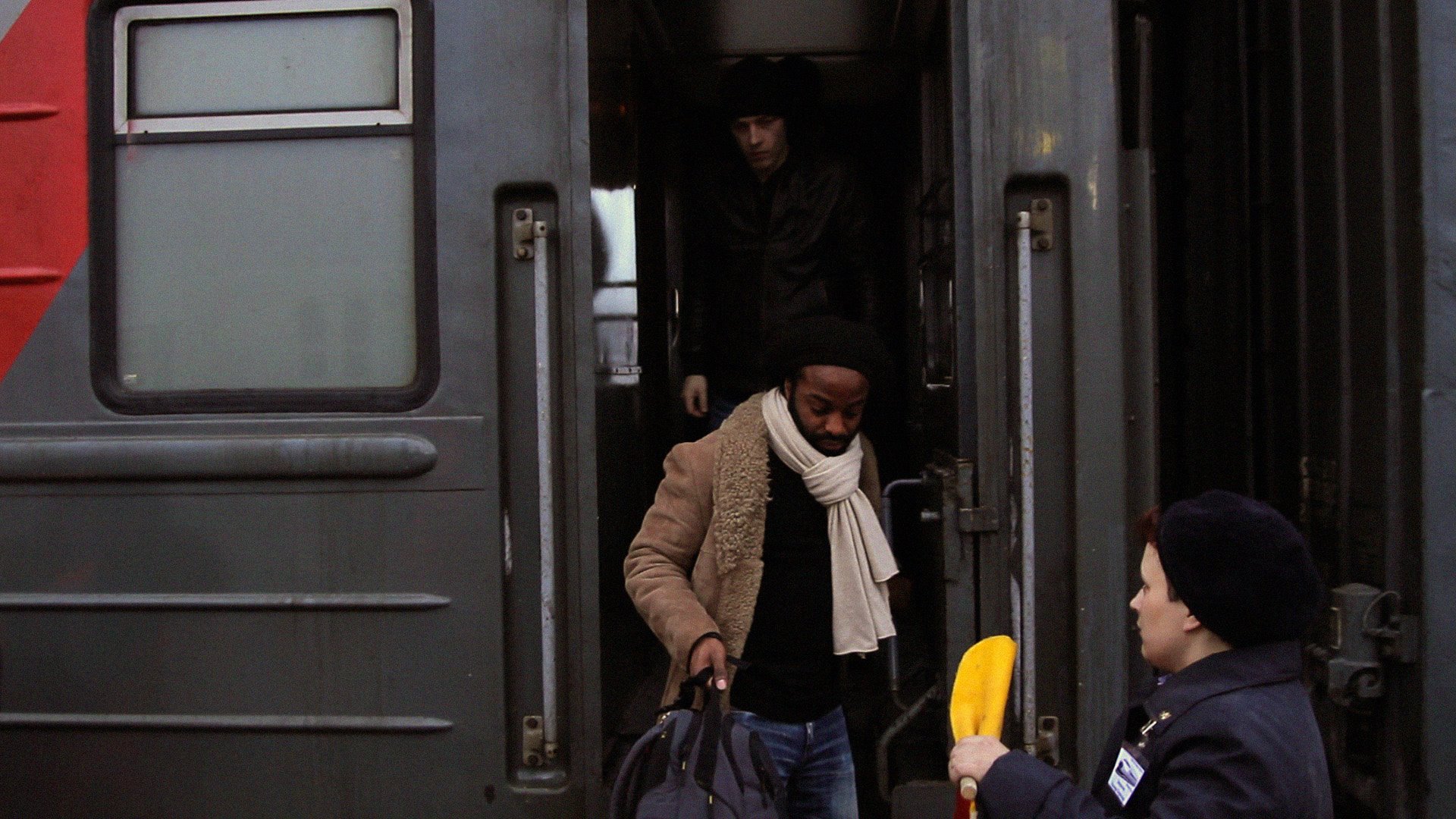
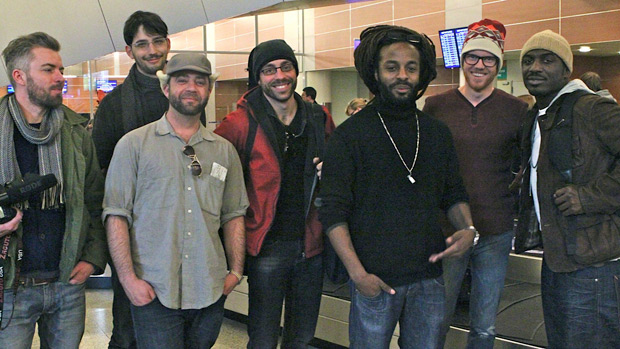
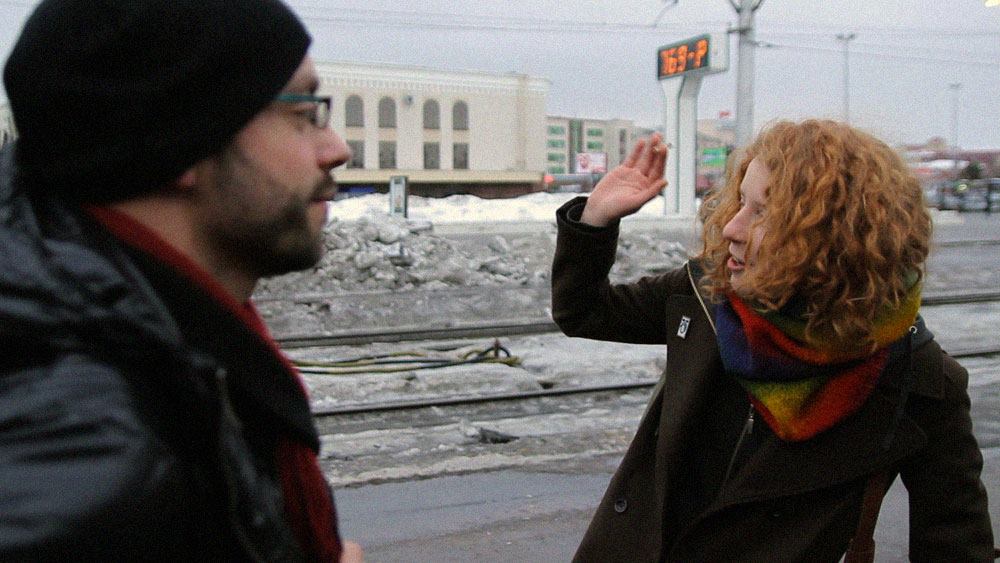
The Russian Winter follows Forté and his band for three months to Moscow and beyond, where they collaborate with local musicians, perform for a host of unlikely audiences, and learn various ways to communicate with a foreign world. As for Forté, the trip may have begun with the goal of sharing music, but in the end it is just as much about hearing and learning from the music of others.
Blackfilm.com spoke with Forté about the tour and putting a film chronicling his experience there.
How excited are you for the Tribeca premiere of your film?
John Forté: I am. I’m really looking forward to it. We spent a year trying to get here and we’re finally here. There’s something very gratifying about that.
Most people assume that the sell of the documentary is about your life? Is it more than that?
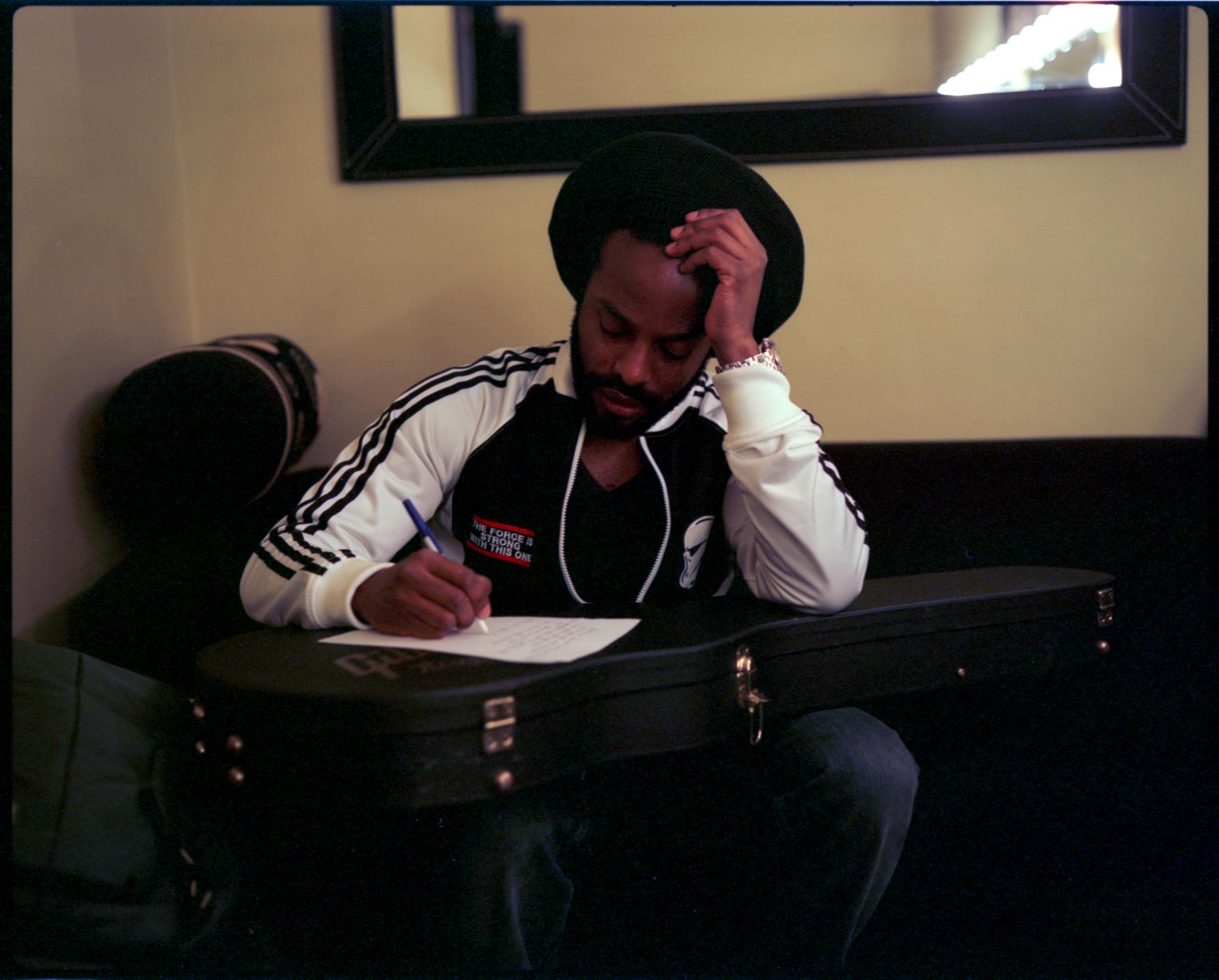
JF: I think that if the focus was just on me, it wouldn’t be nearly as interesting. I’ve had an interesting trajectory as it relates to life, but this documentary is more about learning and collaborating and growing as an artist, as a band, and as a unit who wants to continue to push the envelop of creativity. I’m very happy with the outcome.
Where did the idea for the documentary come from?
JF: Well, it began with a conversation with my friend, who’s my business partner. It was an invitation to come to Russia and Moscow in particular for just a few days; and I thought to myself that it would be a shame to go halfway around the world for just a few days. We decided, after thinking about it some more for a couple of weeks, that there was a lot of interest in Russia to have me over there. I let him know off the back that I really wanted to go over there and meet with other artists and see what the feeling was. I know that it’s an emerging economy and an emerging society on so many different levels. It’s an emerging political regime. I wanted to learn as much as I wanted to sing my music. I wanted to hear the music of others.
Why choose Petter Ringbom to direct the film?
JF: He was my director of choice. I had reached out to a lot of my friends who are in the filmmaking industry and I spent a lot on the internet looking for inspiration and Petter had some work with some girlfriends of mine in the fashion industry and even though this isn’t a short film or a full narrative or a documentary that I’m looking at, this guy has the eye and sensibility that I’m looking for. I reached out to him. I basically cold called him and asked him if him if he was interested in coming on this tour with me and following us around. I don’t what’s going to happen and I can’t guarantee to see what’s going to happen but would he be interested in traveling with us for 2 ½ months. He said that it was a big opportunity and a lot of time and commitment and wanted a day to think about it. He called me back a half hour later and said, “I’m in. Let’s go.” That’s been the attitude. I had a team of people who were ready to go and Petter among them.
Was this documentary and being in Russia ever challenging?
JF: It was definitely challenging, but at the same time, when ever you are in an unfamiliar part of America can be challenging. I think we put those fear aside and we went with a sense of adventure. We didn’t have expectation but we knew we wanted the time of our lives and obviously that’s not guaranteed. There were definitely some struggles as it related to some things being lost in translation; but for the most part, I would like to think that it was a life changing experience and altogether positive. We learned a lot.
What was the most exciting time when you were there?
JF: I think the newness mixed with the fact that you have people who have strong ties to their history. They know where they have been and having that perspective lends itself to having a greater perspective of knowing where you might be able to go. I was very impressed with their attachment to history. Not that they celebrated it, but they knew what their history was. I think that’s more than what most countries can say. I’m not going to make this an America versus Russia thing. I think when you have a sense of your history, it fortifies you in the present and where you might go in the future.
As a producer putting together this film, what was left out that couldn’t get squeezed in?
JF: Everything couldn’t get in there because we shot every single day and we have so much footage that didn’t make it in. It’s not to say that it wasn’t good enough, but we knew that at the end of the day having so much footage, we had to edit. What we left in the film was the best part and that’s what makes a good movie as far as I’m concerned even though I’m so close to it.
Can you talk about the collaboration you had with the different artists?
JF: I was fortunate enough to have people send me a ton of music of different artist and basically spent weeks before heading to Russia going through them. By the time we got to Russia, we had an idea of what artists we wanted to work with and every artist that I ended up working with, I had heard their music and seen their videos. Even though I didn’t understand what they were saying in their lyrics, I could feel their music.
Over the years, has your music changed?
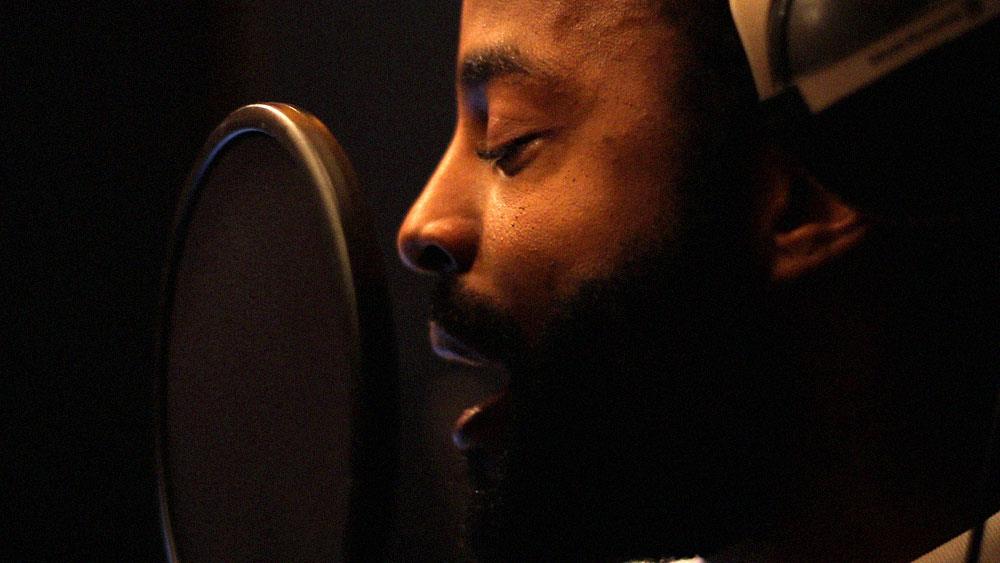
JF: Every day that I get up, I think about ways to push the envelope artistically and it doesn’t stop with music. I’ve been spending time behind the camera. I have been taking photos and directing. I just want to make art that lasts, whether it’s from my music or something cinematically. I want staying power. I want people to be moved in a very visceral way whether it’s negative or positive. I want to be able to harness the power that art is and to affect people and hopeful help them along their journeys. None of us do this alone and I think that art is the biggest example of other people who have that voice and are able to express it through pictures, music, sculptures, or dance, and can to speak to other people at once.