
Black Panther Sips on ‘Lemonade’ Below the Lineby Jacqueline Coley
January 26, 2018
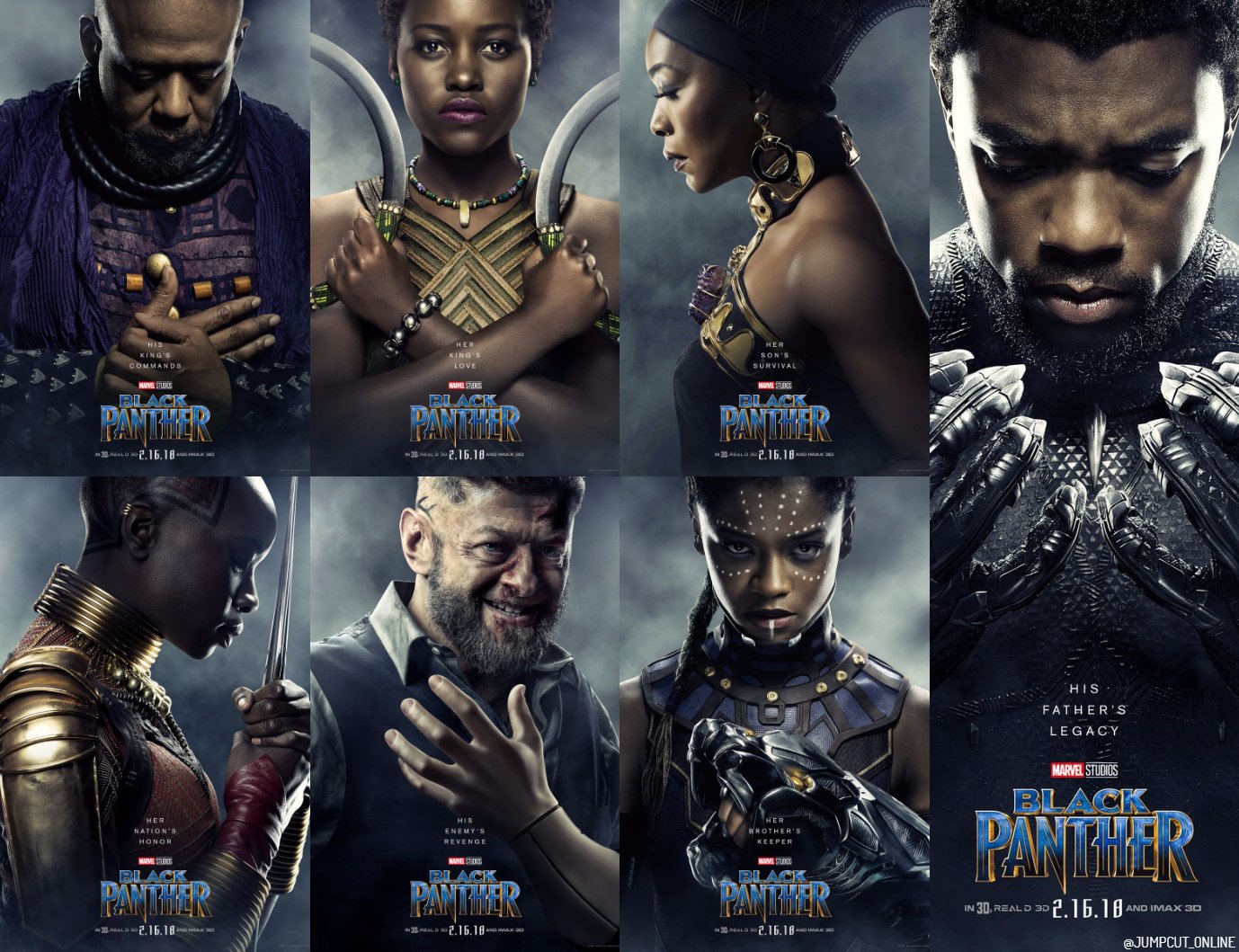
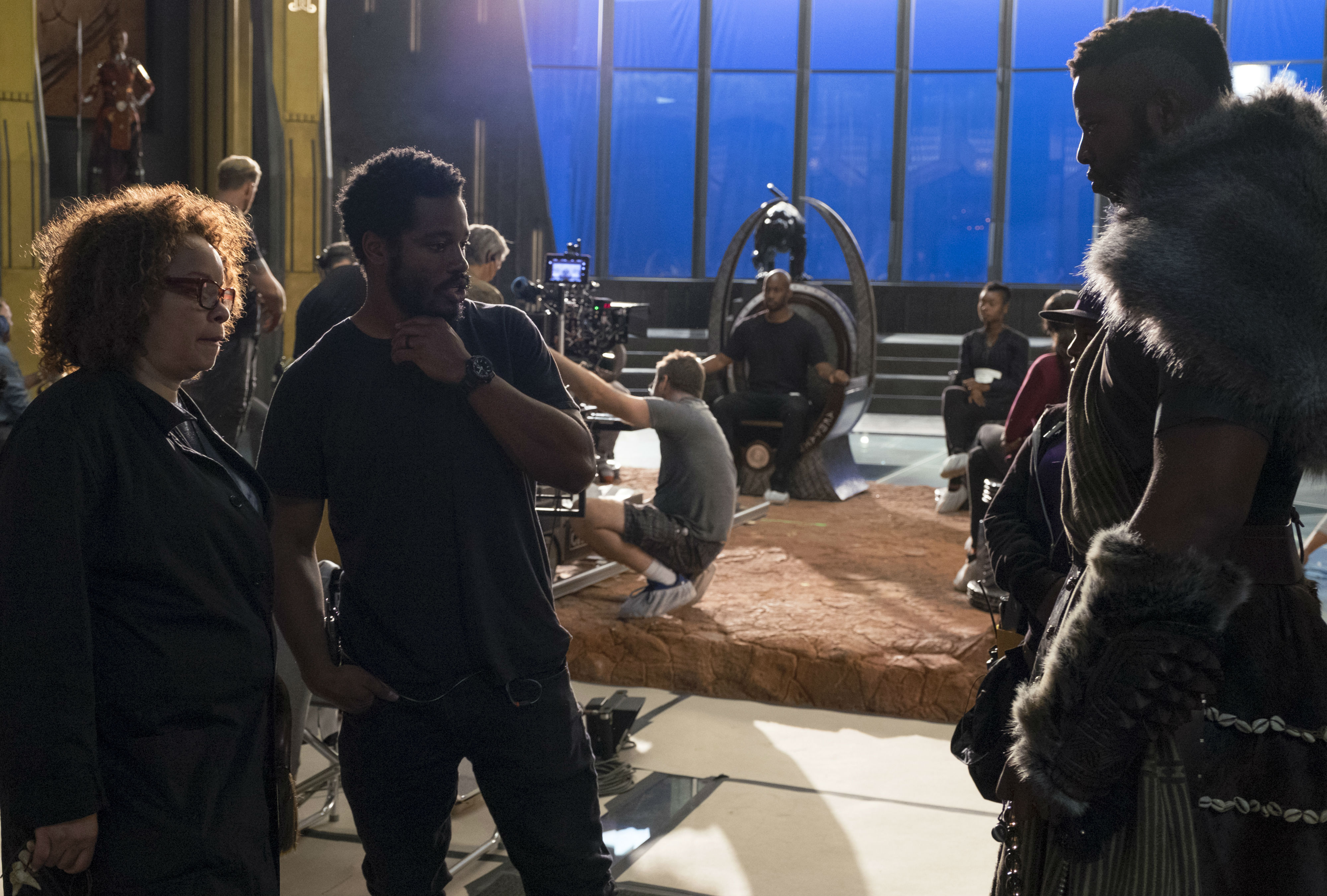
Last year, while the film was still in production BlackFilm.com, was one of the few lucky publications invited to the set in Atlanta. During our set visit we sat down with Chadwick Boseman, Lupita Nyong’o, Michael B. Jordan, Andy Serkis, Martin Freeman, as well as production designer Hannah Beachler, costume designer Ruth E. Carter, and executive producer Nate Moore. As most of these folks have participated in some highly anticipated projects – everything from Star Wars, The Hobbit, and Marvels own Avengers movie – they didn’t let too much slip. But we did, learn a lot about the world of Black Panther and the type of film they are producing. Production Design and Costume Design a huge part of the World of Wakanda are two insanely talented black women. Cosplay, Costumes, and future films will all pull from what these ladies put on the screen.
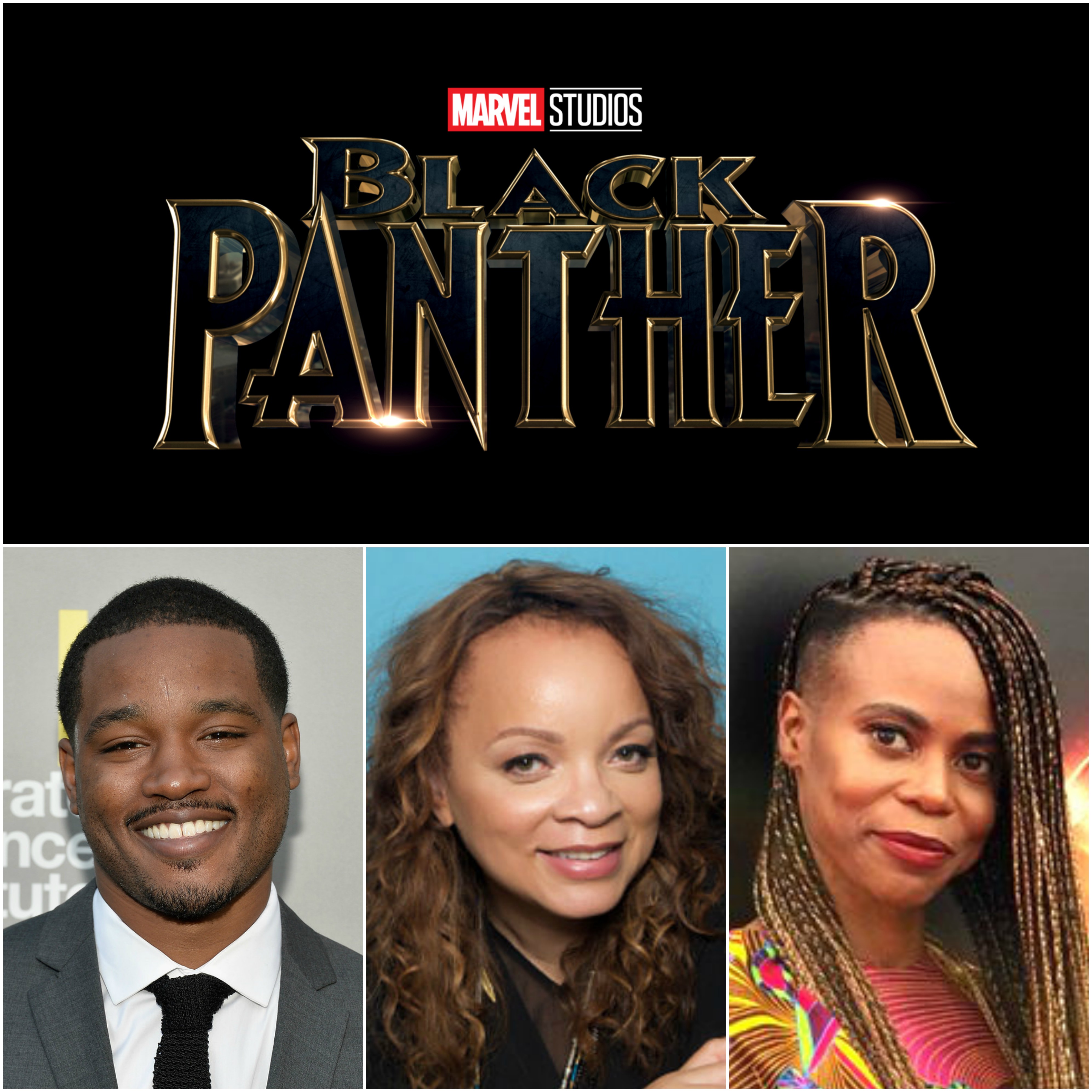
The two women Coogler enlisted Coogler to help him were Oscar award-winning costume designer Ruth Carter and Production designer Hannah Belcher. Ruth has been a staple in the costuming world for decades. She was first introduced on Spike Lee’s School Daze, and their partnership remained through most of his films. It was also a fruitful partnership that led Cater to her first nomination with Malcolm X. With Coogler this was their first time the two were working together.
Carter told us about getting the job, ‘Ryan interviewed me and wanted my concept art at the very beginning of what I thought of the Black Panther and the Wakandan world. It’s hard to encapsulate it for a 30-minute interview. I was able to collaborate with some of my ideas about it being a place that is well ahead, futuristic in some ways, but not futuristic place in Africa. [I wanted it] looking Afro-centric or Afro-punk or African, there are all kinds of places in Africa where you can draw your inspiration from.
I couldn’t stay in one region of Africa. I couldn’t stay in West Africa and make it Nigerian and Ghanaian and forget that there was east Africa, which also had some great images and colors and textures.’ Carter told us, “I like the original Black Panther costume. I liked his helmet, and I liked his boots. I liked a lot of things about it. What we wanted to do is take it into a new millennium, a new attitude, a new technology and make it exciting again. Just make it exciting again. Sometimes cultures can come together with superheroes. Again Cater was tightlipped but we did some inside info.

One revelation we did get was the fact that all of the Dora Milage will be bald. ‘We had a concept in the beginning if you wore hair you were lower rank. If you were bald you were higher rank. Later on I just made them all bald. I liked that idea. Cater intimated. She went on to discuss the colors. “When you look at all the tribal work, and you see a lot of red, there’s a common color in African tribal cultures. Red, yellow, white is used quite a bit. We wanted to make sure that the colors themselves were reminiscent of tribal colors that we know. It’s really a primary red and really tomato-y orange. You see that. A lot of plaids in Mali. In some of the Masai tribes you see that a lot. You see the red painted skin you see in the Hemba tribe. You see a lot of the clay work. In the Dora Milaje in the comic strips they are red. That’s pretty much their color. We wanted to stay with that, number one.

Number two is they have a tabard that they wear across the front of their costume. For a very long time, I could not figure out why the tabard, why the tabard. It was approved, and I kept wanting to get rid of it, but it just wouldn’t go away. I said, “This tabard that’s kind of a harness.” I call it a harness now. At the beginning, I called it a tabard. “It needs to mean something.” If they all wear this tabard, and it doesn’t hold a sword, it doesn’t hold a gun. It doesn’t do anything but kind of stay there in the front. It has to have a meaning, so I beaded it. I put little charms on it for protection because that to me also felt like it was a part of the African culture to have your little talisman on things for protection and good luck and good spirit. There are three places on the tabard where they wear a little shield, a little amethyst stone and I think it’s a piece of jade.

The rest of it is beaded I wanted the beading to look very earthy, very earthen, and feel like something that could be handed down. You could take your harness and give it to your daughter when she became a Dora Milaje, and you could wear her tabard. I felt like it was one of those kinds of pieces. After the first looks glimpses of the cast were shown in the trailer earlier last year, you could see Cater’s detail in every frame. If Ruth Carter is the left eye of Coogler’s Vision for the look of Wakanda, then Production designer Hannah Beachler is the right eye.
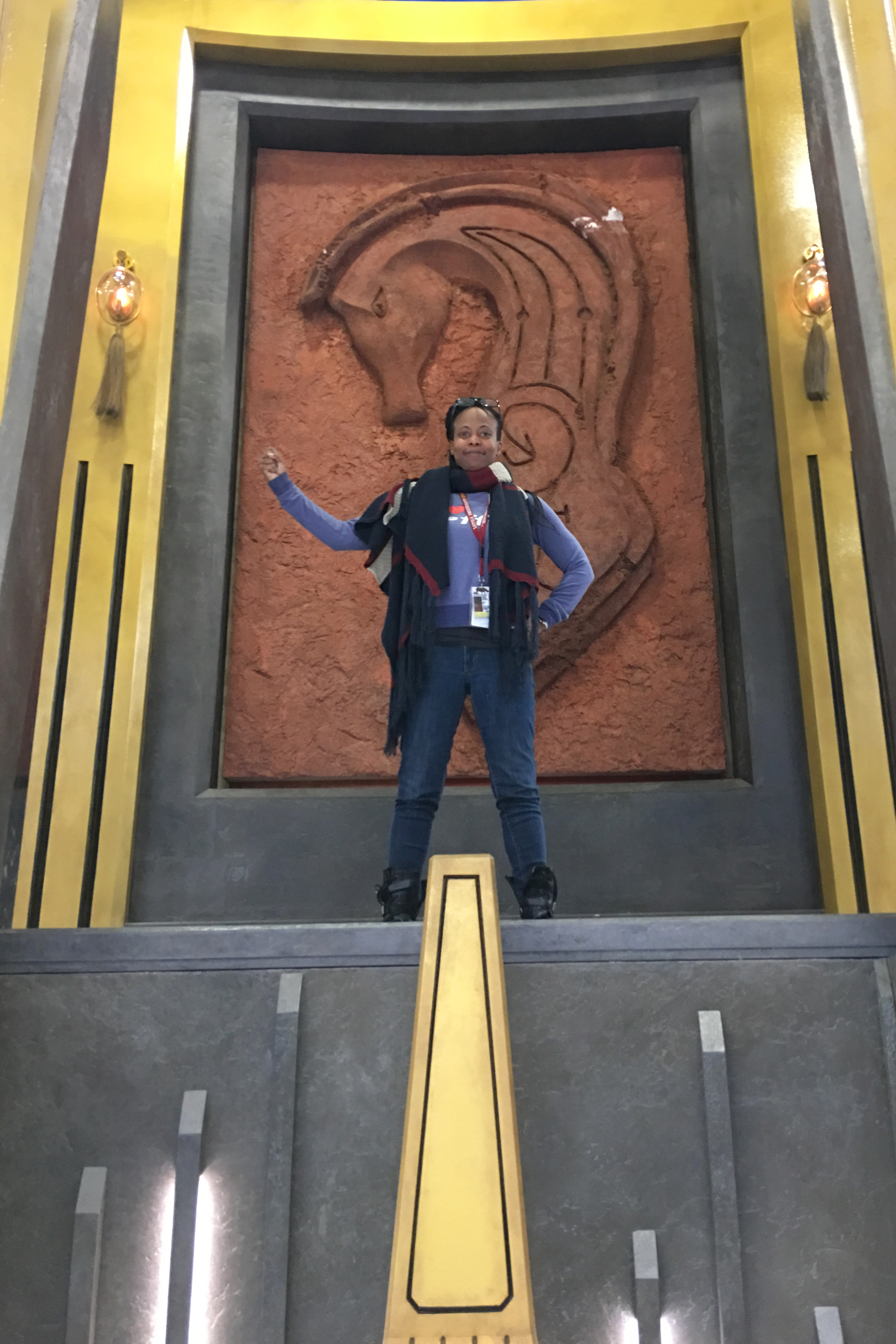
Beachler first worked with Coogler on Fruitvale Station and she has been his Production Designer for every film since. Also collaborating on 2016 Best Picture winner moonlight but Hannah most recognizable work is without question her work on Beyonce’s Lemonade. Though it is tangential comparison, we did ask Bleacher if there was any Lemonade in Black Panther. She said The thing that is similar, I would say, is this idea of going back to an older time and modernizing it, and reclaiming it, and owning it differently. I think that’s what we did in Lemonade, where we were like, “Hey, we’re going back to the 1800s.” A lot of the scenes, you see plantations, you see this and that. But with Lemonade is the same only, it’s all black women/
So we just retold the story differently, which in a lot of ways is a route to go with Afro-futurism, which is basically just taking the story and making it … into something that is not what it was originally supposed to be. We are taking it and mixing it up and re-owning it. That’s what I think we did a lot in Lemonade, and I think that that’s kind of what’s happening here in Wakanda a little bit.
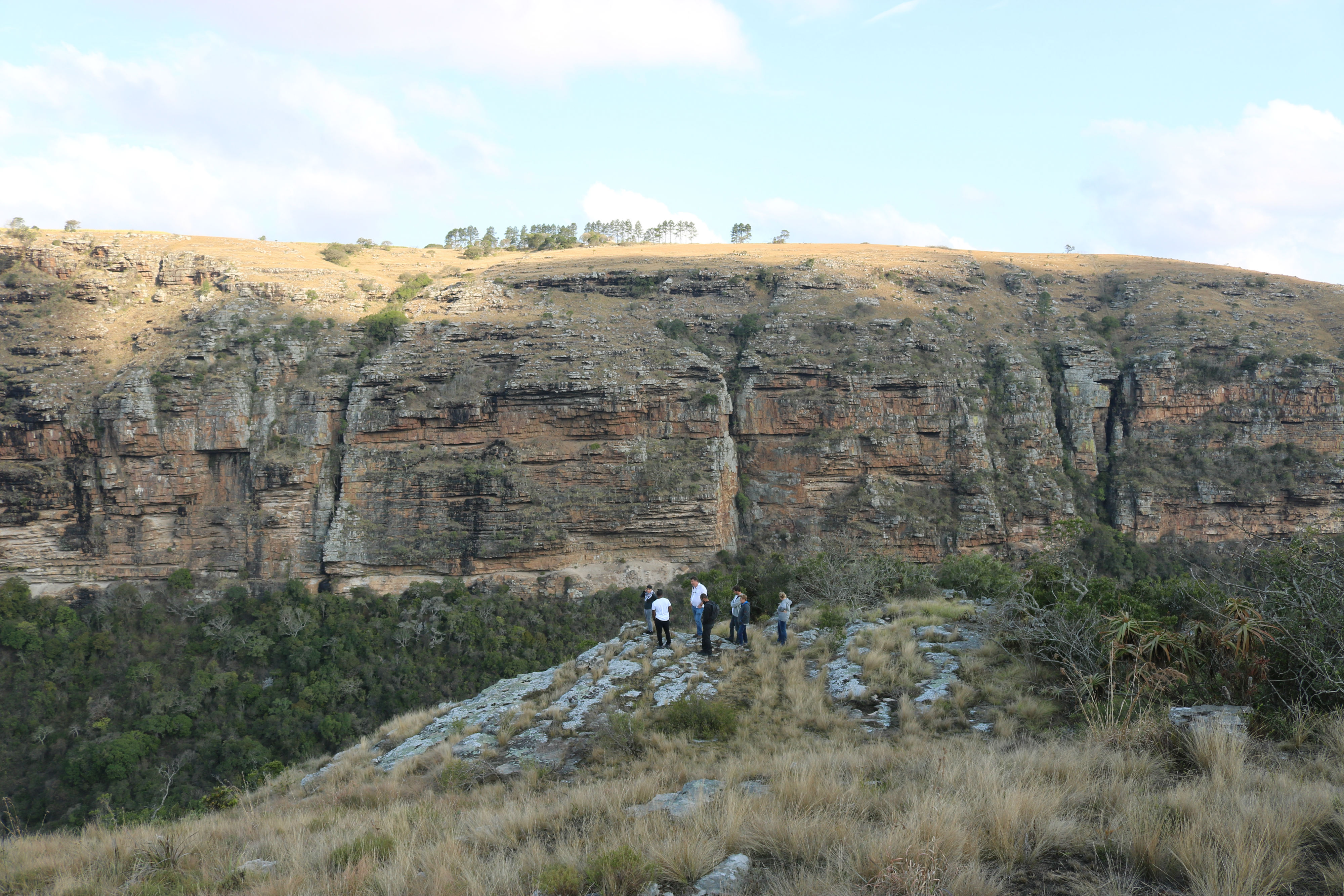
The look of Wakanda is such a huge part of what will make the film stand out it has to present challenges. We asked Bleacher was the hardest location set to design. Without missing beat, she said most challenging was the throne room. You know, it was one of those things where, going back to another question, we didn’t want it to be this huge place. We wanted to be different; we wanted to feel like this is where all the elders will be … you know, there were many things that it needed to do. There’s many things that it needed to do for production’s sake, and many things it needed to do for story’s sake, so it was always like, “How are we going to it.”
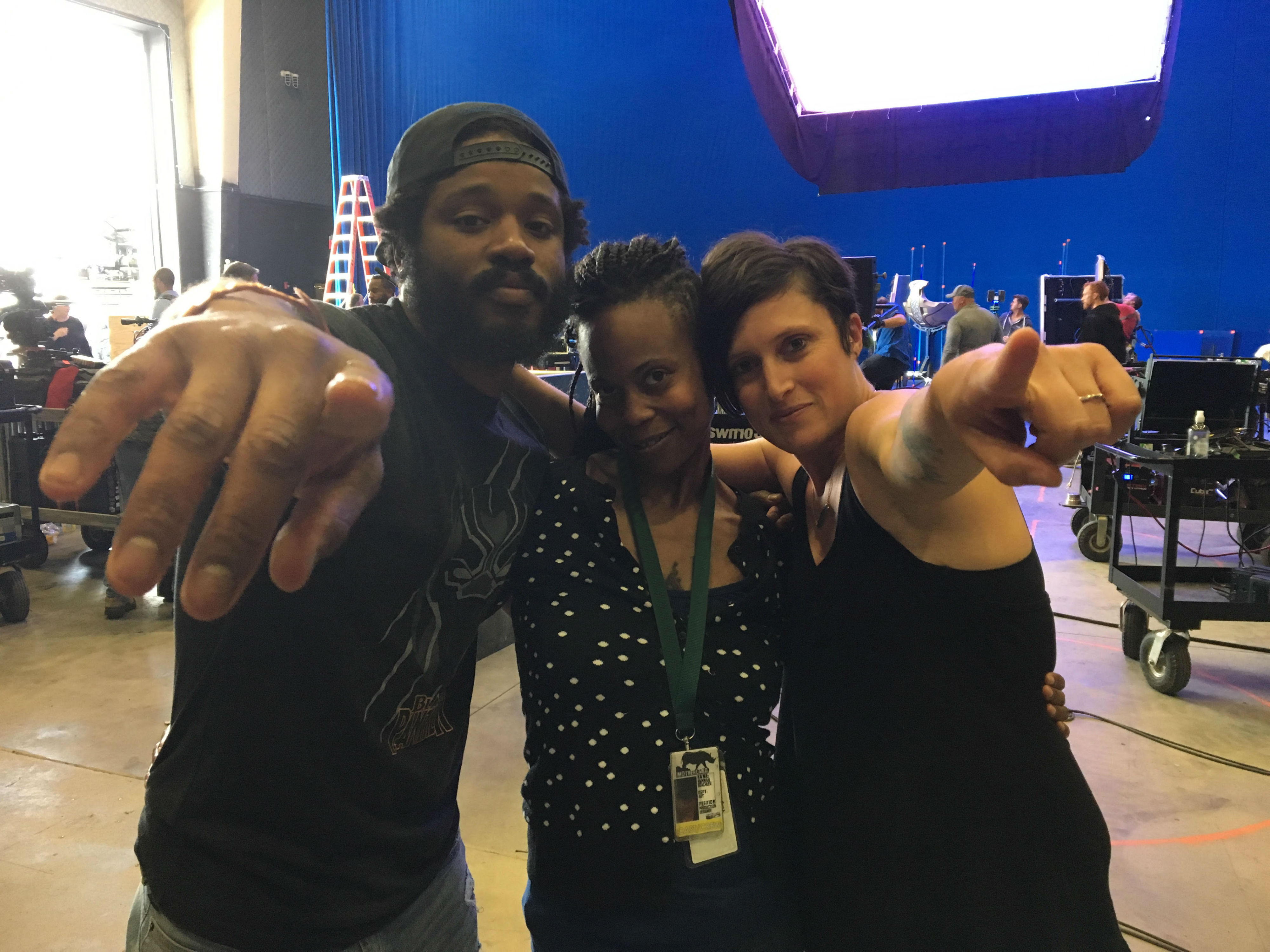
It was one that we took a little more time on than anything else. Came really easy, but that one was hard to make it royal, but not make it insane and over-the-top. Keep it traditional, but also show this advanced society while keeping that … and you’ve seen a million throne rooms. As the literal seat of his power, T’Challa’s throne is was a room that had to be functional, regal, and most importantly intimidating. When the first poster for Black Panther dropped, it was clear that not just the throne but the room itself was of great significance for the film. I can only imagine what is slated to go down in the room when the film hits theaters in February.
Black Panther is in theaters Feb 16th.