
Danai Gurira talks Mother of GeorgeBy Wilson Morales
September 11, 2013
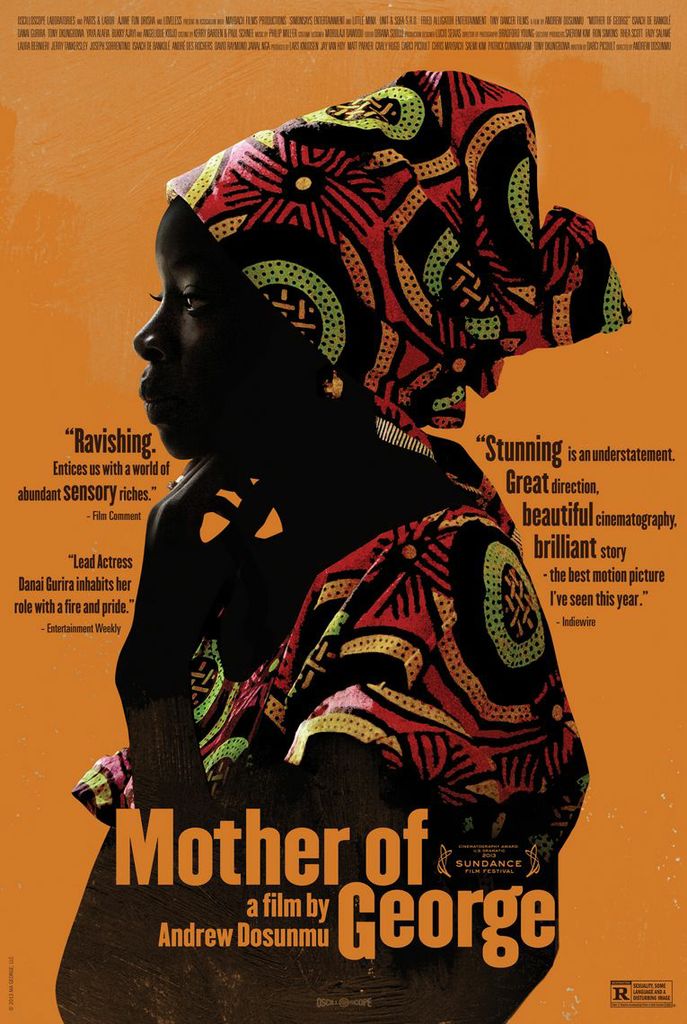
Coming out this week is ‘Mother of George,’ a new film from Andrew Dosunmu (‘Restless City) and starring Danai Gurira and Isaac De Bankole.
After the joyous wedding between Adenike (Gurira) and Ayodele (De Bankolé), a Nigerian couple living in Brooklyn, marital complications arise out of their inability to conceive a child. The problem devastates their family and defies cultural expectations, leading Adenike to make a shocking decision that could either save her family or destroy it.
For Gurira, who’s best known for her role as Michonne on the AMC drama series The Walking Dead, the role allows her to stretch her talent besides wielding a sword. The Zimbabwean-American is also a playwright and stage actress and previous worked with Dosunmu on his last film ‘Restless City.’
In speaking with Blackfilm.com, Gurira talks about her character, working with Dosunmu, and what’s installed for Michonne in the new season of The Walking Dead.

How would you best describe the character you play?
Danai Gurira: I would say that she’s a woman from Nigeria living in Brooklyn and adjusting to a shift in her life and happily in love with a new husband, but trying to complete her ideal life as a wife and a mother.
How much research did you do to play the role of a Nigerian woman?
DG: I did a lot. The filmmaker is Nigerian and I worked with him previously on another film and he uses the same crew, so I got to know a group of Nigerians, who are a cool bunch of people. Beyond that, there was a lot of watching videos and stories of Yoruba culture and Yoruba women. Andrew also passed on a number of films to watch as well. I also spent time in the Nigerian community in Brooklyn. Ultimately, the woman I spent a lot of time with was the mother-in-law of one of Andrew’s dear friends, and she actually has the same name of my character, Adenike. She just moved to the United States to be near her son and his wife and their new baby. I got to spend a lot of time with her at home and she’s a wonderful woman and probably in her 60s, so I got the richest experience.
 How was working with Andrew on this film and being the lead actress?
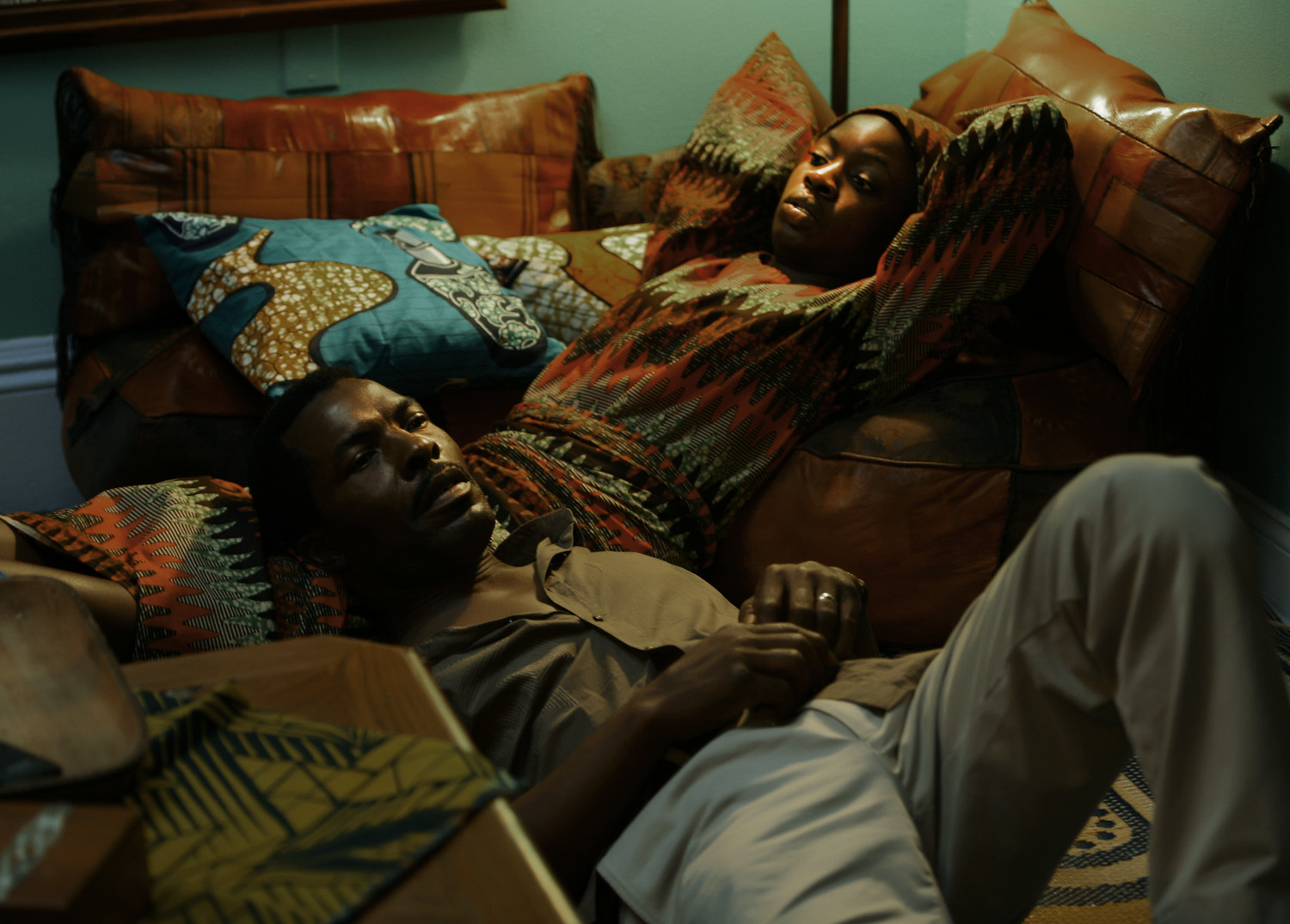
DG: It was great. We had a great collaboration from day one. We understand each other and we know how to communicate and we work as a team. We trust each other. It was one of the best experiences I’ve ever had as an artist. We had an ease with other and we can also be brutally honest with each other. He knows exactly where I need to be in a scene and I love bringing different ideas to the table. He really embraced that.
How was working with Isaac (De Bankole) and creating that chemistry as husband and wife on-screen?
 DG: It wasn’t hard. We just had an ease around each other. He’s a very handsome, manly African man. You have to be a woman to deal with this man. It wasn’t hard to connect with him and at the same time, he’s wonderfully professional. He’s worked for so long in so many realms that I was glad to be associated with him on this project.
Among the highlights of the film is the number of colorful outfits you wear throughout the film. Can you talk about that?
DG: Yes. Well, Mobolaji Dawodu was the costume designer and he’s incredible. He can pretty much do anything. He can be out shooting something in Thailand tomorrow, and then be in Paris or somewhere else the next day. He also has a Nigerian father and was raised by an American mother, so he knows how to connect with that culture very easily. He had a very clear vision of what he wanted the film to look like and showed me what it was and took me all over town to African tailors and had them put different materials next to my skin. He had a very particular vision and based it on the authenticity of what he had seen for so long as he grew up. He did a beautiful job.

Most of the females in the film are very strong characters. Is that something you noticed as you read the script?
DG: I grew up in Africa and I can tell you that the strength from African women is underplayed in terms of what the world knows. To me, it wasn’t surprising. I also felt that the Yoruba culture was presented correctly in that with my character, there’s a combination of pride and fire. I really like that. There’s an unapologetic pride in the Yoruba women. They choose to be traditional. They are not forced into it. That’s the difference. She wants to dress like that and be at home and create a child. She’s living in her choices and that’s her strong component.

What can we expect next season with your character on The Walking Dead?
DG: We see her (Michonne) connect to this community and now it’s a question of whether she wants to be a part of it and what that involves. We know she’s a loner. There’s a negotiation she has to make with that complexity of being a loner or choosing to be with the group. It’s a tricky to navigate her feelings when she’s figured out how to be alone that well. She also has unfinished business so we’ll see how that plays out.
Are there any thoughts to being back on the stage?
DG: I’m a playwright and I was just having a reading on my newest play. I’m always part of the stage, whether I’m performing or my materials are being developed. Just before I did ‘Mother of George,’ I did ‘Measure for Measure’ in Shakespeare in the Park, but I’ll never leave the stage.

What’s a good reason to see ‘Mother of George’?
DG: One of the things that I find crazy is that in this country of immigrants, we don’t tell their stories very much. This is an original take on an American story. It’s on American soil and navigating life in Brooklyn as people who are not originally from there but are now. It’s an interesting portrayal of life in the United Stated as we generally don’t know it.