
Director John Lucas Talks ‘The Cooler Bandits’Posted by Wilson Morales
September 11, 2014
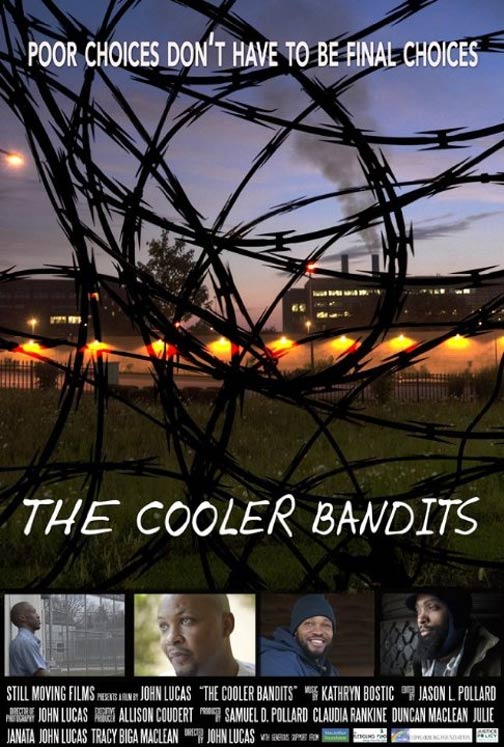
Playing at the Harlem International Film Festival in New York, which begins today is the documentary The Cooler Bandits.
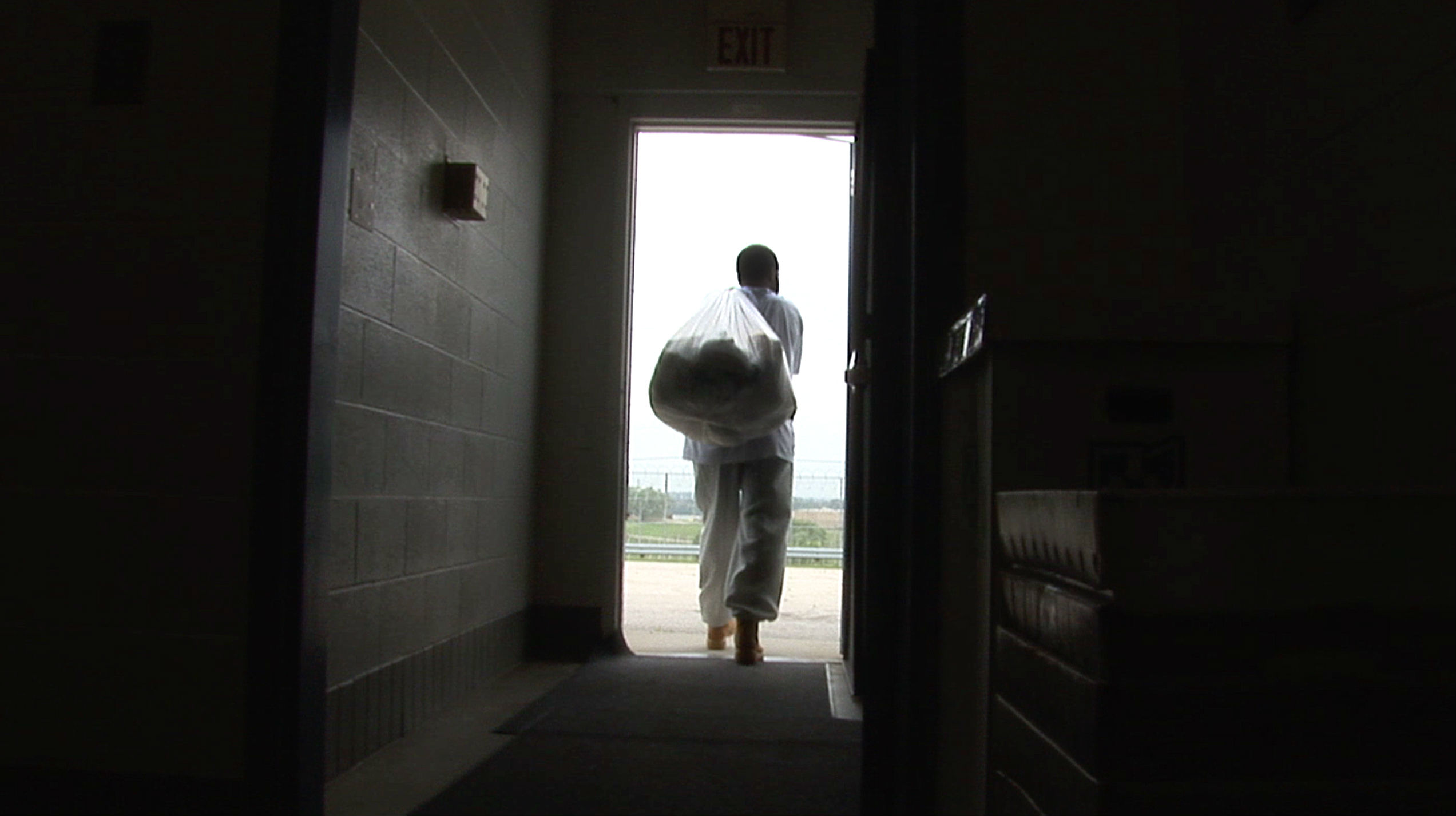
Directed by John Lucas, The Cooler Bandits is a feature length documentary film which follows the lives of Charlie Kelly, Donovan Harris, Richard “Poochie” Roderick and Frankie Porter, four friends in Akron, Ohio, who as teens in 1991 committed a series of restaurant robberies and received stiff sentences of up to 500 years in prison. Caught up in the wave of over sentencing, mass incarceration and a system designed to brand criminals felons for life this film documents these men in their respective stages of incarceration as they fight to maintain relationships with family and friends, and reintegrate into society after spending their adult lives incarcerated.
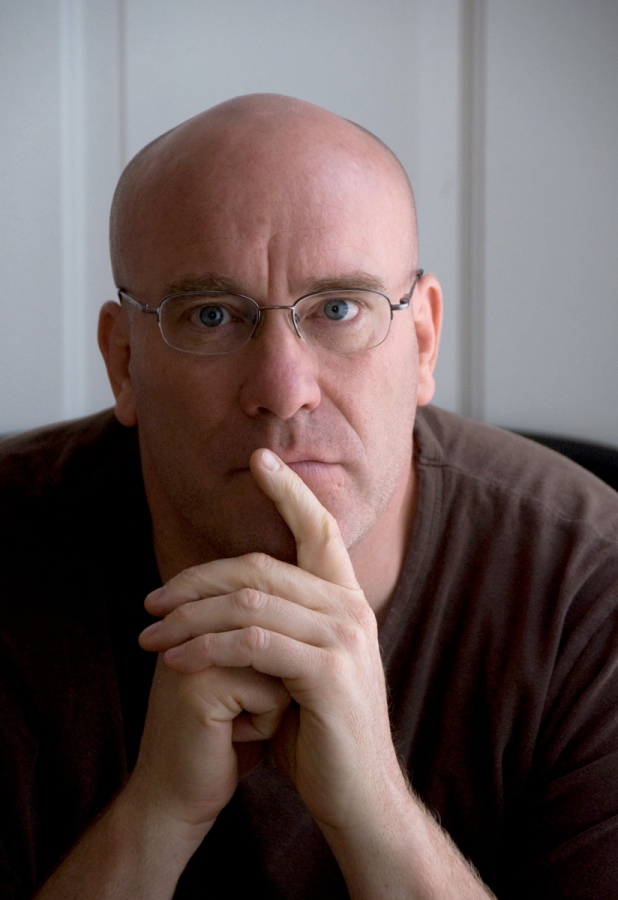
Blackfilm.com spoke with director John Lucas, who works primarily as a photographer, as he spoke about his reasons for putting this film together.
What was the attraction to doing this?
John Lucas: I knew the guys. I have known them since the mid 80s. I have seen how their lives have turned out over the years and the system of mass incarceration and the over-sentencing. I was frustrated by the system and they weren’t the guys I knew and I thought why not use the tools I have. I feel I’m a documentarian in my photography so it just seemed like natural progression to tell the story that I would normally do with still images.
Lately, we’ve heard or seen stories of those who were wrongly accused of a crime and did time until evidence was found, years later, that proved their innocence. With these guys, they actually committed the crime, did lots of years and for some, were released. Are you looking to show that convicted felons can be redeemed?

JL: Yes, but I just wanted to show the friendship of the guys. I thought that was the most important thing. I also felt that there are a lot of prison documentaries and most of them tend to be paternal films about talking heads and experts and the guys are almost seen as props to get someone’s agenda across and I wasn’t interested in that. I think the story is the most important thing. It’s their friendship. Sure, America fears the black male body and sees them as a threat. The film isn’t filmed with innocent people. There are innocent people but there are people who have done wrong things and where I grew up, if you did the crime, you did the time. Everyone is looking for the guy who did 40 years in prison and then he’s found innocent through the Innocence Project. Here are guys who actually have done the crime and they are guilty. They never made excuses for what they did and I didn’t want to make that movie. It was about the friendship. Each guy is very different from the other and why not just show that.
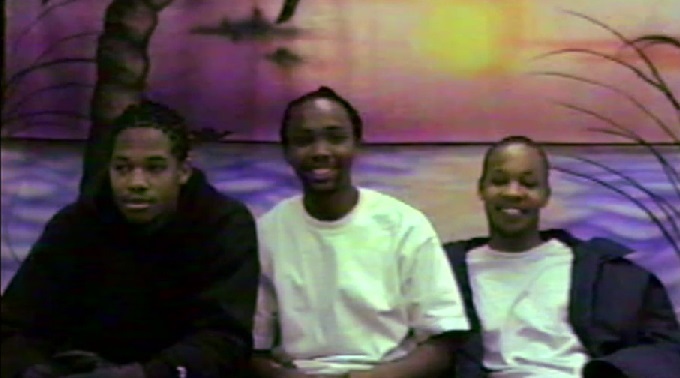
The film is focused on four of the ‘Cooler Bandits’ but there weren’t there more members in the group?
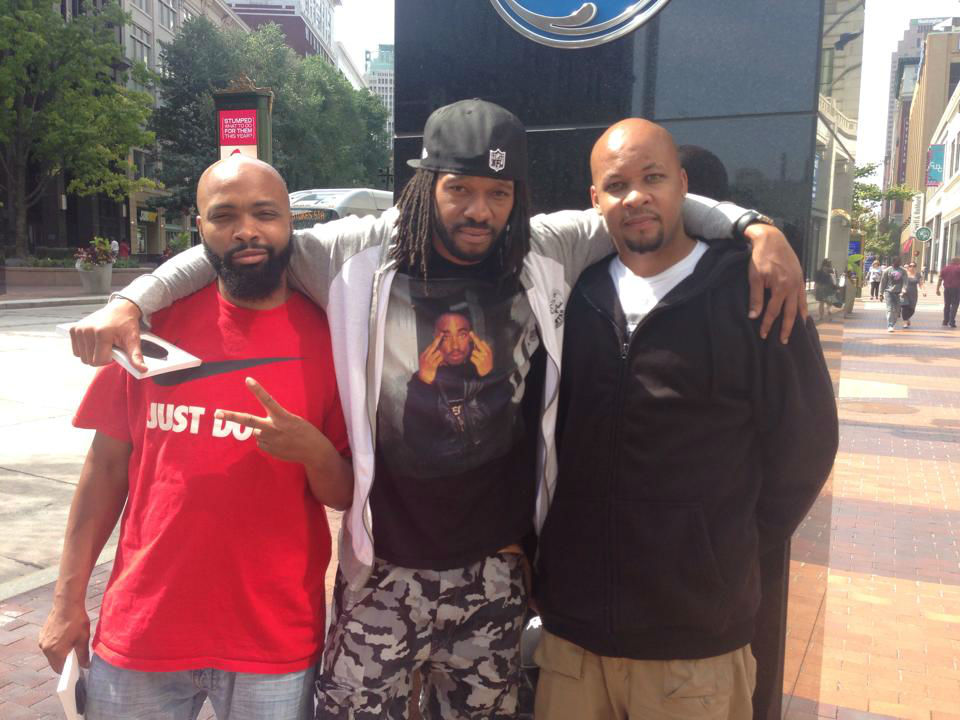
JL: There were several but Frankie Porter was the ringleader and was given the biggest sentence, but I knew Charlie Kelly, Donovan Harris, and Richard “Poochie” Roderick since the late 80s. I didn’t know the other guys. I met Frankie and his family while making the film.
Why not mention the other guys or the total number of the group?
JL: I didn’t know the guys and what was important to me was the friendship between the three that I knew. That was the story for me. It’s not a story about mass incarceration or over-sentencing. I wanted to make a film that’s really about friendship. If you think of Clare Denis’ 35 Shots of Rum or Charles Barnett’s To Sleep With Anger and other films about race, and that other stuff about race and justice. It’s all there but people just want to go on and live their lives and I think it makes that stuff more powerful. These guys are more than just felons. They are people and that’s what was important to me. If you can bring that across and peel away those layers of statistics and bring forth in the film the humanity where others start to think that there are others who may be like this.
How many years did it take you to put this together?
JL: I started shooting in 2007 and we completed it in 2013. There were things I missed. This was a hard sell. Financing was difficult. I started editing within 2013-2014.
Besides financing, what else was challenging as you put this together?
JL: All along I wanted to tell the story about these guys and their friendship and I had to fight people who wanted to give me money. I had to explain to others who wanted to know “Why should we care about these guys?” and those who wanted to be in the film because they’re experts of certain fields. To me, those films have been made and I wasn’t interested in that. I knew that if I could make a certain type of film, financing would be easier. (Civil Rights advocate) Michelle Alexander is great and we interviewed her for the film, but we had her as a consultant. The more big names you have, the less these guys become the focus and I care about these guys for that not to happen.
Once the film has had its run, whether through festivals or theaters, where do you go from here?
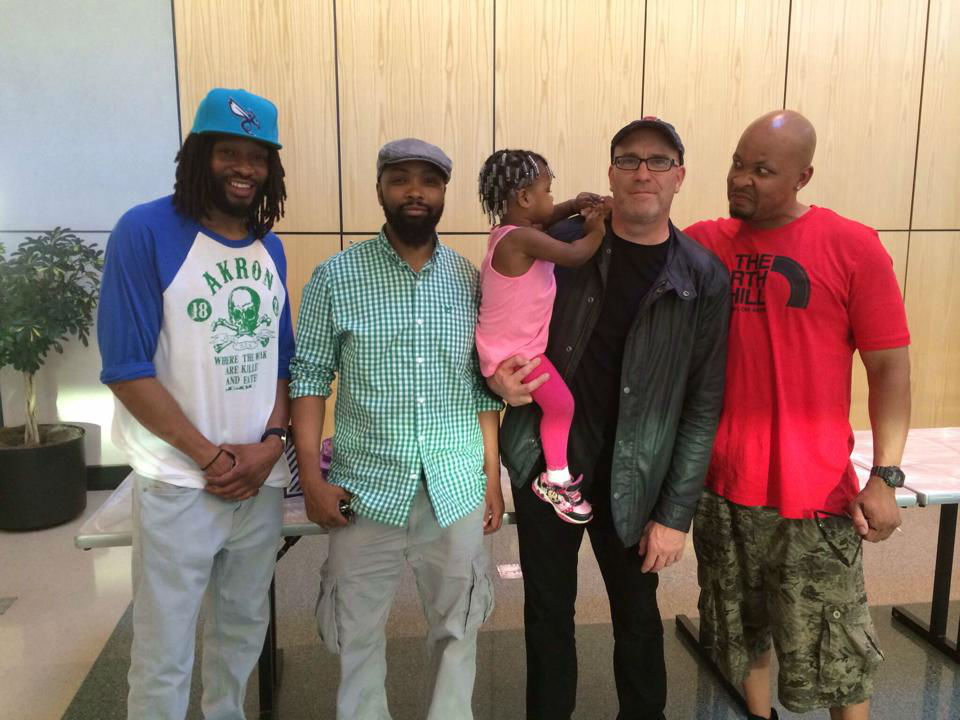
JL: We’ve started taking the film to prisons. Charlie, Donovan and Poochie are going back and sharing their stories and we’re doing Q & As at different prisons in Ohio. Myself, I’m working on a series of short films with my wife, Claudia Rankine, who is a poet.
What’s a good reason to see ‘Cooler Bandits’?
JL: To get a different look at incarcerated individuals. It’s a fine line between people on either side. It’s a rich story about friendship that has persevered and grown over the years and the guys are still there for each other.