DOC NYC 2018 Exclusive: Director Olivia Lichtenstein On Making The Doc ‘Teddy Pendergrass: If You Don’t Know Me’Posted by Wilson Morales
November 16, 2018

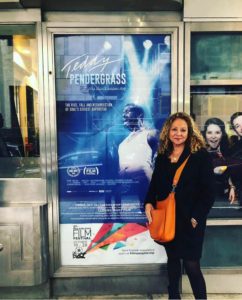
Making its New York Premiere at the 2018 DOC NYC recently and set to premiere next year on Showtime and the BBC was ‘Teddy Pendergrass: If You Don’t Know Me’ by director Olivia Lichtenstein.
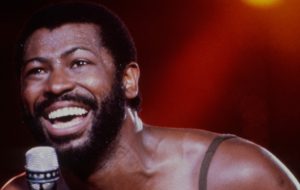
The unforgettable voice behind “Don’t Leave Me This Way,” “Close the Door” and “If You Don’t Know Me By Now,” Teddy Pendergrass was poised to be the biggest R&B artist of all time with five consecutive platinum albums. But his career was halted by a 1982 car accident that left him paralyzed at age 31. This definitive biography, set to a soulful soundtrack, captures revealing interviews with his closest associates to trace his rise, fall and post-accident comeback at Live Aid.
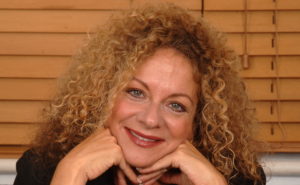
Lichtenstein is an award-winning documentary filmmaker who had a distinguished career at BBC Television before becoming a freelance documentary and drama producer/director and journalist.
In speaking exclusively with Blackfilm.com, Lichtenstein talks about talking with Pendergrass’ family and friends and putting his life on display for the world to know who he was.
How did this project come about for you?
Olivia Lichtenstein: Well, I was watching a film about Shep Gordon called Supermensch. I’ve always been a fan of soul music, and I grew up listening to it. There was a short segment in the film which was about Teddy, and I suddenly realized I haven’t really known Teddy’s story, and I just got this very strong sense that it was a story that I needed to tell. I got in contact with Shep and said I don’t think people remember Teddy Pendergrass as well as they ought to, and I really want to make a film about him. And so Shep said, “Okay, well, let me help you,” and he introduced me to the family, and that’s how it started.
Were they very receptive in giving you all the footage that they had to put the story together?
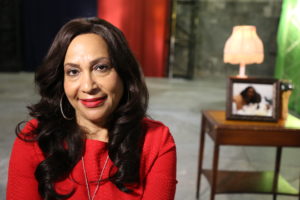
Olivia Lichtenstein: They were. They were fantastic. I met his mother Ida, his first wife Karen, the kids, and then I also met Joan Pendergrass, his widow. Everybody was really supportive and helpful and shared their memories. It was a kind of great journey, and then I met more and more people who had known him and worked with him and found out it was a much more complex story than I had at first envisaged. Something almost kind of Shakespearean about it really, his whole rise and then the terrible accident and then his triumph over adversity and the way that he dealt with that.
How long did it take for you to put this film together?
Olivia Lichtenstein: I think from the time that I think I first made that phone call to Shep in, I think it was probably about May 2015. Since then really, so I guess over three years.
Did you have a format as to how you were going to put it together? With other documentaries, we see a cradle to the grave format and so forth. What was going to be the main highlight for you?
Olivia Lichtenstein: Well, I think very much I thought I didn’t want to do it as a sort of completely straightforward chronological biography. There were certain key points in his life that were obviously very important and that they needed to emerge. The more I got into it, the more I felt that it sort of fell into three acts, which was the rise, the fall, and the resurrection, really. I tend to do an awful lot of research and talk to an awful lot of people, interview a lot of people, and then really look at all the material and absorb it and let it kind of tell me what it needs to be. That’s sort of my process, really, and it kind of became clear to me that I couldn’t tell the whole story of his whole life because I wouldn’t have been able to do justice to it, but I needed to really focus on this part and the way he dealt with the accident and the way that he got back on stage and found his voice again.
You can’t squeeze everything into a documentary. What was the hardest part to leave out?
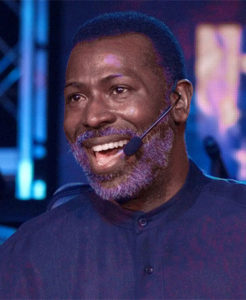
Olivia Lichtenstein: Well, I mean, obviously Teddy had a very rich and full life after Live Aid because he lived for another 25 years. But I felt that it was very important to do justice to that earlier part of the story. I didn’t want it just to become a list of and then and then and then. But he did do an awful lot. He recorded another six albums. Four of them went gold. He got his high school certificate. He went on tour again. He celebrated 25 years since his accident at a special event called Teddy 25. He was very kind of productive, but in terms of the story, you have to decide what story you’re telling, and you have to do your very best to tell that the best way possible. That was my ambition.
Why hasn’t there been a story like this before? Is it because the family had not been approached, or the right approach wasn’t given? What do you think made Teddy fascinating to make the story?
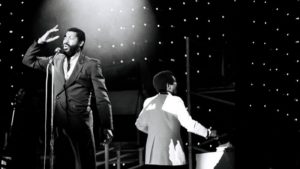
Olivia Lichtenstein: I think that I’m surprised in a way it hasn’t been done before because it is such an incredibly rich story, and I think that one of my motivations for making it, as I said, was because I felt that he wasn’t, isn’t as well remembered as well as he should be given his talent and what he did. He had been a little been forgotten. I mean, lots of people have never forgotten Teddy Pendergrass, but he deserves his place up there with the greats, because he really is one of them. I don’t know why no one else had done it, really, because it’s an incredible story. I’m just pleased that I was the one who was able to do it.
What are the plans for the movie in terms of theatrical release? Are we getting it this year, next year?
Olivia Lichtenstein: We’re hoping there will be a limited theatrical release at the beginning of next year, then it will be on Showtime in the United States. There’ll be a theatrical release in the UK also in January, February next year. Then it will also play on Sky Art and BBC at some later point.
As you were doing your research and talking to different people, which one fascinated you more as you were hearing more about Teddy?

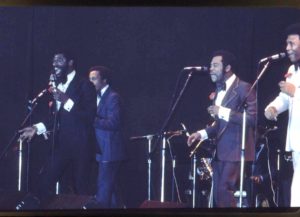
Olivia Lichtenstein: I think it would be invidious to think about one particular person because I met so many incredible people who have such great stories to tell, and actually who all told them so well. I very much enjoyed talking to both Lloyd Parks and Jerry Cummings, who were Blue Notes when he was with Harold Melvin and the Blue Notes. They had really fantastic, rich stories. But you know what? Just talking to all of his family and his band mates and getting a sense of him and piecing together the jigsaw puzzle, I think every contribution had enormous value.
Now as a fan, is there any particular song that stood out for you?
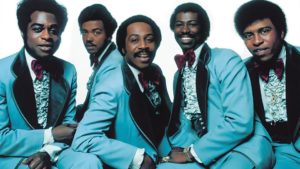
Olivia Lichtenstein: Well, I love the Harold Melvin and the Blue Notes songs. I love the songs from that period, and there are a couple that I couldn’t include which I really wanted to, like Bad Luck and Satisfaction Guaranteed. But I also, the Love I Lost is fantastic. Obviously Don’t Leave Me This Way and If You Don’t Know Me By Now. But I also, from his solo career very much like, I adore Love TKO. I love the performances that he did also of Lady and All By Myself. I just think they’re spectacular.
What’s next for you?
Olivia Lichtenstein: Well, this is consuming me at the moment. There’s such a lot to do at this stage, actually. Most of my career I’ve been doing television, which is a very different kind of model because you make your film, you deliver it, and that’s the end of it. Obviously with a theatrical film, the life of it is very different, so it’s been quite all-consuming. But I have got a couple of other ideas that are bubbling away. I kind of never like to talk about them until they feel like more of a reality.
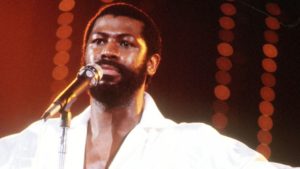
Teddy Pendergrass singing Lady