
Exclusive: Ato Essandoh Talks HBO’s VinylPosted by Wilson Morales
March 31, 2016

Currently airing on Sunday nights on HBO is the music drama series “Vinyl,” created by Mick Jagger, Martin Scorsese, Rich Cohen and Terence Winter.
The 10-episode drama series is set in 1970s New York. “Vinyl” is a ride through the sex- and drug-addled music business at the dawn of punk, disco, and hip-hop.
Richie Finestra (played by Bobby Cannavale), the founder and president of American Century Records, is trying to save his company and soul without destroying everyone in his path. With his passion for music and discovering talent gone by the wayside, and American Century on the precipice of being sold, he has a life-altering event that reignites his love of music, but severely damages his personal life.

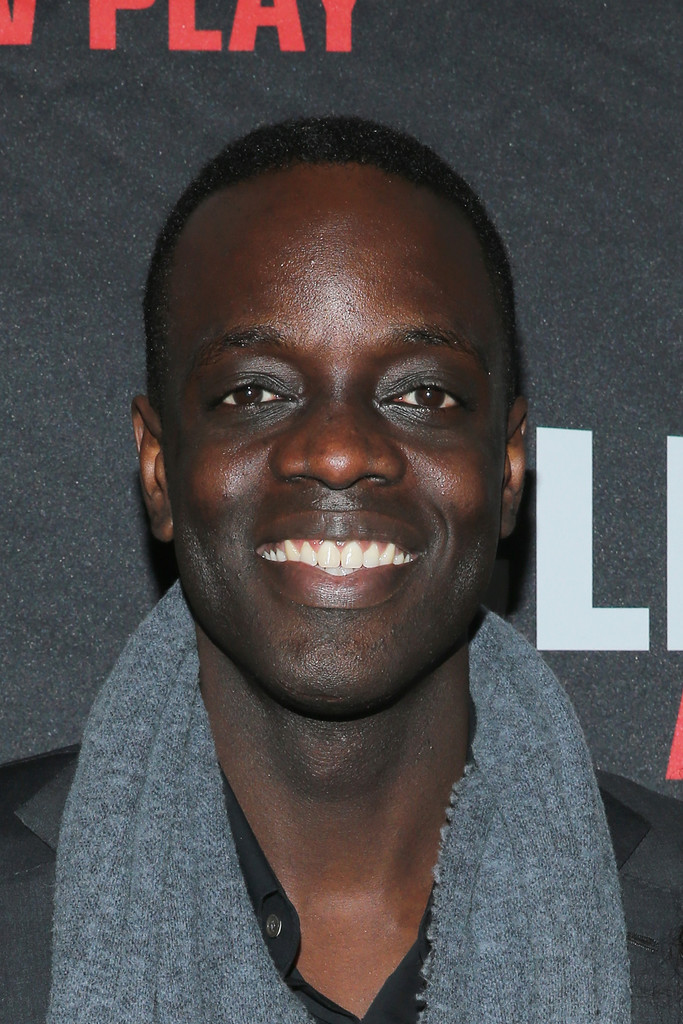
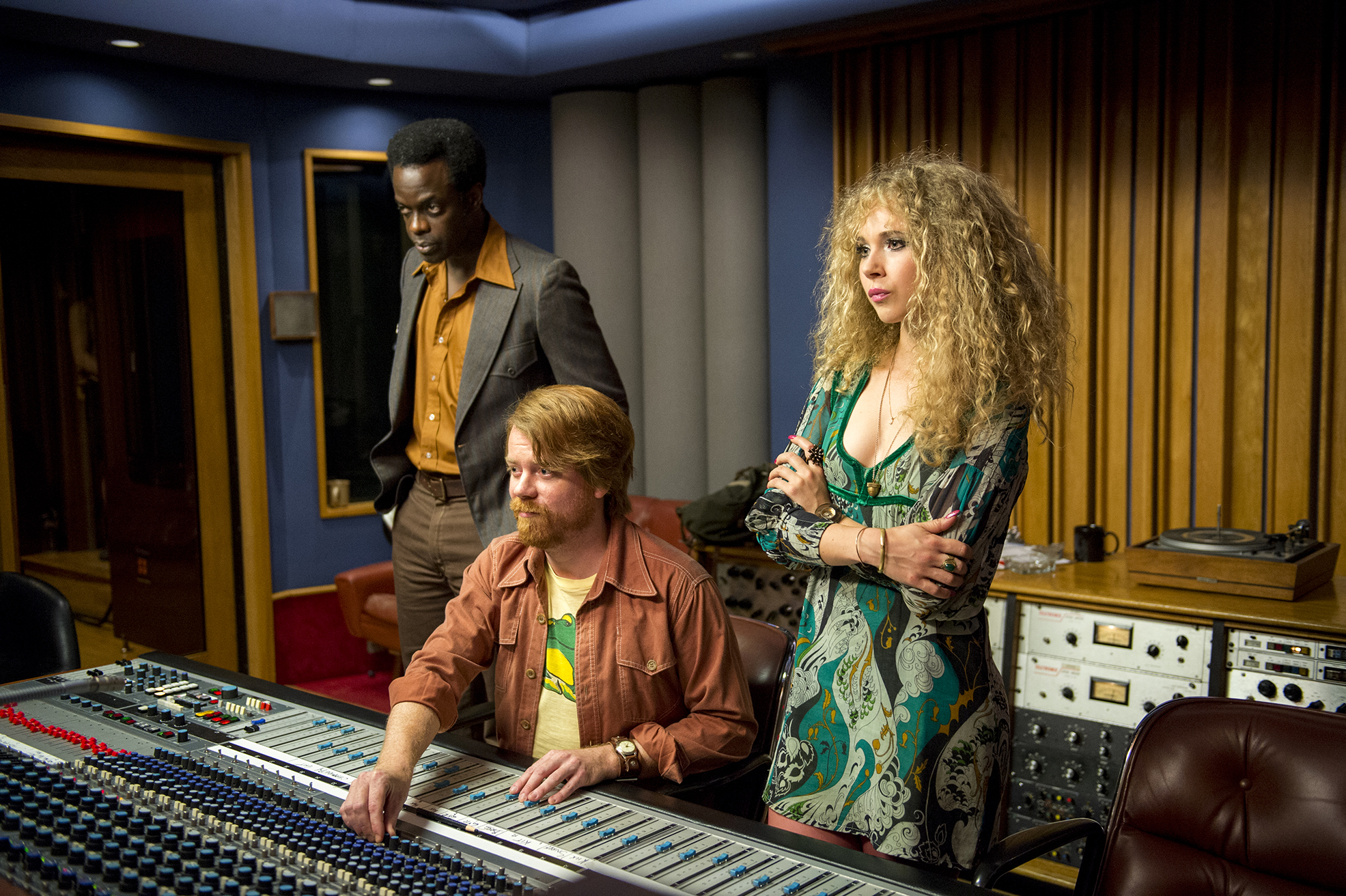
Among the many actors appearing in the series, Ato Essandoh plays Lester Grimes, who is described as someone once possessing a powerful singing voice along with virtuoso guitar skills. Richie first signed Lester in the early 1960’s. Having parted ways due to a business disagreement, a chance encounter in the South Bronx reignites their decade old feud. Now Lester is back managing a new band that Ritchie recently signed and making sure they don’t get screwed in the same manner he was.
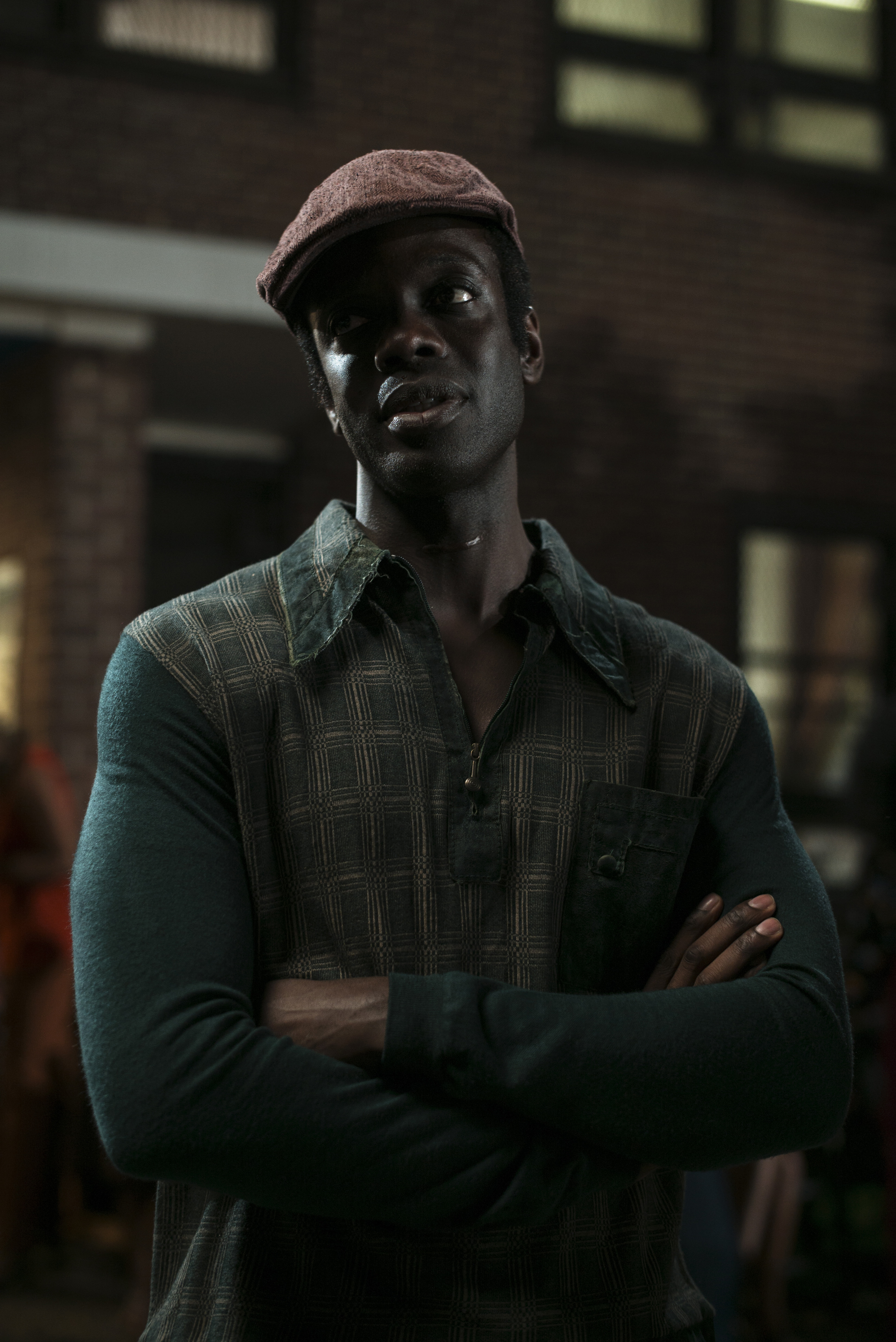
For Essandoh, who’s appeared in many TV programs such as HBO’s “Girls” and CBS’ “Blue Bloods” and “Elementary” along with films that include the upcoming “Jason Bourne,” the Schenectady, New York native continues to impress the powers-that-be with each scene stealing performance.
Blackfilm.com recently spoke with the Cornell engineering grad about his work in “Vinyl” and his love for the craft.
How would you best describe Lester?
Ato Essandoh: Lester is a consummate pure blues musician who loves music and that’s all he knows.
How good of a musician are you compared to Lester?
Ato Essandoh: Me, personally, I’m not as good as Lester is. I am a guitarist.
Did you have to have any musical skills prior to taking on the role?
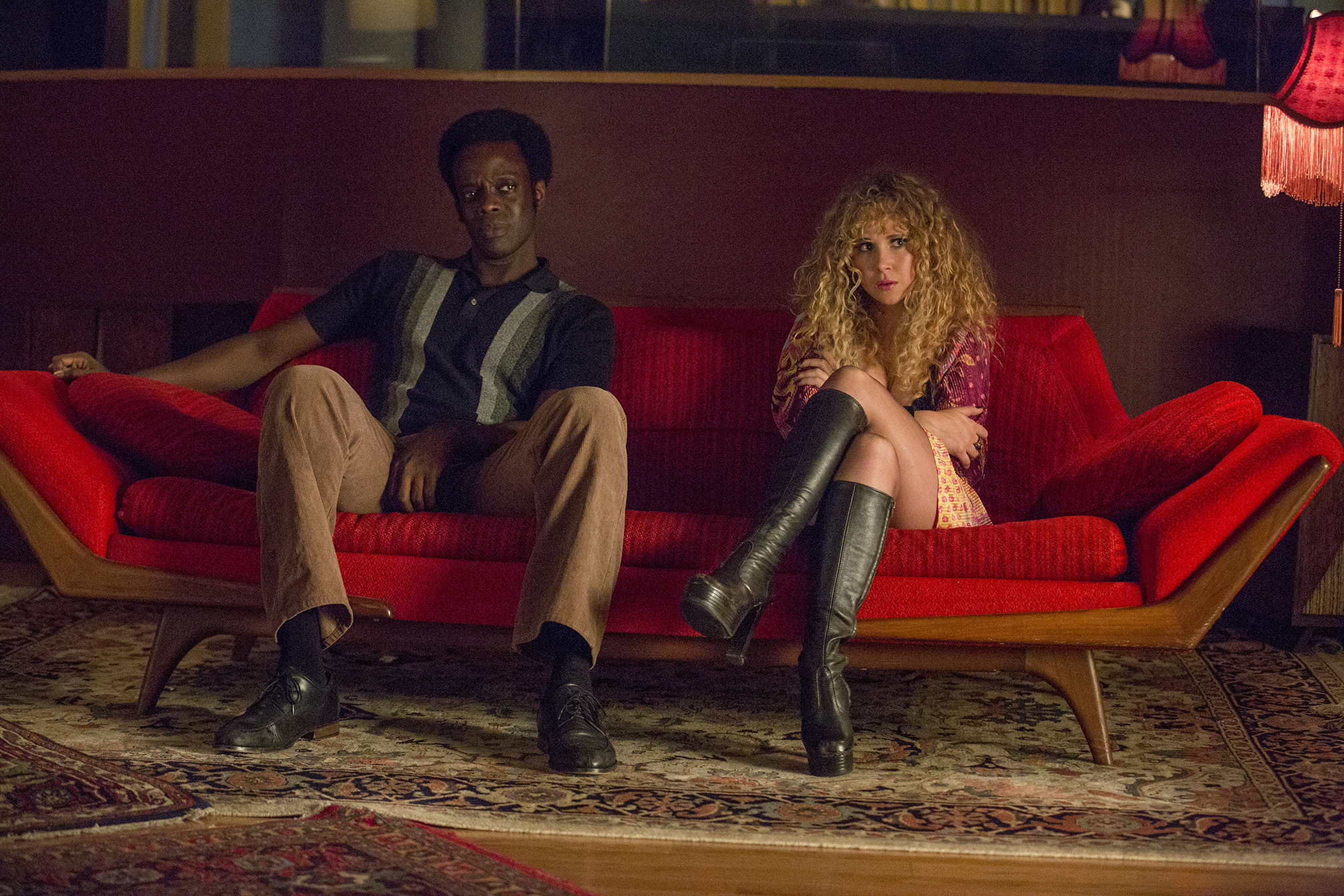
Ato Essandoh: It’s funny, they didn’t ask me. I think they because there was such a flux when in the early days of developing the story that as they were looking for the actor to fill in Lester they were going back and forth of how much a blues man he was going to be. There was a point where he wasn’t even going to play the guitar and I play a little guitar, I can hang. When I got the role I got worried because I am not a singer. I can hold a tune and I can play pretty good guitar, but I think that would be helpful in the storytelling. They said, “Ty Taylor is going to be singing, Ty Taylor from Vintage Trouble will be the voice of Lester singing so you will have to sing, but you will have to sing along with his track.” I said, “Hey, I play the guitar,” and they were kind of like, “Okay, whatever.”
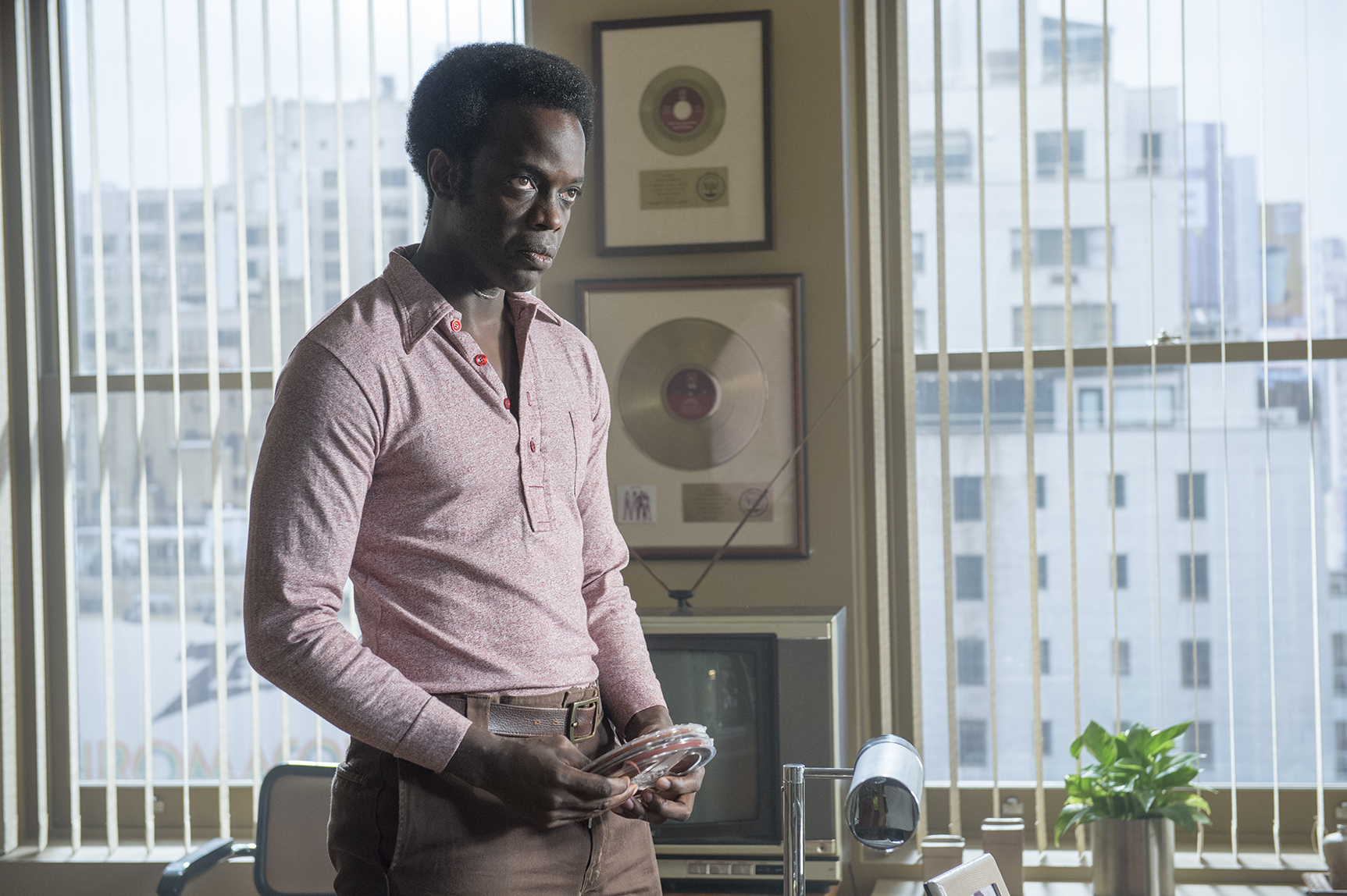
I pulled out my iPad and recorded myself singing and playing along with the music, and that’s when they figured out I could play the guitar, so they threw the guitar in, which I think is much better for the story, for Lester to be a consummate blues musician, which is what I think the original intent was. It tells the story better because at the crux of the whole series is Bobby Cannavale’s character, Richie, deciding to go into the music business. He decides to go into the music business because he discovers Lester and he discovers Lester as somebody that he could make into the next Sam Cooke or whoever. If the actor playing Lester can’t pull that off, then the whole series or at least the crux of the series doesn’t make sense.
I’m glad I pulled it off because I’ve got actual musicians now calling me and saying, “Hey, want to sit in for a set?” Which is why I went down recently to South by Southwest tomorrow to play with some people on stage, it’s a band called Miss Velvet. I’m good enough of a musician to stand on stage next to real musicians, and you give me some movie effects and I’m going to be able to act the best I can I the role that you give me.

That being said, how much of the music from the 70’s were you a fan of? Was this all new to you?
Ato Essandoh: None of it was new to me because I grew up listening to blues. I’m also a huge Hendrix fan, I also listened to a lot of the music of that era. I also listened to a lot of the Stones, in that genre of music, a lot of Stones, I’m a big Led Zeppelin fan. All that stuff I had already been listening to on top of a lot of R&B and soul and James Brown. None of it was new to me. The 70’s, the only music that I didn’t really listen to was stuff that I’m discovering now because of the show like the New York Dolls and any of that glam stuff. I didn’t really listen to Velvet Underground, but now I am. It’s introduced me to a lot of music that I wasn’t familiar with. The particular music that Lester would have known, or I assume enjoyed or tried to emulate, I knew all of that stuff. Chuck Berry I used to listen to since I was probably 10-11 years old.
How’s working with Bobby Cannavale?
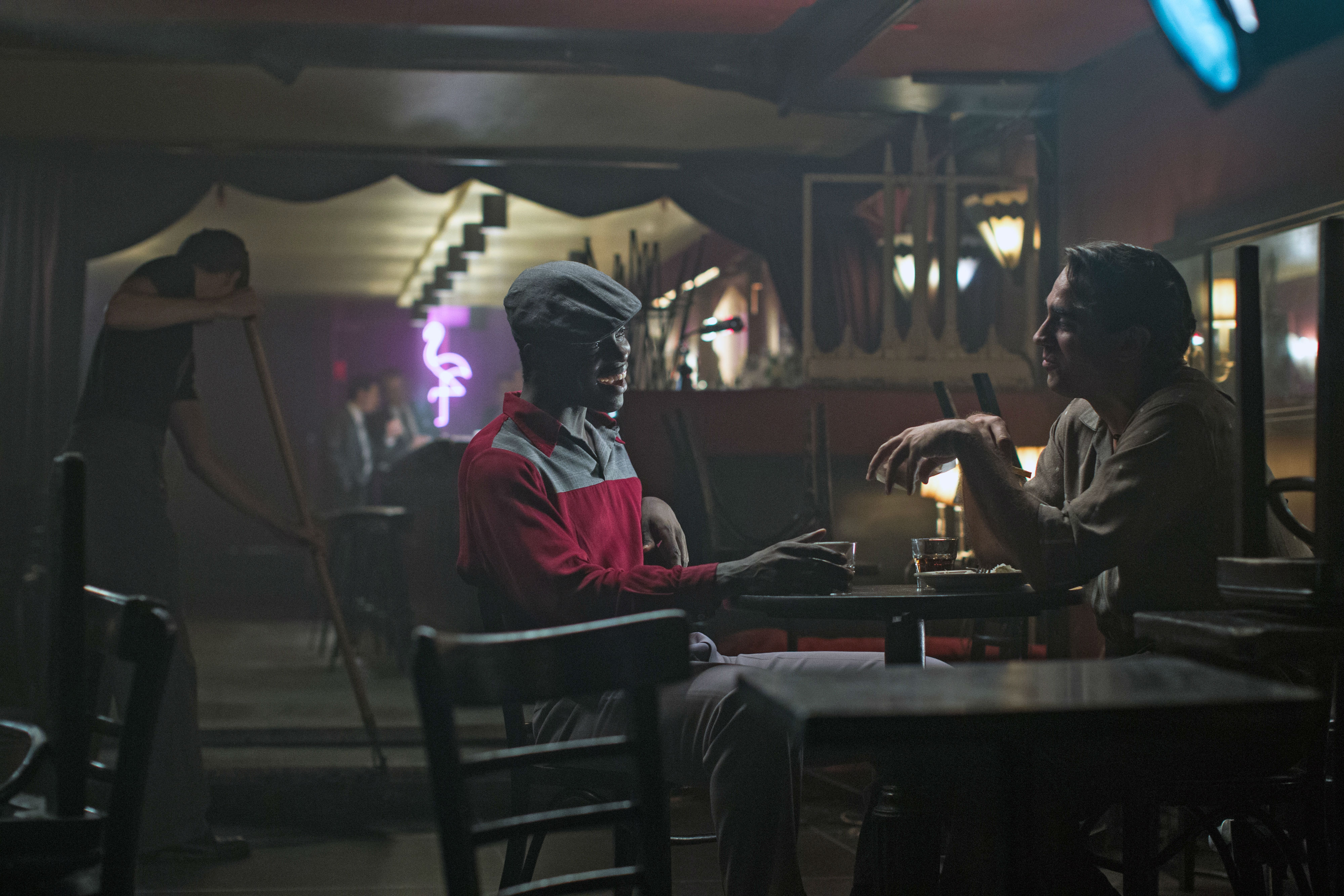
Ato Essandoh: First of all, Bobby, and I know I’m supposed to say this because it’s politically correct to say, but I really, truly mean it. Cannavale is an absolute fantastic actor and a complete professional. He’s got the burden of the show. He’s in just about every scene and he brings an intensity to things that is really a pleasure to be able to work with. That said, being in that environment I think it induces good acting and good storytelling. You want to come up to his level at least so you can help tell the story. You don’t want to be the dude whose the weak link in the thing. Bobby’s always is coming with fire no matter what.
What’s it like being on this series set in the 70s?
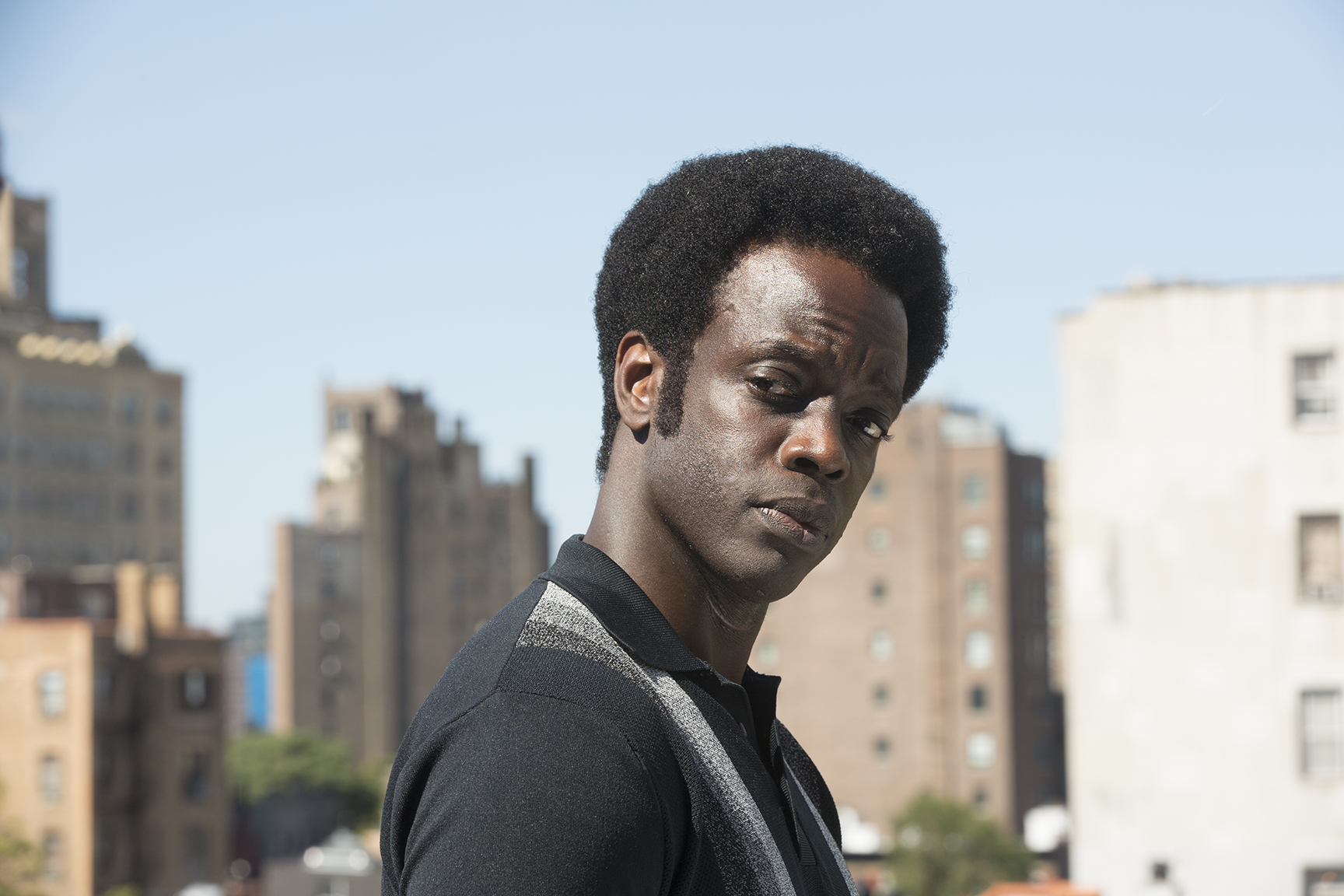
Ato Essandoh: It’s cool. All that kind of storytelling to me is awesome to be a part of something like that is a great honor, and it’s also a great challenge. What I was worried about was, and the gift that I got in the Lester character is you get to see him prior to the fall, you get to see the fall, and then you get to see what happens to him after. You get that entire character arc. That happens in the damn first episode. I have to bring to my acting what was Lester like when he was care free and just a musician, and now what was Lester like when his heart was broken. His heart gets broken by his best friend, or at least somebody who is his friend. That’s acting gold, and I’m glad that they gave me the opportunity to be able to do it.
How does a guy with an engineering degree from Cornell get to be an actor and stick with it for a long time?
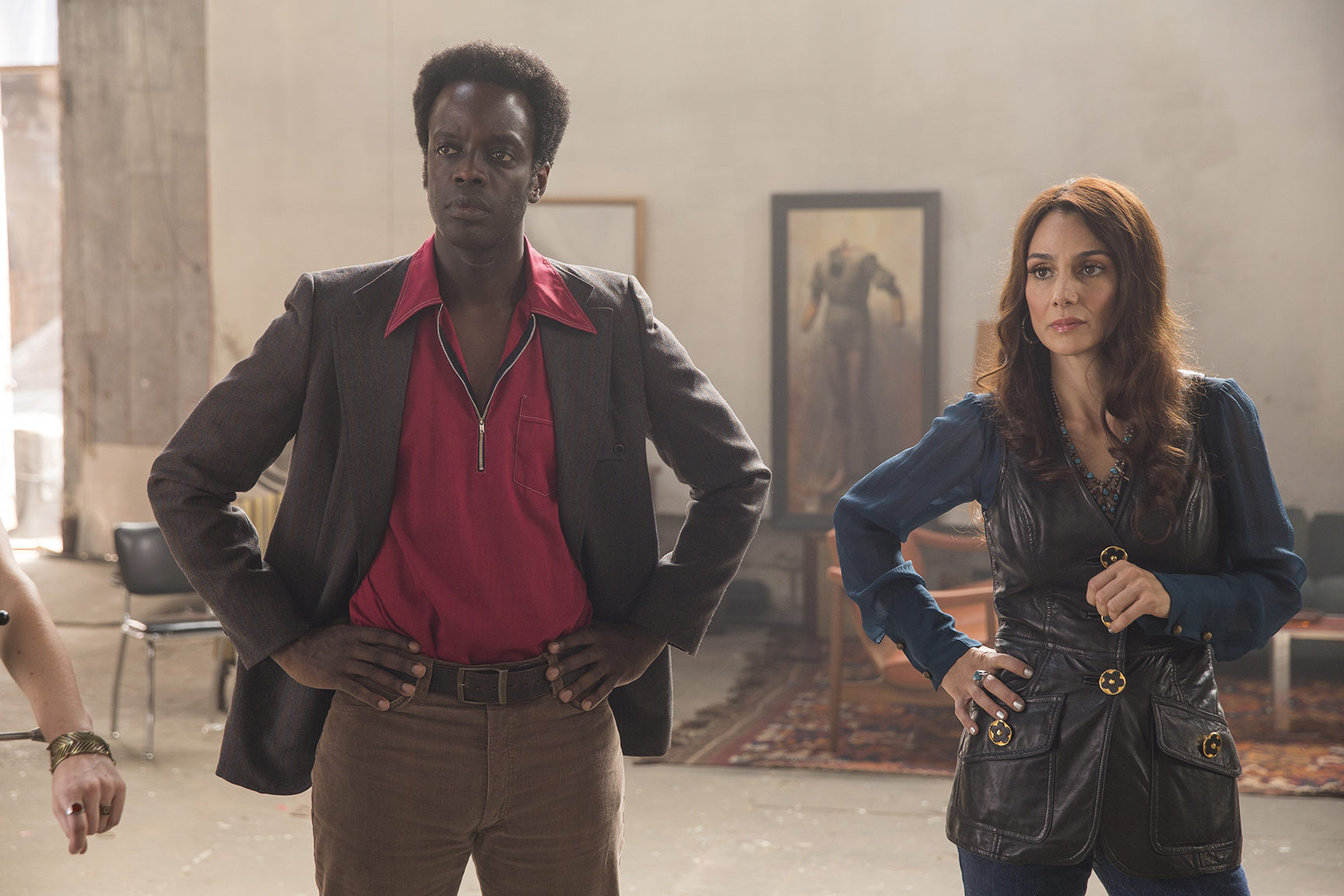
Ato Essandoh: I got there by my girlfriend at Cornell. I got a random call to do a play. I called her because I was like, “Nah, I’m not going to do this, it’s crazy.” She was like, “Yes you will.” She dared me to do it and that’s what changed me. It wasn’t like I did a play, it wasn’t like I did that play and suddenly I was like, “I want to be an actor.” It put the seed in my mind. Years later I wrote this mission statement saying, “What do I want to do with my life? Let me figure it out.”
I eventually got back from New York maybe a few years later and started taking acting classes. That’s when the hook sunk into me and I just decided that’s what I wanted to do. What I think that Cornell chemical engineering gave me was a work ethic. There’s one thing memorizing lines, there’s another thing trying to figure out how to build a separation power for figuring out where the Benzene, how to separate out Benzene from something. There was nothing really challenging to me about the logistics of acting, it was put your head down and go. I think that’s what Cornell gave me. Cornell was hard, anything after that is kind of easy.
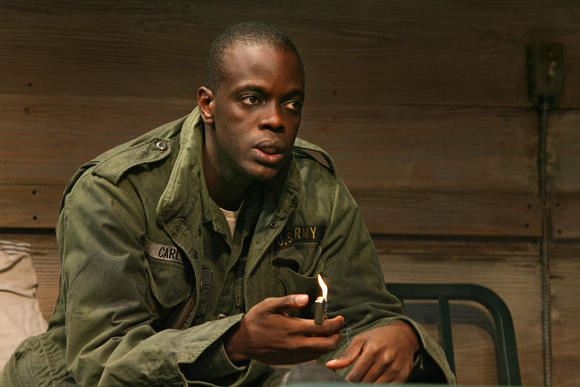
Since then you’ve done your share of TV, films, and theater. How rewarding is the theater work?
Ato Essandoh: I think the thing that was really helpful was writing theater, putting together theater, getting people to come and see the theater, going through that entire process which makes you feel stronger as an actor. You’re also writing and directing, that’s what I was doing with my buddy Joshua James for a number of years. That again thickens your skin and you start to understand the entire process of making, whether it’s theater or a TV show or a movie.
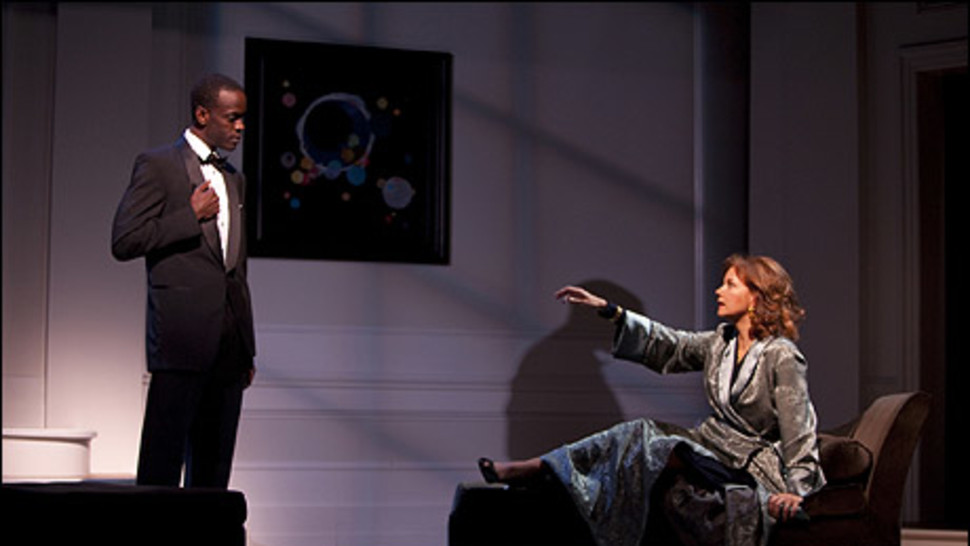
It made me realize that it’s not all about me as an actor, it’s about what I can contribute to the storytelling and that there’s a producer that’s trying to do her job and there’s the director that’s trying to do her job and there’s a writer that’s trying to do his job. If we’re all collaborating then we can make a good piece of theater, television, or film. If I’m coming in thinking about just myself then I’m not going to be a good collaborator. I think people recognize that professionally and they go, “Okay, he’s a pro, he knows what he’s doing, let’s bring him in because he’s not going to poison the well.” I think that goes a long way.
From your work from other shows, Blue Bloods, Elementary, obviously Vinyl, TV seems to be a good vehicle for you. How great has that been for you?
Ato Essandoh: I always say to people who ask me, up and coming actors, or actors who get into the business, that people who think you’re talented, they want to work with you, but there’s also the notion of a reputation. All those roles that you just mentioned like Elementary and Blue Bloods were supposed to be one-offs. I think Elementary was maybe could recurring, but it wasn’t positive. I think because of recommendations from other people who I had worked with, people were like, “You should write more for him.” I’m not saying this to pat myself on the back, but when you come with that kind of preparation and you already have a reputation from other people that have worked with you, then people want to work with you because you’re a pro and that’s what I would always say to any actors.
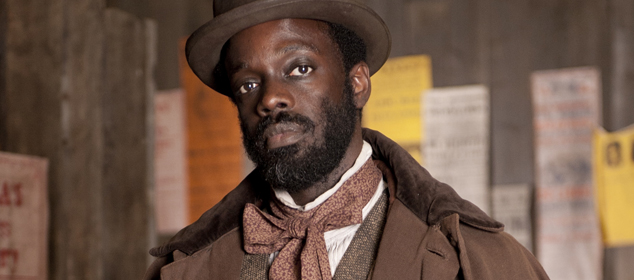
The basics about showing up on time and being prepared and all that stuff, you have no idea how far that goes. In fact, Blue Bloods is an example. Tom Kelly used to be one of the writers on Blue Bloods and when I was up for this show, Copper, that was my first series regular, when I was auditioning, unbenounced to me, Tom Kelly had seen my work in Blue Bloods and was going to have meetings with Tom Fontana who was doing Copper and saw me on the tape and was like, “Yo, that guy was in Blue Bloods, you should hire that guy.” Years later he tells me, he eventually came on as the show runner for the second season of Copper, but he was like, “You know that I put in a good word for you?” I was like, “Thank you, I didn’t even know that.” That was because you put in the work and you show up on time and you keep the dedication of being a professional and people notice that and they will always promote you.
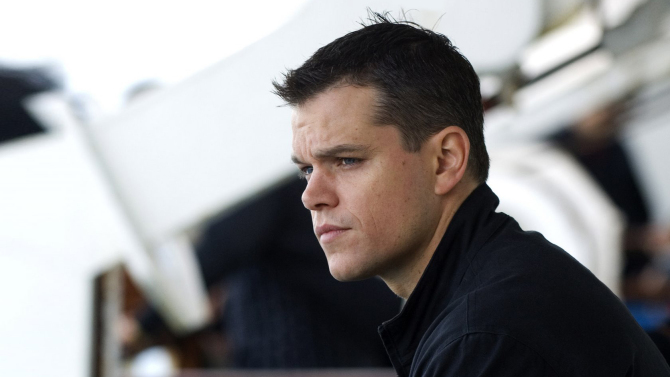
During the Super Bowl the trailer for the new Bourne came on and you were featured in it. If you can say, can you talk about working on that film or what your role could be?
Ato Essandoh: It’s a secret. What I can tell you is I’m a CIA operative that is looking for Jason Bourne, period. That’s all I can say. If I say anything else Jason Bourne’s going to come and try to kill me. We all know that he’s real good at that. I don’t want Matt Damon mad at me. It’s another one of those things that I can’t, as we bring up I was chemical engineer, how did I get to this point? I’m always thinking about that, how is it that I’m hanging out in Vegas or London shooting the Bourne movie, which is something that I watched a million times, all of the whole series, and suddenly I’m standing there alongside Matt Damon, Alicia Vikander, and Tommy Lee Jones, and how did I get there? I have no idea but it’s such a great experience that I’m still in wonder and in awe that this is a possibility. I’m having a great time. I don’t know what else to say about it. It’s just unbelievable.
You mention Alicia Vikander who won the Oscar this year along with her was Leonardo DiCaprio, who you have had the opportunity to work with twice. How exciting was it for you to see somebody you’ve worked with, have scenes with, finally get that recognition from the Academy?
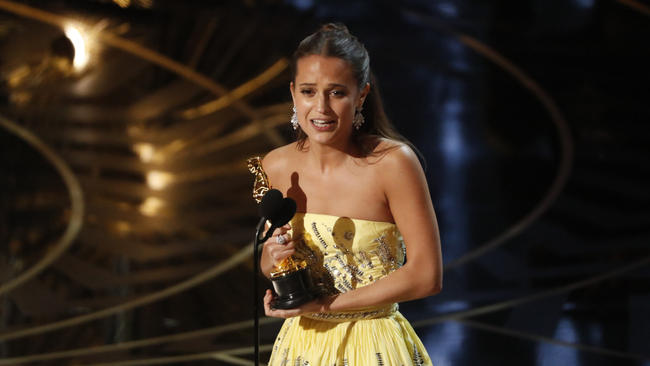
Ato Essandoh: It’s great. We got to know each other a little bit on set so it’s fun to watch Alicia go through that process. She’s a wonderful person, and she’s like me, she’s like, “I don’t know how this happened, suddenly I’m up for an Oscar and I’m up for a SAG award and a Golden Globe and I’m getting dressed here and putting on these dresses and going over there. It’s wonderful to see people going through it. You realize that we’re all the same, even Leo when I worked on Django with him, we had a little off line conversation about he came up as a young actor in L.A. his mom was driving him all over the place to go to auditions, he gets some parts here, parts there, suddenly he does Titanic and boom.
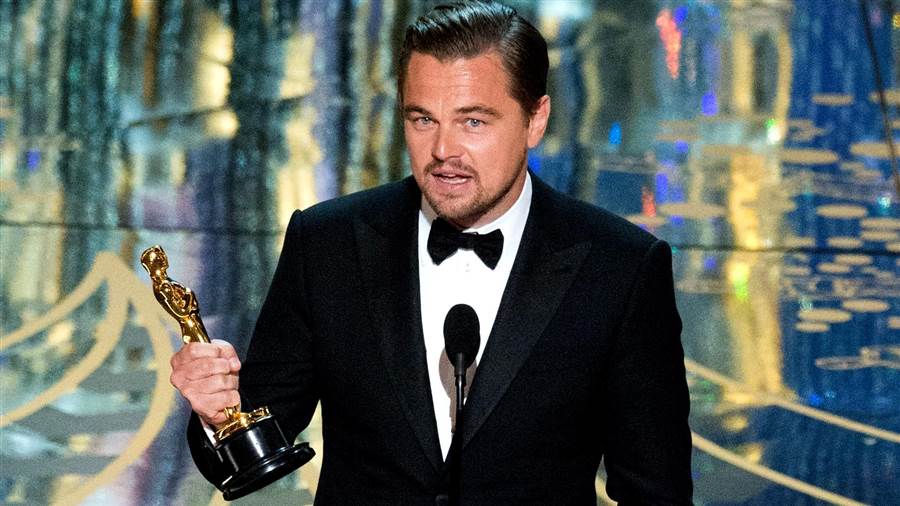
You realize talking to him he’s just a guy like you and me. He’s a fantastic actor and he deserves in my opinion all the accolades he gets because I’ve never seen him be bad in a movie. It’s amazing to see that kind of person, and you see them as a regular person and it’s important for people who are getting into this business as actors to realize we’re really all the same people and if you work hard you can possibly be here, you can possibly deserve to be here, but it’s about working and dedicating yourself to the craft in a way that you can go forward.
For those who haven’t started watching Vinyl, what’s a good reason to start watching it now?
Ato Essandoh: I don’t think this story has been told from the nation period of all the music that we listen to now. Music is something that is part and parcel to our existence and it’s really pertinent to our culture, and the kind of music that everybody listens to now. That’s the rock n roll to hip hop to everything that we listen to now was born in the time period of the story we’re telling. That story is being told by one of the greatest storytellers of all time, that’s Martin Scorsese and being ushered through by Terence Winter. I think from a perspective of watching a complex complicated story about the birth of the modern day music industry I think that any music head would love to watch the way we’re putting this together.