
Exclusive: Composer Dustin O’Halloran Talks About Scoring George Tillman Jr.’s The Hate U GivePosted by Wilson Morales
November 2, 2018

Currently playing in theaters nationwide is The Hate U Give, based on the critically acclaimed New York Times bestseller by Angela Thomas and directed by Directed by George Tillman Jr.(Soul Food, Men of Honor, Notorious)
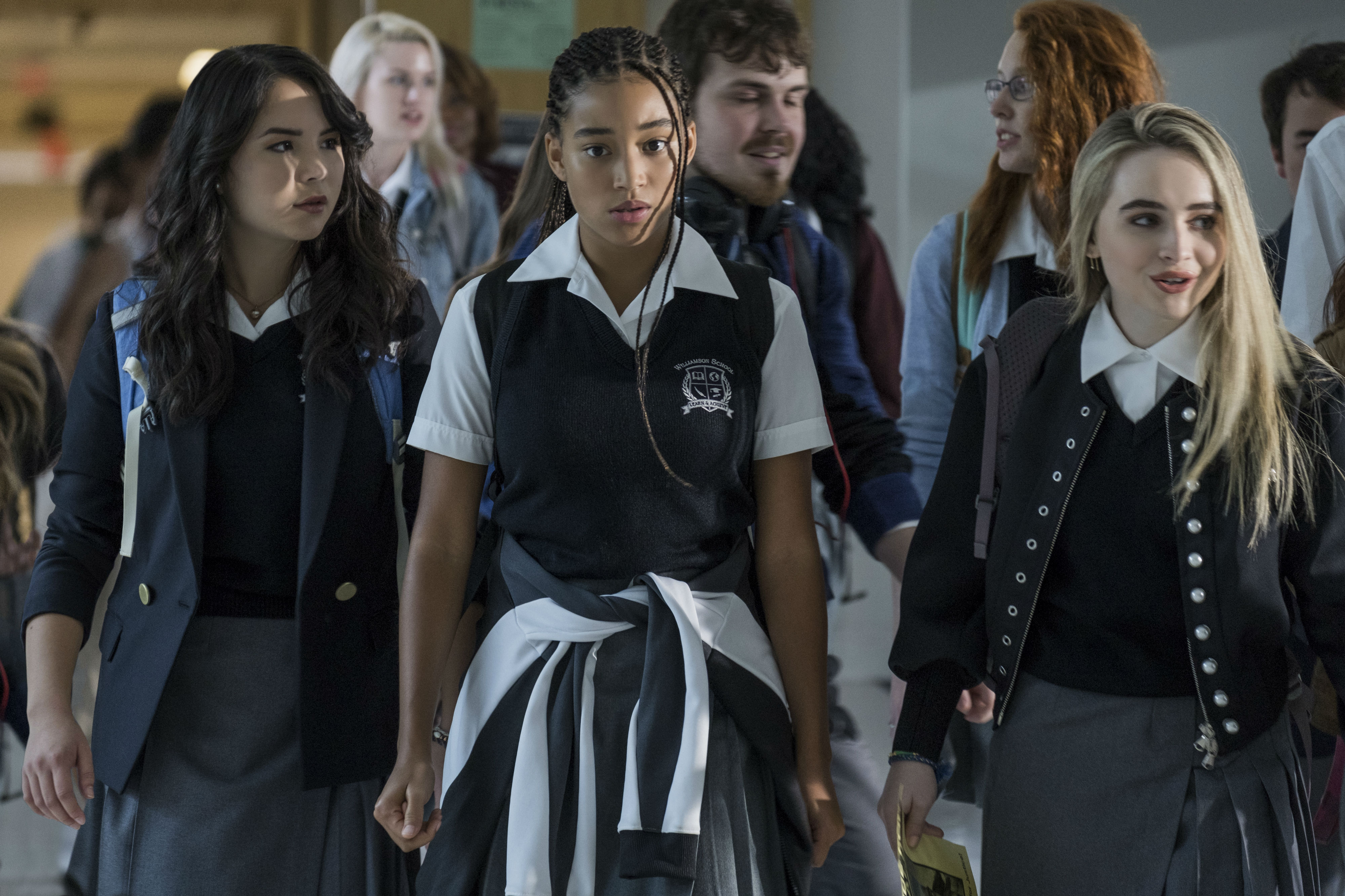
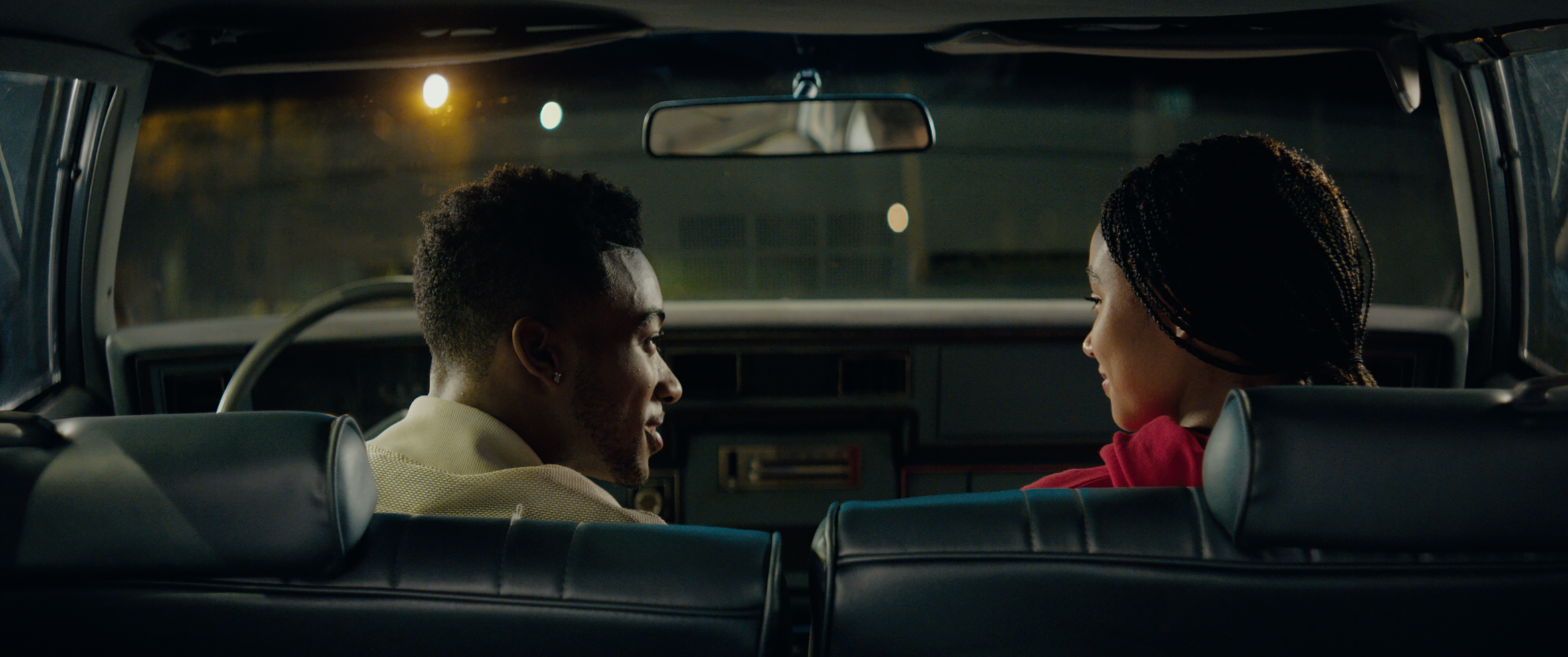
The Hate U Give is a timely, powerful and thought-provoking story of race and identity, told from the perspective of Starr Carter, played by Amandla Stenberg (The Hunger Games, As You Are). Starr is constantly switching between two worlds: the poor, mostly black, neighborhood where she lives and the rich, mostly white, prep school she attends. The uneasy balance between these worlds is shattered when Starr witnesses the fatal shooting of her childhood best friend Khalil at the hands of a police officer. What Starr does-or does not-say could upend her community. It could also endanger her life.

Written by by Tina Mabry and the late Audrey Wells, the film also stars Regina Hall, Russell Hornsby, Lamar Johnson, Algee Smith, Common, Issa Rae, Anthony Mackie, K.J. Apa, Dominique Fishburne, and Sabrina Carpenter.
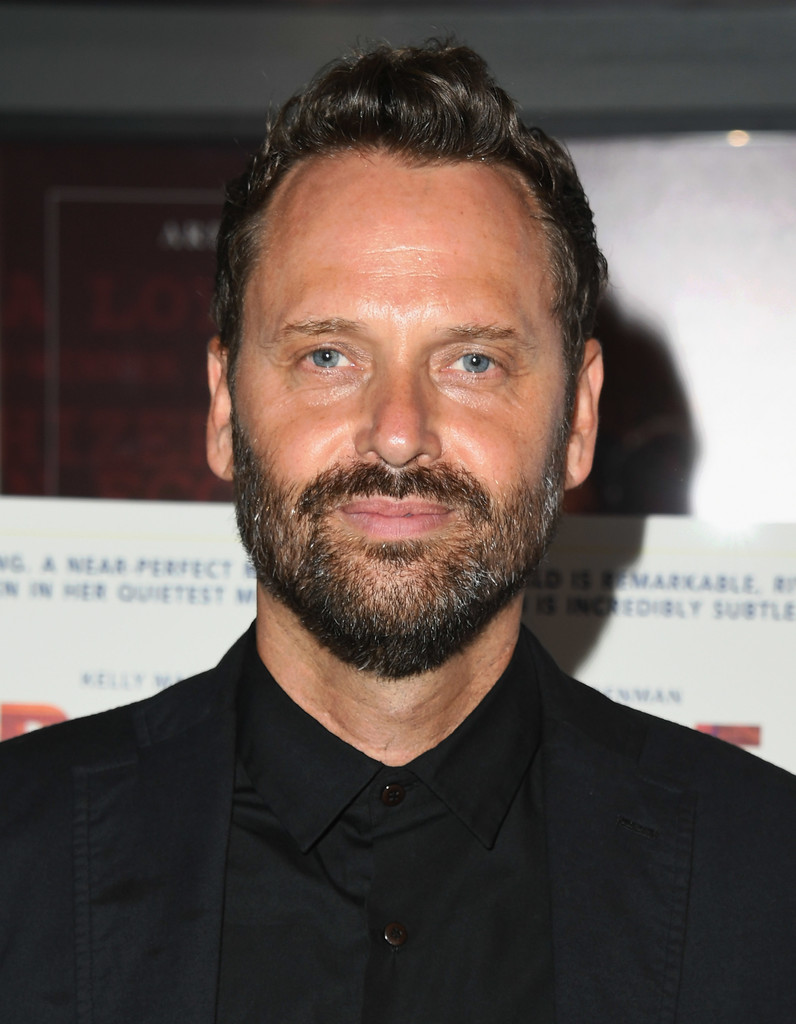
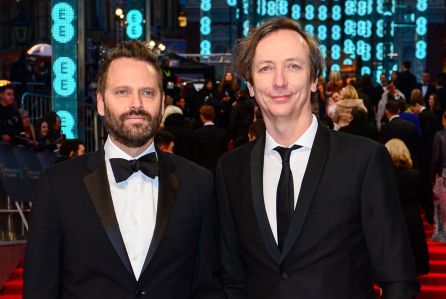
Composing the musical score for the film was Dustin O’Halloran, best known for his Academy Award-nominated music for Lion (co-scored by Hauschka) and his score for Amazon’s Transparent. Earlier this year he scored the music for Marc Turtletaub’s drama Puzzle, which premiered at this year’s Sundance Film Festival and hits theaters this past summer.
Blackfilm.com caught up with O’Halloran as he spoke about the creating the score for the film.
How did you get involved with the project?
Dustin O’Halloran: George had heard my score for Lion and I think he really appreciated that score.I think what he wanted was something that had an emotional honesty to it, and I think that mine resonated for him in that way. I think that he wanted with this film, that he didn’t want people to feel pushed into an emotion by the music, but just supported and pulled along. It was always about trying to find a really honest way to portray the story.
Once you got the Oscar nomination for Lion, I’m assuming you’ve got a lot of projects thrown at you. What made you say yes to George as opposed to the other offers?
Dustin O’Halloran: Well, after Lion, it was definitely a lot of projects coming in and out. For me, I realized that film work is such a big task to take on, and there’s so much work involved. I just put so much of myself into it that I just felt like the next project that I wanted to do needed to be very meaningful. I didn’t want to do a film that was just a film for entertainment. I think this film resonated with me because I felt like everyone was really passionate about the project, and it was something bigger than the film. And that was really meaningful to me, and I felt like, when you get involved in these kind of projects, you have a bit of air under your wings. You have a lot of energy.
I think that, for me, that was just important. That I had something that felt inspiring and something that I could really put myself into. Everybody that worked on this film was so passionate about it, and George was so passionate about it, and at the end of the day, that’s what you want, you working on a film.
Now, almost every scene has a lot of tension, from “the talk”, to the shooting, to the reactions from everybody and so forth. Every track on the score is different, so how was it creating each track and putting in something unique because the music speaks to the characters?
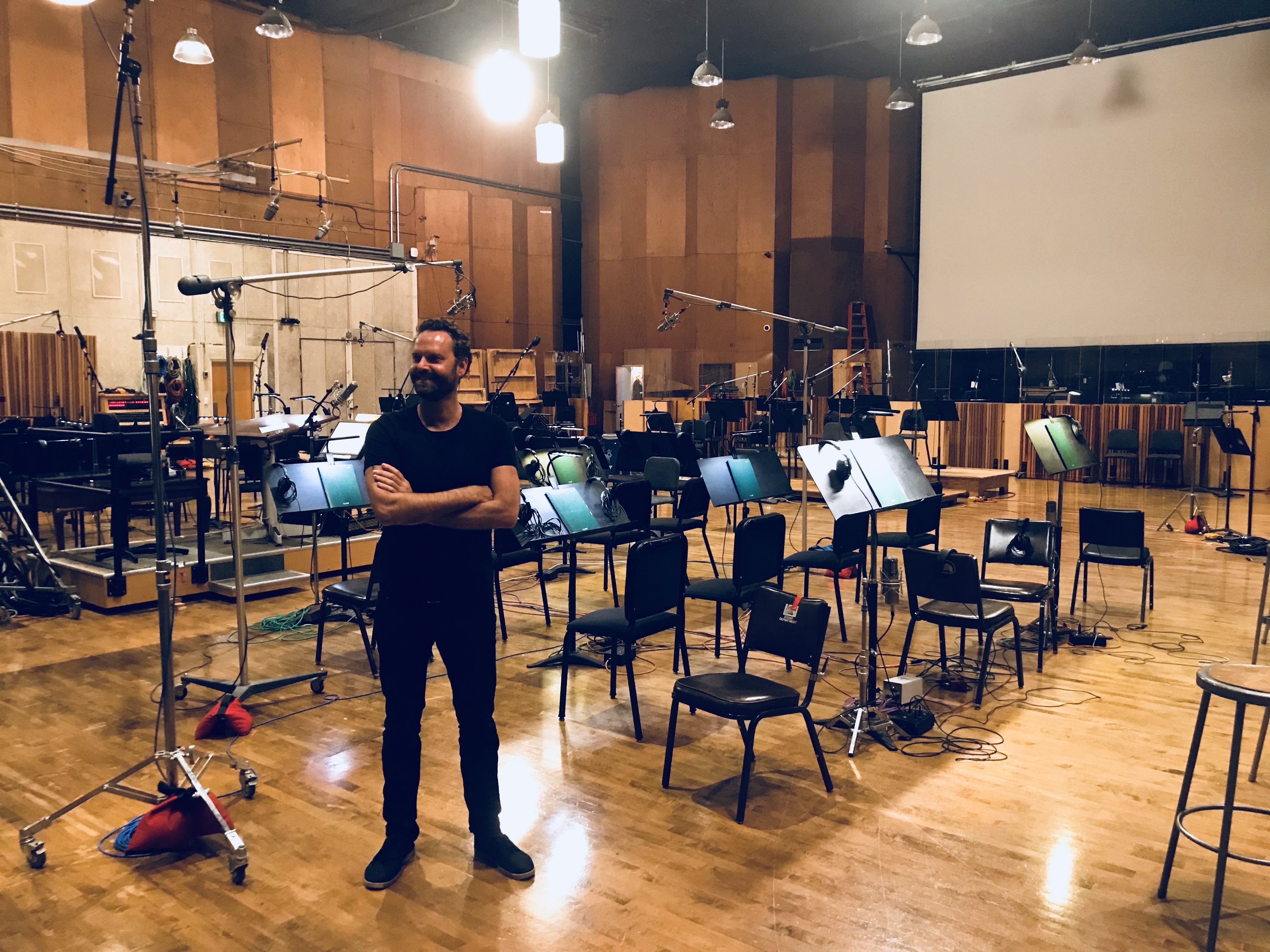
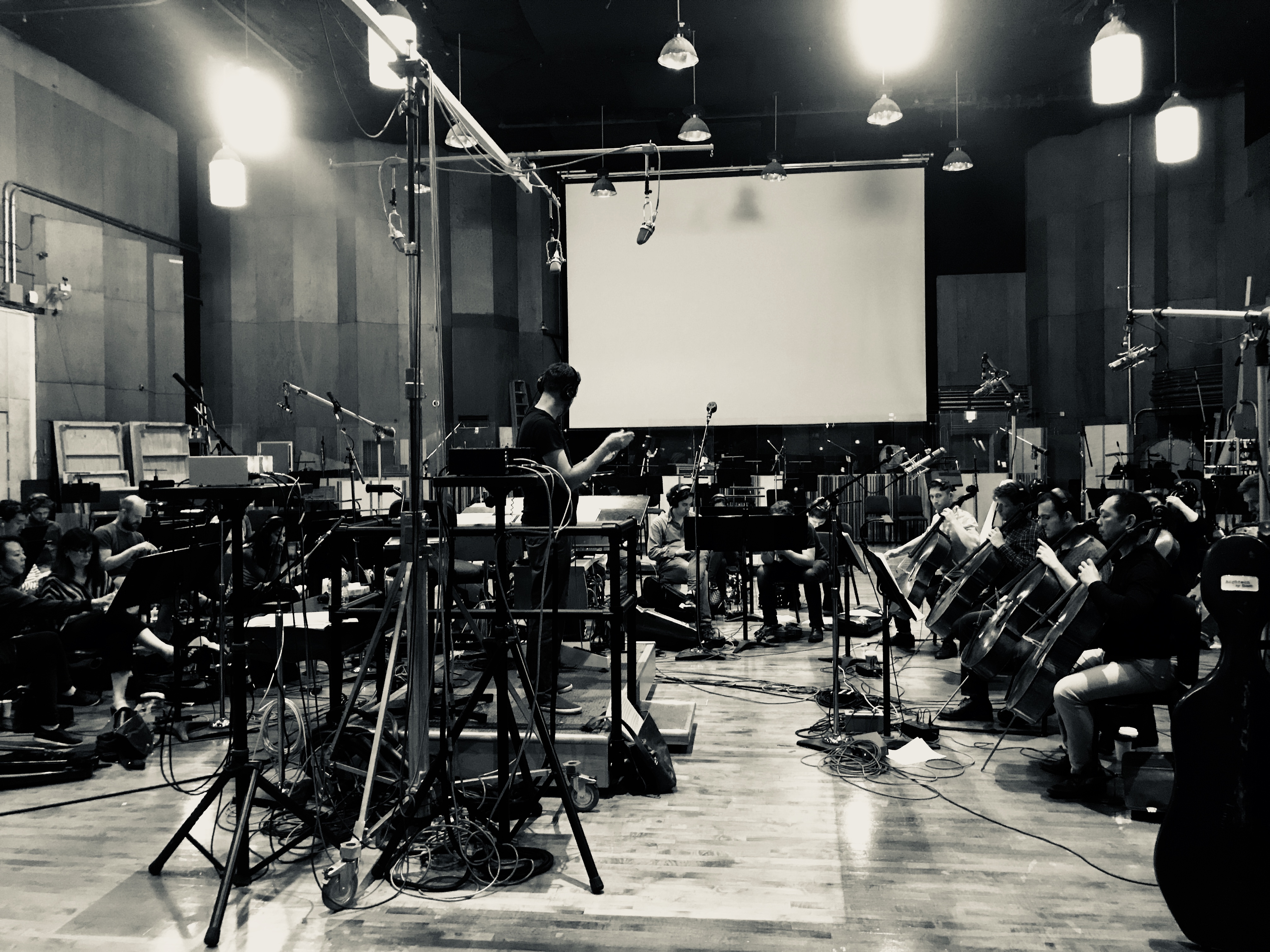
Dustin O’Halloran: Yeah. Well, we’re really following Starr’s journey in this film, and the score really follows her tension, her apprehension, all the different emotions that she’s feeling. My idea was for the score was that we would have some melodic content, but we would be a little bit sparse on creating a big, melodic score, because I felt that tension and also all of these other feelings are, sometimes they’re not so shaped. I did a lot of extended technique and a lot of experimental ideas with using orchestra, creating textures, and using bowing techniques that were uneasy, and just kind of trying to create a soundscape.
I did a lot of electronics with modulation, ’cause that, I wanted the story to also feel very contemporary, because I feel like it’s a story that’s happening, really present. So I didn’t want the music to feel dated in any way, and I wanted it to feel very much in the now. So I was trying to make it as contemporary as I could, and also experiment with creating this girl’s feelings rather than melodic content to portray Starr’s story. Then, we do get into some melodic content with the family and in other areas. But for me, that was really exciting, because most of the score has been very melodic, so it’s been nice to explore these other colors and textures and how it could be used to create a feeling. At the end of the day, whatever tool you’re using, it’s just how to get there, the most important way. So, that was exciting for me.
Were you creating the score during the movie or after the movie was completed?
Dustin O’Halloran: They had a pretty solid cut when I got it. It went through a few changes, but for the most part, the main shape of the film was there. So I started at that point, was probably about three quarters of the way with their edits. And I started experimenting with ideas while they were cutting. It was nice, because it was a chance to also for them to get music pretty early, before they locked the cut, to understand how it was working and maybe how that could shape the editing as well.
Does George come in and give you his take on the music? Do you have to make any changes or do you have total control of what you’re submitting in?
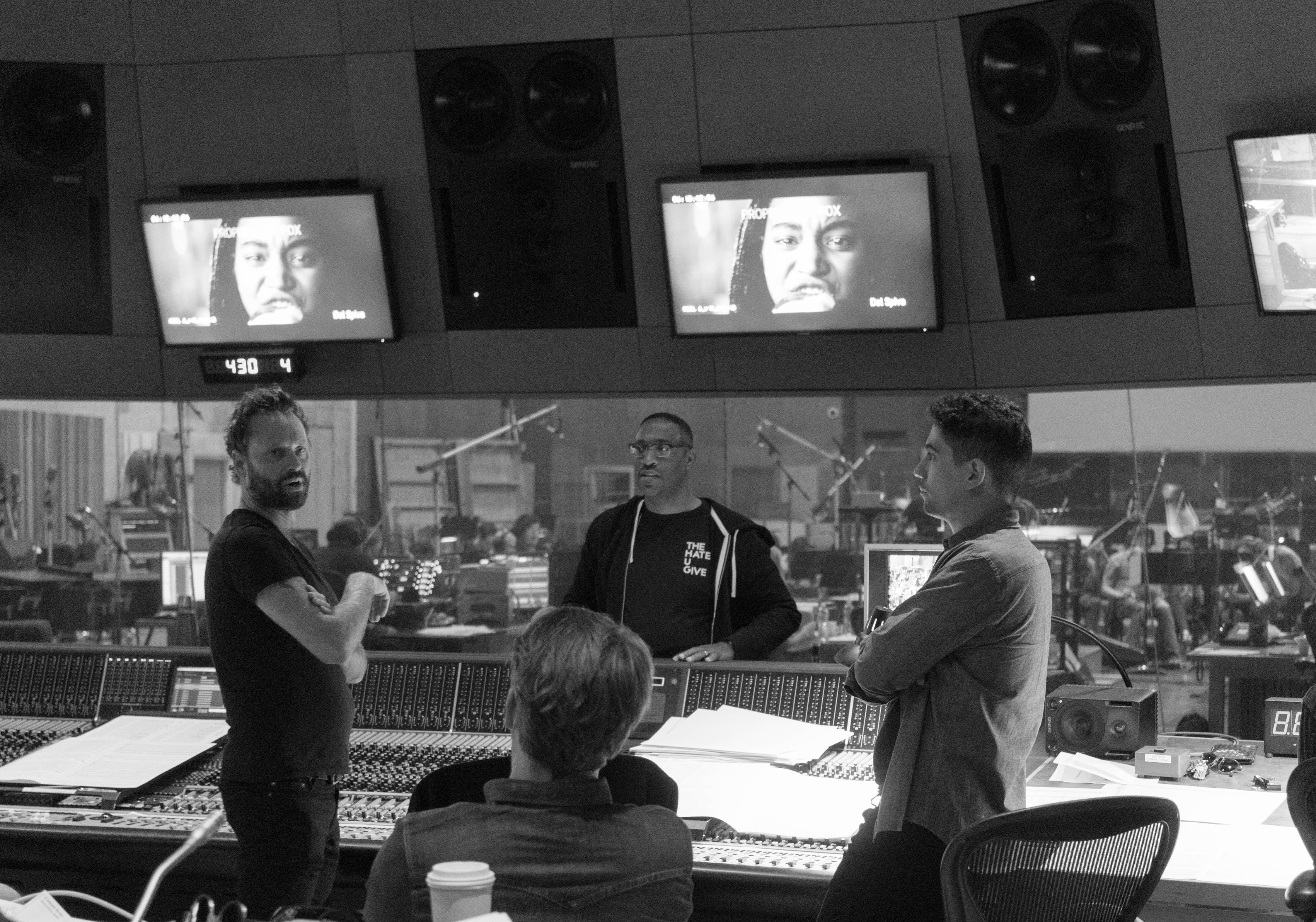
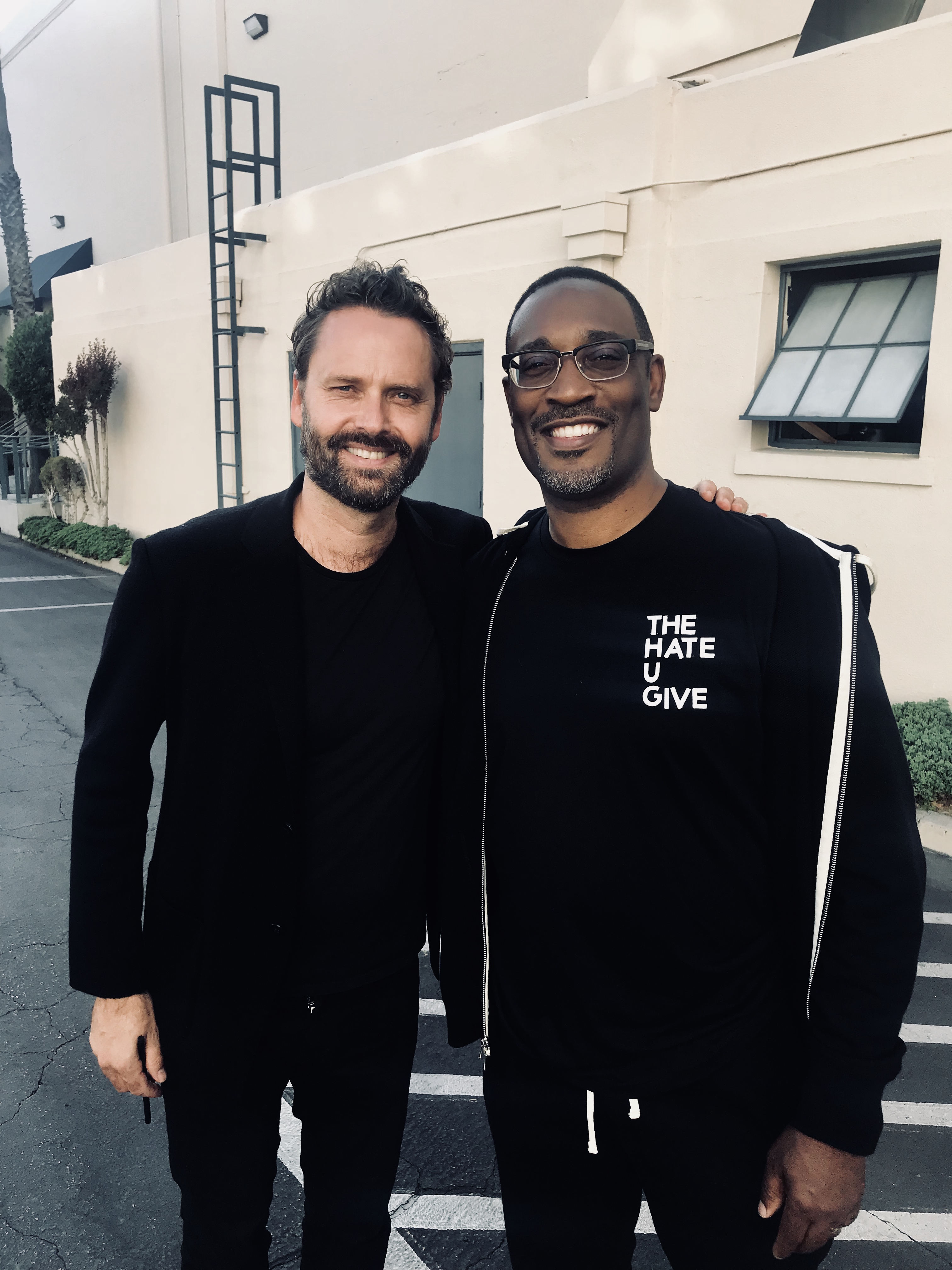
Dustin O’Halloran: It was a real collaboration with George. I think he really gave me a lot of freedom to explore ideas, and I think for him, it was just more about the direct feeling, if it’s the right feeling being portrayed. He wasn’t really going in and asking me to change instrumentation or anything. He’s a director that works with his gut, and he just feels it, and whether it’s right or not right. And so, in that way, it was a collaboration, because there were parts where he was trying to get a certain feeling across to me. He would describe it, and it was the first time I’ve ever worked so much with a composer in my studio, and sometimes I would play and he would actually write a little bit in the studio to double.
It was great, because he was so responsive when things were working, or anything. He was just such an intuitive director. Which is great. Really leaving me the freedom of the writing, but his reaction is always very inspiring. And if we were on the right path, he was always really excited, and really like, “Yeah! That’s it! That’s it!” And very secure in that position. Which I think is very helpful, because once he felt it, he didn’t regret it. He never second-guessed himself.
Creating music is such a challenging work, especially for composers. How challenging is it for you to be creative and not come up with something that you’ve previously done when you’ve scored at least four films?
Dustin O’Halloran: Well, I think that’s where you need a very inspiring film to work with. I think a great film will always give you energy and give you inspiration. You have all the energy of the … you have a great cast, you have a great story, you have a good director, you have a good editor, and everybody, all of that, gives you energy. In some way, you always find it. You’re not starting from a blank slate, so in that way, it’s nice. Because I think all the stories are so different, and especially the way it’s filmed always creates a palate of color and a tonality to the film, which I always find inspiring and I work with that as well.
Have you ever created something and just waited for the opportunity to submit it in, as opposed to doing something for work?
Dustin O’Halloran: Yeah, that happens actually all the time. Sometimes I’ll write a piece of music and I’ll want to save it for myself, for my solo records. And sometimes I’ll have a piece of music and I’ll feel like it might be better suited for film, and I’ll hold onto it. That’s happened to me sometimes, that becomes a deep or a big part in a film. I think as a composer, it’s just good to write every day. It’s constant exercise of your brain, and it’s a constant … and the inspiration comes as a whim. So I’m just sort of always keeping at it, and some days are better than others.
Is there any particular track on the score for The Hate U Give that was more exciting for you to create?
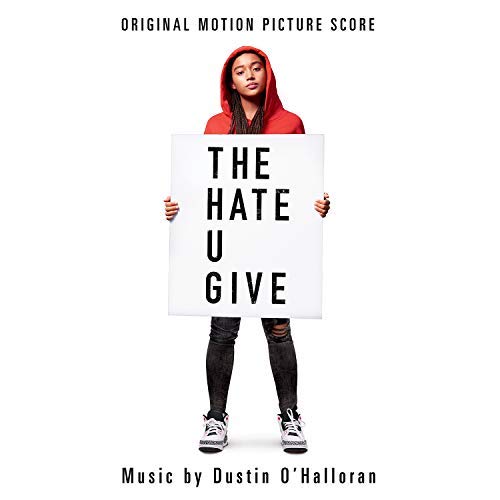
Dustin O’Halloran: Well, I think both … The Cycle is a beautiful piece that I’m very proud of. It’s been more in my zone, but I really love the performances on that. That one came out. It’s been first track on the score release. But it’s the last track in the film. So I kind of wanted to start with that, because I just felt like, sometimes it’s good to start with the end. And that’s going to be the whole story of the score.
Maybe a piece like Shots. I think these kind of cues were very exciting for me because that’s when I got to explore each soundscape, and have the orchestra work with extended technique. That was … few pieces in the score like that. But those were both exciting for me.
What’s next on your plate?
Dustin O’Halloran: I’m working on a film right now with Hauschka, and him and I did Lion together. We’re working on a film called The Art of Racing in the Rain. It’s based on a book by the same name. I’m also working on a new record with my project, A Winged Victory for the Sullen.
The Hate U Give Soundtrack – “The Cycle” – Dustin O’Halloran