
Exclusive: Jai Courtney Talks The Divergent Series: InsurgentPosted by Wilson Morales
March 16, 2015
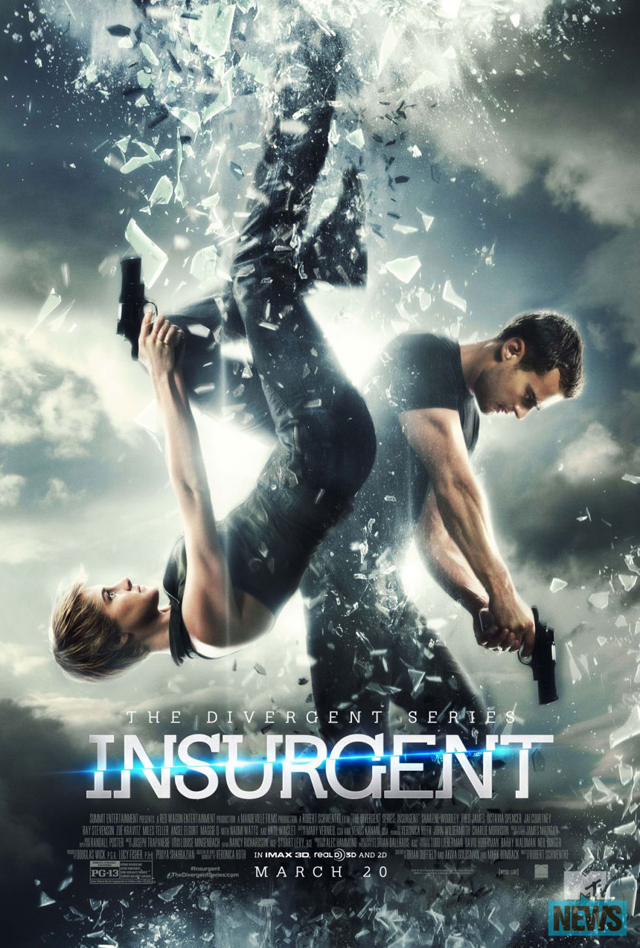
Coming out this week is The Divergent Series: Insurgent, the follow-up to the 2014 film Divergent, and based on the second book in the Divergent trilogy, written by Veronica Roth.
Directed by Robert Schwentke, the cast includes Shailene Woodley, Theo James, Ansel Elgort, Kate Winslet, Jai Courtney, Miles Teller, Zoe Kravitz, Naomi Watts, Maggie Q, Ray Stevenson, Suki Waterhouse, Octavia Spencer, Mekhi Phifer, Daniel Dae Kim, Jonny Weston, Emjay Anthony, Rosa Salazar, Ben Lamb, Keiynan Lonsdale, and Jason Lee Erickson.
The Divergent Series: Insurgent raises the stakes for Tris as she searches for allies and answers in the ruins of a futuristic Chicago. Tris (Woodley) and Four (James) are now fugitives on the run, hunted by Jeanine (Winslet), the leader of the power-hungry Erudite elite. Racing against time, they must find out what Tris’s family sacrificed their lives to protect, and why the Erudite leaders will do anything to stop them. Haunted by her past choices but desperate to protect the ones she loves, Tris, with Four at her side, faces one impossible challenge after another as they unlock the truth about the past and ultimately the future of their world.

For Jai Courtney, who reprises his role as Dauntless leader Eric, this is actually the first film he gets to play the same role in out the franchise films he’s been involved these last few years. Since leaving the TV series Spartacus: War of the Damned, Courtney had a number of high profiled films that include Jack Reacher with Tom Cruise, A Good Day to Die Hard (Die Hard 5) with Bruce Willis, Unbroken directed by Angelina Jolie, and Divergent. He gets to play Kyle Reese in the newest Terminator film, Terminator Genisys and will play Captain Boomerang in the comic book film version of DC’s Suicide Squad for Warner Bros.
Blackfilm.com caught up with Courtney as he spoke his reprising his role in Insurgent.
Can you talk about reprising your role as Eric. Is it going to be different from what people know from the book?

Jai Courtney: Yes, somewhat. I think it always is. I think the beauty of being able to reprise a role, especially in this franchise with these creative people involved, you know you have the chance to build on something. Sometimes in a book, views are more focused on function and I think that was the challenge for me with my version was trying to find layers to feed this character and build it and it wasn’t solidly built on a single description that was on the page. I think (director) Robert Schwentke did awesome in that sense with certainly in giving all of us the sort of freedom to expand upon what we learned about this character in the first film. That’s been really great. You don’t alienate the audience by abandoning everything they know. It’s the same actors we still bring what we brought to those roles but through the nature of the story and the narrative, there’s an opportunity to kind of see more light and shade in them. That’s fulfilling from a creative perspective.
With the beginning of the film was this more physically challenging for you in terms of the action or less from the last film?
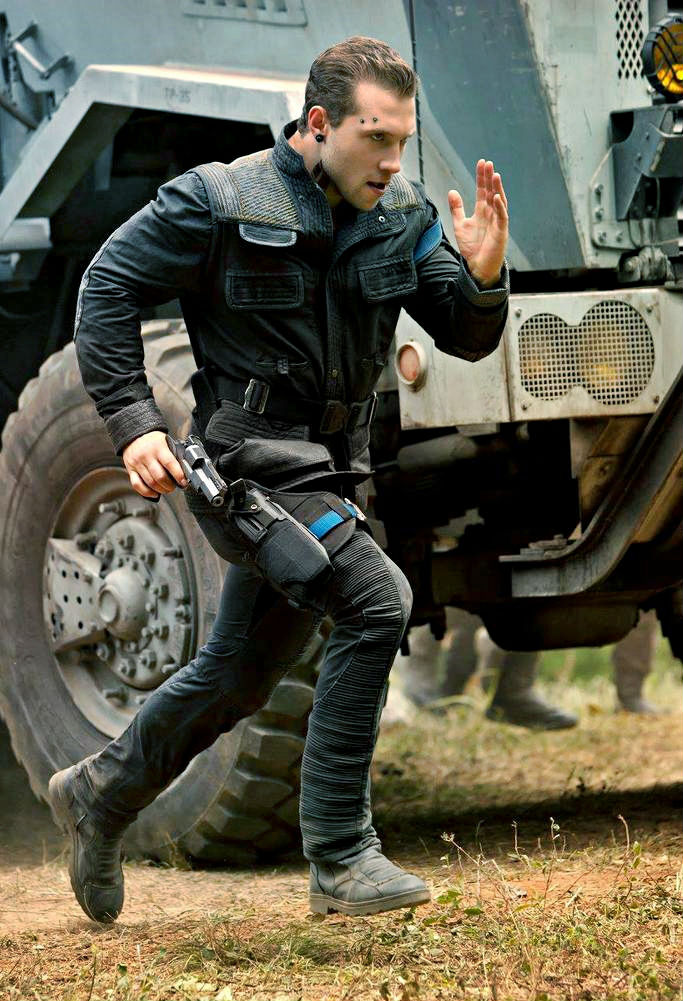
JC: No. It was much, much more physically challenging. It was funny, with Divergent I felt somewhat sheepish about how much emphasis was placed on the fact that it was an action film because it didn’t feel like we really did that much in a sense. I’ll be the first to admit that perhaps that was me being a little cocky because some of the other stuff I’d worked on was more action heavy. I think this time out it’s legitimately an action film and I think we all felt that and we’re all just trying to convey that. It was cool. It was actually really quite physically demanding. It’s the first time we see Eric out of the Amity, from that sequence it took about a week and I’ve had a total workout. It was great fun but, but really tough stuff you know, doing that whole kind of trick scene.
For those who haven’t read the book, is Eric a one dimensional character or are there different layers to him?

JC: Well I think yeah. That’s what I was sort of explaining is that there’s a danger in playing him one dimensional. That’s something I’ve been concerned about since the first film. That was a discussion that Neil Berger and I had before I even signed on was just about are we going to see this guy in that sense or is there going to be the chance to build upon it? I think when you do adapt things to the screen, you need those extra layers. You need to see some nuance to make a character more relatable and more engaging and that is the challenge of the actor to find that stuff. Even if it’s not necessarily on the page, there’s a way you can go down that path and stick solely to his function or there’s a way you can kind of find the moments in that that you can sort of play against and make things a little more interesting. Hopefully I’ve achieved that.
Now you’ve been part of a lot of franchises but this is the one film where you get to reprise your role. What was it like coming back to the set?

JC: It was great. You know it was a real privilege. I wondered what that would be like. I guess it’s somewhat like, you know I imagine it’s like when people do a TV series and they get to come around for a second season or something. It’s like you kind of go through the journey the first time around really discovering the character and discover each, all about each other and then you get to see the journey of that project and what happens. You know there’s so much that goes into a film after we finish rolling cameras that determine the finished product and how it’s received. Often it’s cast and you don’t really have a whole ideal and you don’t have any control over that. You can step in with all confidence and think the material you’re working on is, has a great deal of potential, the casts are great and everyone’s trying to do their job. The director’s awesome and all that stuff but there are no guarantees and yet you’re never really certain about what the reception will be, how the film’s going to be marketed, what it’s going to mean, you know. All of that dictates your experience going into it a second time but it had been nothing positive for us so I think it was like the family coming back together in a sense. It was cool to see everyone.

We’re given the freedom to just play with these parts. Everyone was comfortable in what they were doing and comfortable within the franchise knowing what it was we were putting out there. You have a much better sense of that and I think that that’s king in kind of shaking off any of those anxieties that you might have. At the end now you know what it is and that frees the forms up to just be a little more experimental and kind of ballsy in what it is they’re putting out there because you can count on people to grab it and know that it’s anchored in the place that it is but see what you can do with it. I think that that can only help.
Is there any hesitation to taking on some of these franchise films knowing you either have to read a lot or watch a lot in terms of historical or past references?
JC: No, not at all in total. I think that only makes the job and the experience richer. It’s like if you’ve got a biographical character that you can draw inference from then what a privilege. If it’s a book adaptation having that resource material and being able to talk about a world that really happened I think is … look it might be more challenging because you have a responsibility to honor something that’s already been established. No I think it just only aids the experience. I understand what you’re saying but I just try not to wear the pressure of that. I think you just have to kind of use it to your advantage.
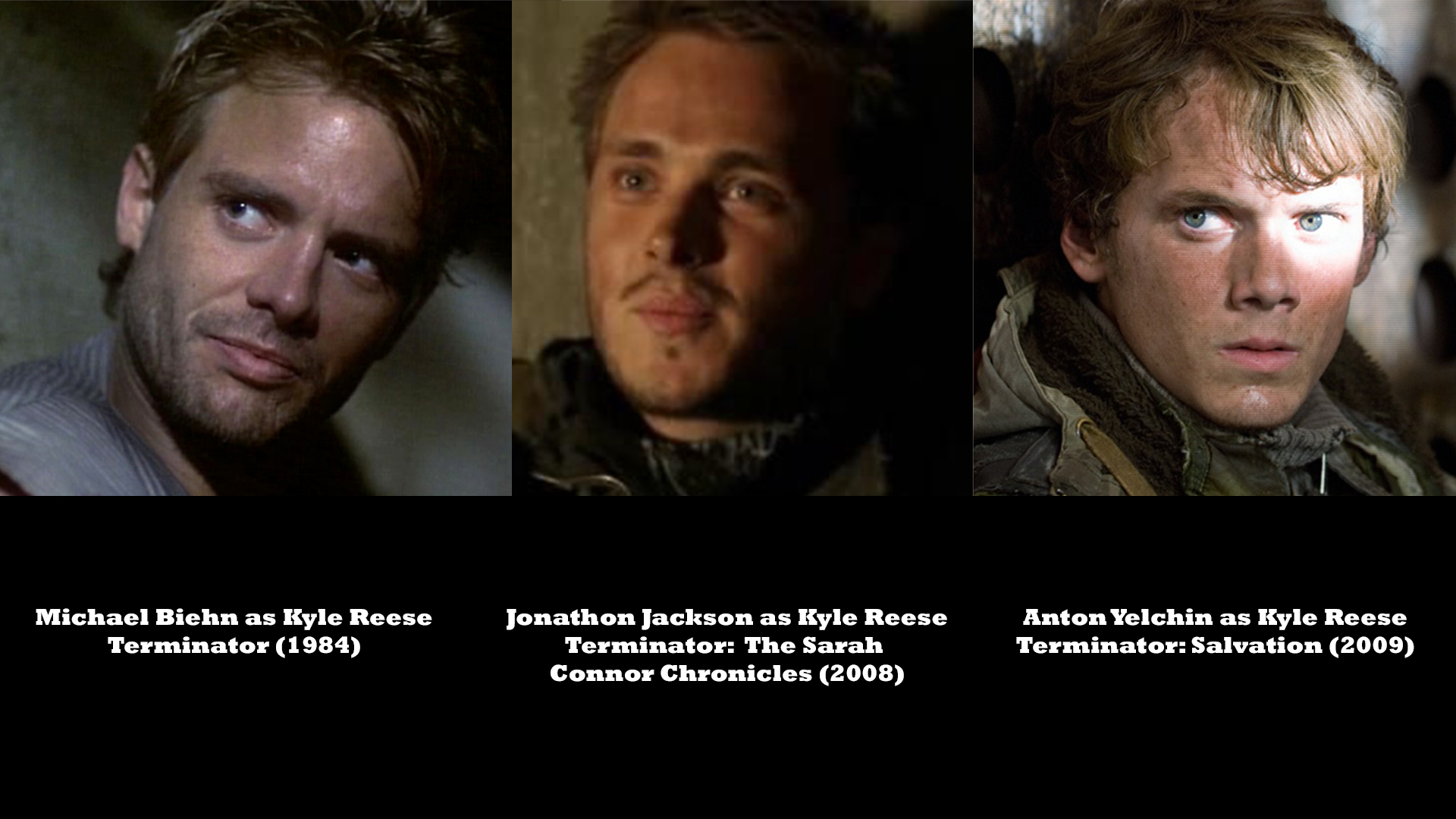
With Terminator for instance it’s like your playing a role that’s been played by other guys in different installments of that franchise and some people wonder if that creates anxiety in someone because you feel like you need to live up to something. I don’t think it does. I think everything is stand alone and your not trying to emulate someone else’s performance in portraying that character. It’s about bringing what you can to the role and hopefully building upon it. Yeah, that sort of stuff doesn’t scare me.
Is there a soft side to the roles you play? Most of the characters that you have played are “tough as nails.”

JC: Yeah. I think that’s something that is character specific and certainly in some of the stuff that I’ve done. I have a film coming out in April called The Water Divider that I did with Russell Crowe which gave me a chance to explore some of that other side and I think also surprisingly enough in Terminator we’ll see a bit of that. That’s really interesting for me and something that I have been concerned about and wanting to kind of explore as a performer. There’s nothing worse than trying to repeat the same sort of cinematic stuff with the character film after film. I’m certainly softening and trying to kind of see a little more of those layers as, yeah, something I’m interested in. I think we’ve achieved some of the stuff that’s going to drop this year.
Of all the comic book characters you’ve ever imagined playing was Captain Boomerang ever in your thoughts?
Jai: I never imagined playing any comic book character so, “No.” It’s totally surprise.
Will you be able to use your accent in that film?
JC: I will yeah. I believe so.
.