
Rockmond Dunbar talks Pastor BrownPosted by Wilson Morales
February 12, 2013

Coming out this weekend on Lifetime TV is Rockmond Dunbar’s directorial debut, ‘Pastor Brown,’ which will premiere Saturday, February 16, at 8:00pm ET/PT on Lifetime TV.
Written by Rhonda Baraka, the all-star cast includes Salli Richardson Whitfield, Nicole Ari Parker, Keith David, Michael B. Jordan, Michael Beach, Tisha Campbell-Martin, Tasha Smith, Dondre T. Whitfield, Rockmond Dunbar, Ernie Hudson, Monica, and Angie Stone.
More than a decade ago, Jessica “Jesse” Brown (Richardson-Whitfield) fled home and family to find purpose in her life. She decides to stay away and support herself through exotic dancing. When her father falls unexpectedly ill, Jesse returns home. But going home forces Jesse to confront unresolved issues of jealousy, abandonment, and rejection by her sister, her teenaged son and others. Jesse’s father’s dying request, that she take over as pastor of the family’s church Mt. Olive Church, sparks a journey of self-discovery through which Jesse finds her purpose in life; and both Jesse and her family work through the universal themes of forgiveness, restoration, redemption and unconditional love.

Best known for his roles as Kenny Chadway on the Showtime television drama series Soul Food, and as Benjamin Miles “C-Note” Franklin on the FOX television drama series Prison Break, Dunbar lately can seen on the FX series Sons of Anarchy as the Sheriff of Charming, Eli Roosevelt and on the GMC series For Richer or Poorer.
Blackfilm.com caught up with Dunbar as spoke about the journey the film has taken since production finished back in 2009.
What was it that attracted you to the story?
Rockmond Dunbar: I just love telling good stories about good people doing good things. The dynamics of life. It’s about choices that you make, that they ripple out into areas in peoples lives. The catchphrase we use in the film is “Find your shoes,” and that means find the purpose in your life. A lot of people can benefit by seeing this movie because a lot of people are looking for the purpose in their life. Walking around blindfolded like zombies, doing what the Joneses do when we really should be doing what we are destined to do, ordained to do, blessed to do. Hopefully this film will really resonate that with people, especially after we re-edited some scenes. It’s a little bit different, a little stronger, the message was a little clearer.
When did you decide you wanted to direct this particular film as your first film?
RD: God put the passion in my heart as soon as I read it. I read it and said to myself, “My God, I would love to direct this!” I called Carol Ann Shine, my producing partner, and I said, “Yo, we gotta get this done, I want this to be the first film.” I didn’t know I was going to get such an education and experience from it by looking at the length of the time and things of that nature. I absolutely learned a lot, and even though I would have loved for it to come out a little bit sooner I think this is the perfect time.
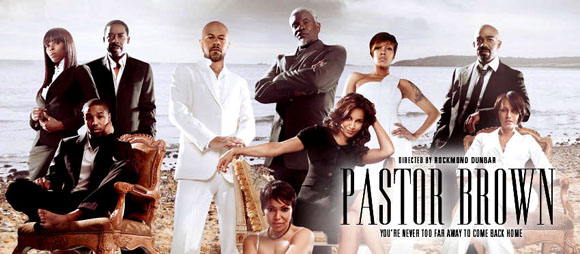
You’ve got a who’s who in your cast. How were you able to wrangle everybody and give them parts that stand out?
RD: That’s a testament to Rhonda Baraka’s writing. It’s just a history I have with the people. If they weren’t my friends before, they are now. If you look at the cast, I just called everybody and said, “Look, I have French fries and a burger to give you, not a lot of money, but I really want to do this film and I think you would be perfect. Take a look at it, read it, I’m gonna put out an offer not to embarrass you over the money, but the message in the story is so much more important. People understand where I’m coming from and how I do business, and that I’m a man of my word. I think people jumped on it not because they had the time or the money, but because of the story. When I was at the college of Santa Fe in my sophomore year I hosted and an actor came down to speak. That was Keith David. I spent a lot of time with him, and we had a cool little bond at that moment, so it was cool to work with him years later. The first extra work I ever did when I was in college was called “Speechless,” and Ernie Hudson was in that. A few of these guys I’d met, I think there was a little history there that made it easier.

You’ve got Salli Richardson-Whitfield as the lead, along with Nicole Ari Parker who you’ve worked with before. How did Salli come in to get the main role?
RD: I went to Nicole’s birthday party and I already knew I wanted her to do this part, and then Salli came to the party and it hit me that this was the woman. I don’t know what about her vibe said that, but it just looked like she had a lot weighing on her. You needed someone who had been through the fire and got burned and still had that strength to become whatever she wanted to become. So I walked up to her after the party when we were getting our cars back, and I said, “Salli, I have this role for you. Not a lot of money, but it’s like nothing you’ve ever done before. I really would love for you to take a read and give me your thoughts.” She jumped on board fairly quickly, simple as that.
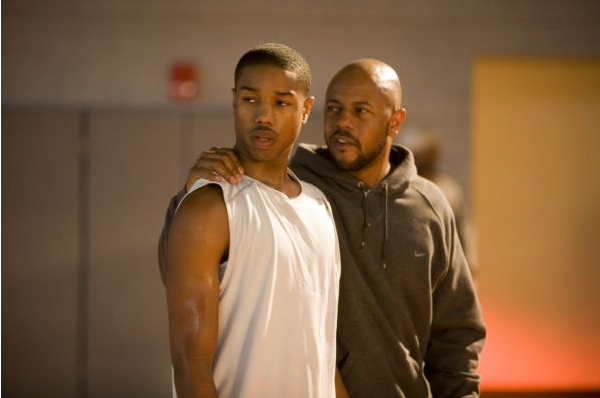
What makes this one different from other gospel films, with the prodigal son or prodigal daughter?
RD: The tone and tempo and quality. It is a low budget film, but I think we hit the nail on the head with the quality. A lot of low budget films have a boom in the shot, you won’t see that in this film. As African Americans we can be proud to see ourselves in this film. You don’t get tons of watermelon and fried chicken in the backyard. I wanted to make sure we had the right makeup, the right hair. These women have to look beautiful when they come to church, and I’m really happy about it.
Is it easy to direct yourself acting?
RD: It’s actually really easy, because you don’t have time to get heavy as an actor at all. I know my lines, but there’s a lot of work to do as a director. You don’t have time to see if this or that is right. Playback has saved me on a number of occasions.
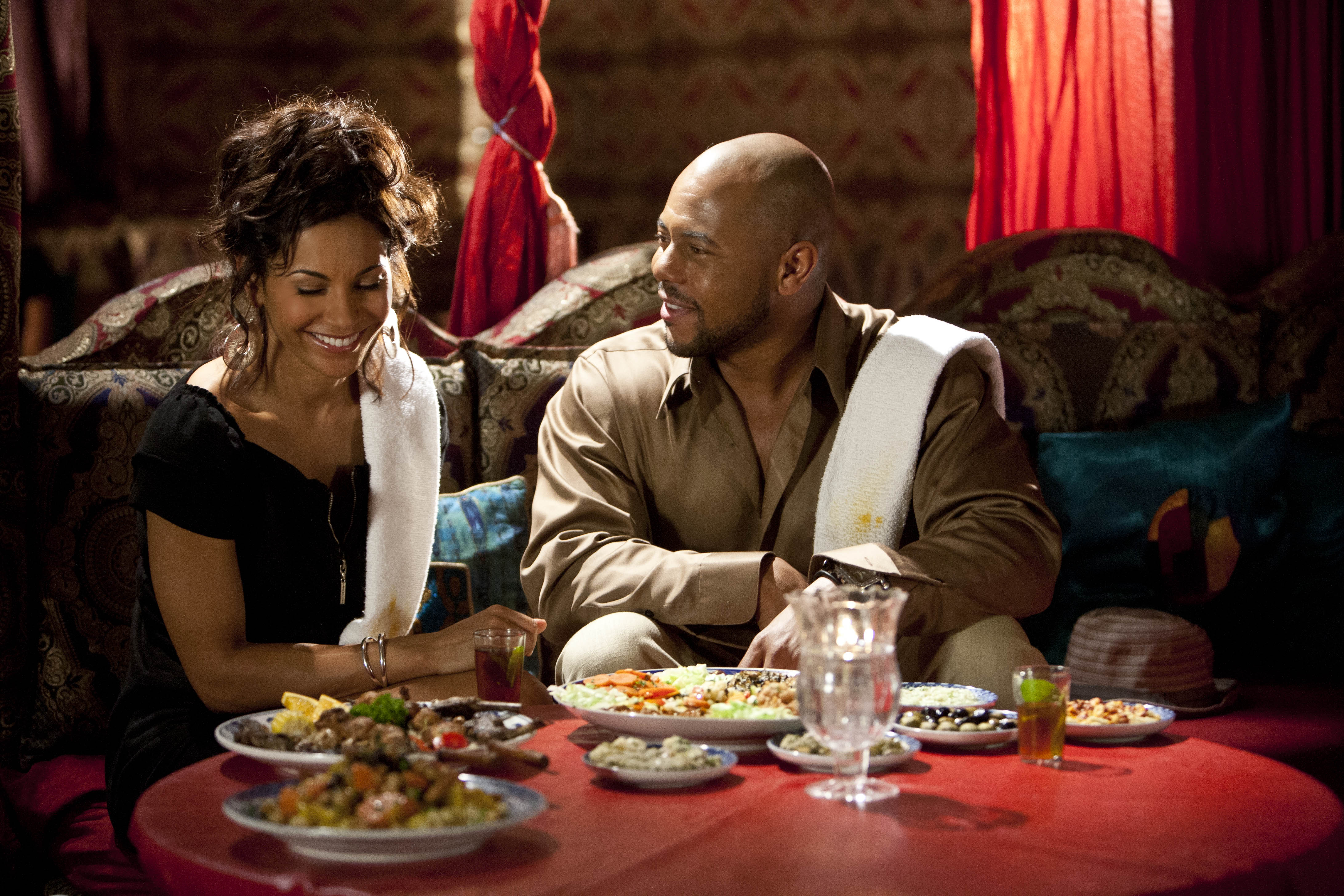
What were your challenges as a director?
RD: There’s always fires. Collaborating with your actors or your DP to get your vision across there’s always going to be conflict, so you have to learn how to compromise. That was difficult because I’m very headstrong about what I want. I’m a better team player now. Thinking on your feet, like when it came to shooting a scene on a roof which wasn’t safe I had to change the shot immediately. We also had buildings burn down that you have to shoot at the next day. One of our restaurants burned down, so we had to find another restaurant. As a director you have to be open to a lot of thoughts and think on your feet very fast in order to get the very best out of what you have. You can plan and then everything falls apart, which it did a number of times, especially when you only have 18-days of shooting and 9-days of prep. Things are going to get a little bit nasty, but God was always there and it was a very pleasant shoot.
As a producer, was the delay a matter of finding a deal to put it in theaters and when did you reach the decision to sell it to TV?
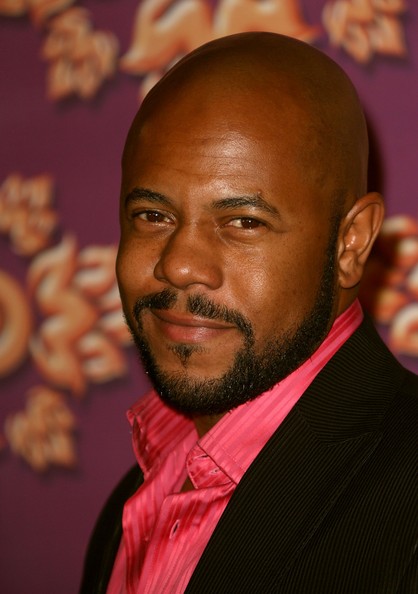 RD: Our problem wasn’t selling the film, we had 18 offers for distribution, 3 of those offers were international and this is an African American film. We had one person on our team who was an “I” player. He wanted to take the film and get all the credit for it, get a three-picture deal, take it around the country and say it was his film. God stopped him right in his tracks, he had to use the courts to do it, but he did it. There was a time when I didn’t even know where the footage was. We had to fight to get the film back, we did, had a distribution offer on the table after all those years with another film company. We decided when Lifetime and “Steel Magnolias” getting 7-million people we decided that was the best deal. Originally we pitched Lifetime the television version, because I co-wrote a script to show “Pastor Brown” in a great light. Lifetime decided they wanted the whole shebang, that if we get a lot of numbers they will turn it into a television series. That’s the big payoff. Not only is it a great outlet but they’re giving us the option for TV series. Hopefully people will tune in and understand that I come from a television series, “Soul Food,” and I know how to bring the quality. Put the prayers out that we need to get the numbers to move forward.

What’s next for you?
RD: Just finished “Sons of Anarchy,” I’ll be starting back up with that. “For Richer or Poorer” is on the GMC Channel and we have more episodes to run. I just signed up to direct 3 more films. Lifetime is airing “Pastor Brown,” so I’m doing a lot of press for that now. That’s about it.
With all this going on when are you going to find time to get married, because you just announced your engagement (to actress Maya Gilbert)?
RD: You know we really need to lock down a date. Not only is she an incredible woman she’s an incredible writer and I’m going to direct her first feature. Another comedy that she just wrote that we’re packaging now, super excited about that. Getting married… I would do it now with no question. We’re probably going to go to a courthouse and do that first. She’s the woman, she decides when and where!