
Exclusive: Stephan James Talks Amazon’s Homecoming, If Beale Street Could Talk and 17 BridgesPosted by Wilson Morales
October 30, 2018

Debuting exclusively on Friday, November 2nd on Amazon Prime Video is HOMECOMING, a mind-bending psychological thriller starring Julia Roberts and directed by Sam Esmail (creator of MR. ROBOT).
Heidi Bergman (Roberts) is a caseworker at the Homecoming Transitional Support Center, a Geist Group facility helping soldiers transition back to civilian life. Walter Cruz (Stephan James) is one of these soldiers, eager to begin the next phase of his life. Overseeing Heidi and the facility is Colin Belfast (Bobby Cannavale), an ambitious company man whose manic demands point to questionable motives.

Four years later, Heidi has started a new life, living with her mother (Sissy Spacek) and working as a small-town waitress, when a Department of Defense auditor (Shea Whigham) comes to her with questions about why she left the Homecoming facility. Heidi begins to realize that there’s a whole other story behind the story she’s been telling herself.
Based on the popular podcast of the same name, HOMECOMING is created by Eli Horowitz and Micah Bloomberg. The cast also includes Jeremy Allen White, Alex Karpovsky, Dermot Mulroney, among others.

For Stephan James, the Canadian native is on fire with hot projects coming the ground. Not only does he get to star opposite the Oscar winner Roberts, who rarely work for the small screen, but he’s also the lead of Barry Jenkins‘ upcoming film, If Beale Street Could Talk, which is based on James Baldwin‘s novel of the same name. Homecoming is James’ first small screen work since he appeared opposite Sanaa Lathan in Fox’s event series Shot Fired. Upcoming work includes starring with Chadwick Boseman in the police thriller 17 Bridges.
Blackfilm.com caught up with James as he spoke exclusively about working on Homecoming, Beale Street and 17 Bridges.
What was the attraction to saying yes to the series?
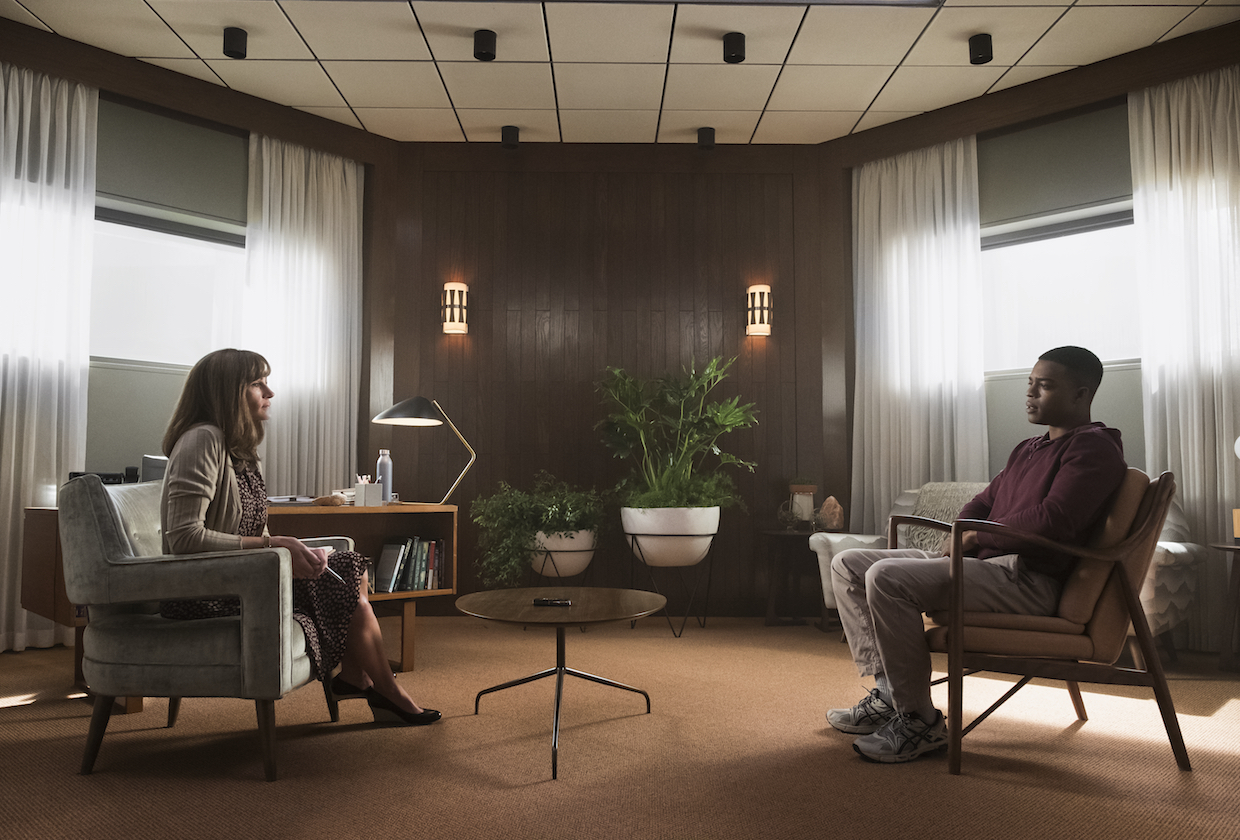
Stephan James: Well, at first I heard a podcast. My manager sent me the podcast and I was fascinated by it. I didn’t really know who else is going to be a part of it, but I was fascinated by the podcast, my first podcast I ever listened to. And I just found myself listening to it everywhere; on the drive, at the gym, just random times and I finished the podcast and then, once I got the script, they were almost just as incredible as the podcast. Obviously, knowing that Julia (Roberts) was involved and Sam (Esmail) was involved. I swore that it was a no-brainer at that point.

How would you describe Walter and is he any different from the podcast?
Stephan James: When you adapt a podcast for screen, you’re able to add so many colors and layers that you wouldn’t have been able to see or take in, in the podcast. He’s definitely different where he’s layered, and he’s explored his backstory, his history, his family life in a different way than to be explored in the podcast. But, there are a lot of elements and his genuine nature in which he enters the whole facility that I think had some carry over into the show.
Who is Walter Cruz in the series?
Stephan James: Walter Cruz is a young soldier who has just returned from a tour in Afghanistan, and he comes back to America to this facility in Florida called the Homecoming Facility, in which he hopes to re-acclimate himself into civilian life, and normalize things again. So that’s his hope as he comes into this program very, very eager to just get back to normal.

Can you talk about working opposite Julia Roberts. We don’t often see her on the small screen on a regular basis so this is new for her. Can you talk about the chemistry between the two of you?
Stephan James: Julia, she was incredible. Obviously, we know the incredible actress that she is but what really resonated with me is just the person she is, the incredible woman she is, and mother she is. She could have been any type of way, it’s Julia Roberts, you know. But she really had this aura about her, her presence that makes you feel comfortable. We needed that. I was spending a lot of time with her, going through like these 10 paged scenes every day locked up in her room for hours, for like 6 or 7 months. I was happy that she is the way she is and that we were able to make it work.
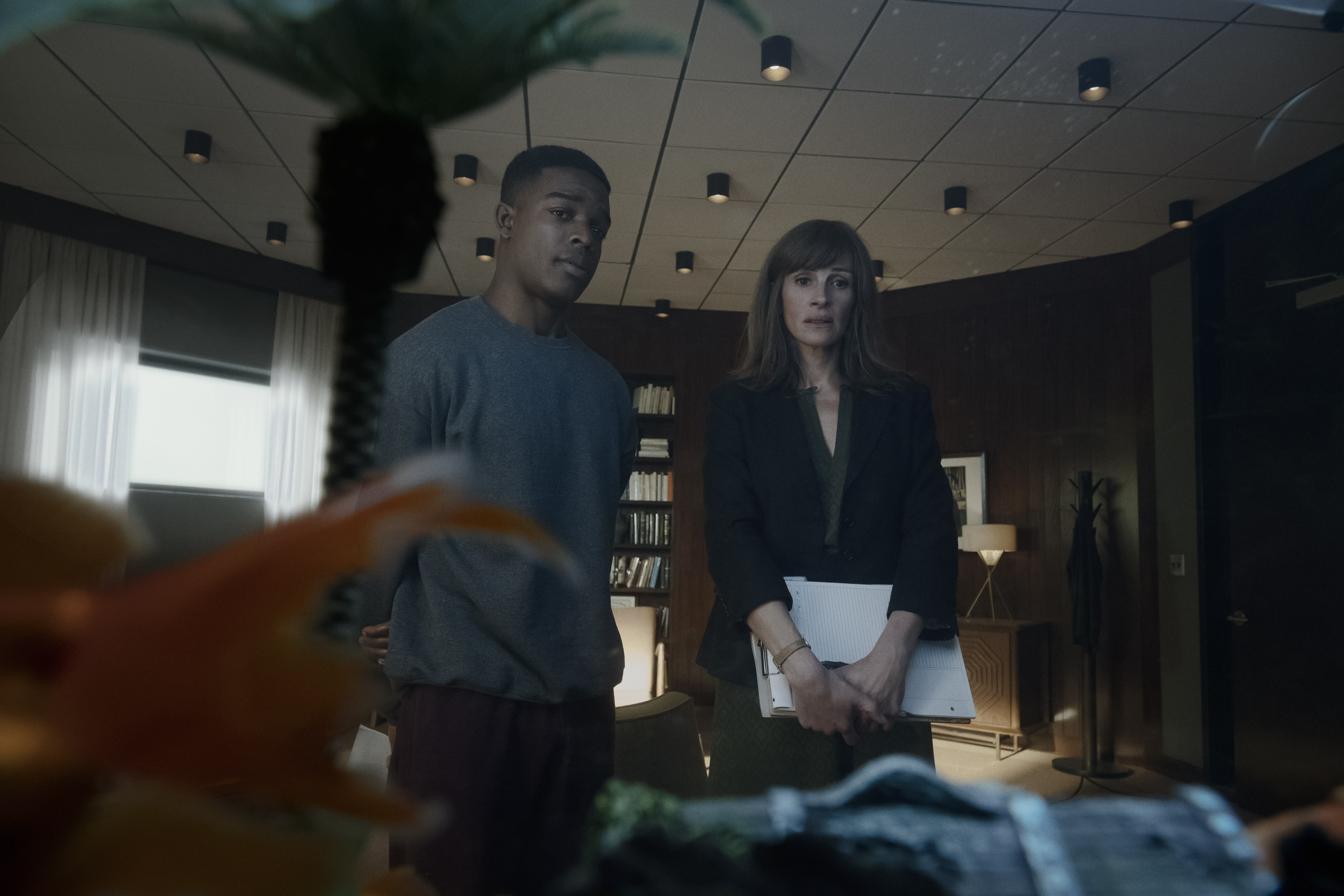
In playing Walter, is this a character that you think you can do research on or is this a just going by what’s on the script?
Stephan James: A little bit. It’s a little bit of research, I mean, I didn’t really see this role or Walter as somebody who was suffering with PTSD, so there wasn’t a bunch of work that I did in terms of veterans. He’s over that now and he’s ready to just get back to normal and re-acclimate himself and a lot of that is on the page.

When people here the title “Homecoming” they don’t what it means, so how would you best sell the series when you talk to anybody about what your next project is?
Stephan James: Julia Roberts, Sam Esmail, Stefan James, those are pretty good starting points right there. For me, it’s just cool and I look at it from a fan’s perspective. People get to watch the show whenever they want to watch it. Then it’s a half hour episode. I don’t think we have half-hour dramas that exist right now in sort of this format. So that’s exciting that people get to just, binge it in that way. It’s following up with the characters. It’s a thriller, it’s Hitchcockian. Something that will keep you on the edge of your seat and I think it’s probably the biggest draw about it.

When you did “Shots Fired” you had different directors you were working with, but on this one it’s mostly Sam. So what did you pick up from him that’s different form the other directors you’ve worked with in the past?
Stephan James: I mean, I love having one director direct all things, like “One Vision”. Sam, sort of the DNA he clings to these shots. You can’t really replace that with other directors, so I was really happy to be able to do all ten with Sam. He is somebody who has a clear vision and for an actor we don’t really have, especially with amount of work that me and Julia were doing. We didn’t really have time to switch gears and start performing new relationships with new directors every week. You know, it really helped to have one director, one mind to coach you, and to bounce off of.
Speaking of switching gears, you have Barry Jenkins’ “If Beale Street Could Talk” coming up as well, a big lead role for you. Can you talk about working on that film, reading James Baldwin’s novel and working with Barry.
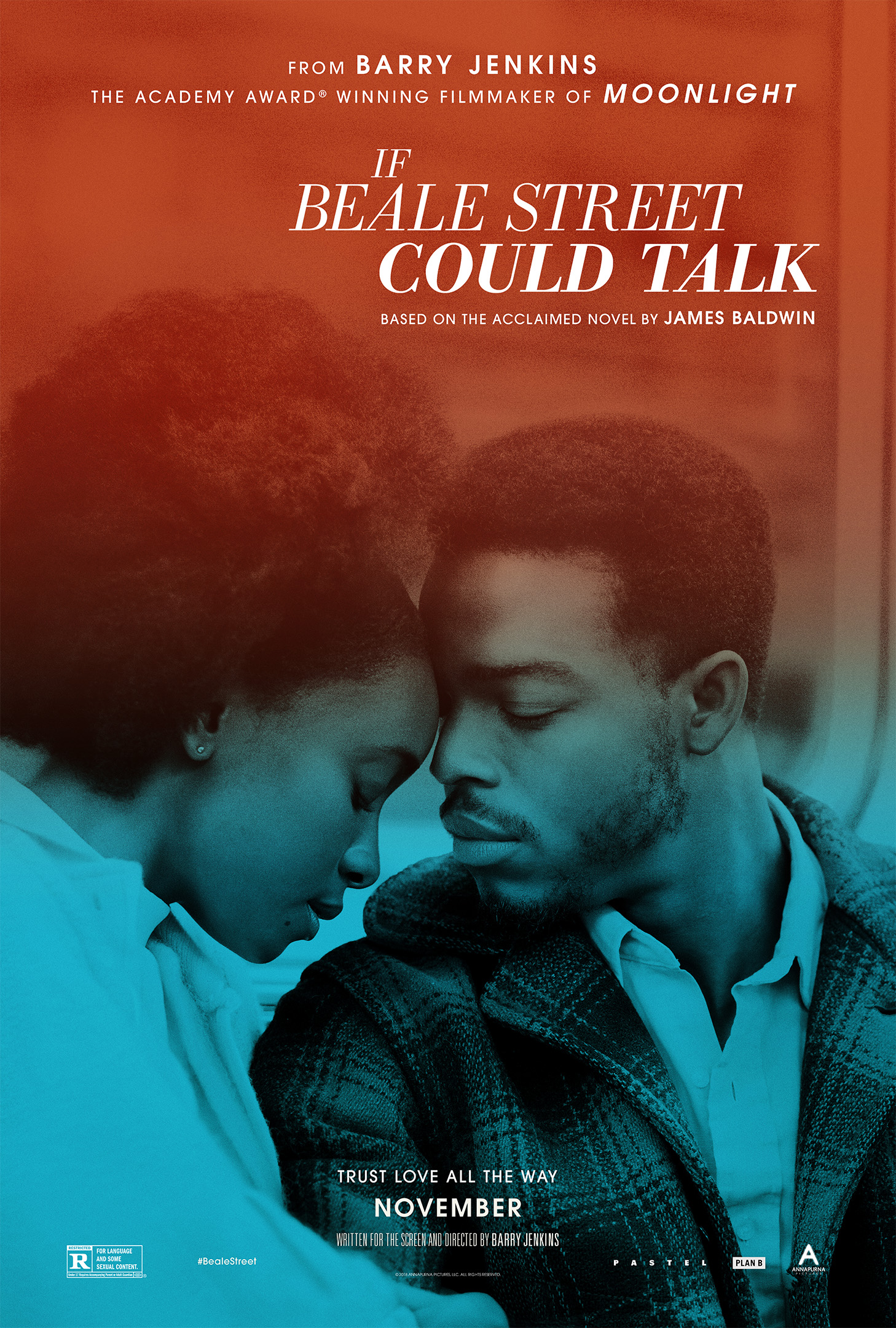
Stephan James: Incredible. Obviously, I knew who James Baldwin was; the activist, the poet, but I really didn’t know his work, his writing. And so, for me, Beale Street was the first Baldwin novel I had read and then I found out that Barry was going to be doing this film. It just made so much sense to me. I feel like their styles match in a lot of ways and a lot of of ways they’re sort of big descriptors of love and certain nuances and certain thing that I feel like only a director like Barry Jenkins can take on James Baldwin’s work. So, for me, that was just a fascinating prospect to go in to it knowing that these were James Baldwin’s words, that Barry Jenkins had adapted, and Barry Jenkins was going to helm this whole project. That, to me, is incredible.

I have been a big fan of Barry since I saw “Moonlight” and then went back and watched his first film “Medicine for Melancholy.” I always knew I was going to work for him, I just didn’t know it was going to be this soon. For me, it was a dream and the to work with Regina King, who I have worked with already once before. And Colman Domingo, who I have already worked with before. It just felt like I was joining family, like I was in a safe place with creators who I really admire. It’s special, and I am happy I got to be a part of that film.

As a young guy who has done “Selma”, who’s done “Race”, who had a lead role in “Shots Fired”, and now you’ve got “Beale Street,” it doesn’t happen for a lot of young black actors but for you it’s happening. Do you feel you have a lot of responsibilities, as far as keeping that door open for other young black actors?
Stephan James: Of course. To me, it means a lot to tell stories like this. It just means that we will be able to tell more of them, honestly. When they’re done right, it just means that people will give an opportunity to do it some more. And if people are able to look at me and look at what I am doing, and that helps open doors for other young actors, then, yeah, I am all for it! You know, there can be as many of us as possible, there doesn’t have to be just one. So, I am excited about that.

I know you’re traveling back and forth, promoting this, promoting Beale, and you’re shooting in Philly. Can you talk to me about your current project “17 Bridges” and starting to work with Chadwick (Boseman)?
Stephan James: Yeah man! I mean 17, I’m very, very, very excited about! It’s been a beast of a shoot. And it’s great because I read the script and you don’t really take in the fact that the whole story takes place at night until after you sign the contract. So, it just hit me awkwardly, “Oh damn, this whole story takes place in the night!”, meaning I will only be working in the night. And, so yes, it’s a crazy schedule where I start working like 4 pm everyday and finish at 7 in the morning. But it’s an incredible, incredible thing. I was happy that Chadwick called on me and asked me to be a part of this film. It’s a special role, it’s a special project of something that I don’t think that anyone has really seen me do before so that’s probably the most exciting thing about it.

So between the series and the films and other projects down the road, what’s the main attraction that makes you say, “Yes”, to these projects?
Stephan James: I think it’s about who’s involved. It’s obviously about the role of the character but it’s also about who’s involved, like who’s directing, who’s producing, who are you staring alongside? Who are you, sort of, getting into bed with, if you will? You want to be able to work with people who you respect and admire and you feel safe working with. So, I feel like that along with character, I think that pretty much determines everything I do.