
Geoffrey Fletcher talks Post-Oscar Win, Career at Ivy League SchoolBy Wilson Morales
April 12, 2012
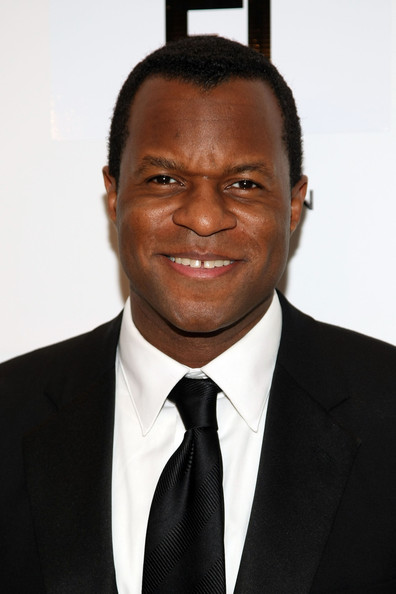
This coming Friday, April 13, Academy Award winner Geoffrey Fletcher will join the Academy of Motion Picture Arts and Sciences’ “Discover the Academy” program at Columbia University. There, he will be speaking to Columbia students about taking his film PRECIOUS from book to screen. The Academy of Motion Picture Arts and Sciences’ university outreach gives students a chance to ‘meet the Academy’ outside of the annual awards show.
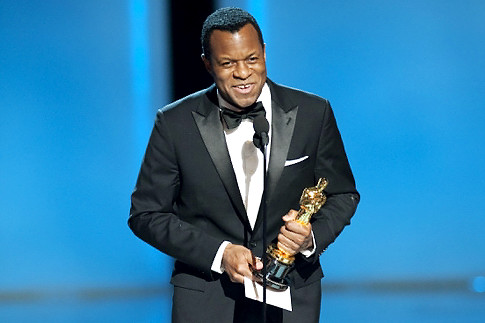
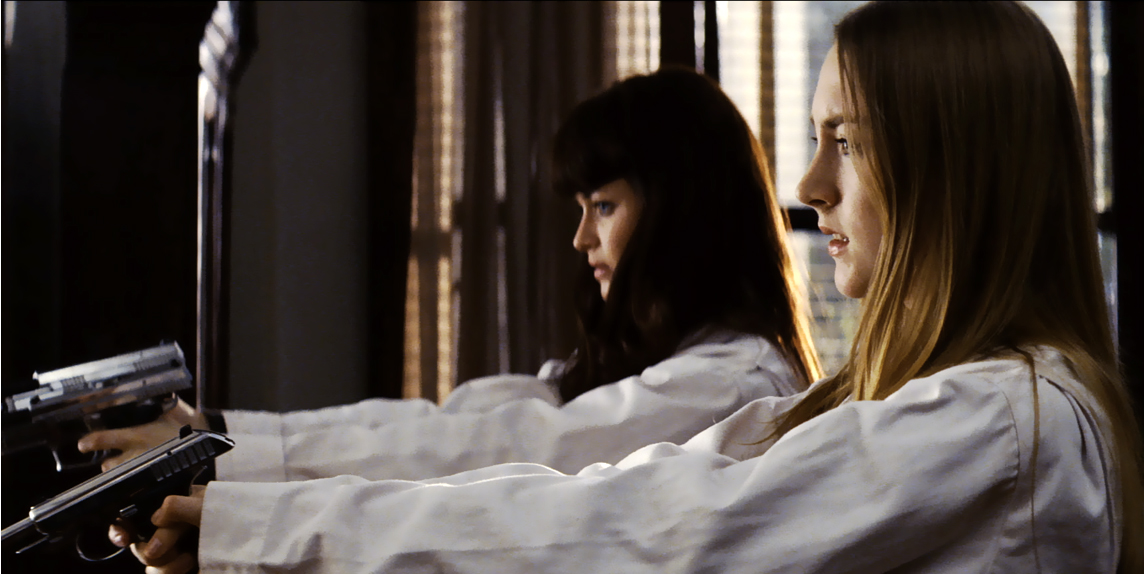
In 2010 the Connecticut native received an Oscar for Writing (Adapted Screenplay) on Lee Daniels’ film, ‘Precious: Based on the Novel “Push” by Sapphire.’ He was the first African American to win in this category. Since then, Fletcher has stepped into another chair and last year made his directorial debut with ‘Violet and Daisy,’ starring Academy Award nominees Saoirse Ronan and Marianne Jean-Baptiste, as well as Alexis Bledel and James Gandolfini.
In speaking with Blackfilm.com, Fletcher talks about his upcoming speaking engagement at the Ivy League school, and the status on his latest film.
How did speaking at Columbia University come into play?
 Geoffrey Fletcher: This college visit is part of the Academy’s ongoing Visiting Artists Program and the purpose is to connect Academy members working in the film industry with film students who are developing their craft. Many people think that the Oscar telecast is all that the Academy does. Few realize that, throughout the year, the Academy does quite a lot in the way of education, fellowships, outreach, exhibitions, film history, film preservation and more. The Academy reached out me and I was thrilled to be involved. Education has always been a huge part of my life. I used to teach at Columbia, right across the hall from where I’ll be speaking on Friday. Columbia was such a great experience that I’m really happy to return.
What is it that you will be talking about?
 GF: I went through so many ups and downs between college and Precious, I thought that talking about those experiences might be a help to others. Just letting people know how hard it can be and that it may not happen exactly as they thought it would be can encourage them to persevere. We may reach some of our dreams, but with a few more bumps and scrapes than anticipated. Even the challenges faced can conspire to make you a better storyteller as you learn more about yourself and the world around you through adversity.
Having taught at the school, this experience shouldn’t be new to you, with the exception that you come back now with other titles to your name such as Oscar winner….
GF: Well, I’ll tell you that the hard part is that I haven’t been teaching for a couple of years. I’ve been working on films for the last few and I certainly hope to go back to teaching soon. Shaking off any cobwebs is the part I’m worried about the most. I love speaking about film and sharing experiences from my journey. Hopefully all of that can help point somebody in the right direction.
I’m assuming that since winning the Oscar, you’ve given advice, in regards to writing and staying true to their work, to several people regarding the business. How different will the speech be when you are speaking to a class on an official capacity?
GF: Sure. I think that, as long as your passion for the work remains and that you have more stories trying to make their way out of you, you are likely to continue to do the best work you can. I’ve been working since ‘Precious’ and there are still challenges ahead. It’s a difficult industry as well as a wonderful industry. Even people like Steven Spielberg face their share of challenges. The idea is not to look at the distinctions you’ve received as destinations, but parts of a journey. Keep working on your craft and try every door. Talent doesn’t guarantee opportunity. With your craft developed, however, opportunities that arise or that you create can be capitalized upon. Precious is a story that goes to difficult places, but it’s also incredibly uplifting. A character that remarkable, caring and resilient is an inspiration to us all. She certainly was for me.
You’ve gone from writing to directing films. What’s the status with your first directorial effort, ‘Violet and Daisy?’
GF: I couldn’t be happier with it. People have told me that they’ve never seen anything like it. It has its own universe and such an amazing cast. Everybody in the cast and crew “went for it” and delivered some of their best work ever.
Will it be released in theaters this year?
GF: Yes. In the fall.
What was the reception like when it debuted at the Toronto Film Festival last year?
GF: Really cool. We had a frenzied red carpet and each screening was sold out though we hadn’t done much publicity beforehand. The audience seemed to jump at all the surprises and laugh a lot. Towards the end, we saw a few people crying, in a good way I think. To me, it was so gratifying.
Having worked behind the scenes as a screenwriter and director and knowing the challenges each position comes with, if you had to choose one job, which one would it be?
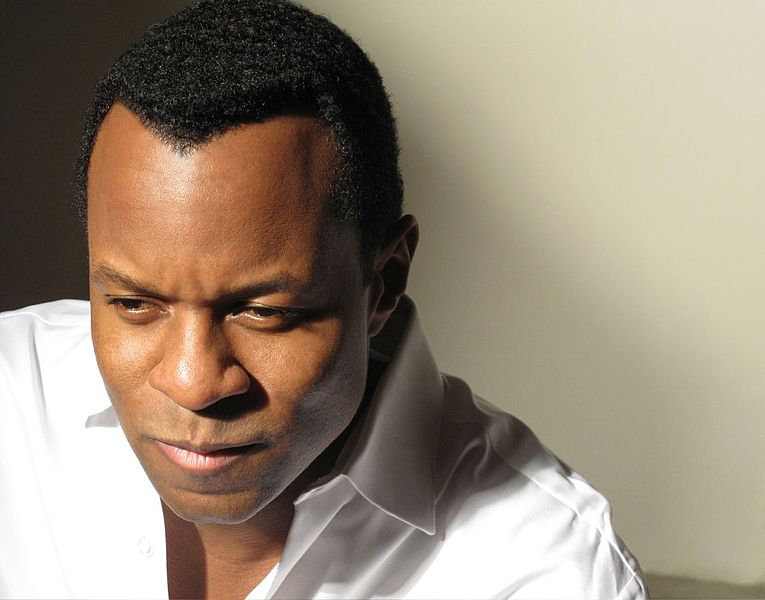 GF: When I was very young, I would write, direct, shoot and edit so many short films that the boundaries became very blurred between writing and directing. My MFA degree is in directing and so I do consider writing a form of directing and directing a form of writing. I’m thrilled with both. There are times the work is utterly exhausting but it’s as rewarding as it is exhausting and I do love them both. Every aspect of filmmaking from photography, editing, and sound editing, I absolutely love it all.
As someone who happens to be a black screenwriter and won several accolades for one of your films, and considering the lack of black film we have on the big screen, what does it take for studios to look at projects from other black screenwriters?
GF: I really don’t know. Audiences can be a big help in supporting any black film but I think it goes beyond that. George Lucas’ approach to Red Tails was inspiring. Perhaps studios can follow his lead. Historically, they’ve done that in many other ways.
When you’re done speaking next week, what do you want people to walk away with?
GF: I want them to walk away with the understanding that they can achieve their dreams but that it may be harder than they imagined. They should be prepared to do the hard work required and realize that they may be gaining things throughout that journey that they didn’t anticipate. They may learn valuable things about themselves and about the world as they struggle. After all, isn’t that what happens with the characters we write? It may take hundreds of pages before you begin to get a handle on the craft of writing and your first scripts may not work. The next five to twenty may not either. However, the ones that do work owe everything to the ones that didn’t.