
Guillermo del Toro on ‘Mama‘Posted by Max Evry
January 15, 2013
 Guillermo del Toro may be known for directing the “Hellboy” movies and “Pan’s Labyrinth,” but he also has nearly twenty features under his belt as a producer, and he often takes it upon himself to use his considerable Hollywood clout to get some very left-field projects made through the system.
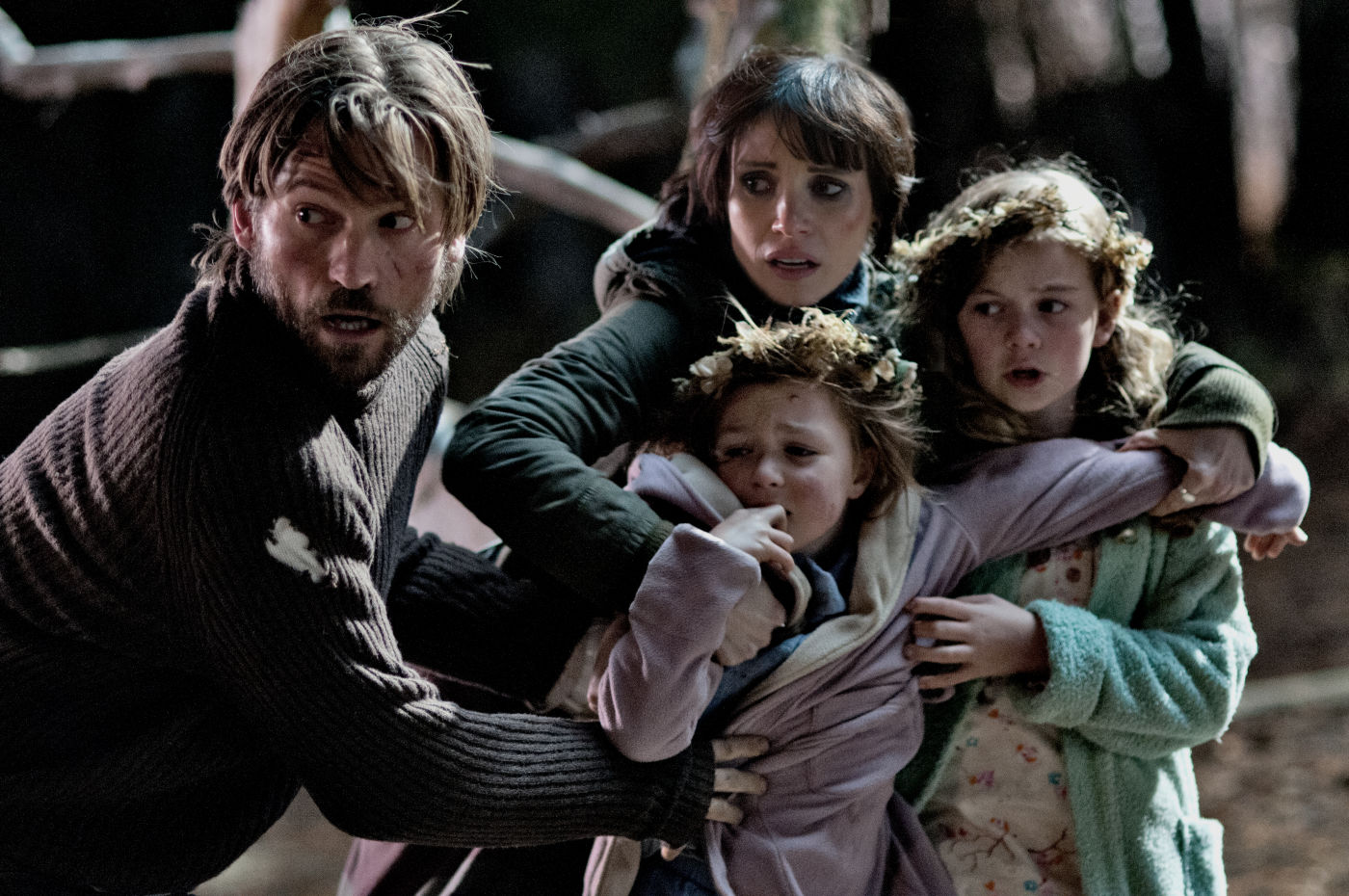
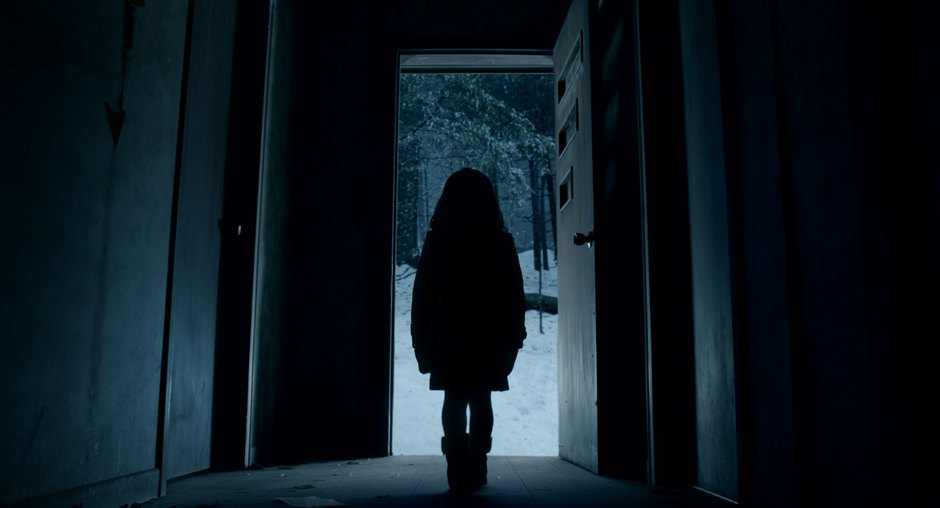
One such movie is Andres and Barbara Muschietti‘s new horror film “Mama,” based on their short film from 2008. It revolves around two little girls who have been discovered living as feral children in the woods for five years, and when they are taken in by Jessica Chastain and Nikolaj Coster-Waldau it is discovered that an evil entity also came along with them.
Guillermo del Toro talked at a press conference in New York about bringing “Mama” to the screen and how he guided the filmmakers in bringing their terrifying vision to life.
What makes a movie scary, and what are places you won’t go within the genre?
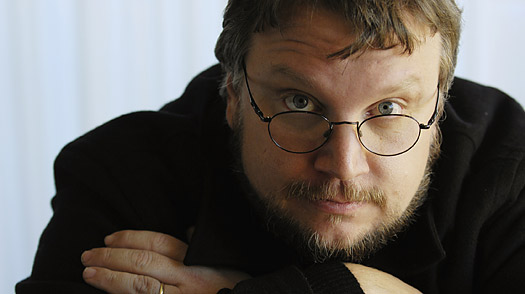 DEL TORO: I wanna believe that there are only two things that work in horror, the very very basics: The things that shouldn’t be but are, and the things that should be but aren’t. For example, you walk into your living room watching TV that’s not scary, but if I tell you your dad died three years ago that’s scary. It’s a thing that shouldn’t be but is. The opposite is you walk out of your house, open the door and the street is not there, you’re in the middle of nowhere, just black space. That’s scary too. Something that should be but is not. You can derive every example in every horror movie from these two simple rules. The rest is really playing with the logic of the world as we know it and dislocating it. Horror works very much like humor, it’s a matter of taste. It’s very hard to say what I would not do, because horror films should have no limits. I would not look down on movies that have graphic violence or gore because it’s one aspect of the genre that is needed. I don’t make movies like that, but that doesn’t mean they should not exist. There are very good movies in that category. Humor and horror… you can never go too far.
What do you look for in films you produce?
DEL TORO: I always produce things that I normally don’t generate. Things that I can be a part of. I can be a functional partner who is just there for the financing like I did on “Splice” with Vincenzo Natali, where I was just more a friend helping a friend. Or I can be as involved as I was in “Mama” or “Orphanage” or “Don’t Be Afraid of the Dark,” so on and so forth. In those cases I try to only produce things that I believe in and that I have an interest in seeing. Most of the time I call this my UNICEF work, because really little comes out of it but moral and artistic satisfaction. Now and then the movies flourish and you helped them exist in the world and that’s great. “The Orphanage,” “Mama,” I’m super proud that they exist and very proud to have helped Vincenzo make “Splice,” but it really is about doing something for the genre. When I direct it’s the opposite, I normally don’t direct anything I don’t write. The only exception, and even then I did a lot of rewrites, was “Blade II.” The rest of the movies I have co-written, including “Pacific Rim.” It’s very hard for me to read somebody else’s screenplay and go “I gotta do this!” It hasn’t happened so far…
How do you define yourself as a director, a creative individual, relegated to the position of producing someone else’s work?
DEL TORO: It was really a matter of collaboration. I have now produced nearly 20 films in Mexico, America, Europe, and so forth, and by now I know how to produce in a way that is supportive and strong but unobtrusive. I produce the way I would like to be produced. Do unto others, you know? I’ve been produced really well and I’ve been produced really bad, so I know the difference. I collaborate with the director knowing I’m not the director, I’m a producer. I push and push, but finally he says “no” I say, “Okay fuck you.” (laughs)
 Talk us through the process of how the film evolved from the short to this feature version.
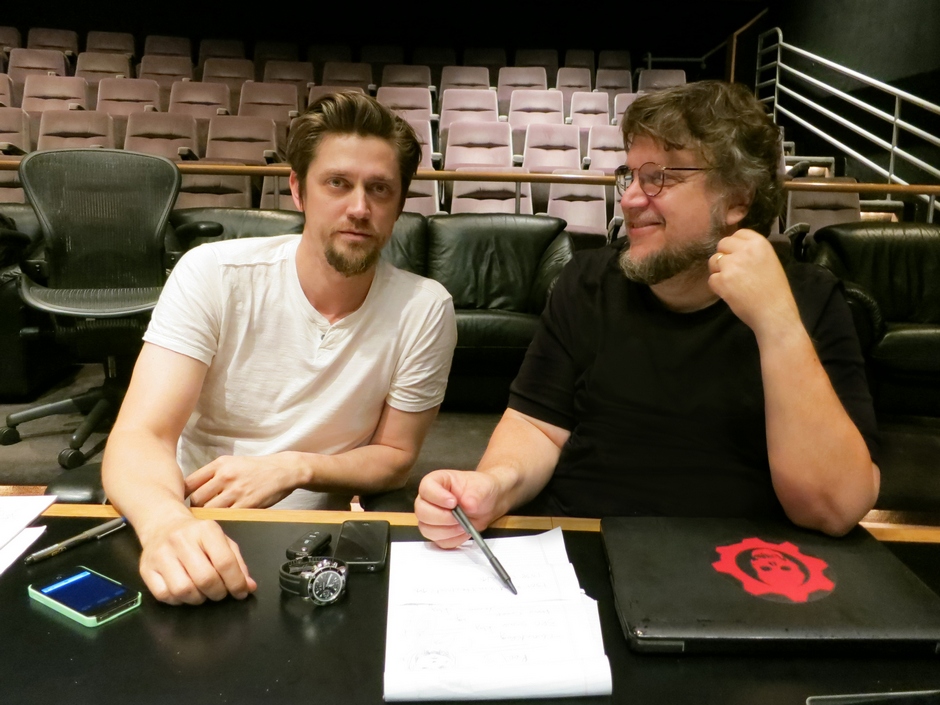
DEL TORO: I saw the short that Andy and Barbara did together around ’07 or ’08, and met with them in ’09 and called them saying “I love the short, I want to come to work as a producer for the feature version. I told them we could produce it as a small European movie with no interference, you can have the ghost played by sock puppets and no one will tell you anything, or we can do it as an American movie and there will be a lot more opinions. I will be your bodyguard, but still the process gets more politically complicated when you get bigger exposure. Those are the two flavors I can offer! They chose the bigger format. I tried to act as a buffer to preserve the idiosyncrasies of what Andy wanted to do. Andy’s style is very European, the ending of the movie is not normal or common in a commercial movie… without spoilers. At the end of an American studio movie like this you would have a sweaty Jessica Chastain in a tanktop with an iron bar saying, “Come here, motherfucker!” with Mama blowing up in an explosion. “Ahhhh!” That’s your ending! To preserve it in character means not making everything alright. The girl was proactive in a male way, which is not what usually happens in these movies. It’s quite a miracle. The process started when they created an outline, we bounced it back and forth, I did a rewrite, they did a rewrite of the rewrite, we hired Neil Cross and went back and forth again. We kept going and going and the financing was done in a way that we got control of the picture. We co-produced between Canada and Spain, and knew that Universal’s investment was small enough that we could be creatively more free. We delegated strongly, Barabara was very clear with Andy that we needed to be fiscally on time and on budget in order to be left alone. Every time we insisted on something being resolved quickly… it’s like they say in “Barton Fink,” “They’ve taken an interest! You don’t want them to take an interest!” (laughs) Fortunately for us the partnership with Universal was so good that at the end of the process we showed them the film with that ending… we had arguments for the defense ready, we were all loaded with a pistol in the sock and knife in the belt, but they came out and said they loved it.
“Mama” opens everywhere this Friday.