
ND/NS 2016: T.W. Pittman Talks About Co-Writing and Co-Directing ‘Nakom’Posted by Wilson Morales
March 16, 2016
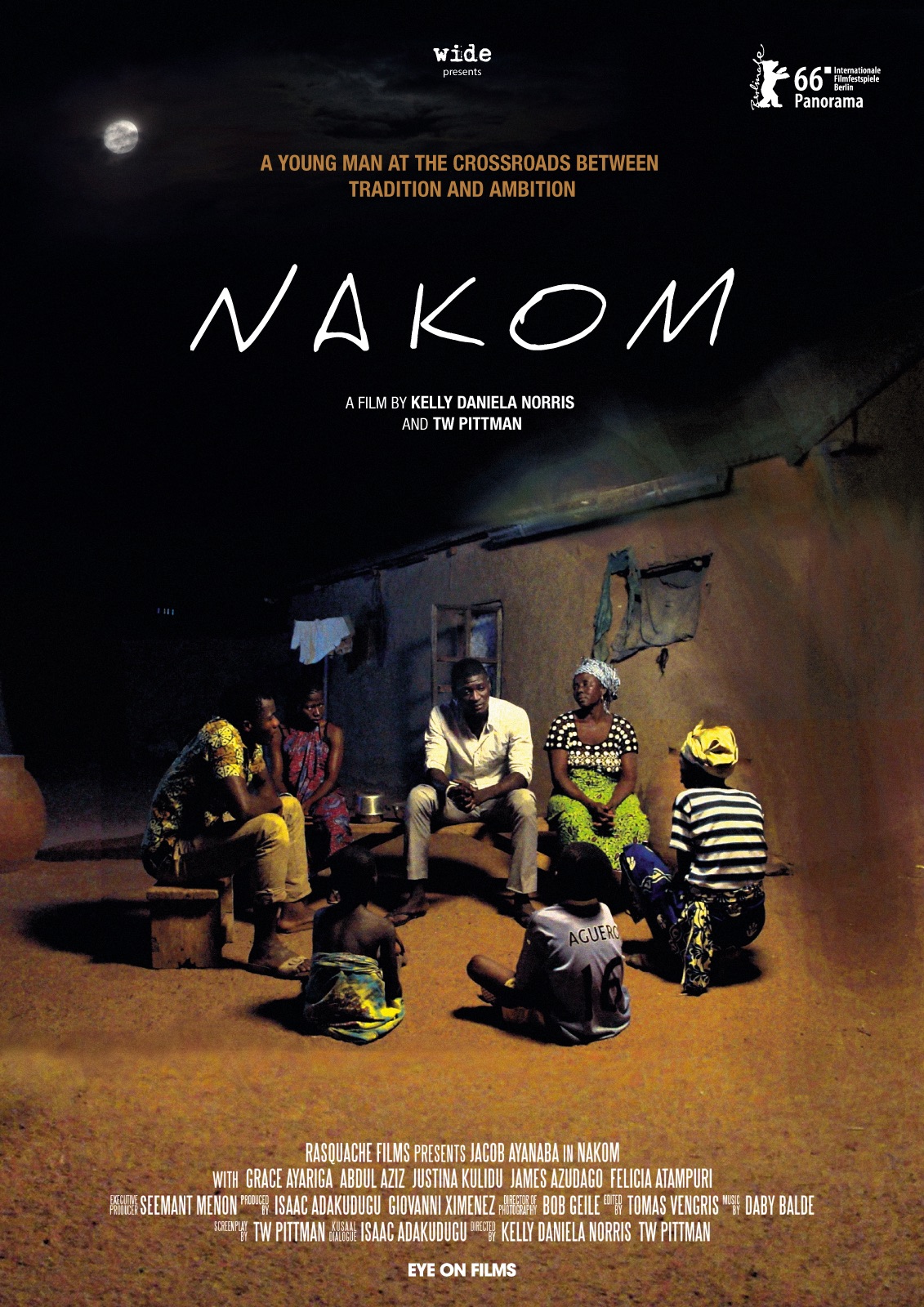
Making its North American debut at New Directors / New Films this weekend is NAKOM, rare film from Ghana directed by T.W. Pittman and Kelly Daniela.
Featuring a nonprofessional cast (Jacob Ayanaba, Grace Ayariga, Abdul Aziz, Justina Kulidu, Shetu Musah), this is the first feature film made in the Kusaal language, and filmed in a remote African farming village.
When his father dies suddenly, medical-student Iddrisu (Jacob Ayanaba) leaves the good life in the city and returns home to Nakom, a remote farming village. He’s now the head of the family, and he finds he must repay a debt that could destroy them all. Over the course of a growing season, Iddrisu confronts both the tragedy and the beauty of village life and must choose between a future for himself in the city or one for his family and the entire village.
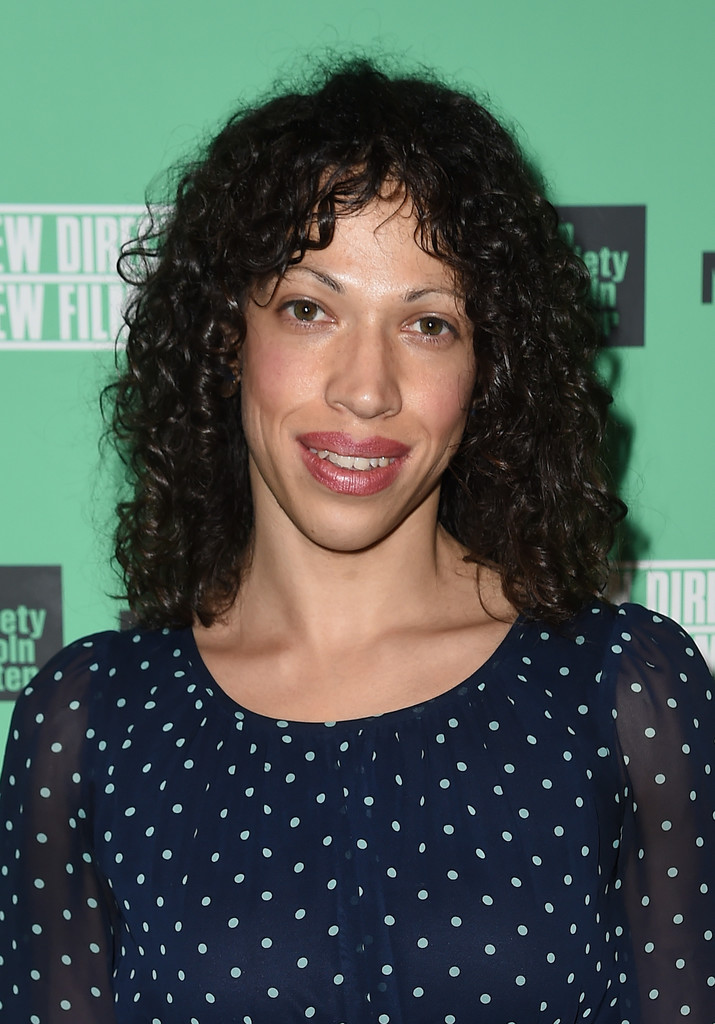
For Pittman, a trans-woman, writer and producer with Rasquaché Films, this makes her feature directorial debut. She co-directed the film on-location in Ghana, largely in the rural village where she once served with the US Peace Corps. Previously, she produced the Cuba-set feature SOMBRAS DE AZUL, which is among the only Cuban-American co-productions in 50 years of the U.S. embargo.
First question is, obviously you’re working with a co-director, how did you craft this and put this story together?
T.W. Pittman: Well, the story came from my time living and working in this little village in the north eastern part of Ghana. I was there for two years and I wasn’t doing anything related to film, but it was an incredibly eye-opening experience just as far as a totally different way that a human being can exist on the planet. A lot of struggle and difficulty, but a lot of beauty and community and spirit and humor and all these wonderful things as well.
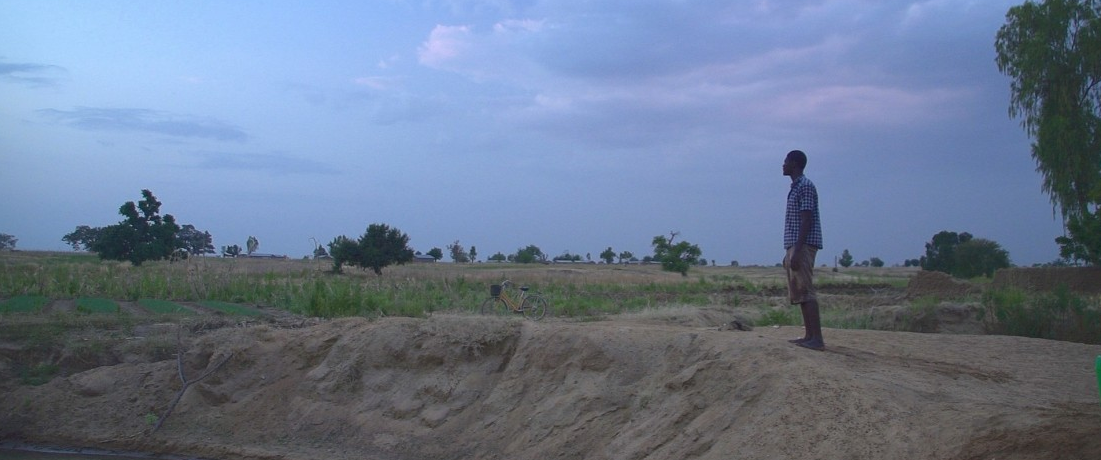
I was inspired and ended up collaborating with a young film maker from that village, Isaac Adakudugu on the script several years later and then we went back to shoot. Of course, I was working with Kelly, who’s been my partner in film for close to ten years now. I couldn’t imagine staging a production like this without her. She had actually been to visit me when I was living there, so they were familiar with her and love her. That kind of trust that was required to stage this production with all known actors in this little community where basically no part of the community wasn’t involved in the production. The level of trust required was huge and really required that intimate relationship.
How long did it take you to get an understanding of the culture and the obviously incorporating that into film without throwing too much into it?

T.W. Pittman: I had been living there for two years, and then we were shooting for about four months. I think as far as the developing an understanding of the culture was from that time living there, which didn’t related to film, which didn’t relate to this production, it was just being a part of the community.
Was it important to craft a universal story as opposed to making it for just a certain audience?
T.W. Pittman: Yes. I think it comes naturally. I think there are two things going on. One is that it’s grounded in this very specific setting and culture and characters, which is huge for me as far as trying to create developed characters and then letting them kind of dictate the action, dictate the course of events.

The other thing is almost because of that specificity, it has that universal quality where we can achieve these varied pretensions within the family, whether it’s like this dynamic of the good son and the underachieving son, or the jealousy between siblings. These things, I think, are totally relatable, although we’re extremely different on the surface, I put a lot of myself into that main character, Iddrisu. He is Muslim and I’m not; he’s American and I’m not male and I’m not. It really helps to make him a fully developed character.
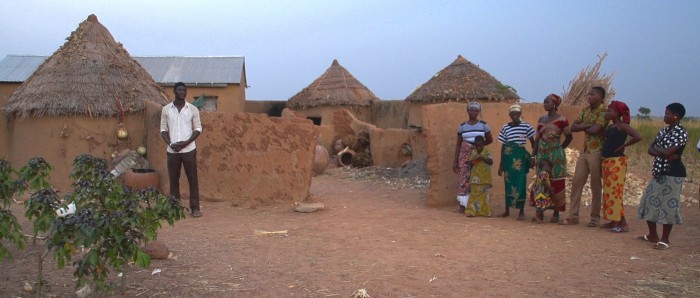
There are similarities as far as like, the temperament and I’ve had this experience where I was actually a caregiver for my mother off-and-on, and feeling that pull, that obligation. Having to do something that you know you have to do, but you don’t necessarily want to do, and how that manifests on one’s individual psyche and behavior. You know, so you do see he gets frustrated and lashes out and something that I do, but as he learns to live more in the moment and has that turn around, we see his natural leadership qualities come out and just starting to be a better person.
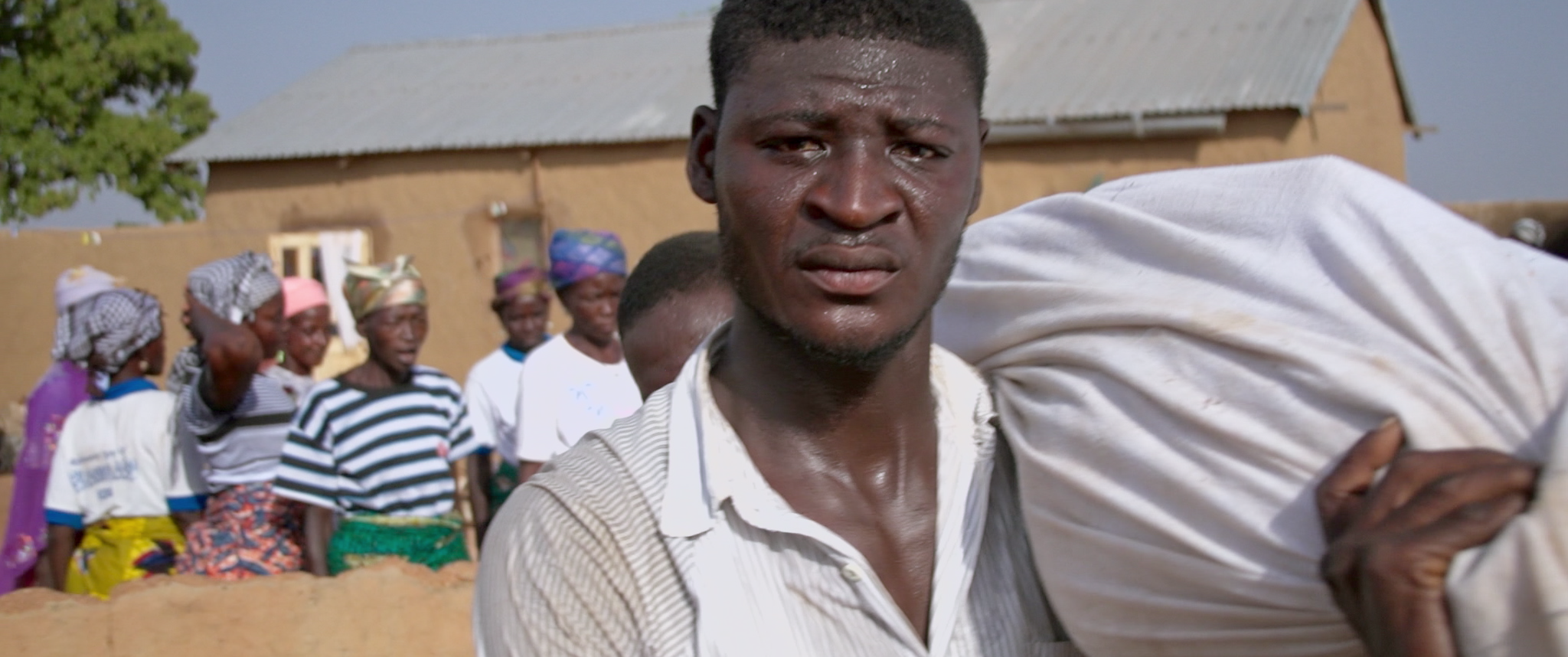
Can you talk about working with Jacob? How did you find him? How was getting him to personify the character that you wanted on screen?
T.W. Pittman: He was a miracle. It was extremely lucky that we found him. We auditioned quite a few people, but of course the actual casting really became challenging because the language is only spoken in this very small part of the country. We needed someone who had this ability, had this charisma, but could also speak English fluently and could speak Kusaal fluently. That really narrowed down our pool of potential actors. He had been in a couple of dramas in high school, but aside from that, he was totally new to acting and we ended up finding him through a friend of a friend of a friend, and he just blew us away. It was immediately clear that he had this kind of star quality.
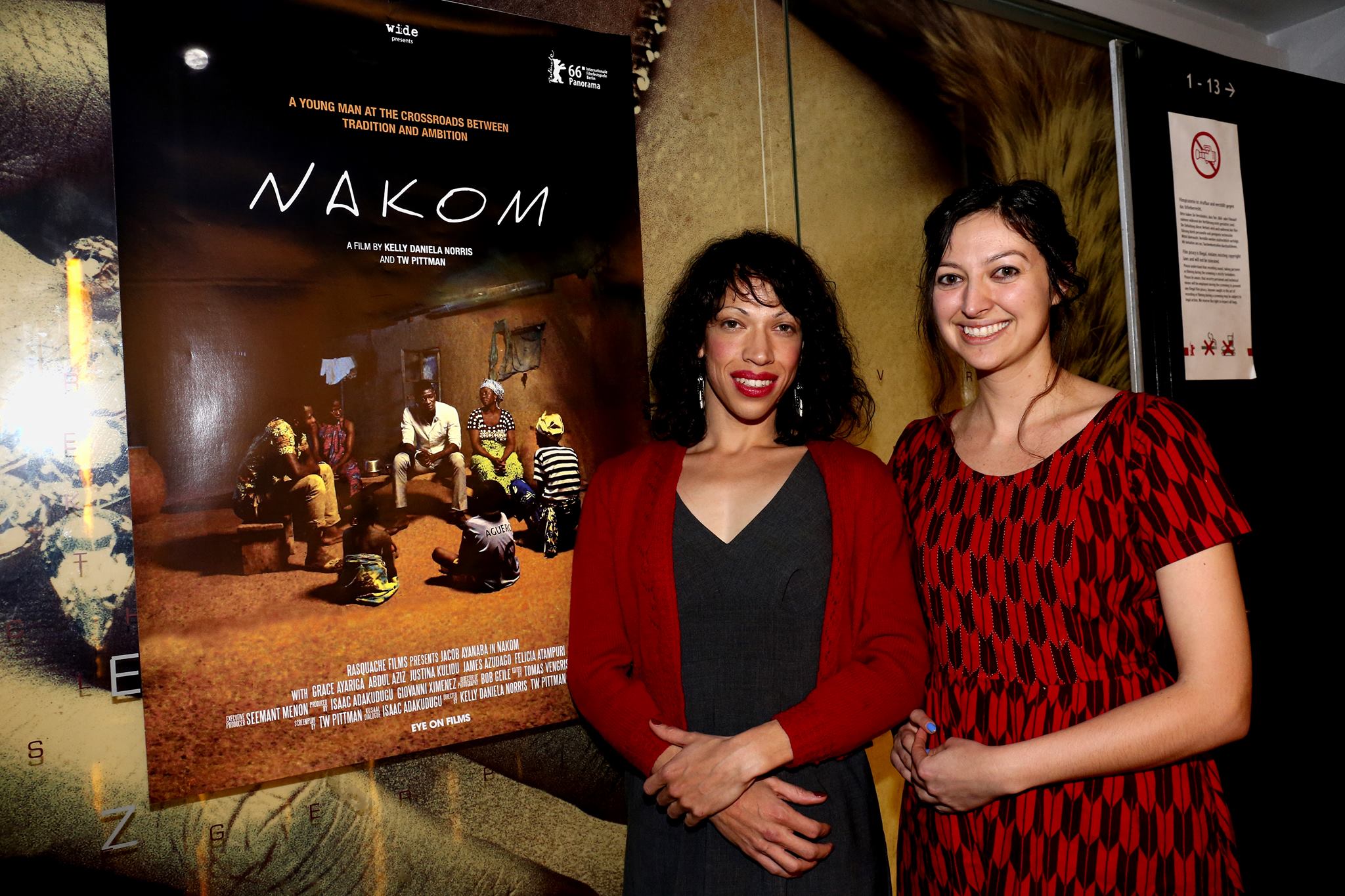
It’s rare that you see two female directors on a film, especially when you have the lack of females that we see in that field. What does that say for you?
T.W. Pittman: As far as Kelly and my partnership, we approached it knowing that we immediately have this compatibility as far as the films that we were interested in, the films that we like, even the stories that we were interested in telling. As we’ve worked together, we had this realization that anything that we did together is going to be better than what we do as individuals, so we always put the work first. That dictates why this partnership is so essential.
It’s hard to be an independent film maker, especially at the level that’s very micro-budget level that we’re operating on. There’s so much to do for one thing, so, you know, as far as splitting up tasks and we’ve got a little production company, it’s essential that we are able to tag team as we move forward, not really worrying about credit, not really worrying about who does what, more just about, again, the work and putting that first.
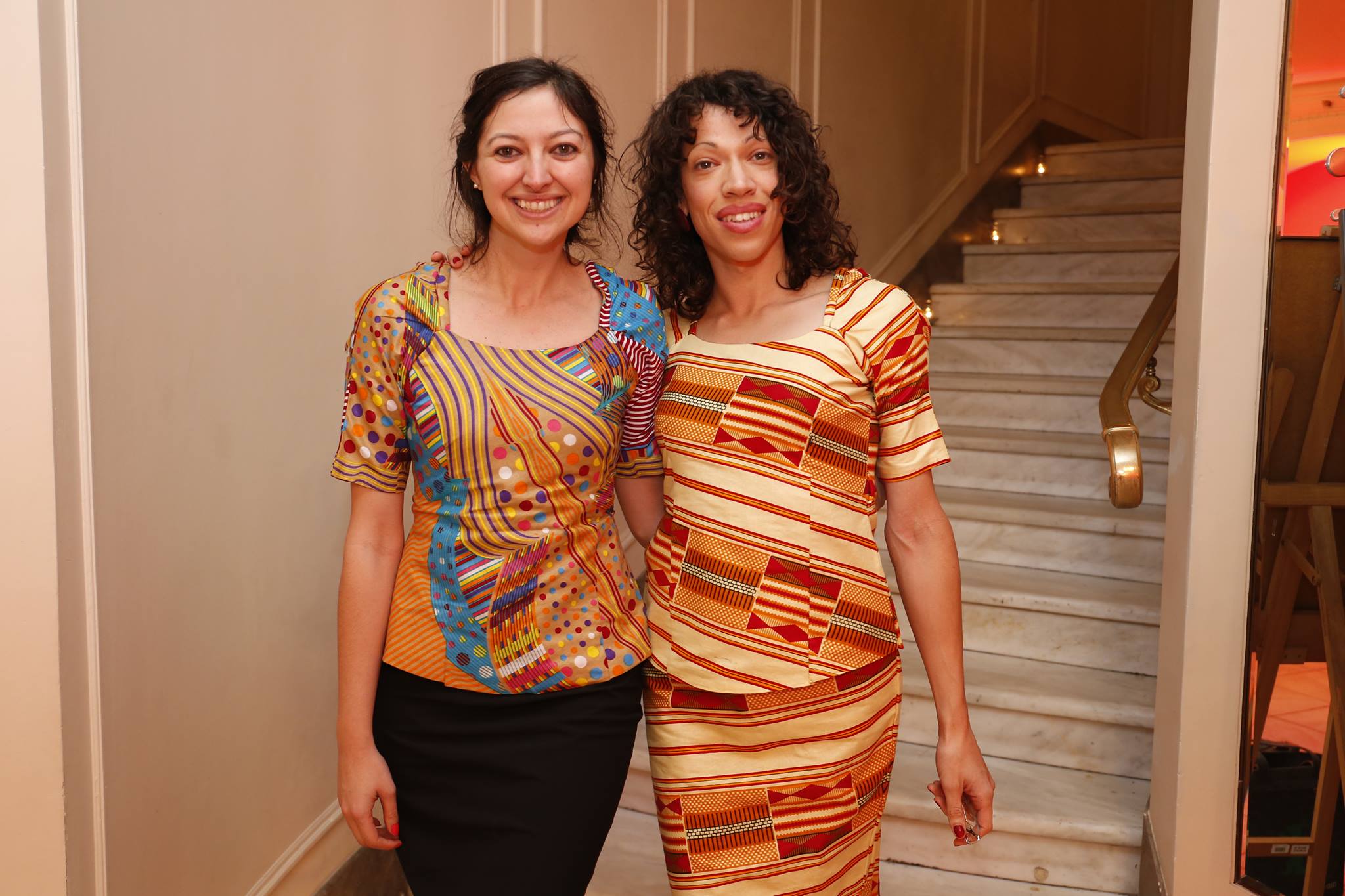
As far as us both being women, obviously it’s a huge issue right now as far as representation. I’m actually a trans-woman and there are also issues with misrepresentation there as well. It’s not necessarily something that we think about on a day-to-day basis, just because we’re coming from so outside the industry that we basically created a situation where there’s nobody to tell us no. The two… This is my first strip at director. Kelly had one previously that we shot in Cuba. It’s in Spanish, called Sombras de Azul. Both of them were privately financed for the production phase and then for post production, we did some crowd funding, got some grants luckily, but being in this position where we’re setting our own terms and working kind of outside the industry and not going to somebody expecting an answer and being in a position where you’re made vulnerable and made to have to prove yourself.

At then end of the day, where do you go from here? Do you have another project lined up?
T.W. Pittman: Yes. I have several projects lined up. Actually working on a new script. I got lucky. I got a residency in Washington State that I’ll be going to right after New Directors. I would love to see this film in theaters. It’s a challenge because of the setting, because it’s so specific, because it doesn’t have stars in it. You need the stars in it obviously, which is the same boat that a lot of independent films are in. Certainly being in a foreign language is a challenge in America. I think the art house market is changing year to year. We’re looking at different avenues and we’d love to get as much exposure as possible and in Ghana. That has been a huge goal. We ultimately would like to take it back to the village of Nakom where we filmed, which is going to be such an amazing experience and hilarious and emotional to show it for that community.
NAKOM will play on Friday, March 18, 8:30pm at Walter Reade Theatre, followed by another showing on Saturday, March 19, 2:00pm at MoMA Titus 2.