
NYFF 2015 Exclusive: Composer Alan Silvestri Talks The Walk And His 15th Collaboration With Robert ZemekisPosted by Wilson Morales
October 7, 2015
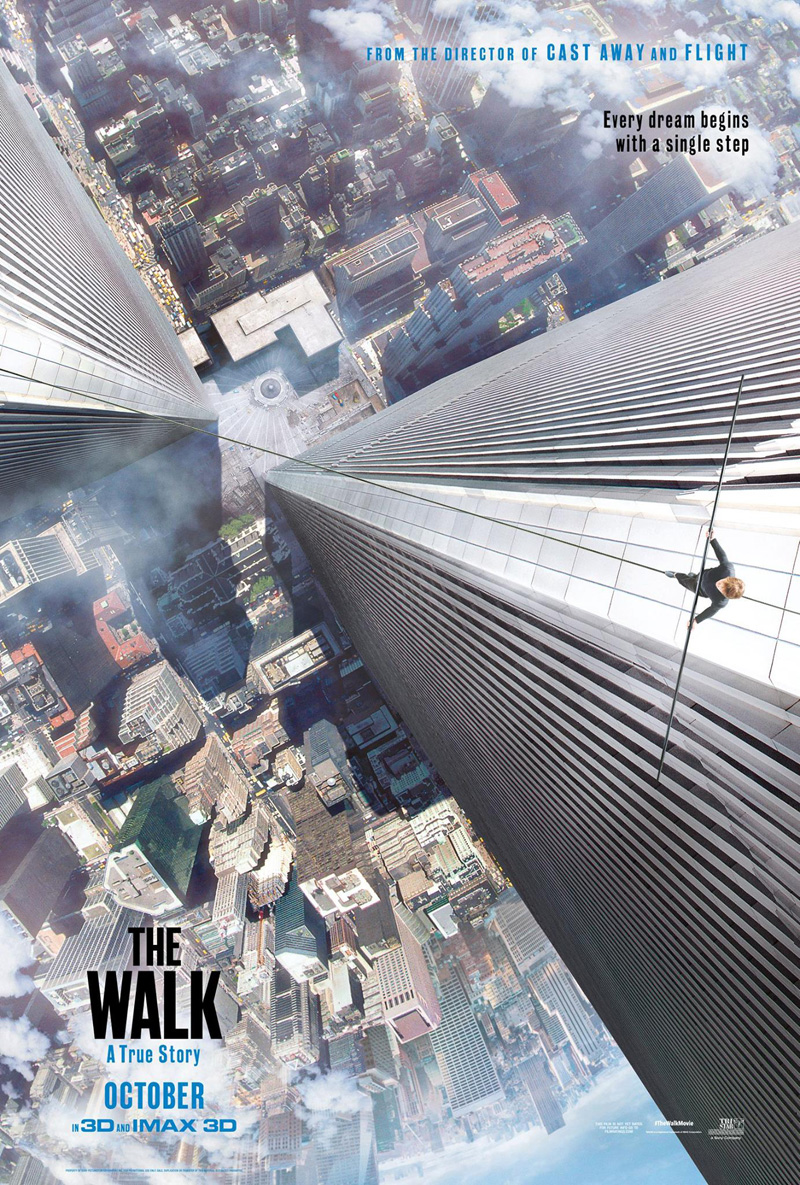
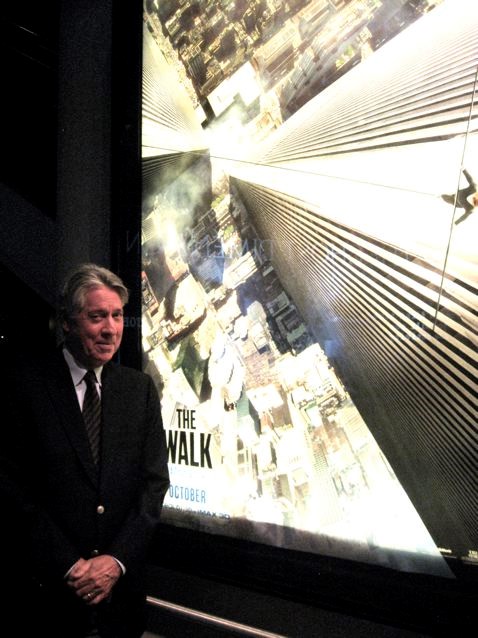
After opening up the 53rd New York Film Festival and currently out in theaters is The Walk, the story of how famed Frenchman Philippe Petit became famous for his high-wire walk between New York City’s Twin Towers of the World Trade Center in 1974.
Twelve people have walked on the moon. Only one has ever, or will ever, walk in the immense void between the World Trade Center towers. Philippe Petit (Joseph Gordon-Levitt), guided by his real-life mentor, Papa Rudy (Ben Kingsley), is aided by an unlikely band of international recruits, who overcome long odds, betrayals, dissension and countless close calls to conceive and execute their mad plan.
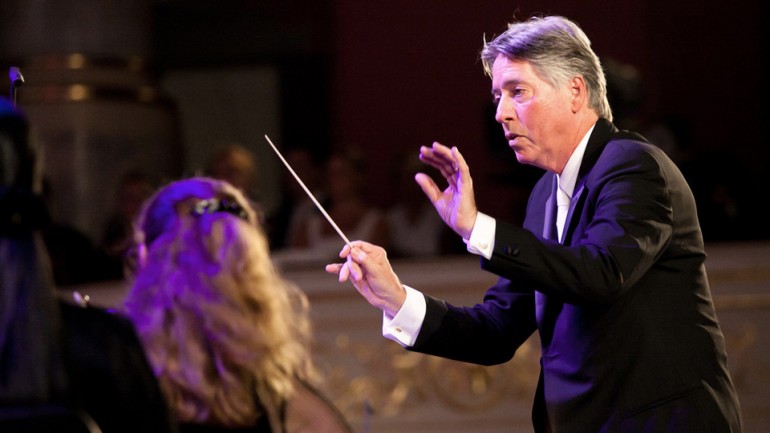
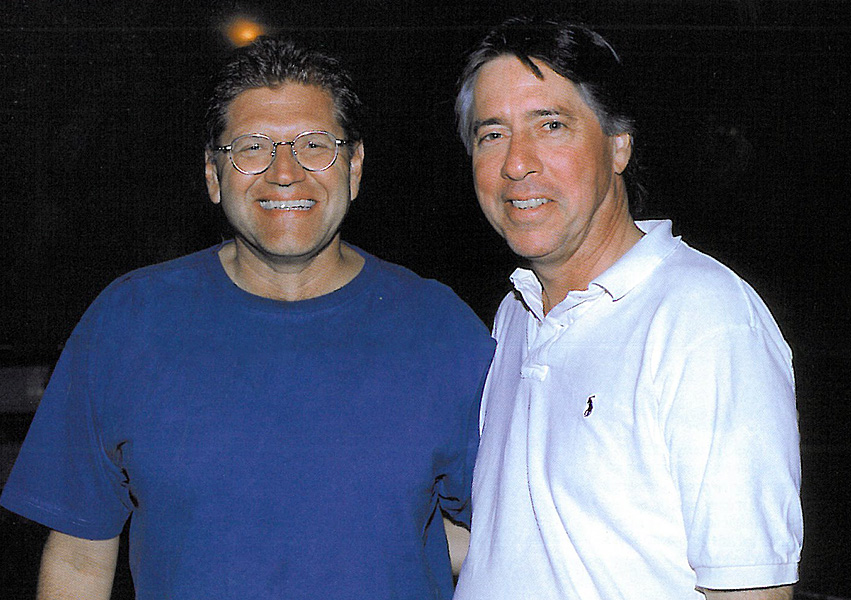
Directed by Oscar winner Robert Zemekis, the score is composed by his frequent collaborator Alan Silvestri. This marks their 15th collaboration on films that Zemekis has helmed. From Romancing The Stone, Back to the Future, Forrest Gump, Cast Away, Polar Express, Beowulf and Flight, the music to each film has its own unique sound and with The Walk, comes another score that mixes the uses of comedic, suspense and emotional tones.
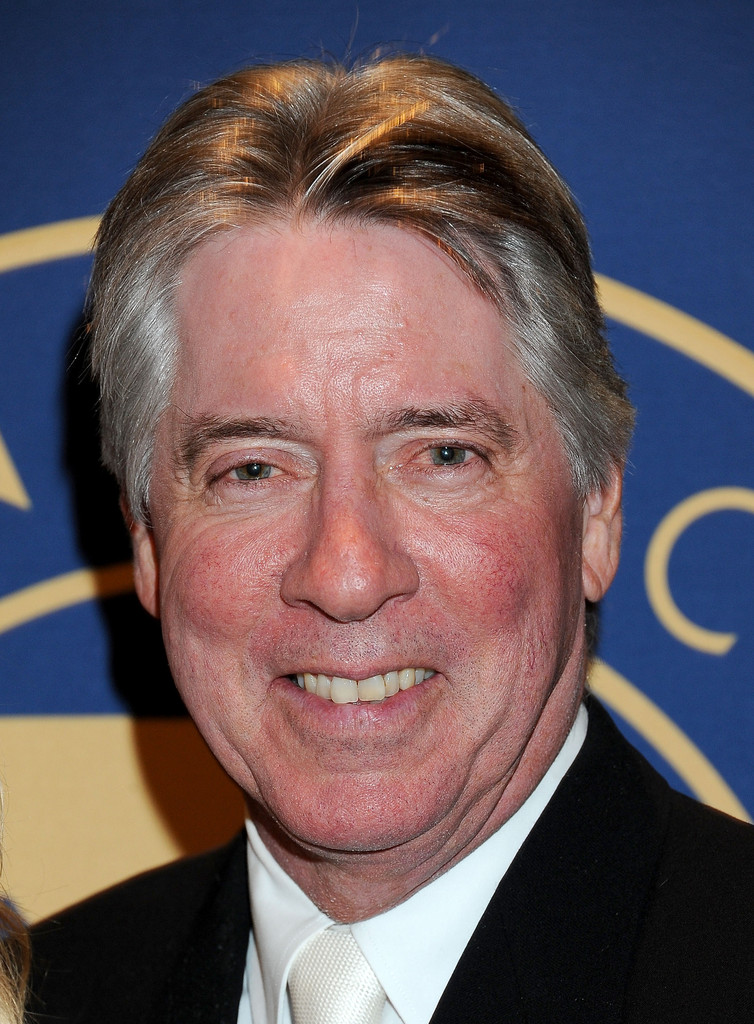
While there has been a number of director-composer collaborations, it’s rare to find more than five of them that worked together for more than 30 years with over 13 films.
In speaking exclusive with Silvestri, he spoke with Blackfilm.com about his work on The Walk and his long lasting working partnership with Robert Zemekis.
You’ve got a new soundtrack, new score. 15 films, one guy. What makes every score that you’ve done with Mr. Zemekis different?
Alan Silvestri: I think it’s hopefully what we all strive for. I think the way to making it different is to really paying attention to the film. Every one of these films is different. I follow the narrative, the tones, the look of the film and hopefully it provides all of us who works on the film with a kind of unique perspective to that particular film.
With The Walk, there’s several elements in here. There’s a comedic tone, and then it gets to the suspenseful tone before you tack on an emotional tone. What’s the challenge of throwing in a score that you haven’t done before?
Alan Silvestri: Just the very fact that you haven’t done it before I think is the challenge. Once again, it kind of forces one to consider this as a new experience, almost like meeting a new person and beginning the conversation and the relationships.
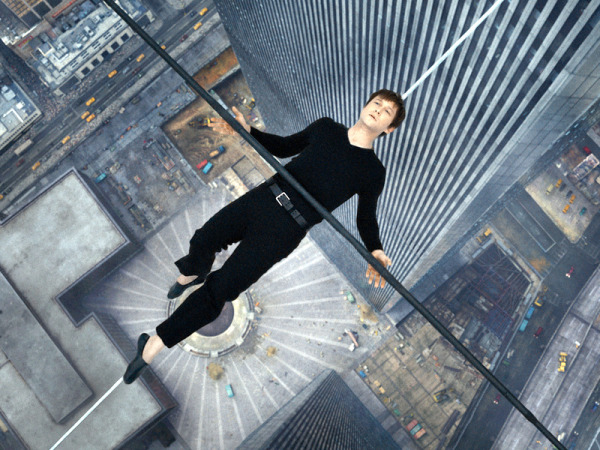
You’re right, this film had lots of musical needs. The interesting thing about it scoring-wise was even up on the wire, we’re having to move back and forth from a kind of comedic sensibility to a fearful sensibility to almost a spiritual sensibility. It’s all on the face of Joseph Gordon-Levitt playing the lead. At the point he’s up on the roof, he’s somewhat terrified and confident. Then when the cops are out there, he starts to have fun all of a sudden. You’re absolutely right. There are many different moods needed for this film.
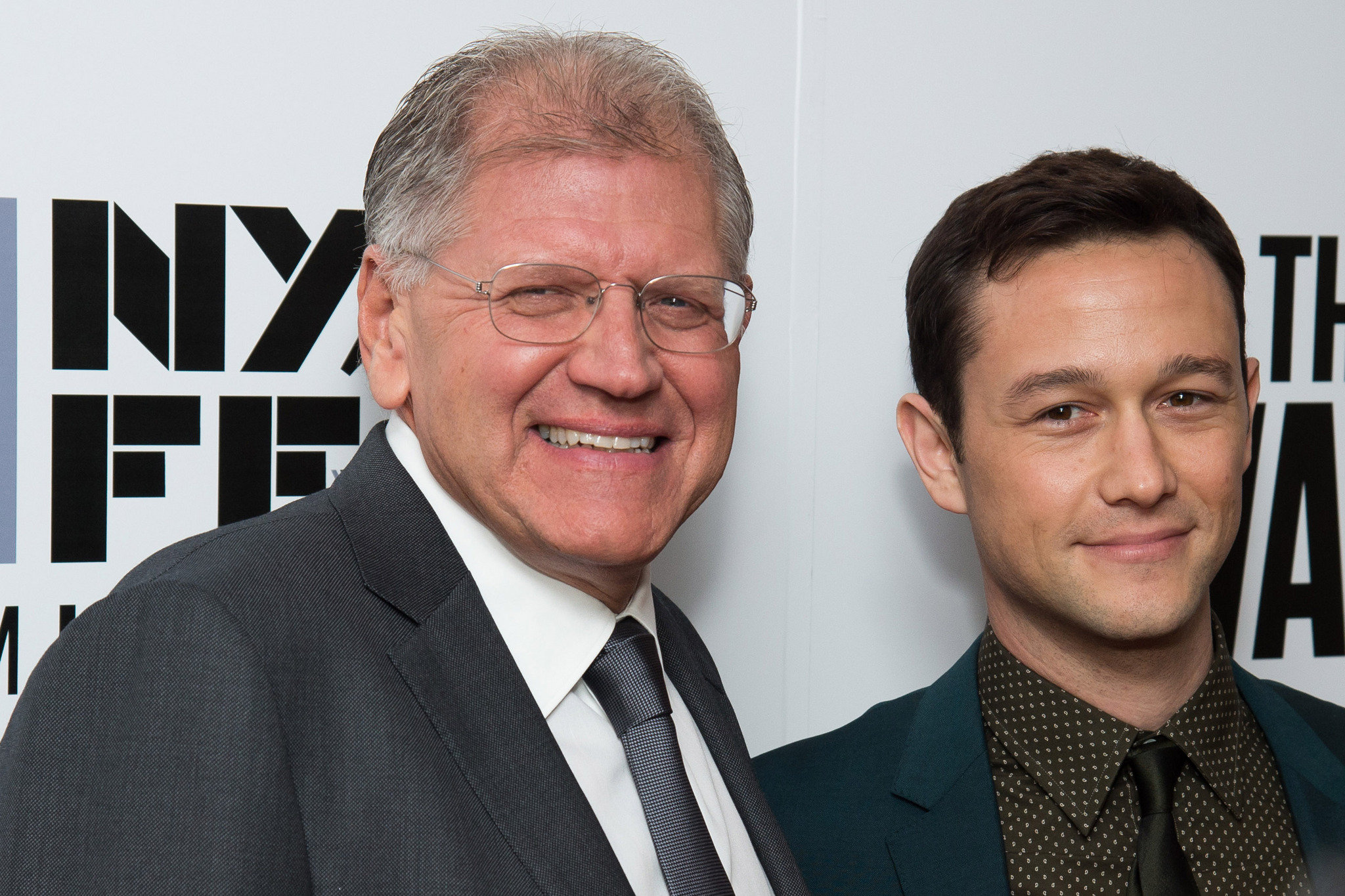
As often that you have worked with Mr. Zemeckis over the years, does he leave you alone, or do you have to often go back and change a tone or so?
Alan Silvestri: He does both. He leaves a tremendous amount of room for me to bring my sensibility to his film, but I can honestly and truly say from experience that no one knows the full depth of his film the way he does. From that point of view, I always use the boat analogy. He’s our captain and you hope and trust that your captain knows a lot more about the missions. Right now the mechanics of the ship, then pretty much anyone. There are always times where I don’t exactly hit the mark and he’s always the most gracious and lovely about it. If it requires going back in and reworking a piece of material, it’s done. It’s whatever needs to happen in order for this to be his vision of the film.
Usually when I’m listening to scores and if it’s a long- let’s say whether the album has 15 tracks or more, you usually will get a track that’s maybe a minute. Then later on you’ll get the longer version of it. Is that something you did for this movie where you added in the comedic element at the beginning and then obviously as he’s doing the walk you went back to it?
Alan Silvestri: What I try to do, and there’s kind of a double mission with the soundtrack album, it’s nice for it to be a kind of sonnet impression of the film. Part of that has to do when able with the continuity. I like if, possible, to try to preserve the chronology of the film. I think it makes for a satisfying film score experience if you can sit down, listen to the album and in a sense it’s taking you back through the film.
Sometimes just because the nature of the material, you find yourself having to go out of sequence. I think for the most part, we attempted to go in chronological order for the album. The film had more of this set up material, some of the lighter things that were used in an earlier life in front of the film. That’s how they are on the album so that the album really does in a sense really track long with the narrative of the film.
What works best for you? Watching a film it’s entirety and knowing where you’re going to place your music or doing it as it’s filming along?
Alan Silvestri: You do whatever you can and whatever your way is in to the film. Watching it certainly in its entirety in the beginning is very helpful because you immediately get an overview of the film. It really depends with me. For instance, on a film like Forrest Gump, I started literally…I saw the film but then I started from the very beginning of the film and worked through the film in sequence. It was the only way I could do it.
In The Walk, I think when anyone sees this film, they will know how important the rendering of that walk itself was to Bob Zemeckis. In this case, I started to work on the film in sequence, and after a few conversations with Bob, we immediately both felt that I had to go out on the wire right away. Until I went out on the wire, I wouldn’t really have my bearings as to how to score the film before that point or after that point.
I just went up on a wire. At the que when Philippe Petit (Gordon-Levitt) steps off the building and puts his foot on that wire for the first time, that was the first piece of music that I addressed.
Most composers have a signature track or tone that fans can recognize. Is that something you pay attention to?
Alan Silvestri: Obviously anyone who writes music will have a voice. Hopefully they’ll have a voice. This is something that I think you can consider even with our most famous composer. You can identify a piece of music that’s written by one of your most favorite famous composers. There’s a reason for that. It’s just like hearing the sound of someone’s voice. It is a signature. There are turns of phrases, there are rhythmic aspects that are part of the voice of a composer.
In a way I don’t really think of it. I think of the way I approach the writing of the score to be very conversational. It would be, for instance, if you and I met at a cocktail party, you would perhaps tell me about how you had this radio show and we would begin the conversation from there. Then if I walked and got somebody else in that party who was interested in fly fishing, we’d be talking about that. Yes it would always be my voice and it would be recognizable, but somehow the content and all the rest would be appropriate to the situation.
It’s how I see working on a film. I don’t sit there. I try to remember a conversation I had with you when I walk up to the next guest at the party. There’s no reason to do that. I just start talking.
You’re one of the fewest composers who’s been able to work with one guy for a 30 year period. Did you ever think you’d be working with Mr. Zemeckis for this long period of time. Can you talk about your relationship and working on 15 films?
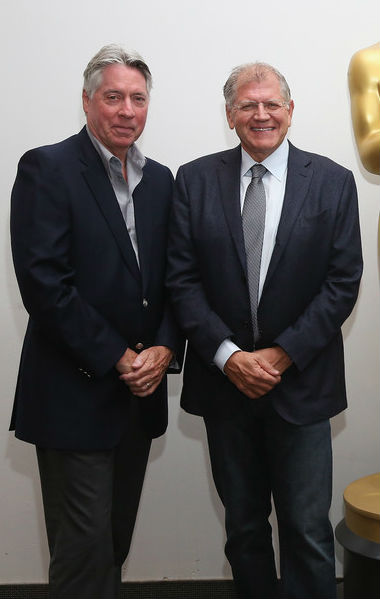
Alan Silvestri: I’m thinking now that The Walk might be 19. I’m not completely sure, our first one together was Romancing the Stone. I’ve done every one of his films since then. You’re right. This is a very rare occurrence in the film world. It’s amazing because I think it’s 33 years now since we did Romancing the Stone. It is like any other kind of long term relationship. We have a tremendous love and respect for each other, we have, after all these years a kind of, what Bob would call, short hand. We have this tremendous resource which is all this time we’ve been together and all of the different kinds of films we’ve done together.
We have this kind of private vocabulary, if you will, that allows us to work in just an amazing way. No I could never have imagined that first morning I met Bob on Romancing the Stone that after 33 years we would still be making films together and still be as excited about it as we were then.
The Walk just opened up New York Film Festival, and it got great reviews. It’s now out in theaters. Is there anything you haven’t done as a composer that you’d like to do but you probably say to yourself, Mr. Zemeckis won’t go for it because it doesn’t go with his type of films?

Alan Silvestri: I would say in a way he has surprised us over and over and over again. I think there are a lot of films left in Robert Zemeckis. He continues to take me and everyone else on his team to these interesting unpredictable places. I really don’t have this kind of bucket list if you will of things that I really want to do.
For me, it’s more about taking each film as it comes and just trying to do the best I possibly can with it. I’ll let Bob take care of pioneering the new world and of course very appreciative that he continues to include me in his path.
Of the scores you’ve done for him, and each one score is different than the other, but is there any favorite of yours?
Alan Silvestri: That’s an interesting question and it’s one that I always kind of liken to somebody saying hey you have three kids, which one’s your favorite? What one tends to do is go, I love them all. They’re all different. That’s kind of how I feel about film. I do have certain kinds of memories of certain films. It’s not so much about the music, it’s about the milestone it was for something in life.
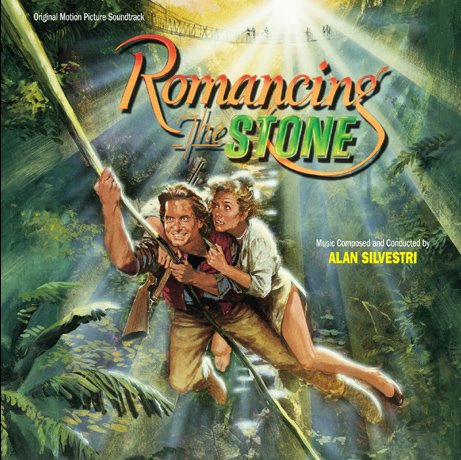
For instance, Romancing the Stone was the first time I had a chance to do what was called a big studio film. That was something that brought me into a new world of possibility as a film composer. That’s a special memory. Back to the Future was the first time I had worked on a film that had that level of financial success, which was incredibly exciting to be a part of.
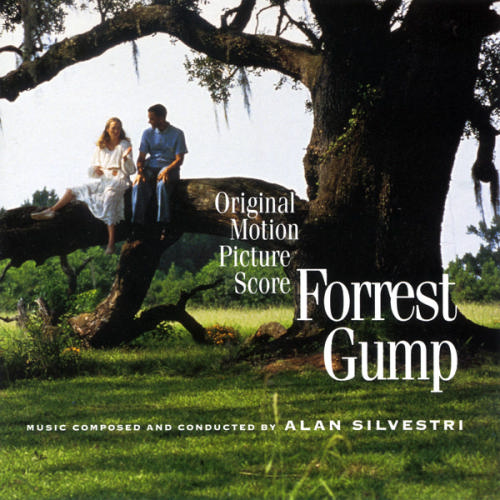
Forrest Gump was the first time I had worked on a film where the audience had embraced the film on such a level. There were people who hadn’t been to a movie theater for 50 years and they found a way to leave the house and go see Forrest Gump.
There are different reasons that why there’s fondness for certain films. In terms of them all being my children, I’ve worked as hard on every one that’s come up and try to do the best I could. Also maybe most importantly I’ve learned a tremendous amount on every film I’ve ever done. Films that would be considered good ones and bad ones. There’s always a lot to learn all the time.
You’ve done a great job. It’s been great talking to you. Whether it’s with Mr. Zemeckis or anyone else, we’ll still be there listening.
Alan Silvestri: That is tremendous. I want to say I really appreciate your support of film music. It’s something that is spectacular for all of us who worked in that field and folks like you who support it and have supported it for so long, make a tremendous difference.
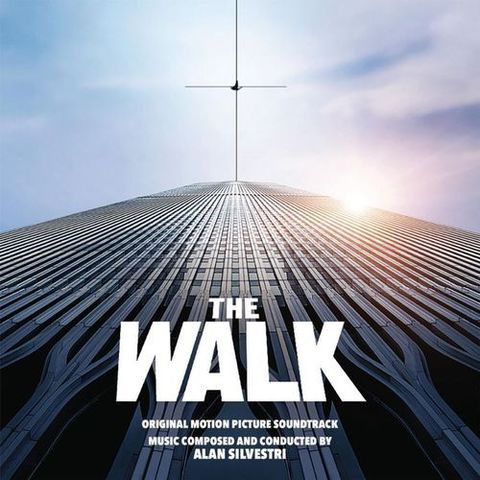
Music from The Walk by Alan Silvestri