
Producer/ Co-screenwriter Damon Lindelof talks Star Trek Into DarknessPosted by Wilson Morales
May 14, 2013

Coming out this week is the sci-fi adventure film, ‘Star Trek Into Darkness,’ which is the follow-up to the 2009 blockbuster film.
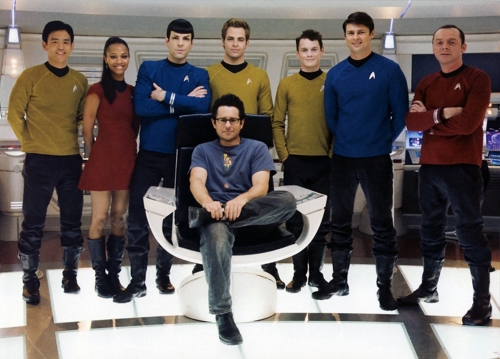
Director J.J. Abrams is back at the helm as well as the returning cast members Chris Pine, Zachary Quinto, Zoe Saldana, Karl Urban, John Cho, Bruce Greenwood, Simon Pegg, and Anton Yelchin. Playing key roles in the film are the new additions of Benedict Cumberbatch, Alice Eve and Peter Weller.
After the crew of the Enterprise finds an unstoppable force of terror from within their own organization, Captain Kirk leads a manhunt to a war-zone world to capture a one man weapon of mass destruction.
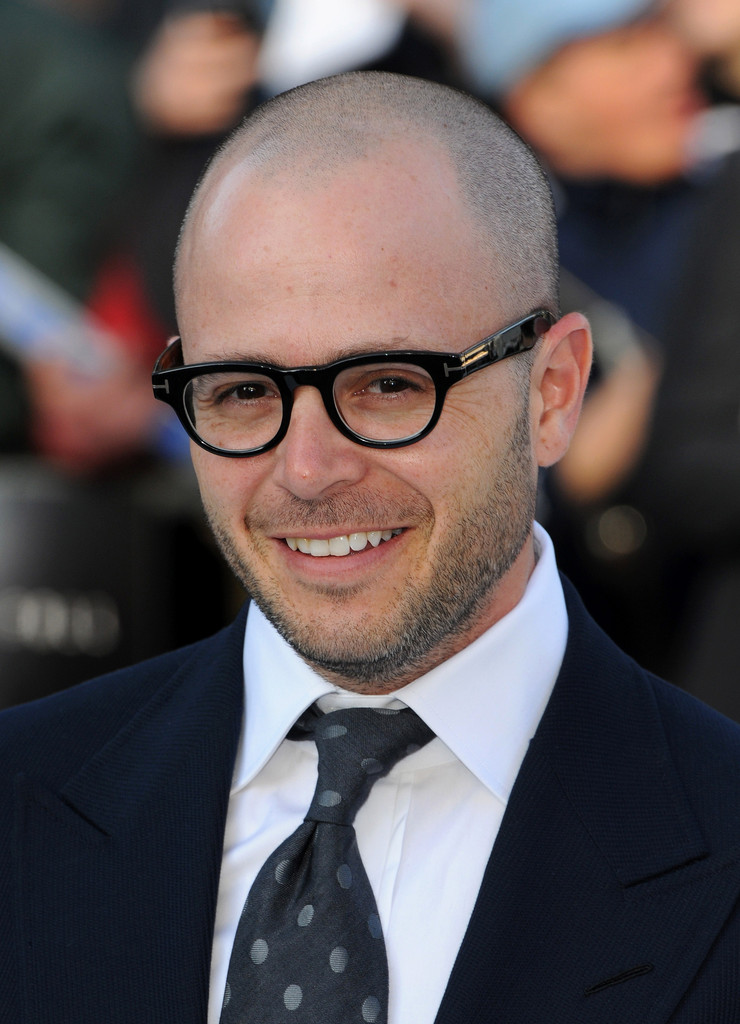
Among the crew who worked on this film and has worked with Abrams in the past is Damon Lindelof, who is serving double duty as one of the producers and co-writers of the film. The Teaneck, NJ native is best known as the co-creator (with Abrams) and showrunner of the acclaimed television series Lost (2004–2010). He also co-wrote the screenplays for Jon Favreau’s Cowboys & Aliens and Ridley Scott’s Prometheus.
Blackfilm.com recently spoke with Lindelof about his multiple roles on the film and the challenges on marketing the film.
What was more challenging for this film, putting together the story or marketing the story?
Damon Lindelof: That’s a very insightful question. I think it’s about weighing which was more difficult because at the moment that you are in it, it always feel that when you breaking the story, that’s the most difficult part; and when you figure it out and reach some conclusion, it inspires some confidence as misguided as that may be. Then when you get over the hump and say that was tough, you then get into the marketing phase and the same thing happens again. What are we going to tell people? What are we not going to say? How much of the story are we selling? What characters are we pushing? What action elements do we show? and etc, etc… Those questions themselves become a massive challenge because you want to maintain some degree of surprise for people who are going to see the movie but at the same time you want to get people into the theater. So, to answer your question, at the time that they are happening, both aspects of the story are immense challenges. It will be much of an easier question once the movie opens.
Where does social media play into the marketing aspect of the film? Does it force your hand in a way to be more controlling?
 DL: Yes; and the reality is that social media provides a shortcut for those who want to know. Not to reduce it to a simply binary construct but there are two types of people in the world. There are people who love surprise parties and there are people who hate surprise parties. The people who hate surprise parties want to do everything they can to insulate themselves from being surprised and so they will flip to the back of a book and learn as much about a movie before it comes out. That’s just the way they want to experience it. I’m not one of those people. I love surprises. I take it upon myself to create the experience for the audience that I myself would want to have. Social media exists and that there’s no avoiding it and if you want to find out everything there is to know about this movie, you are a couple of taps away from your smartphone to get all the information that you desire. There’s nothing I can do to stop that other than say I don’t think it’s the best way to experience the movie but there it is. For me, just being on Twitter for example, and following the people that I follow, I had ‘Iron Man 3’ spoiled for me. It’s my fault. I’m naïve to think that I can exist in that space and not have things that I care about be spoiled. That sucks to think that I can be on Twitter and not be spoiled, but it’s naïve to think that it’s not going to happen.

You were a producer on the first film, and with ‘Darkness,’ you are also one of the co-writers. How much fun is it adding more to the film?
DL: On the first movie, I think all of us were engaged on the story level. Certainly J.J. and myself were not writers on that one. Bob (Roberto) Orci and Alex Kurtzman wrote the screenplay, but all of us, in the spirit of the way that a television show runs, were really involved in the story work. As a producer, that’s where my strength lie; in the story. I’m not the gut who’s one the set problem solving, especially on a move that J.J. is directing, where he has that skill himself. Certainly there are a lot of budget battles that need to be weighed and there’s a high degree of producing from the editing room, the marketing of the movie and all of these other things, which I did on the first movie and continue to do on the second one. But the big difference for me was that we were just between the second and third seasons of Lost when we started working on Star Trek, the 2009 film and I just didn’t have the time or availability to engage on a script level that I did this time. Alex was off directing his film ‘Welcome to People’ the first year we were developing the ‘Darkness’ script, so I basically filled in for him; and Bob and I did a lot of heavy lifting on the first couple of drafts of this movie until Alex was freed up. Is it more fun? No. The writing part is excruciating difficult and there are so many things you find out when you make a movie like this. Every time you finished a draft, you think there was more you could add to it that you left out or characters that you want to see more of. There are so many ingredients in the stew and if you don’t get the balance just right, the entire thing just ends up tasting terrible. It was much more relaxing on the first film to not be the guy who is cooking it. It was better being the guy tasting it. I have a lot of respect for the writing process but I wouldn’t say it was more fun the second time around.
Part of the attraction of the film is not only the story and the cast, but the core team working behind the scene with J.J. Can you talk about the chemistry between you, J.J., Bob, Alex, and the team? Will the nucleus be together for future projects including the upcoming Star Wars film that J.J. will direct?
 DL: This team is an amazing team. I think that J.J. and Alex and Bob first started working on ‘Alias,’ and J.J. and I and Bryan (Burk) met on ‘Lost.’ He then combined those two universes and again on the spirit of collaboration and television writing on the first ‘Trek,’ I just loved the experience of working with this team immensely. The writing team transcends just those five guys, the editors Maryann Brandon and Mary Jo Markey are a huge creative force, as is Scott Chandler, our production designer, and Roger Guyett, our visual effects supervisor. All those individuals have a tremendous amount of say in terms of the way the movie looks and feel creatively. I just love working with that team.
As for what the future holds, I have to be honest with you. Those conversations just started in the last couple of days because we haven’t had the opportunity to be in the same space yet. J.J. and Bryan are going off to do ‘Star Wars’ and what that means for Trek is to be determined. As a ‘Star Wars’ fan, I feel that franchise couldn’t be in better hands and Michael Arndt is writing the screenplay, and Larry Kasdan is involved as well. So, that position is filled and couldn’t be filled by two more talented individuals. What it means for Trek is a work in progress.
Would you ever want to get behind the camera and star directing?
 DL: God no. You have to have an immense amount of talent, decision making ability, confidence, and especially when it comes to these juggernauts; these big summer tentpole movies. Ultimately, you are committing about three years of your life and being committed to that single project. I’ve done that for television. Not as a director, but as a showrunner. I just don’t think that I would have that skill as a director. I feel sorry for someone who would have to take direction from me.
What’s the goal to get Star Trek Into Darkness on the same platform globally. The first film did more financially here in the states than in the rest of the world combined.
DL: That’s why we are here now in London. International speaking, there was a perception about what Star Trek was that is unfounded and we could get people to watch the first movie and experience the storytelling that we wanted to do in the second, then maybe they will change their minds. Changing that perception of Star Trek is being hardcore cerebral, sci-fi, it wasn’t accessible to international audiences is just wrong. So, we’re doing everything to change that perception and Paramount has given us tremendous amount of support and they staggered the release schedule across Europe and elsewhere so that we’re not colliding with some of the bigger films of the summer like we did the first time around. We hope it does better internationally this time.

While you were on the set, was there a moment that you saw or were a part of that was stood out for you?
DL: I think the experience of bringing in Benedict (Cumberbatch) this time and I just remember going to the set the first day that he worked; and it was the scene where he is being walked through engineering in handcuffs and he doesn’t even say a word. I remembered sitting there and feeling the excitement of, “Oh my God! This guy in this movie is going to be super cool.” Hopefully, I’m right.