Recapping The First Smithsonian African-American Film FestivalBy Matt Talley
October 31, 2018
The Smithsonian African-American Museum of History and Culture hosted its’ first-ever African-American Film Festival this past week and Blackfilm.com was there first hand to cover it all. Curated by Dr. Rhea Combs, the festival screened close to 80 films, with guests appearance from composer Quincy Jones, the first African-American female filmmaker Madeline Anderson, Terence Nance of HBO’s Random Acts of Flyness, The Tuskegee Airmen and many more.
The three-day festival kicked off Wednesday Oct. 24th with a screening of Madeline Anderson’s classic, Integration Report One, a chilling documentary that chronicles the early civil rights movement in the 1950s. Anderson was later honored Thursday night at ‘The Night at the Museum’ reception along with filmmaker Charles Burnett for their trailblazing efforts in black cinema.
The First African-American Film Festival’s overall tone was electric. With over thousands of attendees, a great balance of classic and new films you may not have seen yet, the Museum did a phenomenal job of painting the picture of black cinema today in 2018 along with honoring the past.
There were six films that won the inaugural awards, including “Alaska Is a Drag,” “Black 14,” “Give,” “United Skates” and “Where the Water Runs.”
The top honors were presented to:
Narrative Feature – Alaska Is a Drag, directed by Shaz Bennett
Narrative Short – Where the Water Runs, directed by DuBois N. Ashong
Documentary Feature – United Skates, directed by Dyana Winkler and Tina Brown
Documentary Short – Black 14, directed by Darius Clark Monroe
Experimental and Animation – Give, directed by David de Rozas
Audience Award – Respect and Love, directed by Angelique Webster
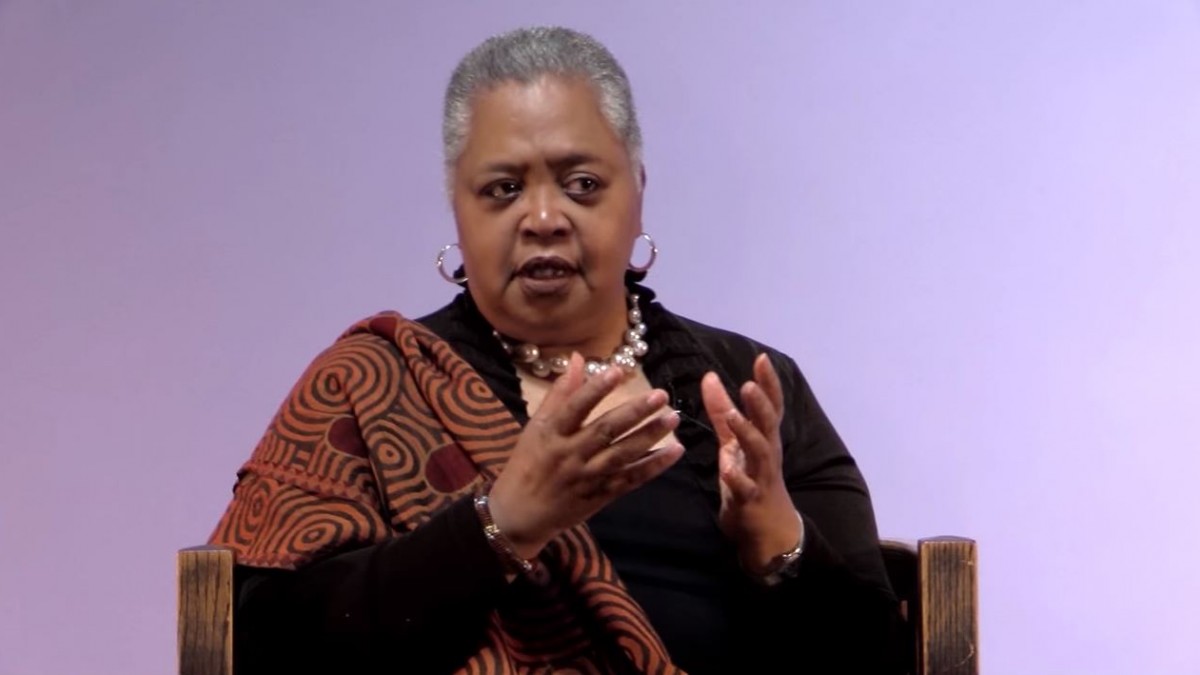
“The museum’s inaugural film festival celebrates African American culture through the medium of film, and we are tremendously proud of the five winners of our first-ever juried competition,” said Kinshasha Holman Conwill, deputy director of the National Museum of African American History and Culture. “Each awarded film is a singular work of film artistry, telling powerful stories, which are not only great entertainment but are important cultural markers in African American and American film.”
Here are a few new films premiered at the Festival we would like to highlight:
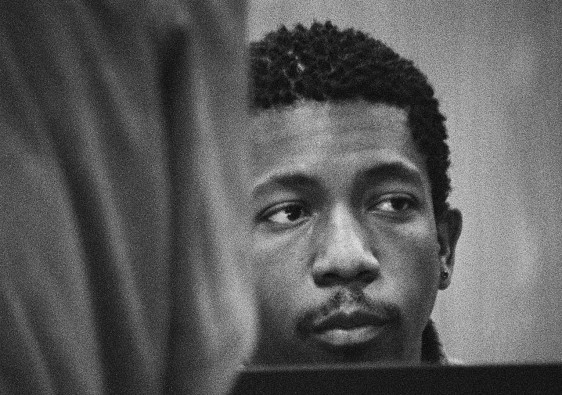
Tonsler Park – (2017)
Tonsler Park is an 80-minute insight, shot in black & white 16mm into the voting process in Charlottesville, Virginia and covers the 2016 Election Day. The local election would later on set the playing field for the events that occurred in August 2017 at the ‘Unite the Right rally” organized by a white supremacist group in which one person was killed. Director Kevin Jerome Everson also penned an essay about the film and experience you can read here.
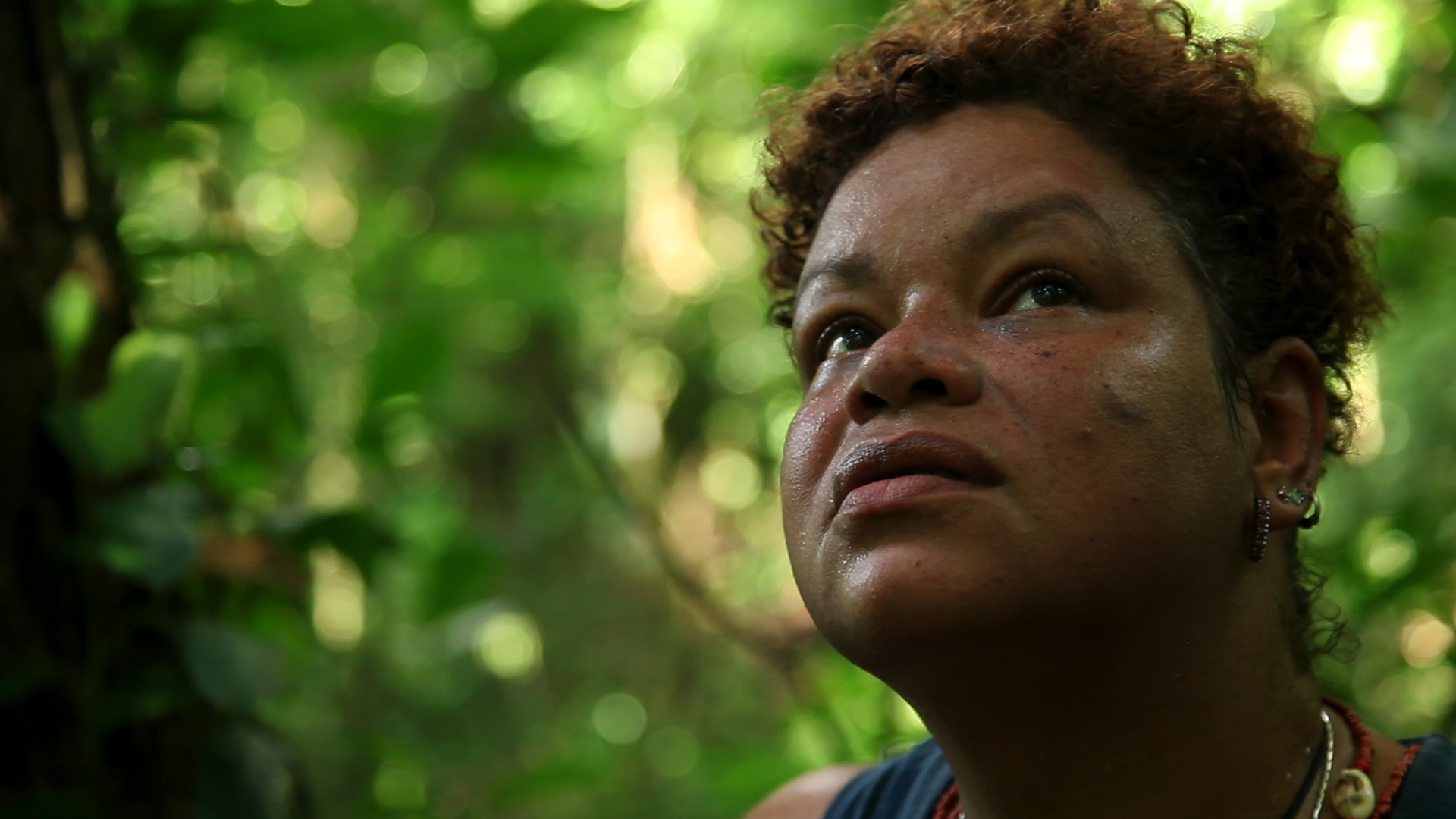
Gilda Brasileiro – Against Oblivion (2018)
Gilda Brasileiro, which made its’ U.S. premiere at the African-American Film Fest, is a striking documentary about a woman who discovers evidence of illegal slave-trading in the Brazilian rainforests. Gilda later found out hundreds of Africans during the 1800s were enslaved there, and begin her quest to untangle the mystery of the documents and pictures she had discovered.
After the screening, directors Roberto Manhaes Reis and Viola Scheurer spoke about developing the film based around the documents and evidence Gilda discovered. “We researched the pictures and evidence found in Brazil and essentially built the documentary around the findings from Gilda” said Reis.
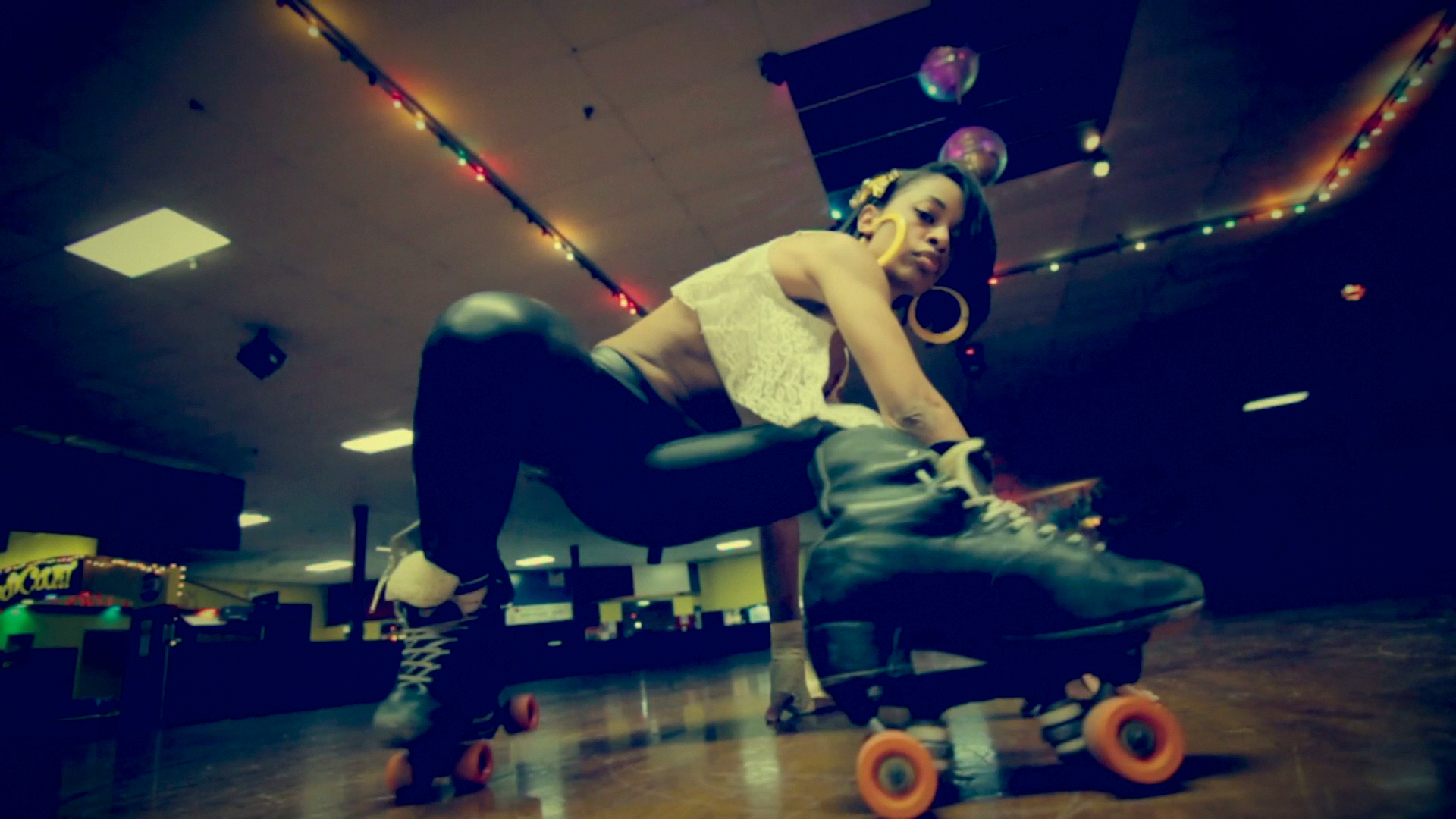
United Skates – (2018)
United Skates, categorized by the AA Film Fest as a ‘cultural expression’ film is about a collective of roller-skaters on a mission to save the underground culture when the nation’s last roller rinks are in danger of closing their doors for good. The documentary paints a profound picture into one of the most influential cultures of our time, despite being undiscovered by mainstream.
The press notes states that UNITED SKATES takes a deep dive into the vibrant and celebratory world of African American roller skating through the eyes of three central characters: Phelicia, Reggie, and Buddy. Each living in a different part of the country, and each fighting to preserve a tradition that reaches deep into their family history, this award-winning film documents a small but monumental piece of American culture at risk of disappearing entirely.
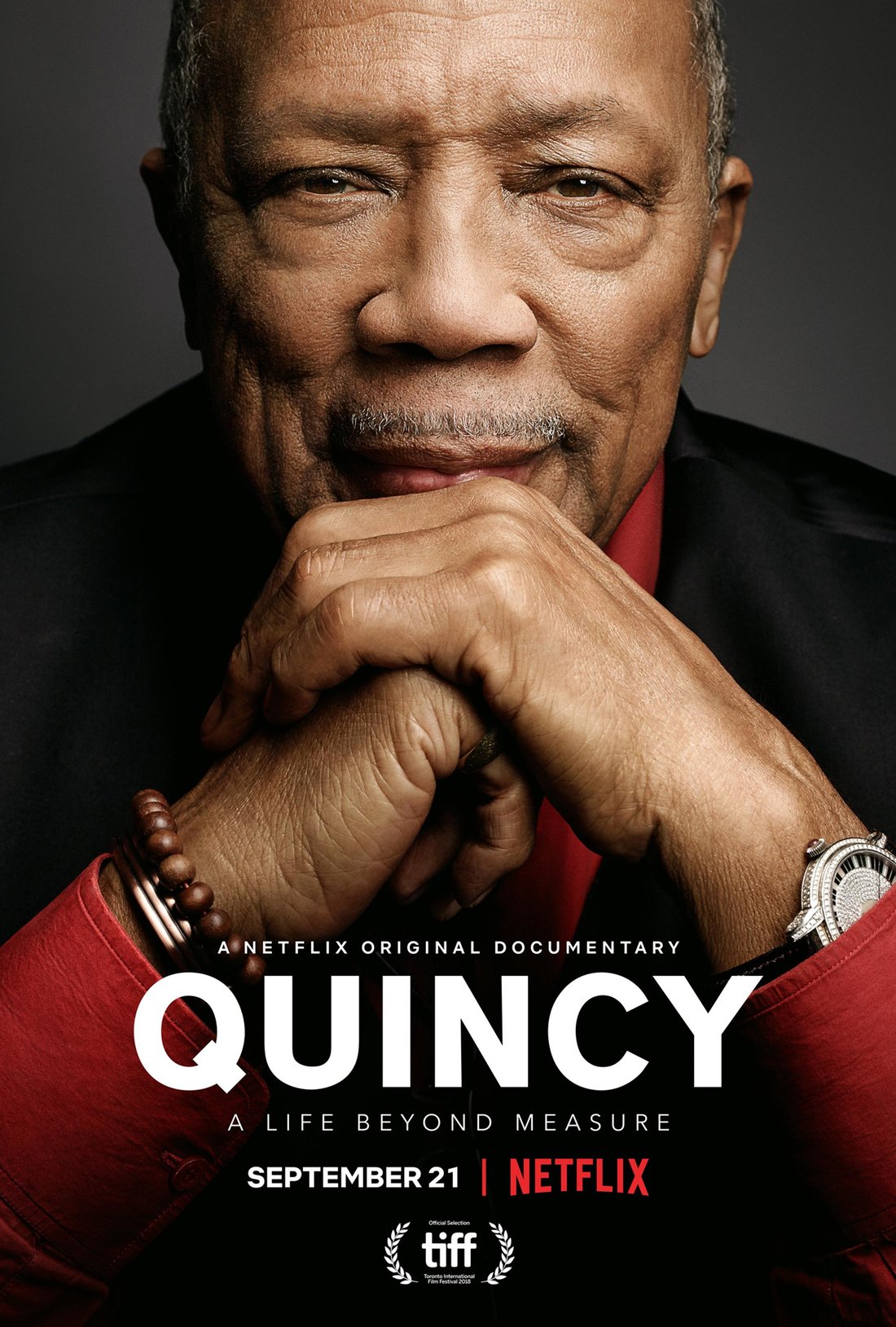
Quincy – (2018)
Quincy Jones’ self-titled documentary Quincy, exclusively on Netflix, is an incredible insight into the life and career of the accomplished composer and producer. Directed by Jones’ daughter Rashida Jones and Alan Hicks, the documentary unlocks the vault of never before seen interviews, pictures and first-hand insight into the man that has been apart of music history for close to 70 years.
In a Q&A after the screening, Rashida Jones said in making the film they sat through 800 hours of raw footage and 2000 hours archival footage with a year of prep-work before the editing process. “We were sure we wanted it to be condensed into two hours for viewing pleasure but wanted to highlight the things in my fathers’ life that meant the most.”
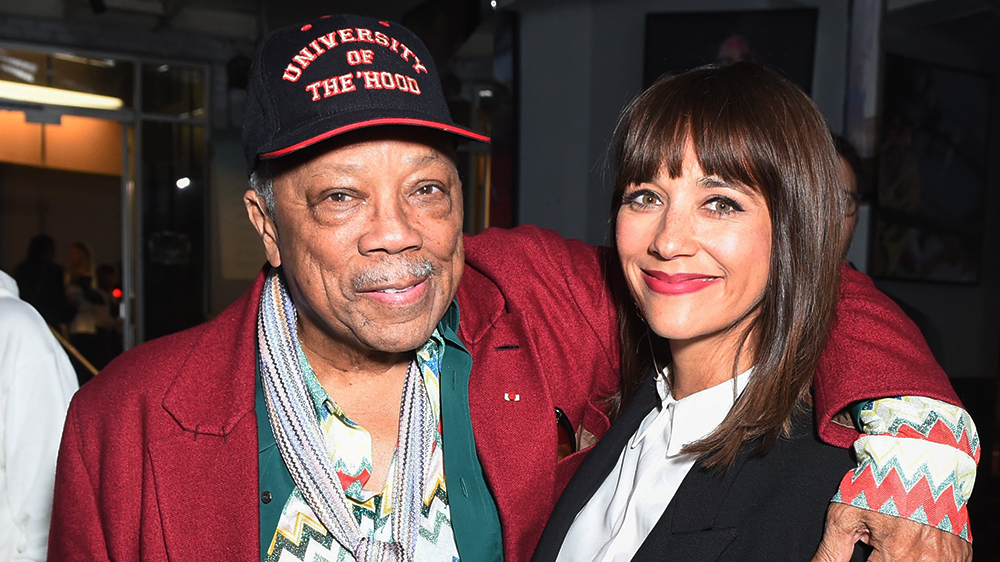
Quincy Jones initial reaction the first time viewing the documentary were the memories of studio sessions and “a lot to catch up on” as he put it. Jones also pointed out his incredible relationship with Frank Sinatra, and told a story of Frank giving him a gold pinky ring he still wears to this day. Despite recent health issues over the years, Jones seemed active, funny, incredibly wit but most of all inspiring at the screening.
The closing night featured a screening of If Beale Street Could Talk, which included a post-screening conversation with Oscar-winner Barry Jenkins, actress Regina King, actress KiKi Layne and actor Stephan James.
The next African-American Film Fest will be held in 2020. A statement from the Museum says, “The National Museum of African American History and Culture puts on a wide variety of programming every year, including programs around film and entertainment. The film Festival has been slated into our program offerings as a biennial event and we look forward to continuing to build on the inaugural Film Festival in 2020.”