
Ryan Coogler talks Fruitvale StationBy Wilson Morales
July 13, 2013

Currently out in theaters is the emotional compelling award-winning film, ‘Fruitvale Station.’ The film is based on the life of Oscar Grant, a 22 year-old African American who was shot in the back by a white police officer at Oakland’s BART Fruitvale Station while on the floor and handcuffed on New Year’s Day 2009. Several witnesses had recorded the shooting with their cell phones.
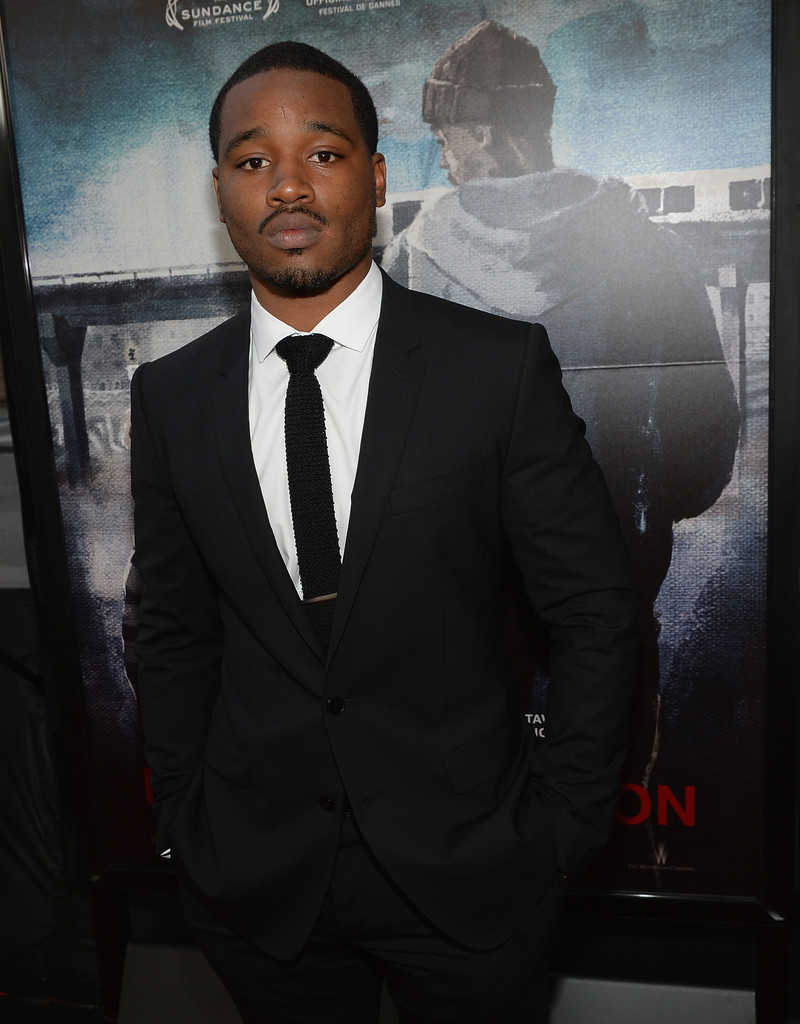
The film is directed by Oakland native Ryan Coogler, who had previously won the ABFF award for Best Short for ‘Fig.’ When ‘Fruitvale’ was shown at this year’s Sundance Film Festival, it won the top two prizes there Festival (Grand Jury Prize for Feature, Audience Award). The Weinstein Co. has picked up the film and showcased it at this year’s Cannes Film Festival where it won another award.
Blackfilm.com recently spoke with Coogler about the film, casting Michael B. Jordan in the lead, and what’s he learned so far as a director.

Can you talk about directing the short film ‘Fig’ to ‘Fruitvale Station’?
Ryan Coogler: I wanted to make a movie about Oscar Grant and what happened in 2008. When I was making ‘Fig’ I was still in film school learning how to make movies and I’m still learning now. This film was always in my heart. I had a year left in school when I was finished with ‘Fig’ and showed it to Forest Whitaker’s production company and Nina Yang Bongiovi and had meetings with them about collaborating with them on this film. That’s how things got started from there.
Can you talk about working with Michael B. Jordan?
 RC: The role of Oscar was really important for the film. You live and die by the performance. I had Mike in mind very early on when I was working on the script. I had seen his work on television and he had recently been on the big screen with the films ‘Chronicle’ and ‘Red Tails.’ He’s always playing supportive roles and sometimes you wish they were lead roles. He was perfect for this role. He brought his talent, charisma, and dynamic work ethic to it. Even when we had limited resources, he brought his passion and energy to it.

What about Octavia Spencer? Did you think you would land her in the film?
RC: It was like a Hail Mary pass when we got Octavia. I never imagined that she would come onboard because she had just won an Oscar for her role in ‘The Help.’ We reached out, gave her the script and she ended up signing on. She’s just an incredible, humble, and generous person. She has an incredible spirit and also brought a lot of passion to the film. Oscar was defined by the relationships he had with the women in his life, from his mom, daughter, and girlfriend. His relationship with his mom was always strong. Melonie Diaz is also incredible in many ways. It was a tough role but she brought a lot of strength to it.
What makes the film worth showing on the big screen?
RC: It was worth telling on the big screen for me. That’s where I was coming from. At the end of the day, it’s a story about relationships. It’s a cinematic story in many ways. It reminded me of a lot of movies that inspired me like ‘Do the Right Thing’ or ‘Bicycle Thief.’ There weren’t TV movies of the week. It made sense to tell the story in that scope.
How would you compare this film to the Trayvon Martin case?
RC: The reason we made this film was to showcase humanity. We want people to think about who they see as human beings and who they don’t and why some lives have more values than others. I’m hoping for people to see this film and maybe see themselves in some of the characters. People like Trayvon and Oscar are dying in the streets all the time unnecessarily. Trayvon was 17 and not even old enough to vote. He’s dead right now for no reason.

From Sundance to now, what have you learned as a director?
RC: In this business, you learn as you continue to work. All of this stuff is a first time for me. With the Weinstein Co., I’m learning about the process of distribution. I’m also getting support from the Sundance Film Institute, who provided so many resources. More than anything, I learned how much effort is takes to make a movie. We’re very fortunate right now. So many good films are out there but have no distribution or so many films get distribution but don’t have the marketing behind it. As I continue to do this work, I’m also going to put my passion in it.