
Speaking With Curator Adeze Wilford On MoMA’s Black Intimacy SeriesPosted by Wilson Morales
October 3, 2017

Beginning October 3 to October 16, 2017, the Museum of Modern Art (MoMA) will be presenting BLACK INTIMACY, which explore black relationships on film and the personal and political portrayals of black love.

Directed by Charles Burnett
Shown from left: Henry G. Sanders, Kaycee Moore
Black Intimacy explores the ways in which black familial, romantic, and platonic relationships have been portrayed onscreen, with a particular focus on black filmmakers’ attempts at navigating between intimate, personal stories and more broadly political material. Given the legacy of American racial politics, can black love be portrayed onscreen without “making a statement” about race, or is it impossible for the personal to be separated from the political?
Comprising 16 films, two shorts, and a television episode, the series highlights the various ways in which love and relationships are colored by the political, across a wide spectrum of perspectives.

Several of the films—Charles Burnett’s Killer of Sheep, for instance—deal with a particular kind of black male figure and pay close attention to black male identity and struggle; films like Claudine, A Warm December, and The Inkwell portray very different types of black romances and family structures to illustrate a broader scope of love and relationships; the notion of how black women are treated as love interests and how their needs are explored and honored is at the heart of Loosing Ground; and black queer identity, intimacy, and vulnerability are front and center in Looking for Langston and The Watermelon Woman.
Blackfilm.com recently spoke with the series curator Adeze Wilford, a Joint Fellow from the Department of Film, MoMA, and The Studio Museum in Harlem.

How did you get involved and how the films were selected?
Adeze Wilford: I’m a fellow here at MoMA and head of a fellowship program between the studio museum in Harlem and the Museum of Modern Art. We’ve been given opportunities to do research and to think about ways we can have certain projects that explore this career. One of the things I was given the opportunity to work on was this series here. I was interested and fascinated by this idea of black intimacy and love were portrayed on screen. I started doing research about different films that were discussing this topic.
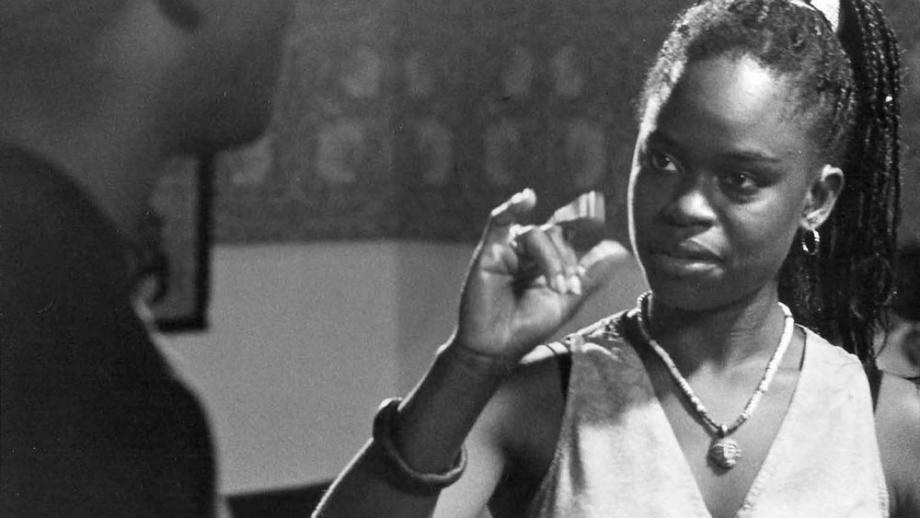
The reason I chose intimacy as a specific word because I was really interested in the deepness and the closeness that the word implies and how different filmmakers were creating these basis. Love treats us in many different forms and intimate relationships can be formed in many different forms. That’s why I went with both instead of just black love. It’s about creating a more intense exploration rather than just love. A lot of times think of romantic love and for me, the series explores a black family, black friendship, and that was important to me; to get a broad understanding of what I was trying to explore.
The selection of films ranges from the 60s to the present. What was the first film you knew you wanted for the series?

Adeze Wilford: For me, Charles Burnett’s Killer of Sheep was the first thing that I thought of. Last year, I was at artist talk for a painter and he mentioned how Killer of Sheep was an influential work for him when he was creating a painting and that references that iconic image that we actually use on our website. A couple is standing together and they’re having this really intimate embrace and I started there. Let’s think about how Killer of Sheep explores the black male identity and how it explores the father figure and how it explores these different ways in which the character struggles with being in this vulnerable spaces; being able to provide for their family and being to be soft and gentle. How does that work? I was then thinking about black love and black families across the board.

Was it a challenge in contacting the filmmakers to air their films as part of the series?
Adeze Wilford: There’s a general procedure that MoMA has when we are organizing a series where we contact the filmmakers or contact the studios. I was able to talk to several filmmakers who are actually going to come in and do Q & As. That was exciting to be able to talk to them about their work and understand where they were coming from. Some of the films were done more that 15 years ago and it was lovely where they are now in their lives and what they are working on currently and also showing their career growth.
Did you want to mostly concentrate on films from the past?

Adeze Wilford: I didn’t necessarily want to concentrate on films from the past. There is a short film that was made in 2017. Night Catches Us was made in 2010 by Tanya Hamilton and even Matty Rich’s film The Inkwell is done in a different time period than it’s actually centered on. The film takes place in the 70s. I was wondering why some of the films were made of the past and a majority of the films selected deals with different time periods, the turn of the 20th century and also the 1990s. That was also an underlying theme.
Were some of these films new to you as well?
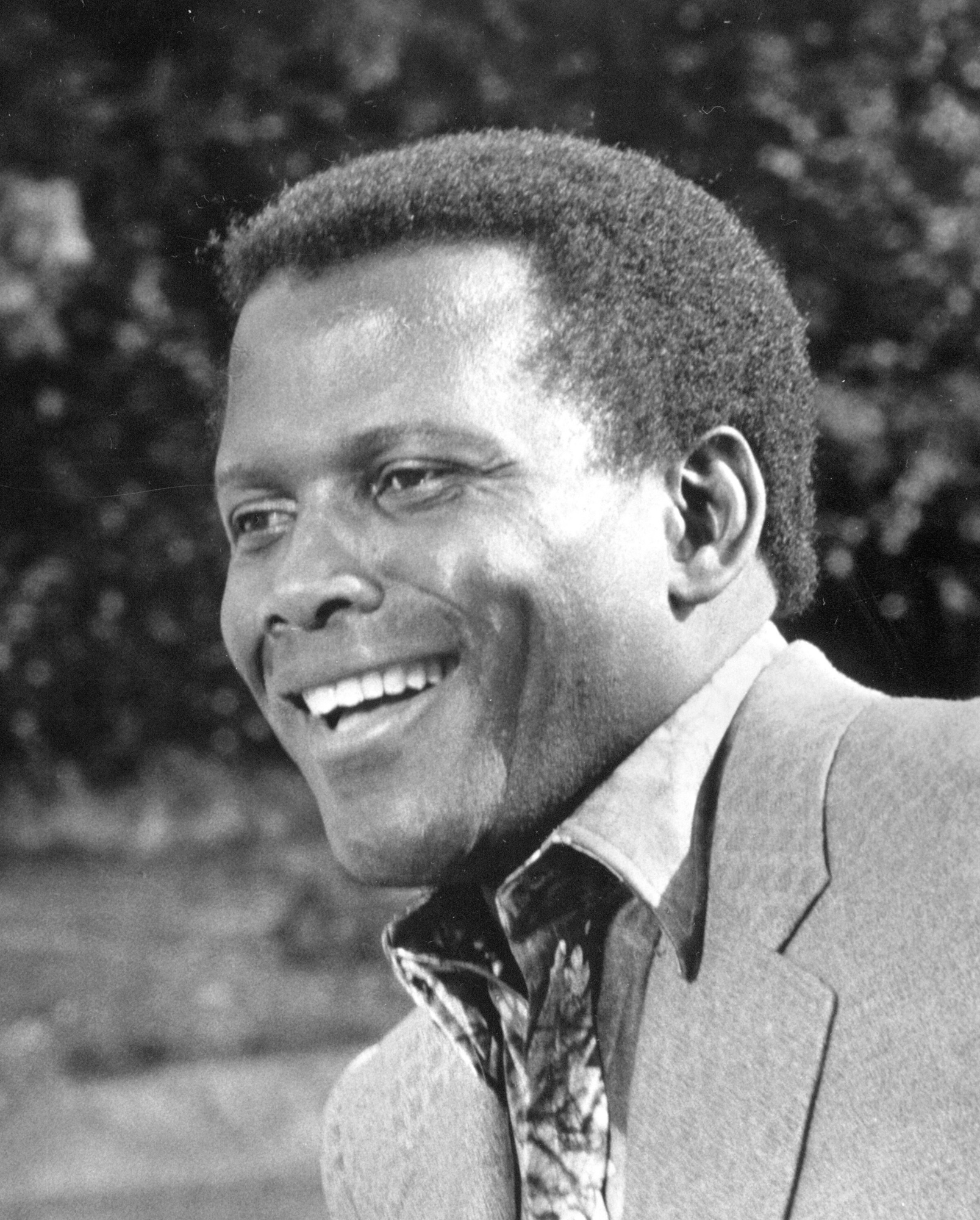
Adeze Wilford: A lot of these films were films I had come into contact with. For example, Isaac Julien’s Looking for Langston was something I was taught in my undergrad career and I had seen Compensation by Zeinabu Irene Davis at a museum in Chicago and I grew up watching Sidney Poitier films. That was the way my mom introduced films to me. “We’re going to watch Sidney Poitier films every single Saturday and that’s how you are going to learn about black films.” A lot of the other films were familiar to me and there were some that I came into contact with as I was putting this together. There were some in MoMA’s collection that were new to me and I was excited to include them in the series.
Where do you go from here once the series is over?
Adeze Wilford: I’m going to continue to work on the different research projects that I’ve been able to start while I’m here and I’m able to work on other expeditions. I feel that there are a lot of great things I’ll be able to do in the future and I’m hopeful that I’ll be able to continue to think about and explore the themes I was able to address like for this series.
The Museum of Modern Art is Midtown Manhattan in New York City, (11 W 53rd St) between Fifth and Sixth Avenues.