Talking with Incredibles 2 Writer-Director Brad Bird & Producers Nicole Grindle & John WalkerPosted by Antwand Pearman
April 16, 2018

A few weeks ago, Blackfilm.com were among a handful of journalists who were invited by Disney to come to Pixar Animation Studios in San Francisco, CA and see some amazing display and speak with the creators of the upcoming “Incredibles 2.” The sequel will return to the big screen on June 15, about 14 years after the first film.
Released in 2004, “The Incredibles” grossed more than $633 million worldwide. Earning more than $70 million opening weekend, “The Incredibles” posted the second-largest opening at the time for an animated feature. Director Brad Bird helmed “The Incredibles,” which won an Academy Award for best animated feature film of the year.
Craig T. Nelson, Holly Hunter, Sarah Vowell, Samuel L. Jackson, John Ratzenberger, Huck Milner, Jonathan Banks and Bird will be reprising their characters from the first film. They are joined by Bob Odenkirk, Catherine Keener, Sophia Bush and Isabella Rossellini, who are voicing new characters.
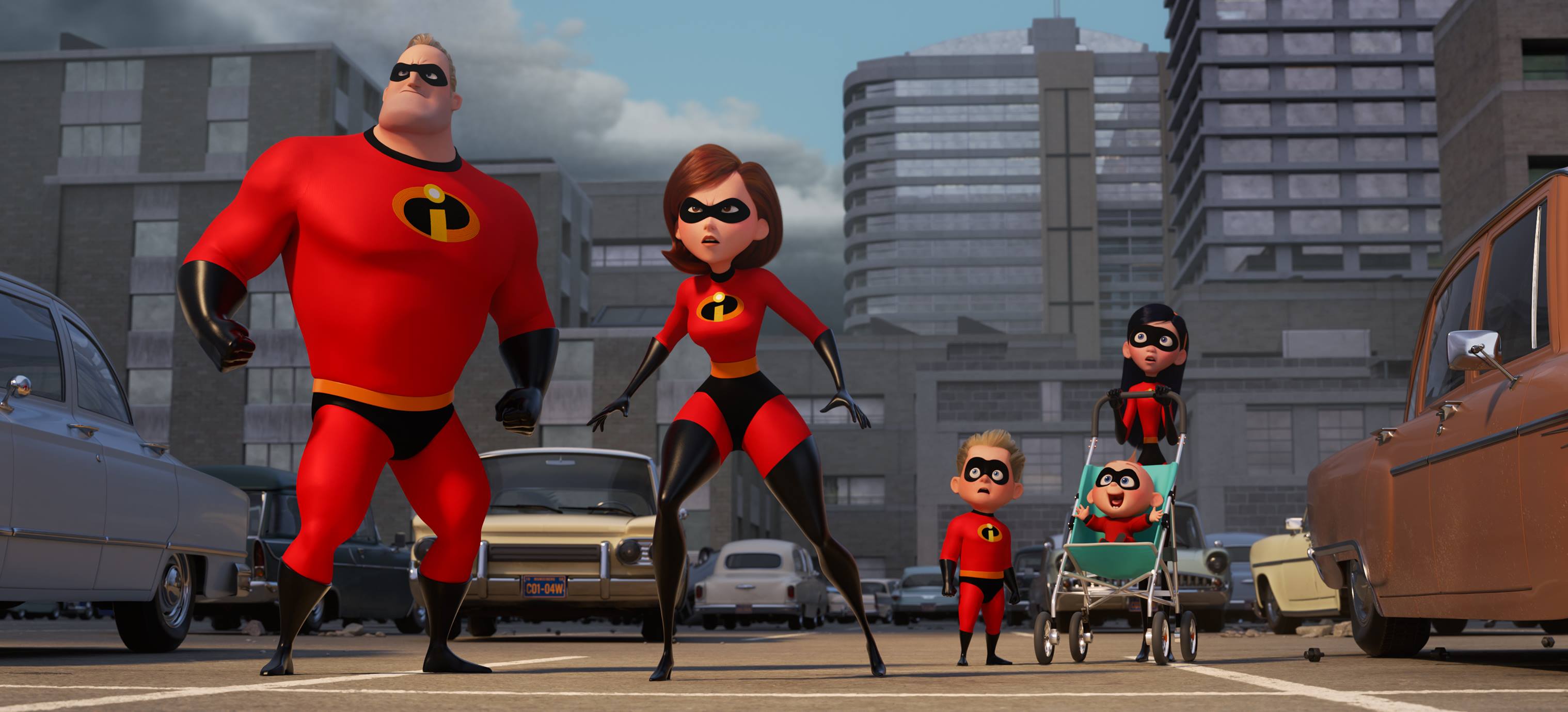
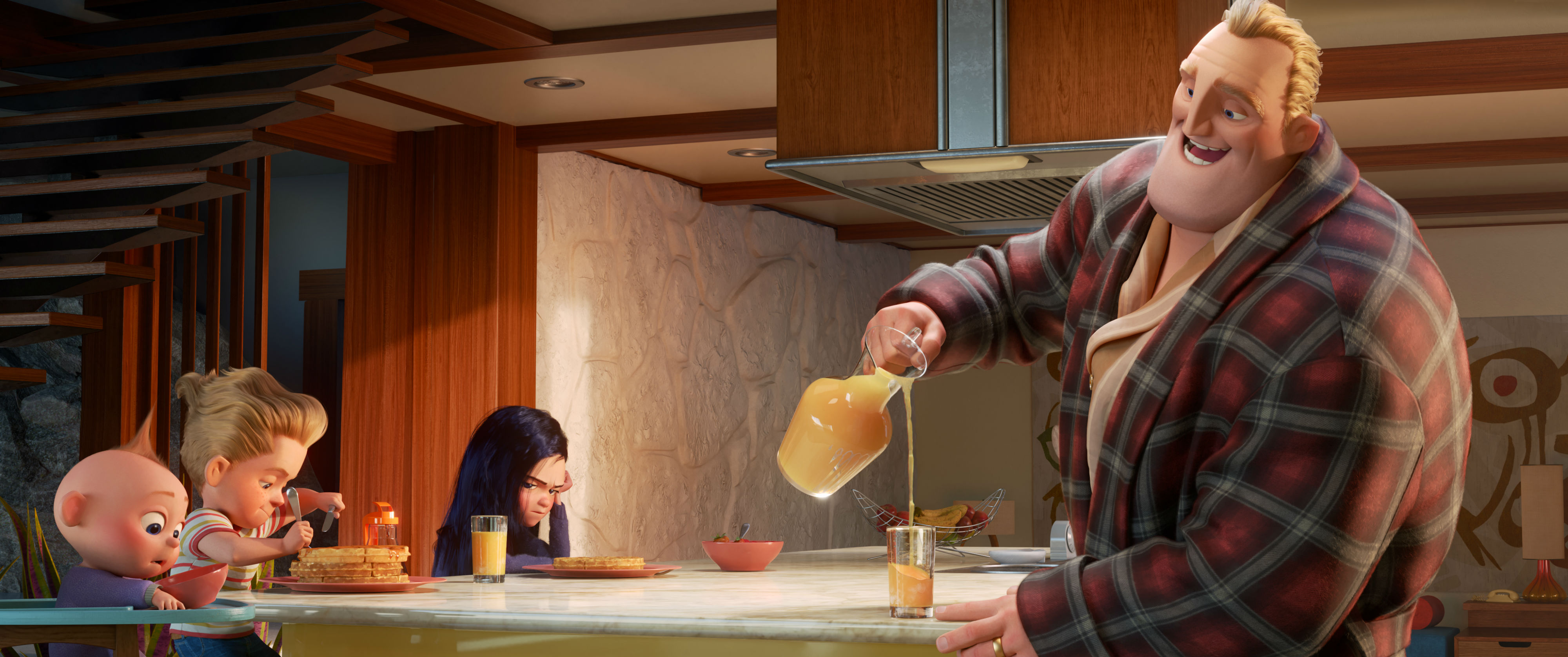
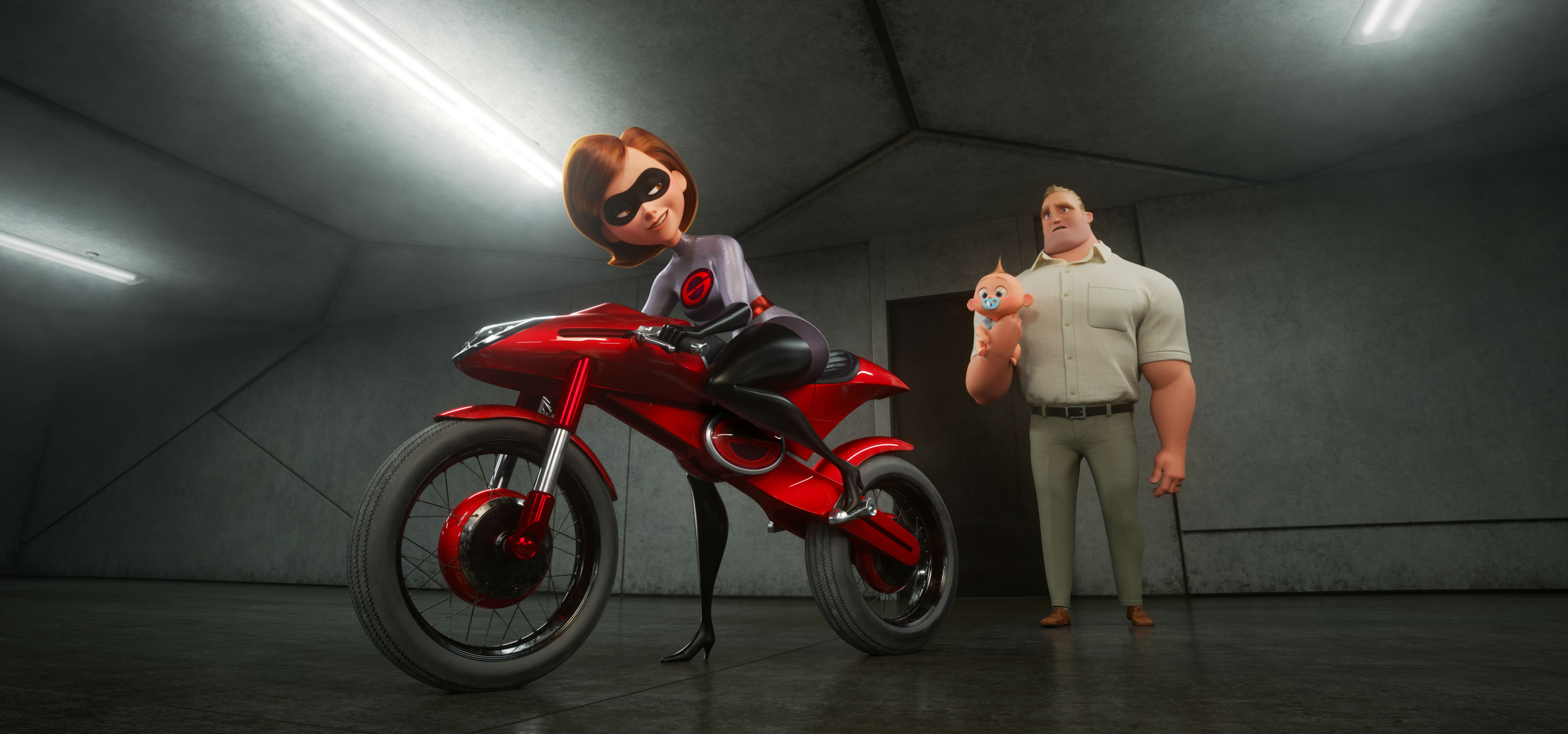
In “Incredibles 2,” Helen (voice of Holly Hunter) is called on to lead a campaign to bring Supers back, while Bob (voice of Craig T. Nelson) navigates the day-to-day heroics of “normal” life at home with Violet (voice of Sarah Vowell), Dash (voice of Huck Milner) and baby Jack-Jack—whose super powers are about to be discovered. Their mission is derailed, however, when a new villain emerges with a brilliant and dangerous plot that threatens everything. But the Parrs don’t shy away from a challenge, especially with Frozone (voice of Samuel L. Jackson) by their side. That’s what makes this family so Incredible.
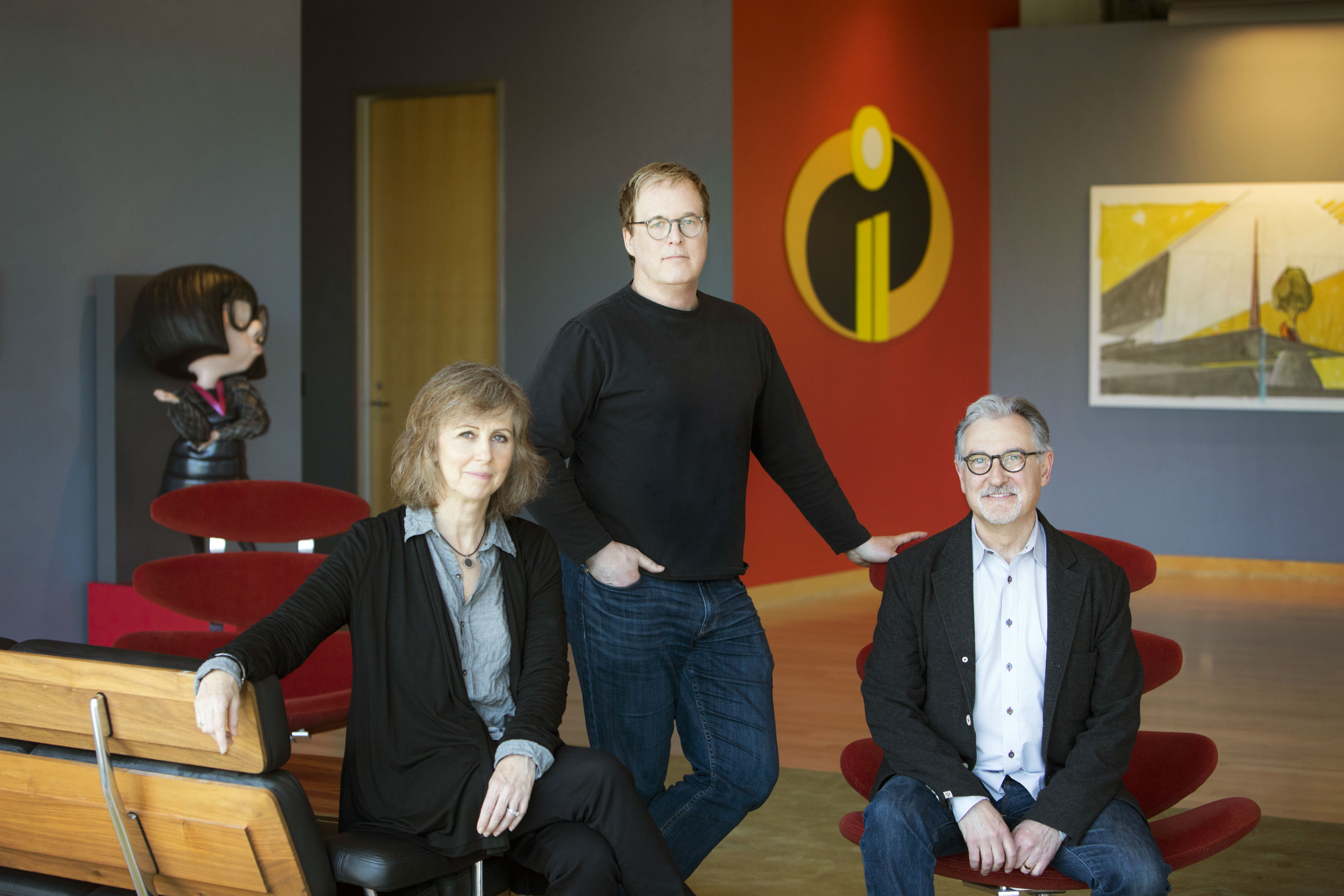
The film was written and directed by Brad Bird (“Iron Giant,” “The Incredibles,” “Ratatouille”) and produced by John Walker (“The Incredibles,” “Tomorrowland”) and Nicole Grindle (“Sanjay’s Super Team” short, “Toy Story 3” associate producer).
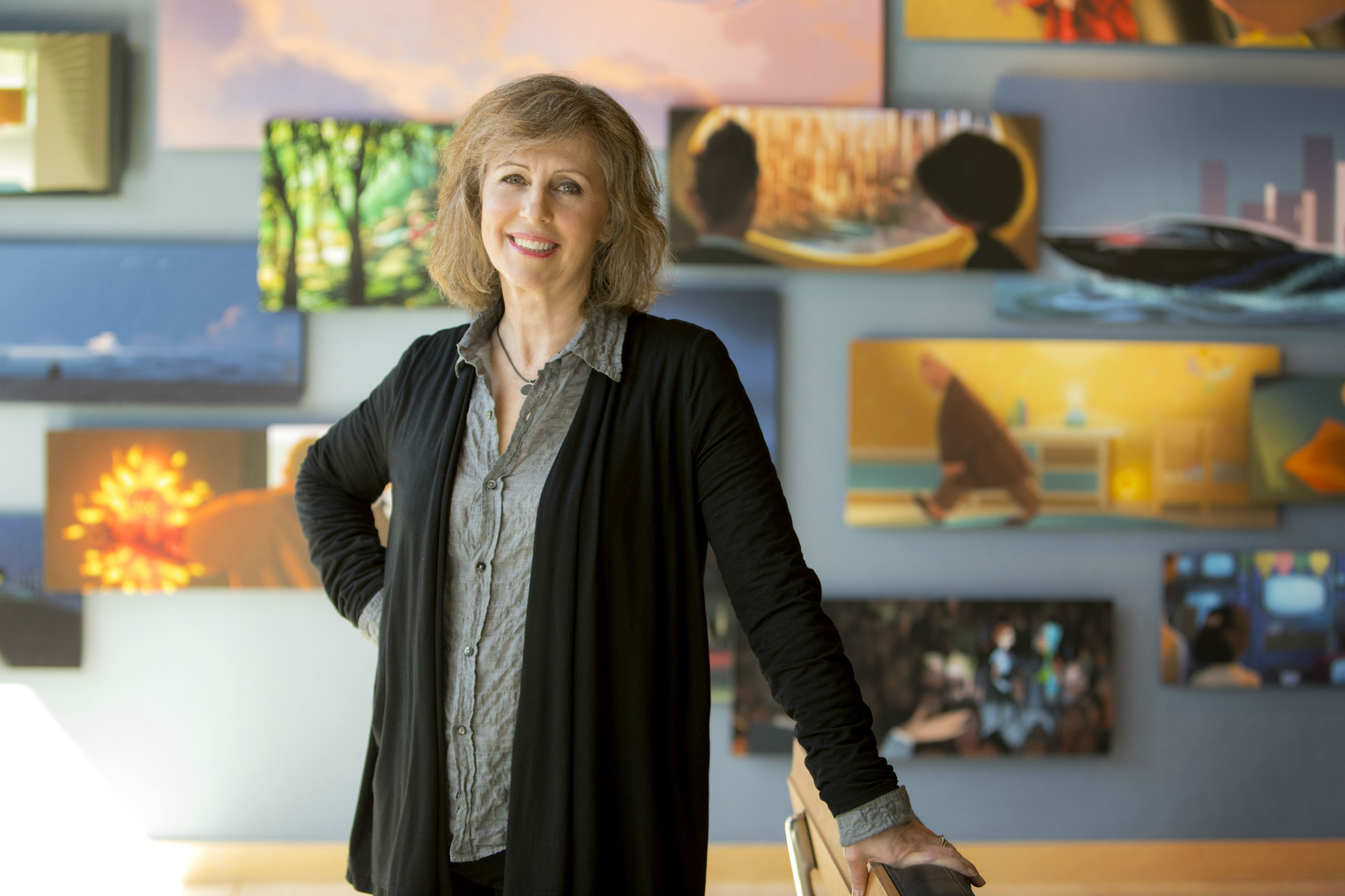
Blackfilm.com had the opportunity to speak with Bird, Grindle and Walker about the sequel.
 How quick was this film able to be made?
Brad Bird: The shift has happened a number of times. The original Incredibles was supposed to be after Cars. It was going to be Nemo, Cars, Incredibles, and our reels came a little earlier than Cars did. So we moved up. The same situation happened with Toy Story 4. They had been going a number of different direction in story and it was concluded that we were a little further along than they were so we moved up. That was a challenge for us but the studio is three times bigger than it was during Incredibles. If we didn’t choke, we could actually get the movie made and that is what came to pass.
Nicole Grindle: I would to like to add that it can be a benefit to the production to be somewhat under pressure. It was very intense for the team. Having worked here for a number of years, I can tell you that when there’s that amount of pressure, people rise to the occasion and sometimes I think they do better work.
Brad Bird: When I got involved with Ratatouille, it was a little over a year and a half between my involvement and the finished film. We only retained two lines of dialogue and two shots from all of the previous versions that had been done. As Nicole said, everyone rallied and as along as it’s clear where we’re going, people rise to the occasion.
Can you talk about setting the film at the moment the original ended?
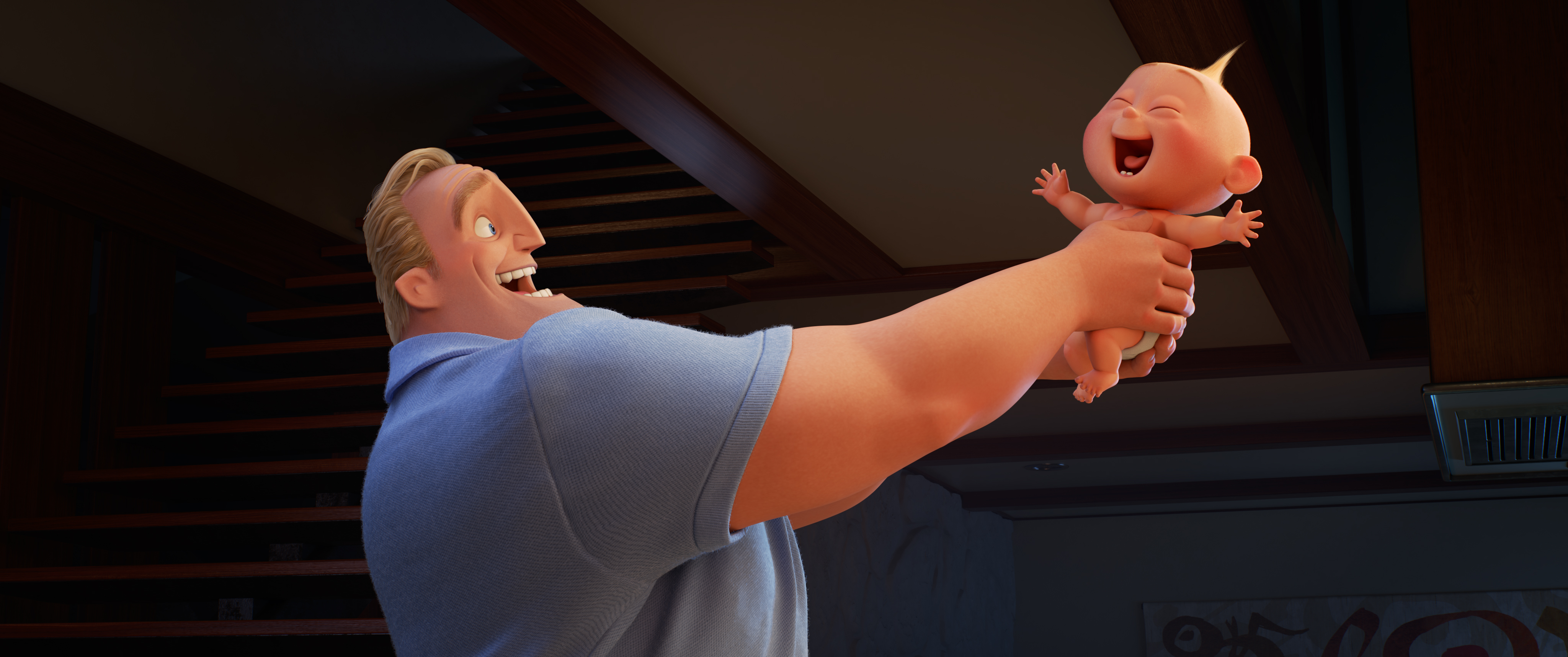
Brad Bird: I thought about aging everyone as everybody does and then I thought, “That sucks!” That’s about how deep as it went. One of the concepts of the original film I had long before Pixar picked it up, I was in a comic book shop and thought I wanted new powers and about a half hour there, I realized every power has been done by somebody, somewhere. Even if it was 100 issues self published in Ohio. Everything has been done. Right after epiphany, I realized I’m not interested in the powers. What interested me was the idea of having a family and having a reason to hide the powers. Once I had that insight as to what I wanted to do, I picked the powers based on who they were in the family. Men were expected to be super strong so I had Bob have super strength. Mothers are always pulled in directions so I had her be Elastic. Teenagers are insecure and defensive so I had Violet have forcefield and invisibility. Ten year olds are energy balls. They can’t be stopped and babies are unknowns. Maybe they have no powers or maybe they have all powers. We don’t know. That’s what Jack-Jack was. He was seemingly the first normal one in the family and then at the end of Incredibles you find out that he’s a wild card, the swiss army knife of powers. That to me reminded me of how babies can grasp languages really easily and adopt them easily. That idea changes if you age the characters up and the insides to those periods of your life and those particular perspectives disappear once you age them up. I’m not interested in a college aged Jack-Jack. It’s stays more iconic if everyone situates themselves. I was also on the first eight seasons of The Simpsons and that’s worked out quite well for them. I’ll stick with that.
How has the MCU renaissance affected the Incredibles since that film came before?

John Walker: When we were trying to sell the idea of the first Incredibles, one of the criticism was, “Well, what is it? Is it a family movie? Is it a spy movie? Is it a superhero movie? You have to pick one.” That’s been the strength of both films. That they are all those things and that it isn’t rooted in a superhero genre.
Brad Bird: In some ways, it’s like going out to the football field and there’s been way too many games on it and there’s dry dirt and few grass, and everything is clunky and life doesn’t grow there anymore. There’s that aspects. It reminds me of western films from the 50s. If you had a television back then, 95% of what was on were western shows. We’re in that phase a little bit and it makes it challenging on a story level because not only do you have every superhero under the sun and cross promoting films but you also have a bunch of television shows.
Years ago, there was a show called Heroes where the creator told me it was a mashup of the movies Crash and The Incredibles. He said, “I was influenced by that and if you melded Crash with The Incredibles, that’s kinda what this is.” Heroes would do 5 to 10 superheroes with storylines that continued every week. It’s easy to freak out and ask yourself why even try and where everyone has everything and it’s been done to death. Then I return to what makes us unique, and it’s this idea of a family and that superheroes have to hide their abilities and those things are unique to us and there’s plenty left to explore.
How do you go about in introducing a sense of jeopardy in an animated film for kids and family?
Brad Bird: I responded as a kid to jeopardy. My parents were a little bit open-minded as to what I saw. I couldn’t see everything but I could see the James Bond movies maybe when I considered too young for them. There was a show called Johnny Quest that I loved where people died in it. In every episode, there was a price paid and they didn’t come back and that made you pay attention because they might be coming for the characters you like and I liked that. I liked worrying about characters and I felt that worrying about the characters is something that is hard in animation. The medium so often defies physical reality. The coyote in Road Runner falls off the cliff, over and over again and dusts himself off and ready for the next round. Audiences are so prepared, they are not going to worry about an animated character. I’ve always tried to the movies where jeopardy is important. I try to do something where it’s introduced. In Iron Giant we had a scene where Hogarth is running from the robot and he hits a tree limb and falls on the ground and he had a bloody nose. He dabs the blood and it’s blood and we’re not used to seeing blood in an animated movie. It’s not excessive but it shows that if you hit a tree limb, you’re going to get a bloody nose, so it’s not Wile E. Coyote is what we’re saying. I love Wile E. Coyote, but if you’re trying to make something where you’re trying to scare the audience in a couple of spots or make them worry about your characters, you have to declare what those rules are.
Can you talk about diversity is included in here?
Brad Bird: We are just telling the story we want to tell. Some people have wondered if we geared this toward the Me Too movement because it has a female lead and all this stuff. I had that idea right on the heels of the first film. That’s the oldest idea in the movie and exploring Jack-Jack’s powers. We don’t respond to whatever the thing is at the movement because our lead time are so long. We just tell the stories we want to tell. That said, the first walk around character is Disneyland that was black was Frozone and I think we’ve done ok and we will continue to present that sort of world because that’s the world that we live in.
Any Black female characters?
Brad Bird: We wanted to show Honey, Frozone’s wife, in this movie. We didn’t end up doing it because it’s funnier as a voice. We actually went through the trouble of designing the character and the design appears in the movie but not as Frozone’s wife. We used the design and she is a hero but there is not a lot of screen time on it. The problem is we have a lot of different things that we want the movie to be about and the two Incredibles movies at the longest movies at Pixar and they are never happy about that.

Can you talk about working with Sam Jackson again?
Brad Bird: Sam was one of those wonderful instances where your first choice says yes and I just thought that I wanted this character to be cool and I couldn’t think of anyone cooler than Sam Jackson. We had a really good time on the first film and he’s a like a pistol. He’s also got a really great attitude. He blows into a room and the best that you can do is just maybe hang on and ride the Sam train for a little bit. Working with him was a blast. He comes in with a lot of energy and never phones it in. He’s having fun. He asks good questions. He wants to know about things and animators adore that soundtrack to work to because they have a lot to animate. I think he as a little skeptical with the first film, saying “I’ll be in it but I don’t know if I like it yet.” When he saw it, he really liked it and he went above and beyond to promote the film. We did extra stuff for the DVD and he rolled with it and was funny.
Nicole Grindle: He has said how much he loved doing the film. He’s been super positive. He was telling somebody at a recording session recently, “You know what? You’re in a really good film.” That’s just from the little pieces he’s recorded and he had just seen the reels. It’s been such a pleasure working with him.
John Walker: He always likes to yank your chain a little bit.
There is a hand signal that Frozone does that many will find familiar. Can you talk about they manage to get that illustrated on screen?
Brad Bird: The animators take their job seriously and if someone has a gesture that looks casual, they really study what that looks like. And if they don’t do it right, it doesn’t look relaxed. So they really study almost as if it’s an intricate ballet and they are watching how steps are done.