
The Family Press ConferencePosted by Wilson Morales
September 12, 2013
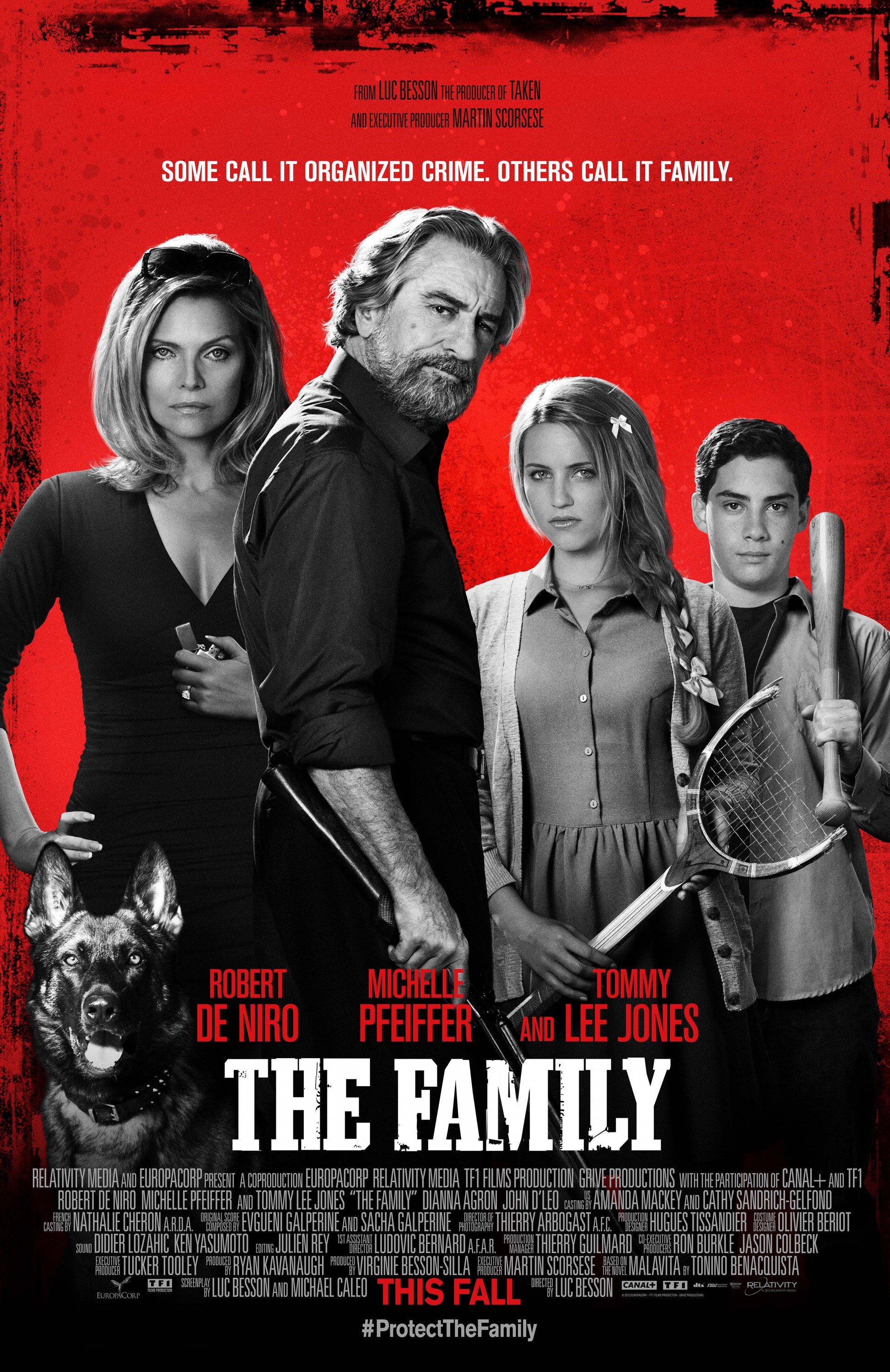
Coming out this week is the dark action comedy “The Family,” starring Robert De Niro, Michelle Pfeiffer, Tommy Lee Jones, Dianna Agron, John D’Leo, and Domenick Lombardozzi.
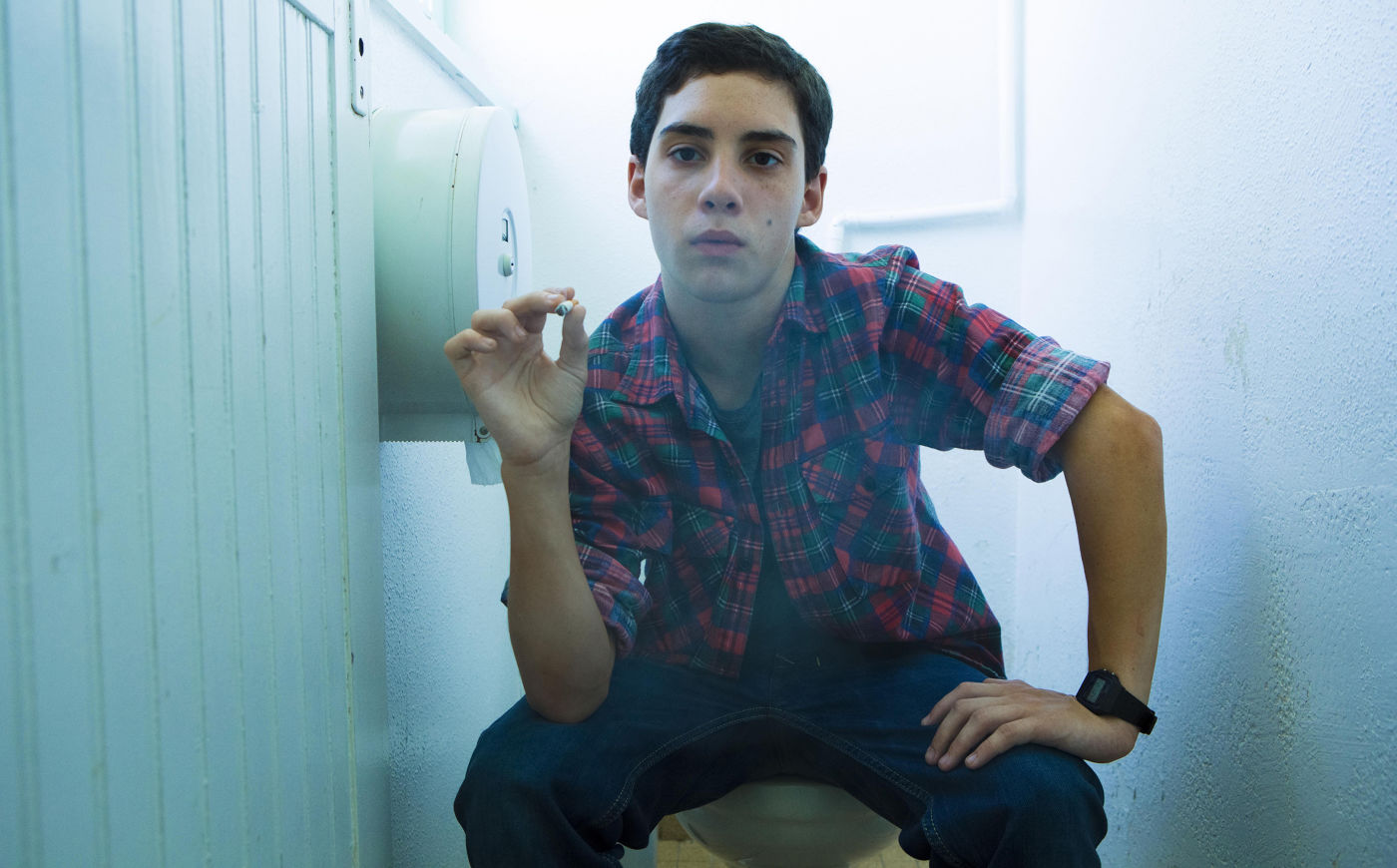
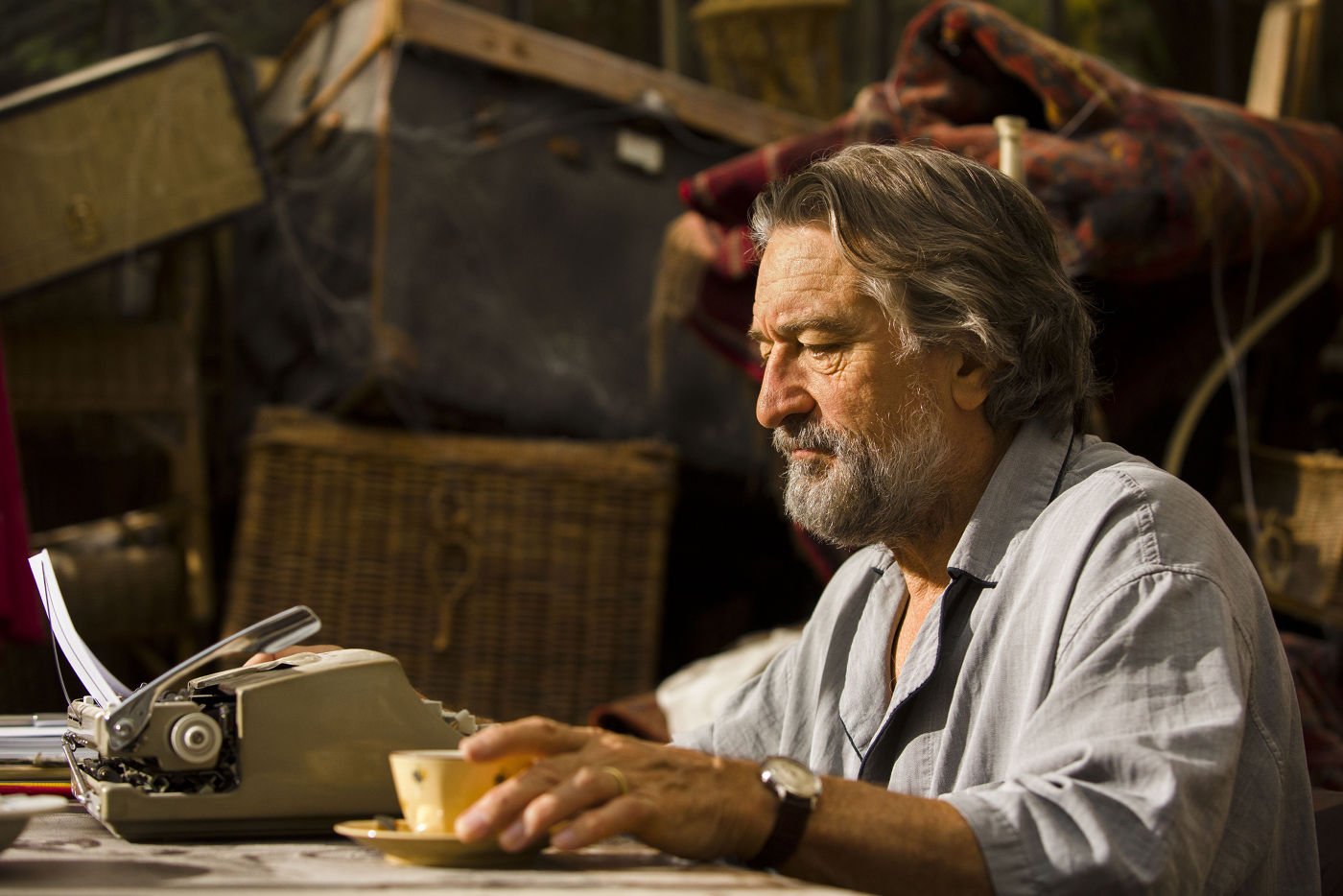
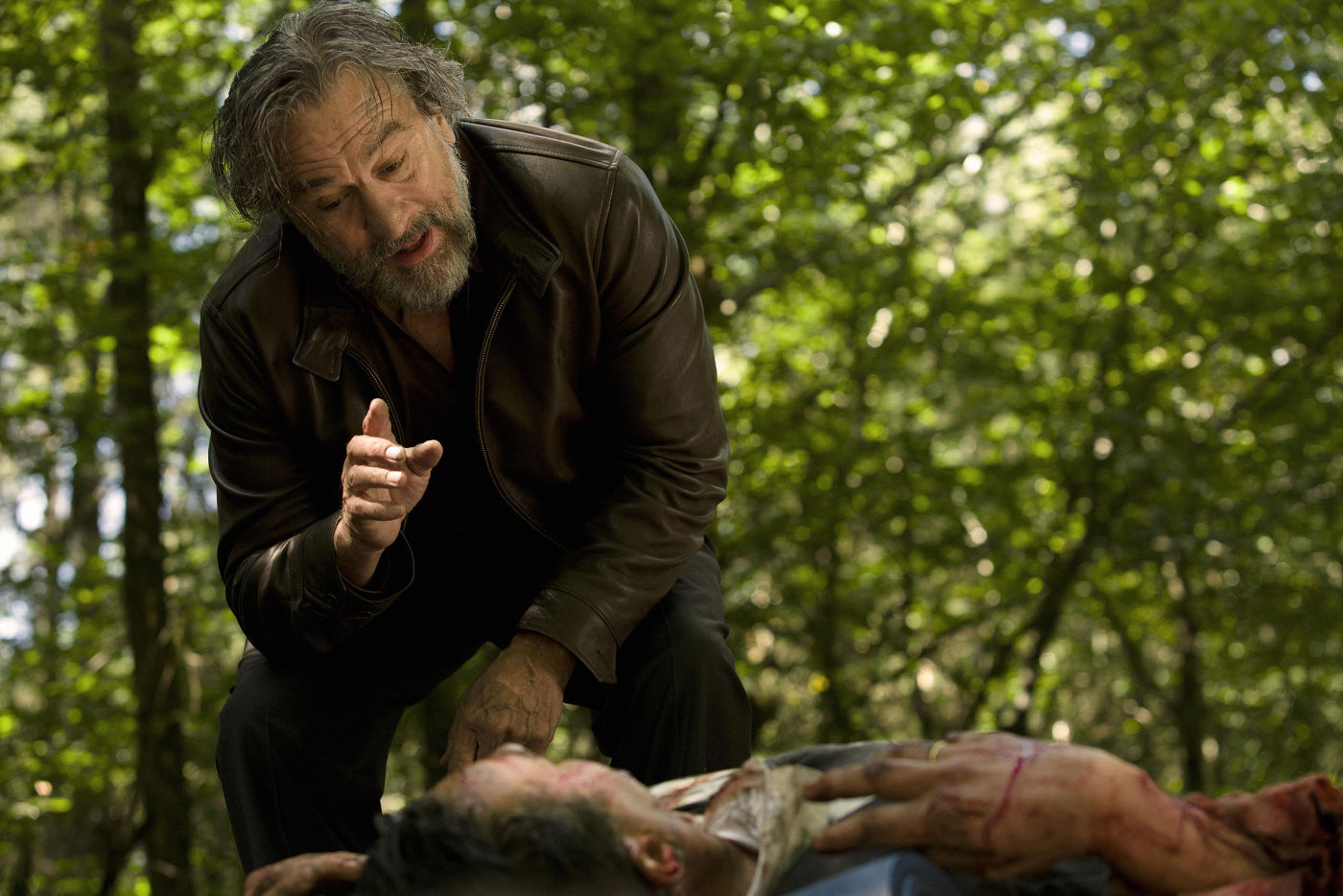
Directed by Luc Besson (“Taken,” “Transporter”), a mafia boss and his family are relocated to a sleepy town in France under the witness protection program after snitching on the mob. Despite the best efforts of Agent Stansfield (Tommy Lee Jones) to keep them in line, Fred Manzoni (Robert DeNiro), his wife Maggie (Michelle Pfeiffer) and their children Belle (Dianna Agron) and Warren (John D’Leo) can’t help but revert to old habits and blow their cover by handling their problems the “family” way, enabling their former mafia cronies to track them down. Chaos ensues as old scores are settled in the unlikeliest of settings in this darkly funny film.
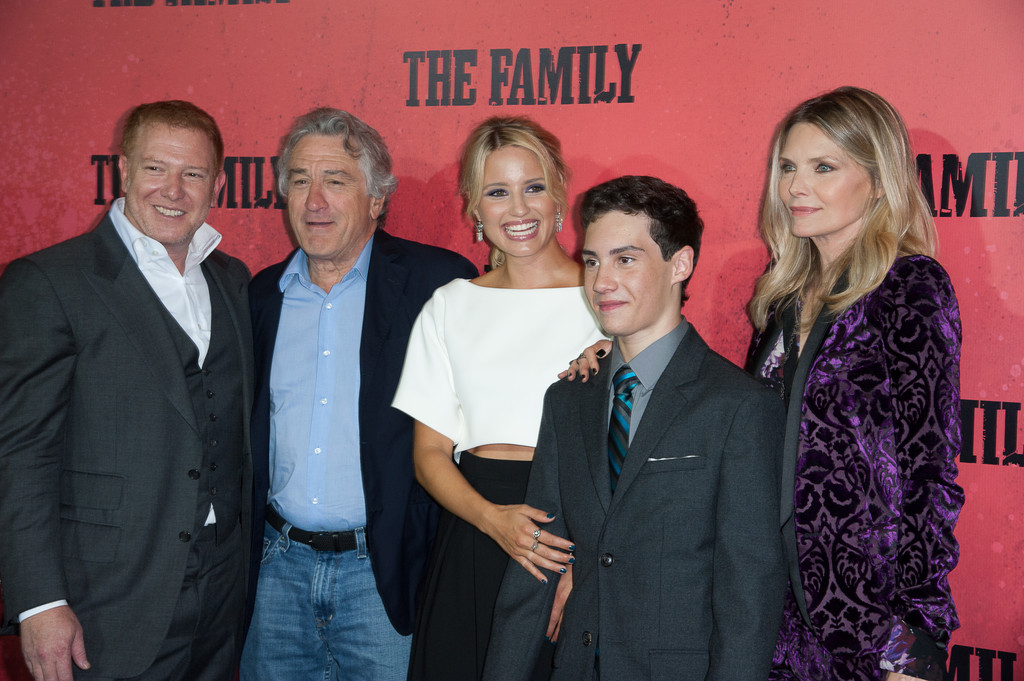
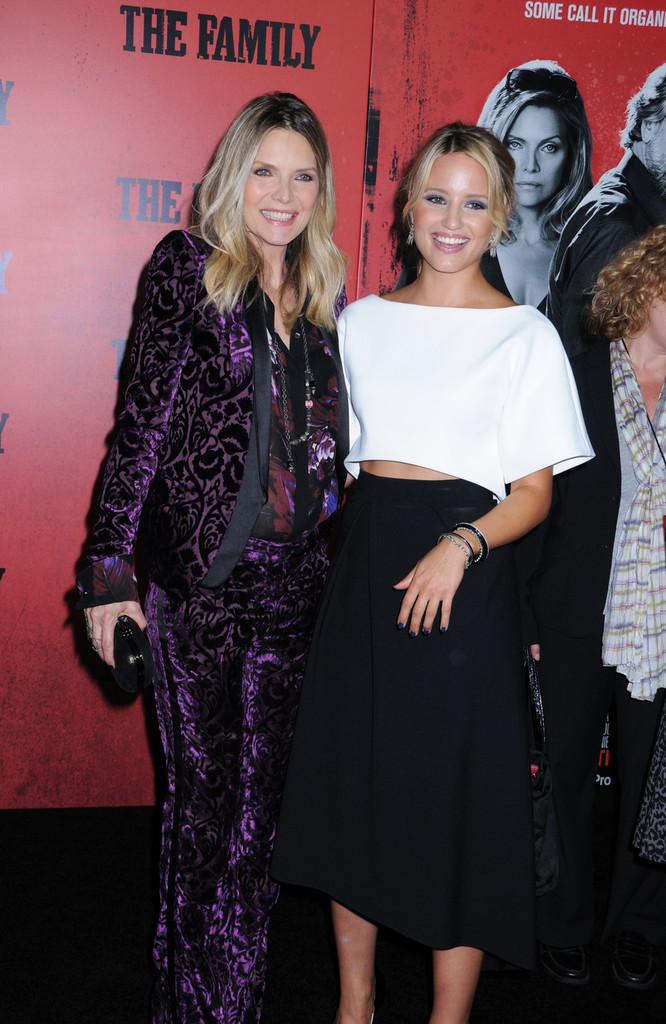
At a recent press conference in New York, De Niro, Michelle Pfeiffer, Dianna Agron, John D’Leo were on hand to talk about the film and their roles.
What was it about this film that appealed to each of you, and what is it about dark themes that you find appealing?
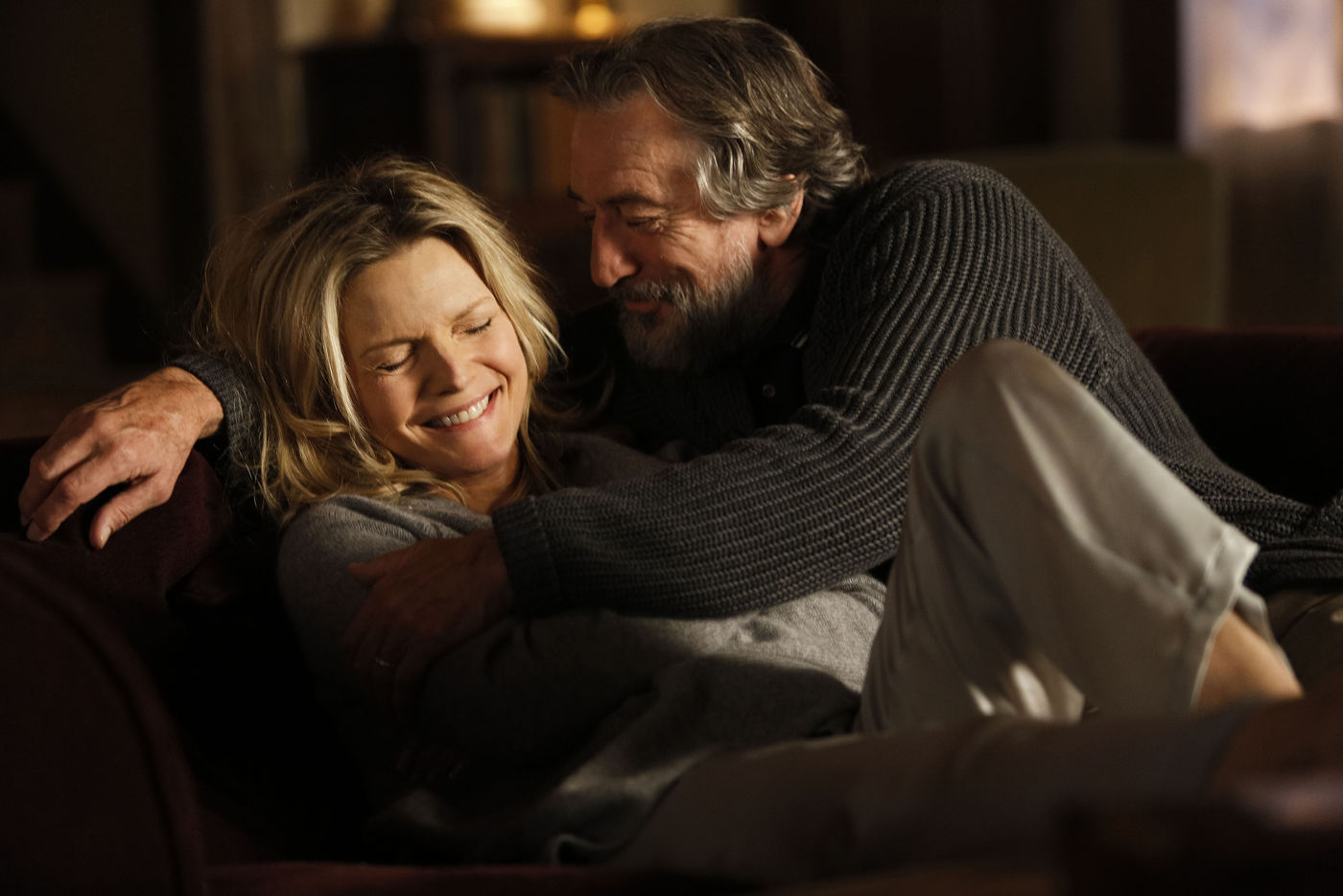 Robert De Niro: Everyone’s always interested in a dark theme, especially when there’s humor connected to it. It seems like that helps, if that’s an integral and organic part of the whole story.
Dianna Agron: Escapism. I’m sure almost no one will say that they relate to the themes of this movie. So you go to the movies to laugh, and see things that you don’t normally see in real life.
John D’Leo: I think this film has a lot of different elements. It’s going to be a good package, so I think audiences are really going to like it.
Michelle Pfeiffer: It’s about what’s taboo. In civilized societies, we spend our lifetimes trying to become what’s socially acceptable. We’re dark and we’re light, and we all have both sides to us.
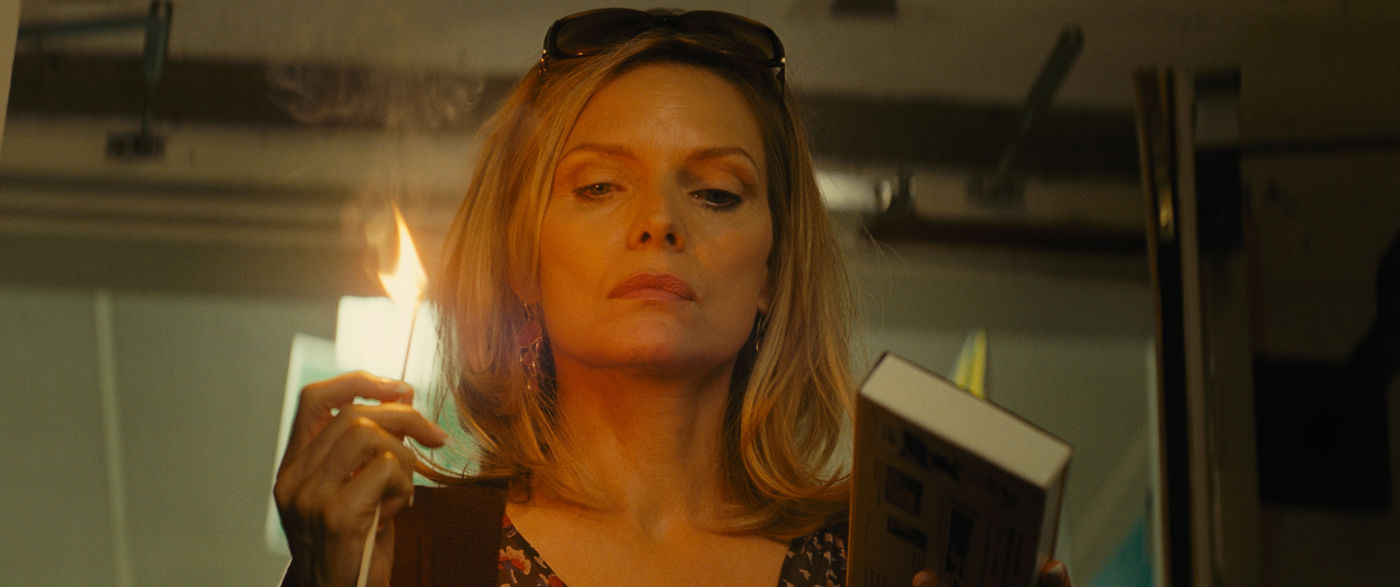
We’re sort of living vicariously through these characters on screen. Especially with this type of film, you’re horrified, but also laughing at the same time. You’re ashamed that you’re laughing at this horror in front of you. But that’s what also makes it so unexpected. So ultimately, it’s entertaining.
Michelle, is this movie similar at all to Married to the Mob?
Michelle Pfeiffer: They’re both stories of motherhood, whether you’re a mob wife, or you’re somebody from Orange County or Europe. The mother is the protector.
The only real connection between the two characters is that they’re both married to mobsters. But there’s a wide variety of those women, too. I was really excited to do this, because I loved working on Married to the Mob for so many reasons, mostly because I love (director) Jonathan Demme.
This was really the first opportunity for me to enter back into that world. I was thrilled and delighted, but a little nervous that people would make comparisons between the two characters, as they are pretty different.
Robert, since you have appeared in several Martin Scorsese films, including Goodfellas, does Hollywood have its own mafia?
Robert De Niro: Well, it has its groups that hang out together. Like any profession, business and community, it has its groups that work together.
Michelle Pfeiffer: They also beat each other up. (laughs)
 Robert, did you re-watch Goodfellas, which is mentioned in The Family, before you began shooting this film?
Robert De Niro: I did re-watch it. The DVD also has a lot of stuff that I had not seen, such as interviews with Henry Hill and the other characters. Doing the CinemaTech scene for The Family, I wanted to make sure everything was covered.
I also spoke to (Goodfellas screenwriter and novelist) Nicholas Pileggi a few times. I also spoke to Luc, to make sure the monologue was accurate. While the Goodfellas monologue was in the book version of The Family, there was also a monologue about going back to the neighborhood. It wasn’t connected to what Goodfellas was. There were specifics that had to be fixed. I wanted to look at the movie and interviews with people, just to refresh my mind.
 What do you think Martin’s reaction would be to Giovanni’s take on Goodfellas?
Robert De Niro: I don’t know. Marty told me he liked the movie. I don’t know if he saw it with an audience or not, but I know he liked it.
Michelle, how did you keep the chemistry between Maggie and Giovanni alive throughout the film?
Michelle Pfeiffer: It was a dream come true working with him. Sorry to embarrass you. As an actor, it doesn’t really get much better than working with De Niro. The third time was the charm–it took three movies to actually be on screen with him. So I didn’t really know what to expect from him.
Robert, your character combines elements from your past films that audiences know so well, with the patriarchal family man you’ve taken on more recently. How did you come to combine those two types of characters?
 Robert De Niro: Luc Besson approached me with the book and screenplay. At first, he was just going to produce the movie, after he wrote the screenplay. The way I saw it, it was harder to get a director who could interpret the way he saw and wanted it. So he said, “I’ll do it myself.”
So I was happy, because it made everything a lot simpler. It was his vision, as he started the whole thing. Not that he could have had a good handle on it as just a producer, but it’s tricky. Then Michelle and Dianna and John came on board. I don’t know if that’s answering your question. (laughs)
Dianna, your character starts off as being strong, but as the film continues, shows how vulnerable she really is. Can you talk about that?
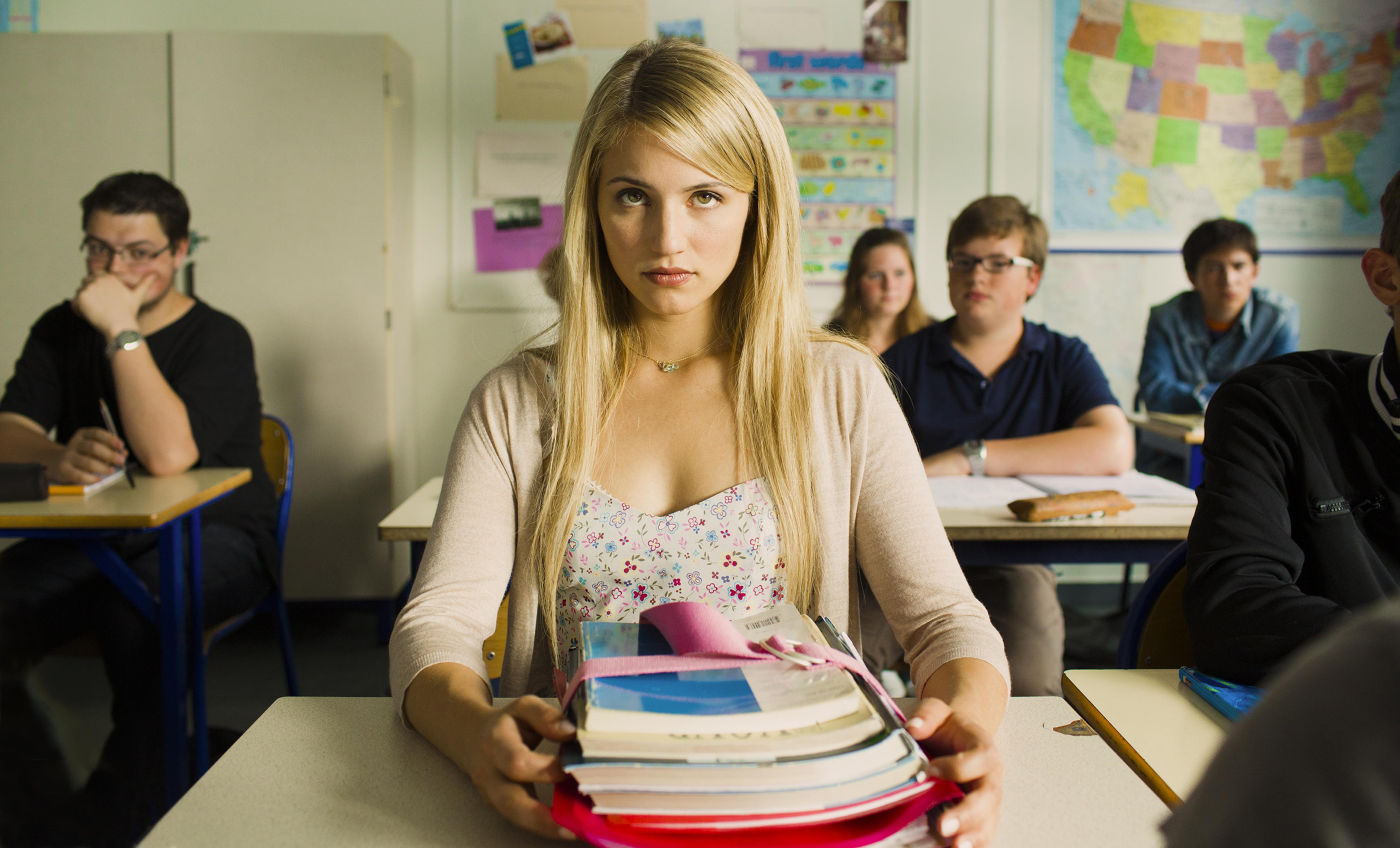
 Dianna Agron: One of the things I love about her so much is that she is a dreamer, and doesn’t really want anything to do with what her family perpetuates. She wants to fall in love, and wants the fairytale. That’s when she flips, because that’s what she knows what to do. So I loved the duality to her. Who doesn’t want to fake beat people up? (laughs)
What was it like working with your co-stars?
Dianna Agron: I have probably seen everything that Robert and Michelle and Luc have done. Seeing their characters, it’s obviously what you can aspire to be. My biggest learning curve was looking at all the strokes painted on the canvas, and seeing what they do with these characters. It was more about just being in the moment; it’s about how much I look up to them.
John D’Leo: It was really fun to witness them professionally on the set, because I felt like it helped me as an actor. They lead by a very good example, and it made my time on set more enjoyable.
Michelle Pfeiffer: The younger actors had been filming a few weeks before Robert and I came on board, and they had already found their groove by the time we started. So when you come in late to something, it’s a little intimidating.
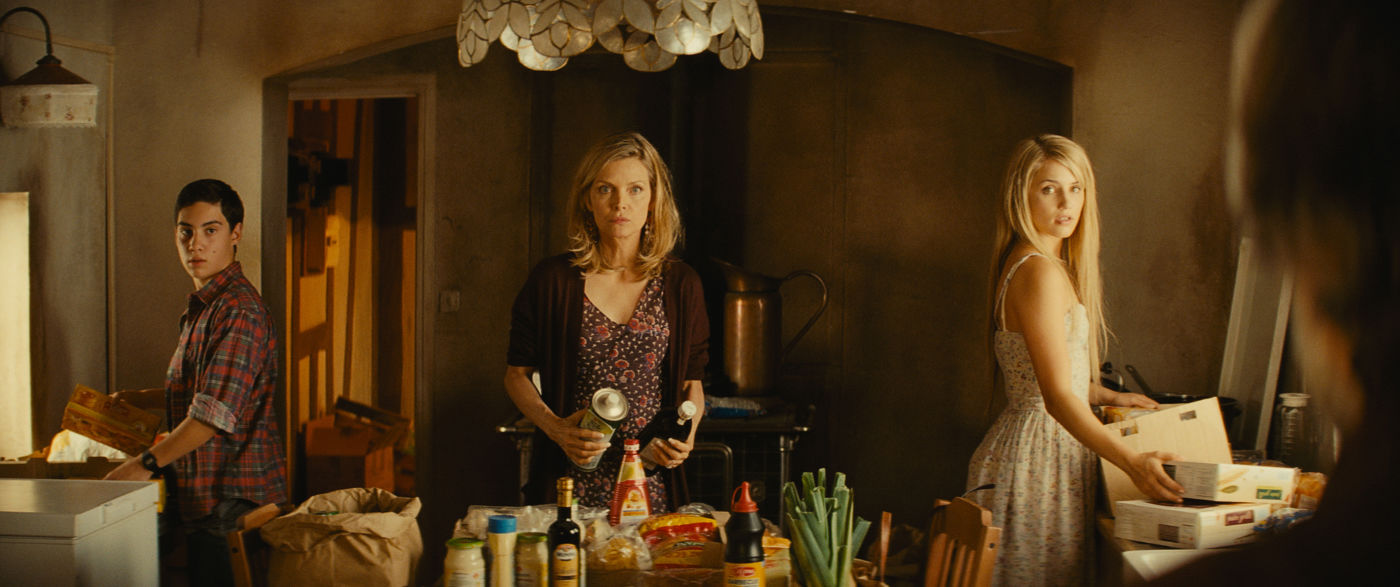 Robert De Niro: John and Dianna were great, that’s all I can say. We had a good time together.
Coming in to this film, what were you most looking forward to?
John D’Leo: With this one character, I got to do so many different things on so many different levels that most actors don’t get to do in several films. This is not just a normal mob movie. It’s a fish-out-of-water story.
All the people I got to work with obviously, and filming in France for three months was unreal. It was my first time out of the country. I had to get my passport and everything.
 What are you doing next?
John D’Leo: Lots of auditioning, lots of studying, but there’s nothing solid or on paper yet. What would I like to do? I feel like I’ve satisfied a lot of my career needs in this one movie. A Western would be great.
I’d really like to try to be on Hawaii Five-O. I’d like to take my mom to Hawaii; that would be a great trip. The biggest step I could do to next would be working with Martin Scorsese, Steven Spielberg, Robert Downey Jr. and Johnny Depp.