
TIFF 2014: Composer Jóhann Jóhannsson Talks The Theory of EverythingPosted by Wilson Morales
September 10, 2014
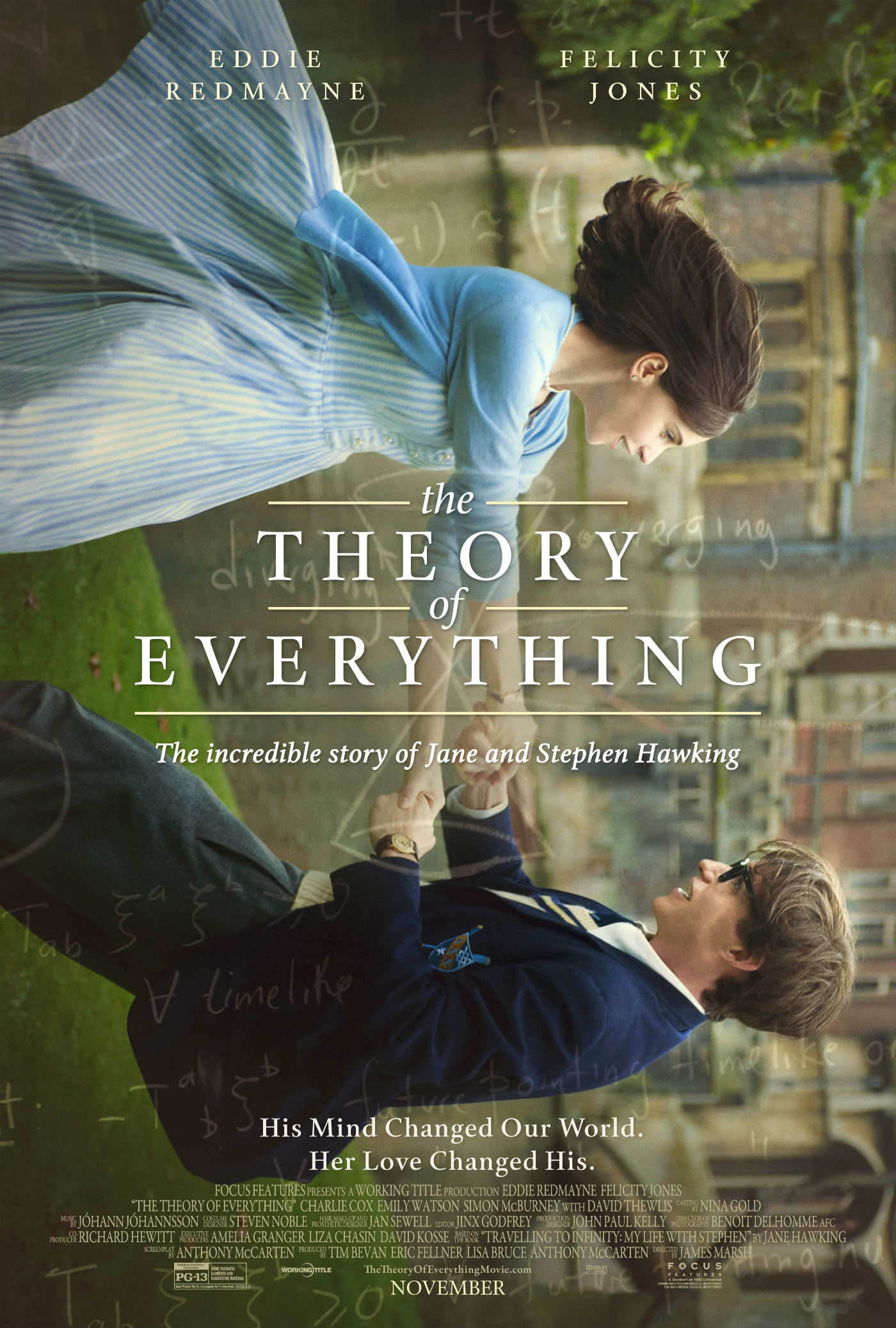
Making its World Premiere recently at the 2014 Toronto International Film Festival in advance of its November release in the U.S and Canada was James Marsh’s The Theory of Everything, which stars Eddie Redmayne (“Les Misérables”) and Felicity Jones (“The Amazing Spider-Man 2”)
This is the extraordinary story of one of the world’s greatest living minds, the renowned astrophysicist Stephen Hawking, who falls deeply in love with fellow Cambridge student Jane Wilde.
Once a healthy, active young man, Hawking received an earth-shattering diagnosis at 21 years of age. With Jane fighting tirelessly by his side, Stephen embarks on his most ambitious scientific work, studying the very thing he now has precious little of – time. Together, they defy impossible odds, breaking new ground in medicine and science, and achieving more than they could ever have dreamed.

Its film score was composed by Jóhann Jóhannsson, whose previous film credits include last year’s critically acclaimed thriller Prisoners, starring Hugh Jackman and Jake Gyllenhaal, as well as the crime drama McCanick starring David Morse and Cory Monteith in his final appearance in a feature film. A keystone composer in the modern classical movement, Jóhannsson is distinguished by his ability to create soundscapes by electronically manipulating orchestral instrumentation, with an emotional range that spans from inspirational to harrowing
Blackfilm.com recently spoke with Jóhannsson at the festival as he spoke about composing the score and finding the right theme to go with the emotional scenes.
What’s the theme that you wanted to bring to the film?
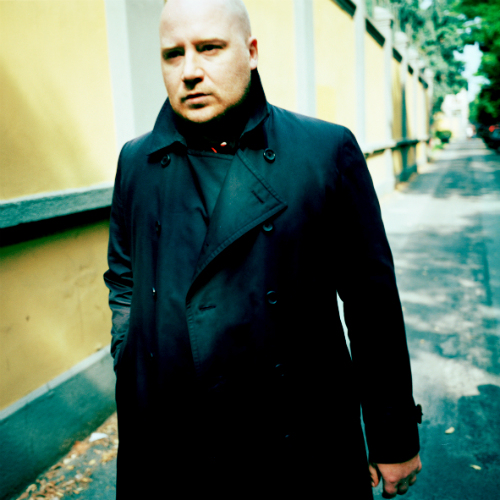
Jóhann Jóhannsson: I wanted to capture the warmth and humanity and the genius of Stephen Hawking and also the tragic element of his life and the way he overcame adversity and as a couple how Jane and Stephen dealt with their predicament; how they worked that out. This is the story of the film. I think the music really needed to be underlined and emphasized these emotions that the script brought forth. There was a lot of nuance in the emotions and the film has a very epic sweep. It’s three decades of a man’s life and his family. The score has to have a big scope. There’s a lot of different moods and emotions that do a lot of emotional beats that you have to hit. That was the big challenge.
Before you add in the music, do you prefer to know the scene or see the film in its entirety?

JJ: The first thing I saw was a rough cut, which was pretty advanced. It had a pretty good structure and I was really bold over by the film. It made me cry and there was no music yet. I think I identified a few scenes that I wanted to work on such as the lecture scene very early on and I made some attempts at that, which didn’t work. It always takes some time to find the voice of the film and I like to start with some key scenes. The beginning was very important. I spent a lot of time getting that right. The score grew from the intro in many ways. A lot of the themes are derived from the intro and they are developed and mutated and appear again and again in the film.
Most composers usually incorporate a signature sound in their music. Did you do that for this film?
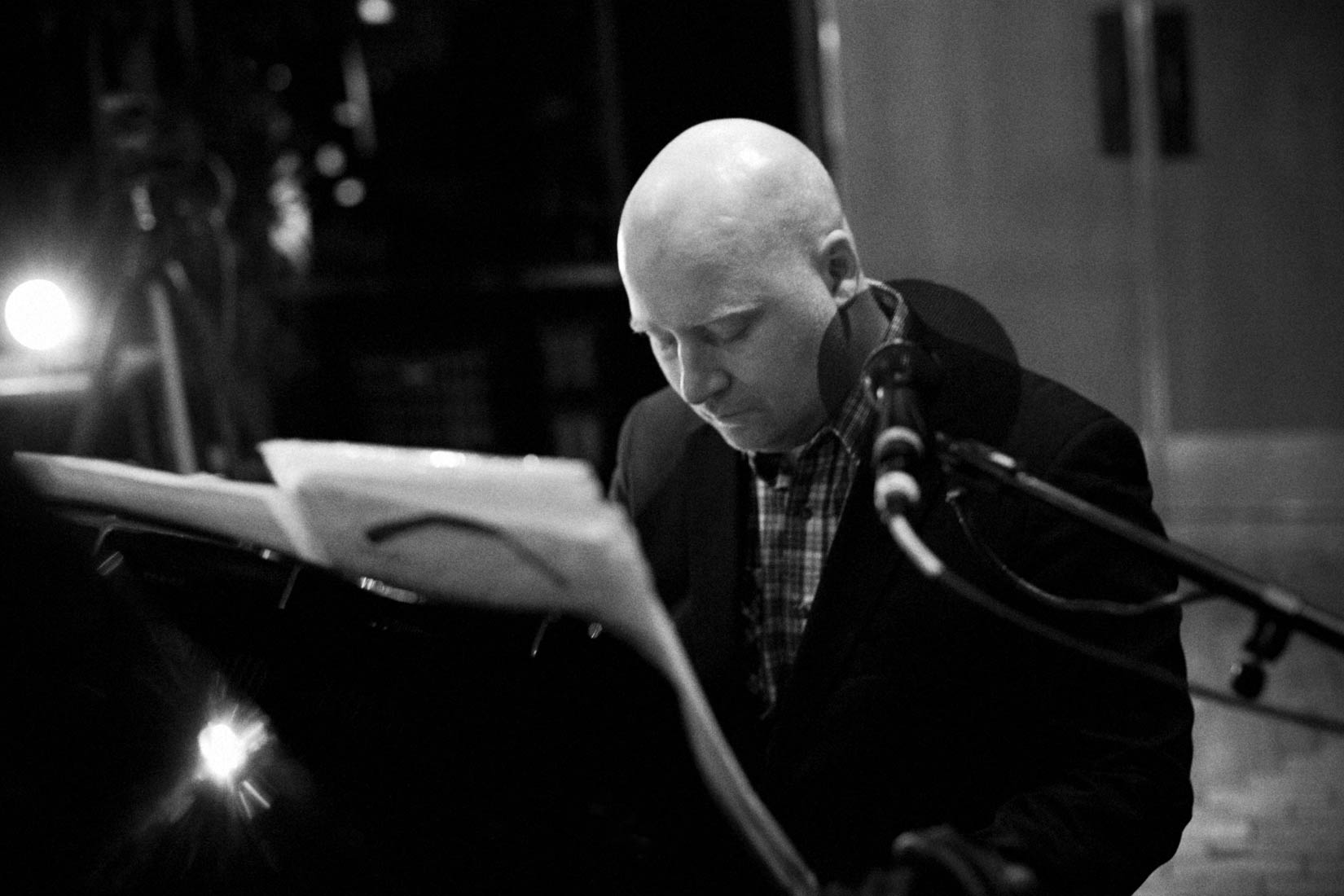
JJ: I think I have a sound or a certain feel in certain harmonies in the way I construct melodies. It’s a bit difficult for me to say that. I like to have space between the notes. I like to use silence. Silence can be very effective and it gives the music space to breathe.
With over 20 tracks, was it difficult leaving anything out?

JJ: There’s always some false starts. The first couple of tracks that I sent to James he rejected. You just have to send something. It gives you something to talk about. You want to be able to understand the theme of the film and then you talk with the director and then you find the voice of the film together by discussing the emotion of the scene and the feeling of the scene that it’s supposed to evoke. That’s just the process of working with the director. There are probably five or six cues that didn’t end up in the film, but over time the cues changes as you get further along in the film. There’s was one scene, a montage where Harry Lloyd’s character is carrying Stephen up the steps and he puts him on the statue. That montage took several versions until we arrived at the one that works, but there were five versions beforehand.
What’s next?
JJ: I will be working on Denis Villeneuve’s new film, Sicario. That film stars Benecio Del Toro, Emily Blunt, and Josh Brolin. I worked on his last film, Prisoners.
The Theory of Everything hits theaters on November 7.