
TIFF 2015 Exclusive: Screenwriter Drew Goddard Talks ‘The Martian’Posted by Wilson Morales
September 28, 2015

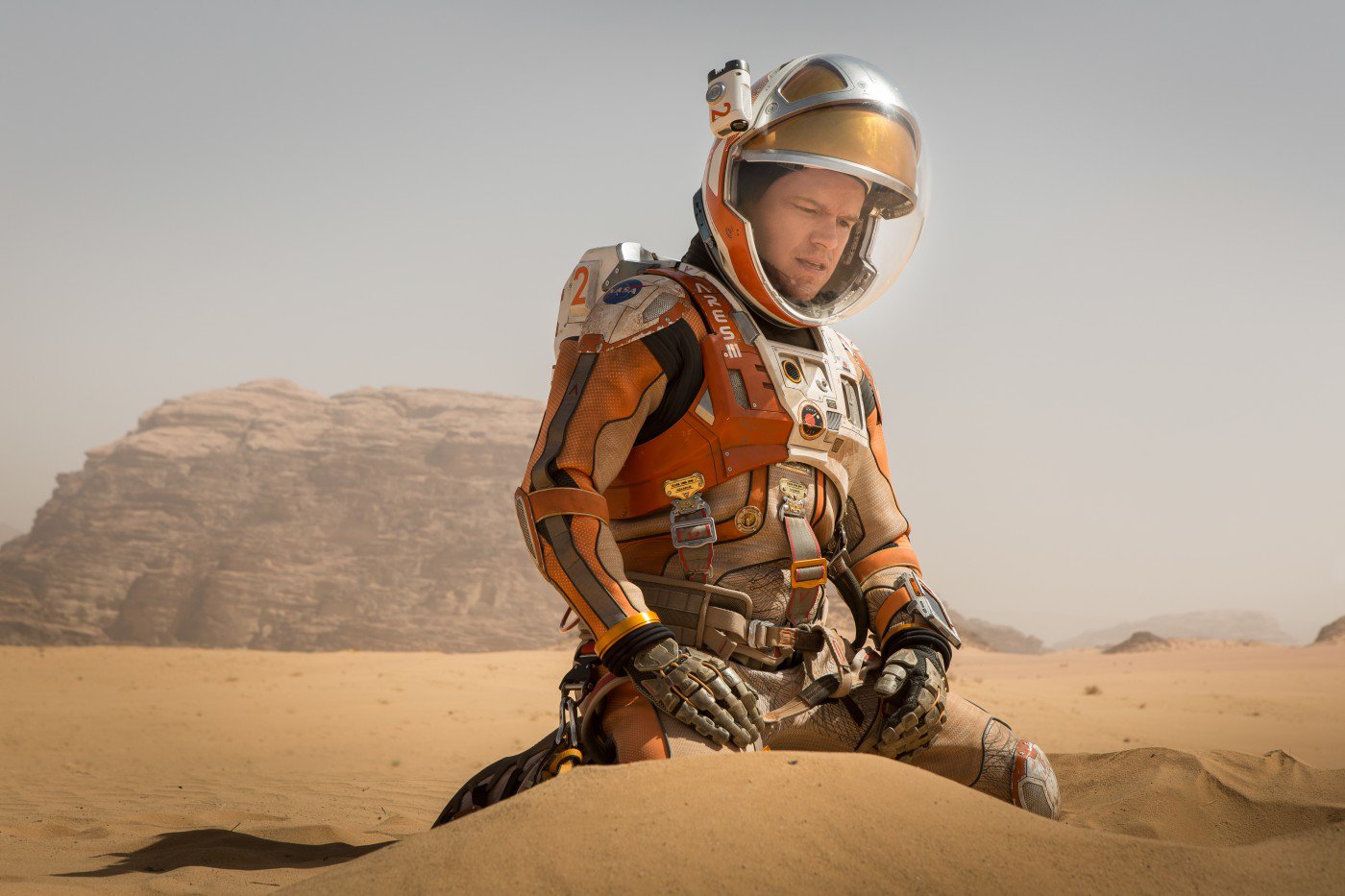
Recently played at the Toronto International Film Festival and opening in US theaters on Oct. 2 is Ridley Scott‘s science fiction action adventure, The Martian, which is based on author Andy Weir’s best-selling novel of the same name.
Starring Matt Damon, he is supported by a cast that includes Jeff Daniels, Jessica Chastain, Chiwetel Ejiofor, Kate Mara, Kristen Wiig, Sebastian Stan, Sean Bean, Mackenzie Davis, Donald Glover, and Michael Pena.

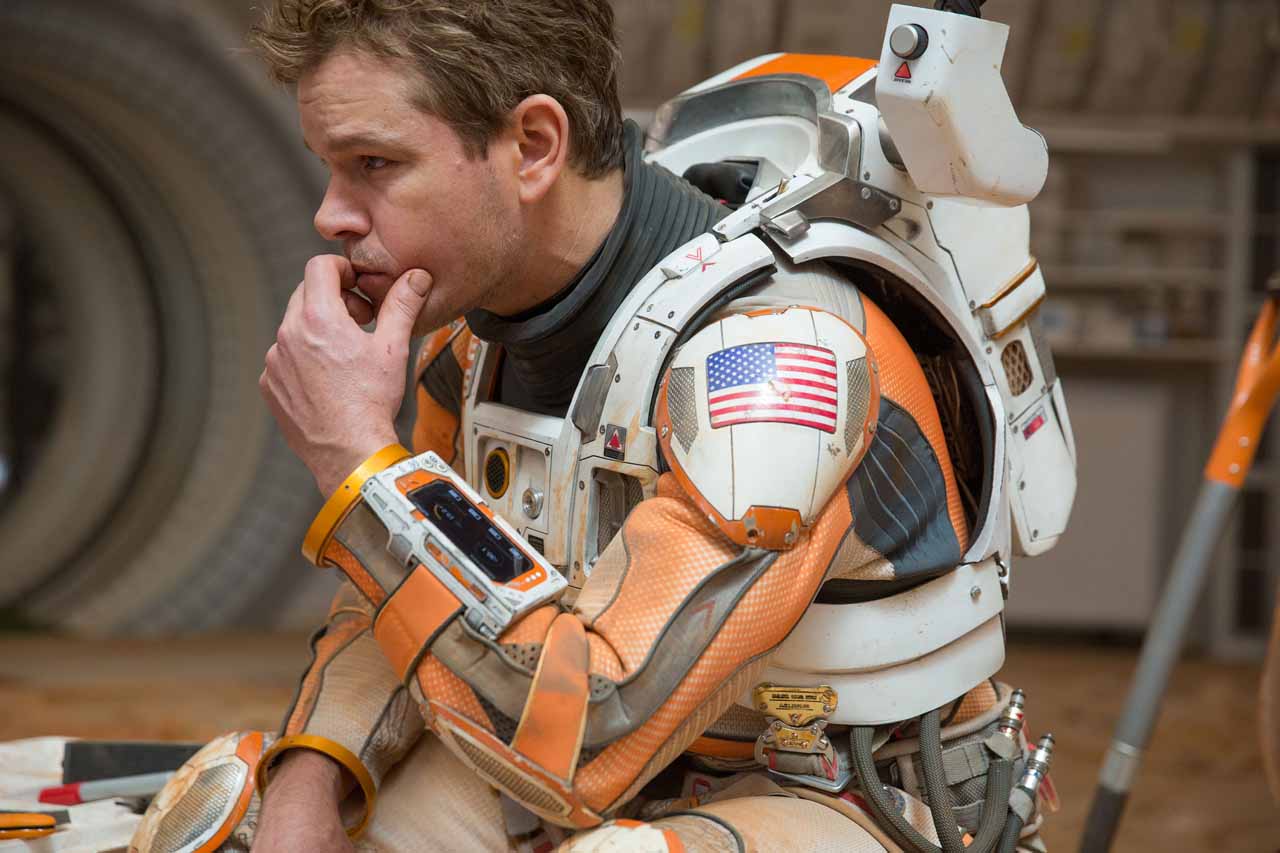
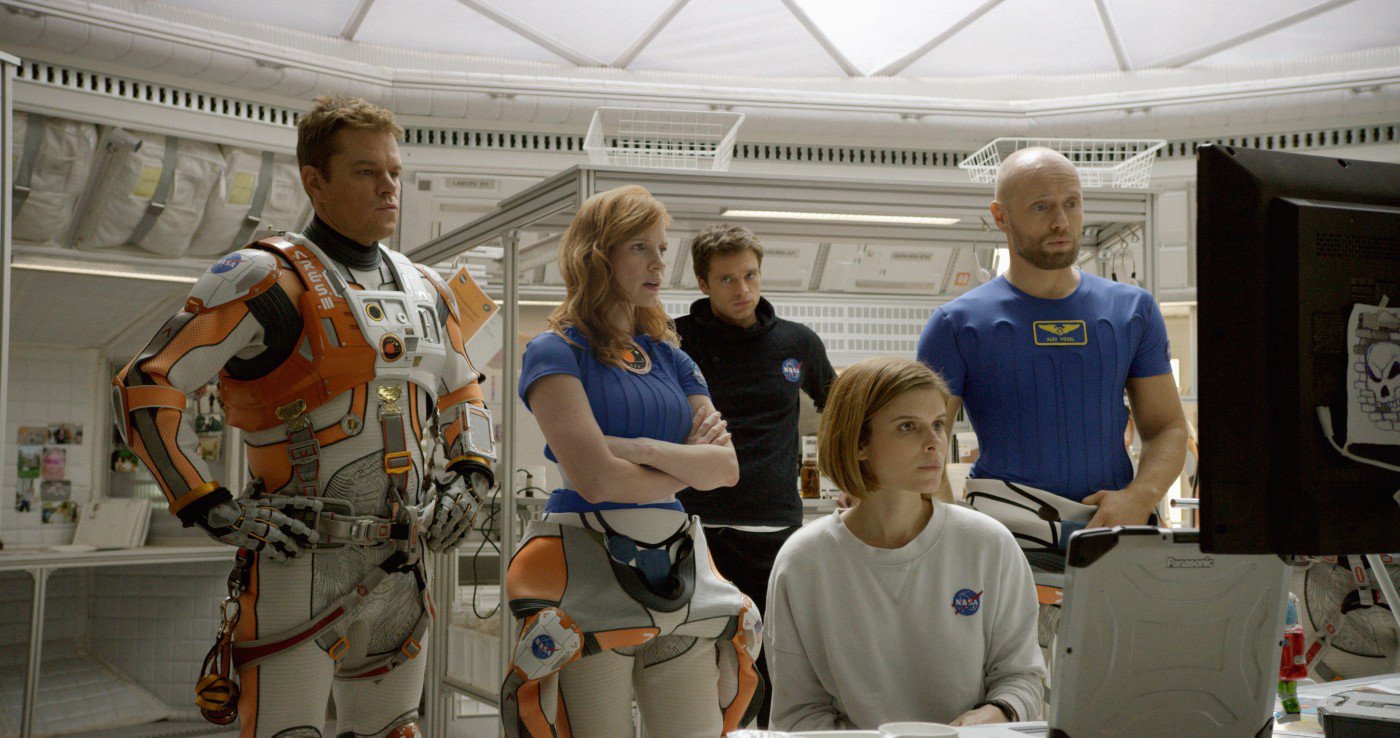
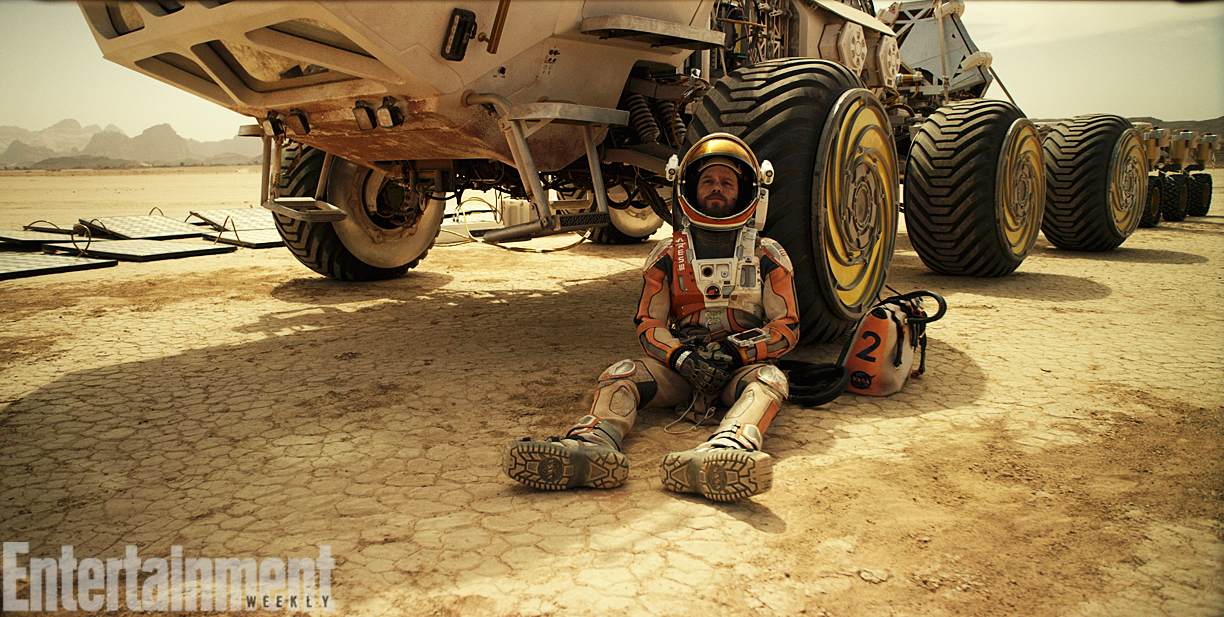
During a manned mission to Mars, Astronaut Mark Watney (Matt Damon) is presumed dead after a fierce storm and left behind by his crew. But Watney has survived and finds himself stranded and alone on the hostile planet. With only meager supplies, he must draw upon his ingenuity, wit and spirit to subsist and find a way to signal to Earth that he is alive. Millions of miles away, NASA and a team of international scientists work tirelessly to bring “the Martian” home, while his crewmates concurrently plot a daring, if not impossible rescue mission. As these stories of incredible bravery unfold, the world comes together to root for Watney’s safe return.
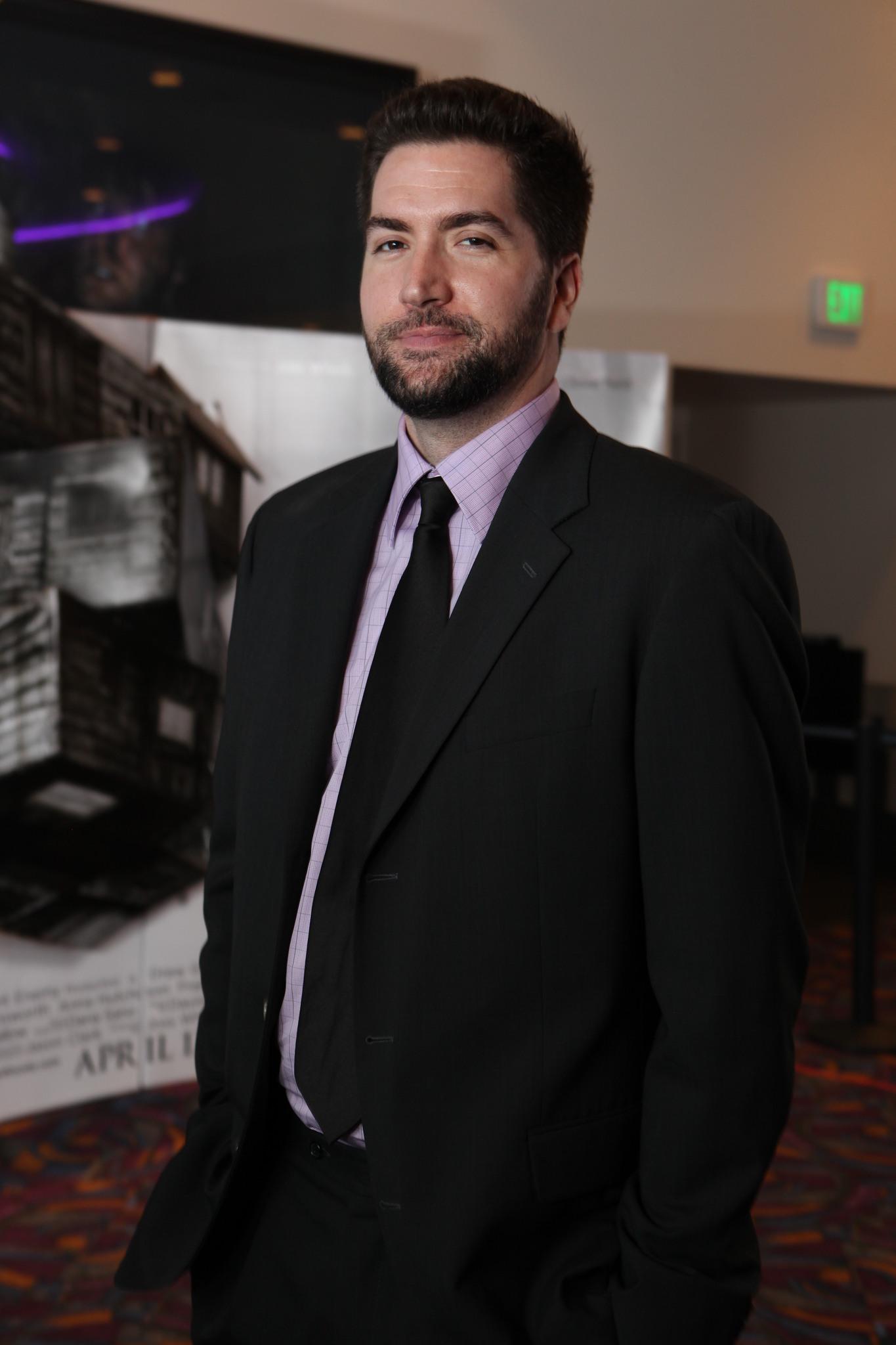
The film was adapted by screenwriter Drew Goddard, who has written for J.J. Abrams’ Bad Robot team, including doing episodes for Lost and Alias. He made his directorial debut with the 2012 dark comedy horror-thriller, The Cabin in the Woods and then wrote Brad Pitt‘s 2013 zombie film World War Z. Earlier this year, Goddard became the Executive Producer and writer for Marvel’s Daredevil for Netflix. He’s declined to return as the EP for Season 2 but will write a few of the episodes.
Blackfilm.com spoke to Goddard while at TIFF to go over his experience working and adapting The Martian for the big screen.
This has been talked about for a long time, when it first got announced that you were going to write and possibly direct at the time. When you do a book that people are familiar with, what was the challenges of putting as much as you can from the book on the screen?
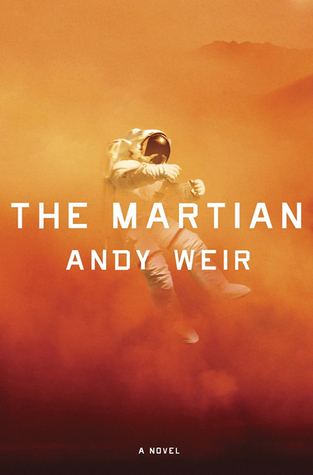
Drew Goddard: The good news was I had loved this book. Part of it, it’s easy. You just say, “Okay, I love the book, so don’t change it. Just put it on the screen.” I think the challenges of this movie were more about convincing the studio to make this movie. The studio was wonderful. I don’t want to imply that they didn’t. They got it, but it did require a leap of faith. There’s so much science in this book. It’s just so complicated science, it’s not even simple science. I said to the studio, “Listen, let’s not make this if we’re going to have to dumb it down. I don’t know if we have a story. I don’t want to change it. I love this book, I’m just going to give you this.” We’re just going to try to put this book on screen and that’s our goal, so if you don’t want to do it, let’s just stop right now. The studio, to their credit, was like, “No, that’s what we want. We want to actually make a movie for adults.”
For those who don’t go to enough movies, they’ll love it. For those who’ve seen a lot of movies, they’ll find other films that this may be similar with. What are the pitfalls you try to avoid from people saying, “Oh, this is Castaway with so and so. This is Apollo 13 with so and so. This is Gravity with so and so.” Or, “It’s a combination of all three.” What makes this different?
DG: One of the best pieces of advice I got as a screenwriter when I was starting my career is whatever you’re working on at any given moment, there’s three other things that sound very similar, and you just can’t worry about it. You just have to concentrate on making your movie unique. What I saw in Andy’s book, I had never seen before. Just sort of the combination of intelligence and humor in a survival story in a sort of love letter to science. I had just never seen anything that combined all of those things together. I just said to everyone, “Look, all we have to do is just protect Andy’s work and we’ll be fine.”
The main word is combination. There’s a combination of different things that’s going on in this movie. A lot of layers, a lot of different jargons. As a screenwriter, putting together this, mixing technical jargon with science jargon, and the jargon for the average audience to pick up, which is where Matt Damon’s coming in. How did you weave all that stuff in there?
DG: It took a lot of trial and error. You’ve got to feel it. It’s almost like music. You have to just sort of feel where it’s going. Is it time for a joke, or are we undercutting the drama too much here? You just sort of play it out. Maybe step back and look at it and go, “Okay, we screwed it up. Pull back on the comedy.” Or, “We need more comedy.” I wish there was a formula for it, but it’s a lot of trial and error.

Then when you have a host of actors in this movie. You want to make them shine in one scene or another. Is that going in your head as far as the character or the actor?
DG: I remember when it was one of the big attractions to the book and why I thought it would make such a good movie. There were such juicy parts. Even the smallest parts, everyone has a moment to shine. I remember saying in that first meeting where I was trying to tell the studio my vision for what to do, I said, “Listen, we’re going to get a great cast. I really believe we’re going to get a great cast because these parts are so real.” They’re so good and some characters have a three beat story, and yet they sparkle. I just think that that’s in Andy’s book and it makes your life much easier, because you’re going to get great actors.
Books and movies are different. At what point, when you were writing the story, did you know you hit the emotional mark?
DG: That’s a good question. I don’t know. I think I was always worried until I sent it to Andy. Until I sent the script to Andy I thought, “All right, if he hates it, then I’m going to need to start over.” He was so supportive and so appreciative, and just a joy to work with. I felt like, “Okay, we’re okay.”
Your background’s totally different, which is a great thing. It’s like, “Hey, this guy’s coming from horror, or from some other genre.” What is it that you like to do? What tickles your fancy that you’re able to do different things?
DG: Yeah, I guess I get bored easy. I don’t want to repeat myself. I’m sort of inspired by filmmakers who mix it up and don’t sort of make the same movie over and over again. I definitely try to have a personal connection to each thing I work on, but I get bored if I’m just doing the same old thing. I’ve been very lucky that they business will let me do different things, because that’s not always the case.
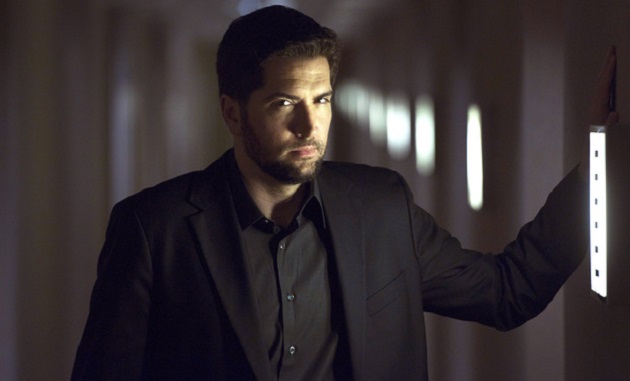
Now, you directed ‘Cabin in the Woods’ almost four years ago. Why not direct again?
DG: That’s the plan. I’ve had a couple movies sort of fall apart, which is what happens in Hollywood. It’s a volatile business, but the truth is, it will be in the cards soon. I’m just writing my next thing right now, and hopefully someone will let me do it.
Then there was Daredevil. You were the EP on that, and you’re coming back as a writer for a couple of episodes for Season 2. What was the joy of doing that?
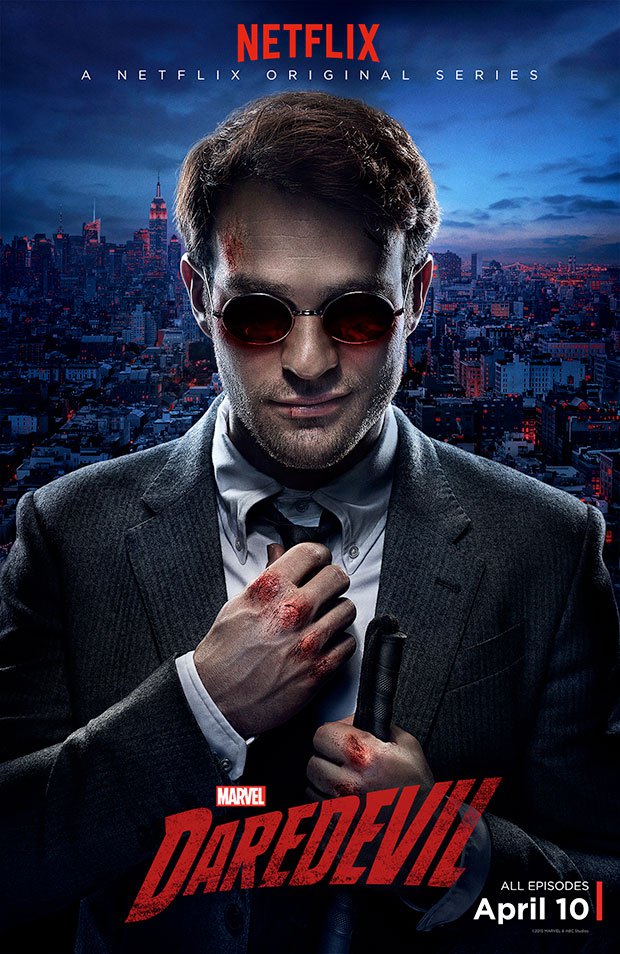
DG: That was just a character that I loved. I just loved that character as a kid. I painted my room with Daredevil stuff. It was just fun to sort of, much like The Martian, to find something that I loved and then share that love with the world. I feel like that’s my job with adapting things. I try not to adapt something that I don’t love because it makes your life easier. All I have to do is just say, “I love this. Now let me show you what it is I love about it.” With Daredevil, that was the case. It was like, “All right, my one job here is to make the audience fall in love with Matt Murdoch. If we’ve got that, then we have a show. If we don’t have that, then we don’t.”
You said sometimes you do different things because you get bored quickly. What was difficult about walking away from that?
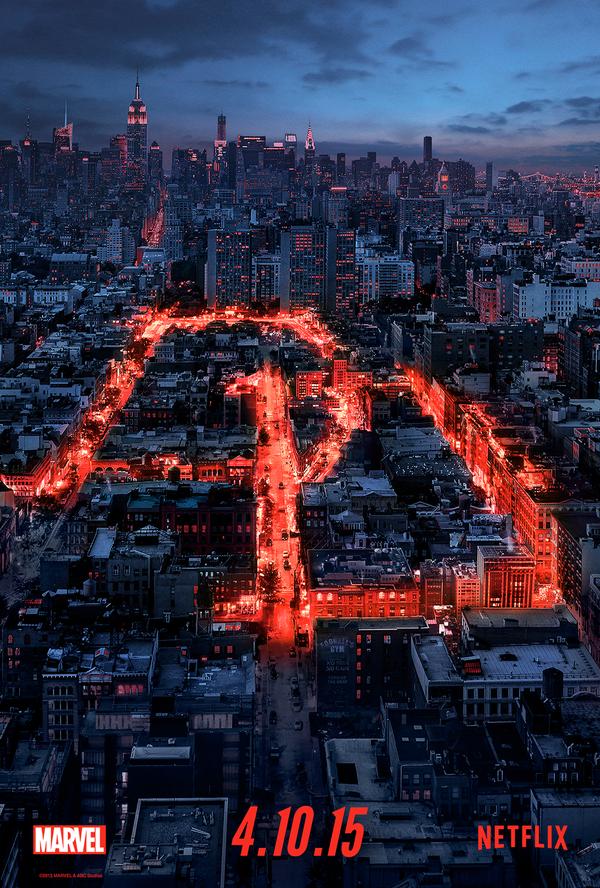
DG: I haven’t walked away. I’m just not the show runner. I still get to show up. The nice thing about TV is the thing that keeps you from getting you bored, in TV every episode can be different. You have to figure out the big overarching story lines but if you find yourself getting bored, it’s a sign the audience is probably getting bored as well. It’s good to switch it up. It’s good to say, “This episode is going to be a little bit different. Let’s push ourselves to come up with something new here.” It’s what I love about TV. Every eight days you’re making a new episode, so you don’t have time to be bored.
Now, going back to The Martian, when you’re writing Matt’s scenes where he’s by himself, how much of it was from the book compared to what you wanted to add in there?
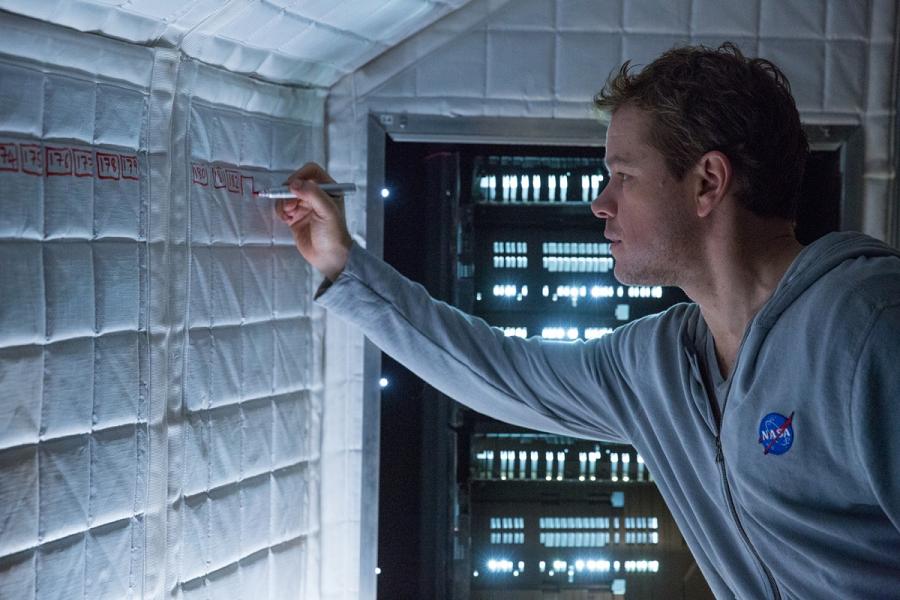
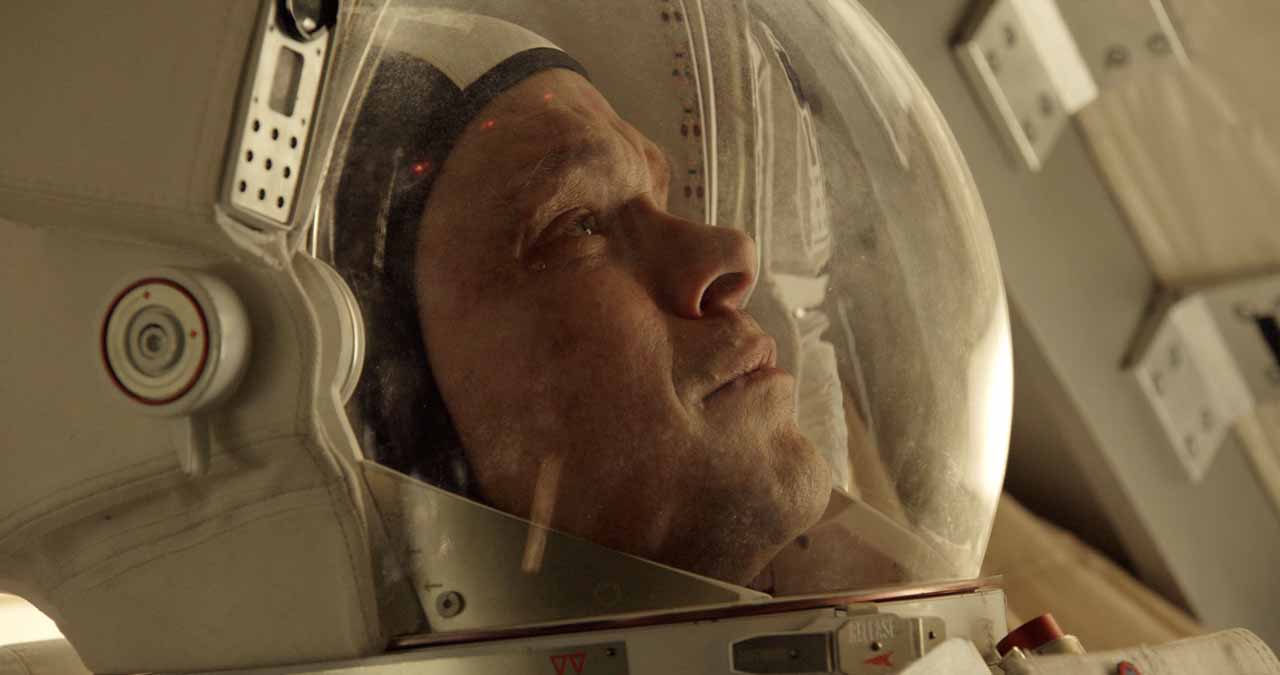
DG: So much of it’s in the book, that certainly the soul and spirit of how he talks and his sort of world view and the optimism and the humor in the face of despair. That’s all in the book, and so it was really just tapping into that. Then honestly, just pointing the camera at Matt Damon. He makes your life so much easier. Turns out he’s a super star and all you have to do is point the camera at him and you’re going to be fine.
Now what I loved was the use of the music. Was Donna Summer always in the book?
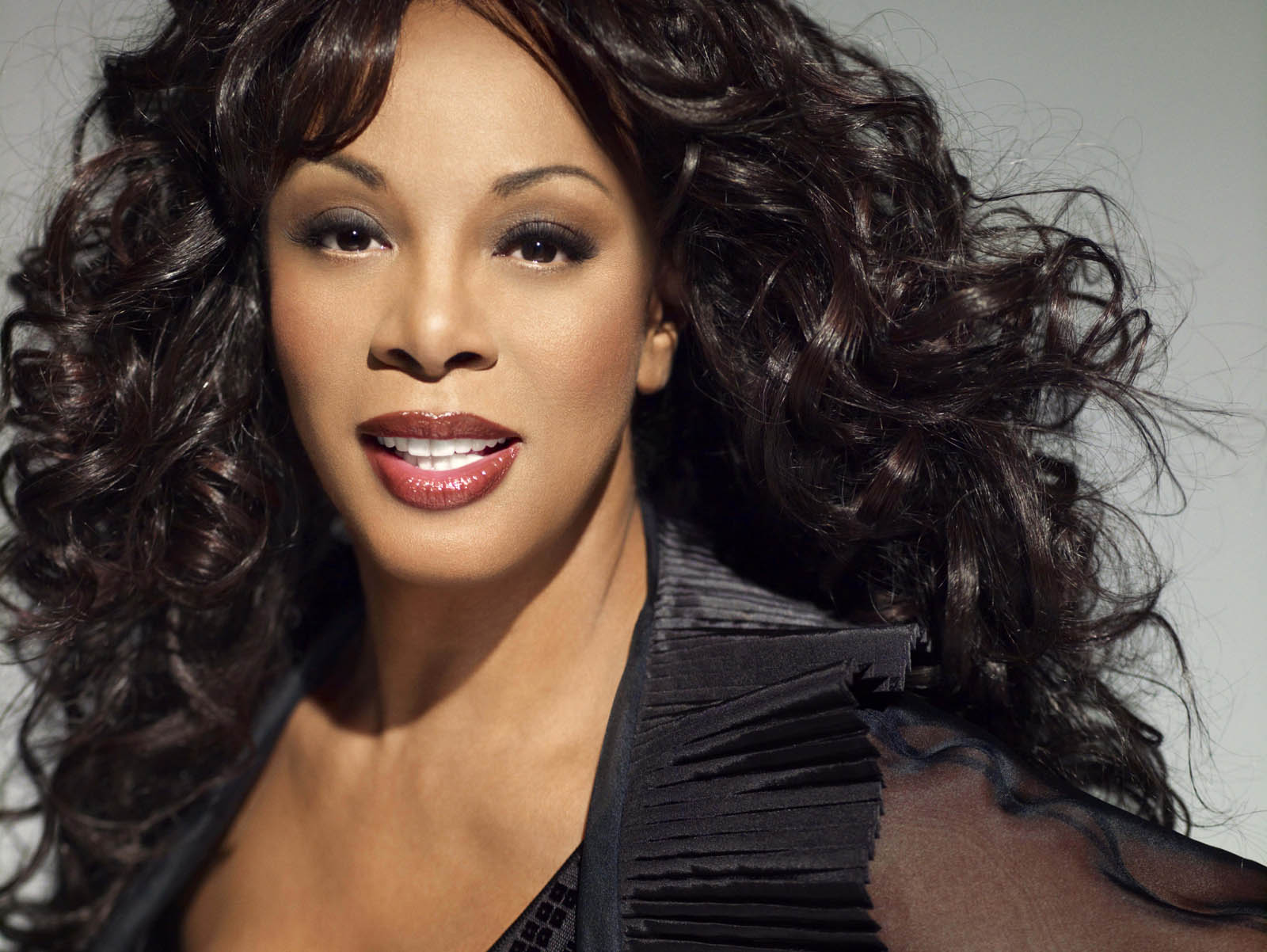
DG: Oh, boy. That’s a great question. I don’t know if that specific one is, I’m going to have to look. I know the use of disco, and so many of it’s songs, are in the book. Part of it was just figuring out which song worked best where. That was the thing I think Ridley and I and Andy talked about. It’s the most fun part because there’s so many great disco opportunities to choose from and to just sort of see it juxtaposed with that Martian scenery, it really worked.
Did you say “Can we get this song in there?”
DG: I think early on it was important to have a big music budget for that exact reason. It’s so crucial to the movie. It so sets the tone. This is not your average Mars movie. The studio really backed that. They were very excited and supportive, so they gave us the money we needed to do it.
Working with Ridley, how much in hand did he come in? It’s your script, but then he’s got to direct it. How do you guys work in sync?
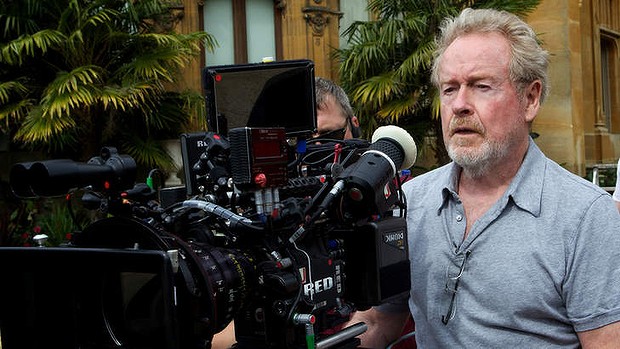
DG: The good news is I revere him, so any time that he would come in, all he did was make the script better. I think because I’ve directed now, I understand that perspective. I think when I was a younger screenwriter, no matter who it was, you sort of clutch very tightly to the script. You feel like it’s your job to protect it. Then once you get a little older, once you sort of do the business more, you realize, “Oh, no, no. We’re just here to collaborate.” It’s all about does our director see it, what does he see? I just try to listen to him and shape it to sort of fit his personality and eastheic. I think it worked very well in that regard, mostly because I just adore him, so it’s pretty easy.
What’s the next thing on your plate?
DG: The plan is to just write my next thing to direct, but I always leave myself open to be surprised.
Is Sinister Six still on the plate?
DG: The script is done. They’ve got it. Sony ran into some problems with a hack, so things got delayed, but they’ve got my phone number if they want to make it.
At the end of the day, if somebody doesn’t know who you are and they’re saying, “Should I go see The Martian?” What do you say?
DG: Look, I think it is a movie that everyone can relate to because it is about the struggle to survive and the struggle to take care of one another and protect each other. I feel like it’s a universal theme. It’s what attracted me to the story, and it’s also hilarious. Andy’s book is just undeniable, and if you don’t like it, you’re a jerk.