
Tribeca 2014: Michael Tubbs Talks ‘True Son’ by Wilson Morales
April 23, 2014
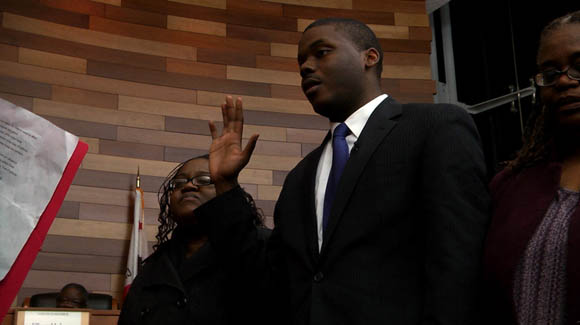
Currently playing at the 2014 Tribeca Film Festival is an amazing story about a young man who wanted to change the environment and community he grew up in and make a difference in the world. Directed by Kevin Gordon, the documentary ‘True Son,’ captures the election race for Stanford grad Michael Tubbs, who faced a lot of adversity.
Stockton, California, is considered one of the worst cities in the United States, riddled with financial crisis and crime rates rivaling Afghanistan. Where everyone else saw hopelessness, 22-year-old Michael Tubbs saw possibility. In 2012, Tubbs ran for City Council, building his campaign from the ground up. In Kevin Gordon’s passionate and inspirational documentary he sets out to beat a politician twice his age and bring his community back from bankruptcy.
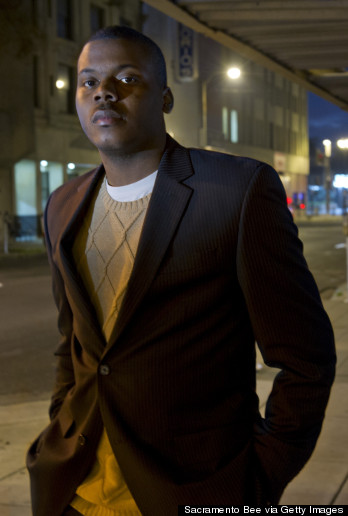 In speaking with Blackfilm.com, city councilman Tubbs talks about being followed around by a camera crew while running a campaign.
What were your first thoughts when you were approached to having your story told on film?
Michael Tubbs: When they told me they wanted to do my story, I was adamantly against it, because campaigning is hard enough. You have to knock on doors and ask people for money and that’s difficult. With this, you have a camera crew around you following you every where you go. I thought that having them around me, people may wonder if the taping was for a show or fake and not really care about the issues. Then I spoke with my mom and my team and they made a point that it would be special to capture that year and what that could mean years from now. Because I’m young and idealistic, I could always look back. I decided to do the film provided it’s not about me but about the campaign and Stockton and they did a great job and I’m really happy about that.
 How receptive was the community knowing their town had a negative statistic and you were doing something to change that?
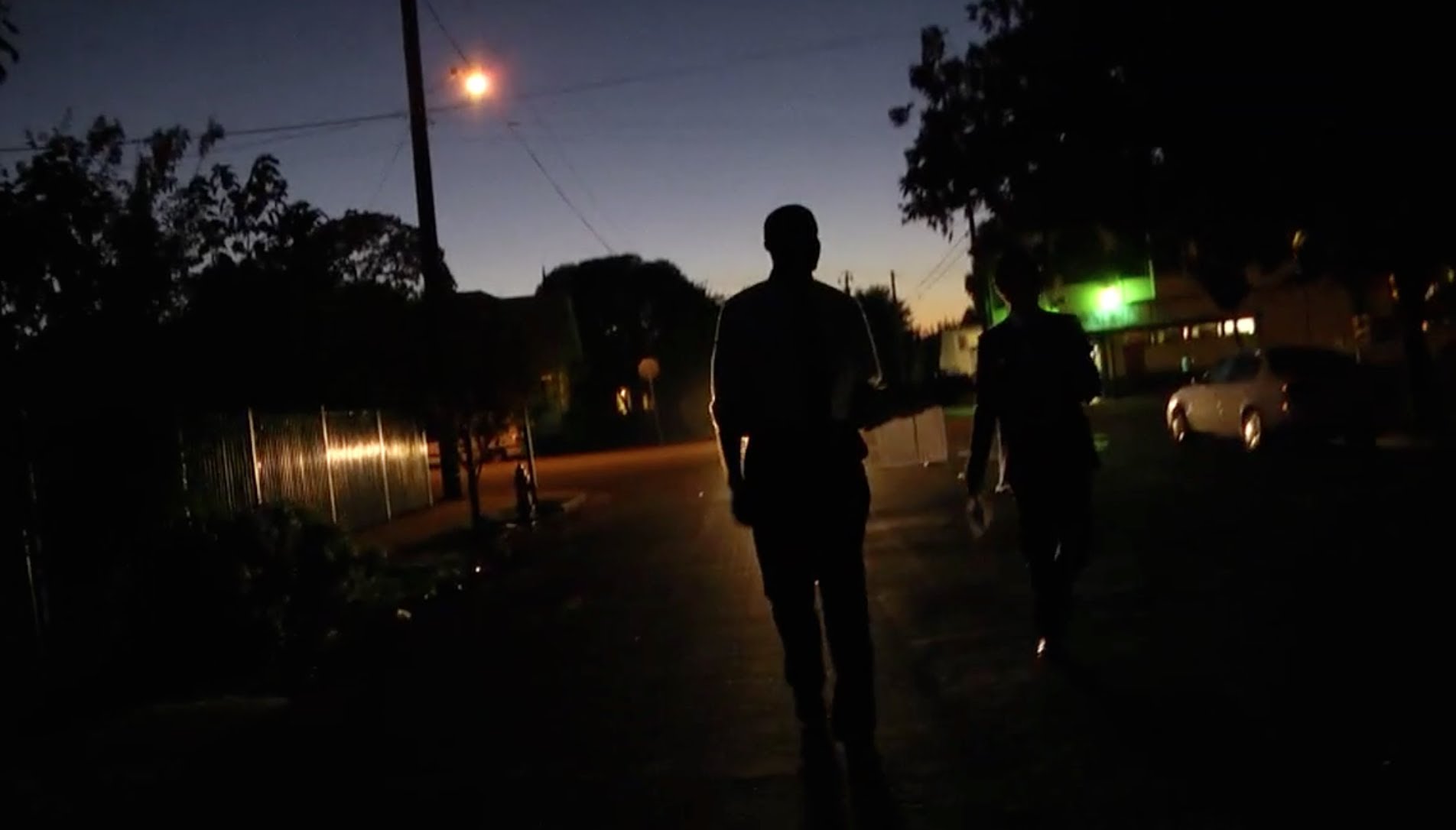
MT: What’s funny is that most people loved the camera crew. The camera crew would follow my mom and other folks on the campaign and they loved it; but others grew to resent it because for some, me being so young, I was getting a lot of attention and press. They thought I was some media person who wanted attention. But once they see the film, they will see that it depicts Stockton in a good light and what I love about the city and how resilient the people are in making the city better.
Was there any resistance from anyone who didn’t want certain aspects of their life on camera?
 MT: Not really. I think the biggest resistance (for me) is that it’s hard to do campaign when you have a camera crew following you and people act different when they see one. As much as they wanted to follow me, I had to tell them not to follow me as I knock on doors. I’m still trying to win a campaign. I didn’t know if I could win and there was a lot of back and forth on what worked best for me and for them. In Stockton, you run in the city for the primary, but you have to run city-wide to win the election. I didn’t know how I would fare being so young and African American. The endgame was to shoot from July to the election and see how I grow and mature and learn what it is to be a city elected official and a real candidate.
Did you ever wondered during the shoot what if you don’t win?
MT: If I didn’t win, people would still see that I’m a good guy and the city would still be shown in a good light.
 How long did they shoot you?
MT: They shot from July to November.
How exciting was it to have Oprah Winfrey contribute to the campaign?
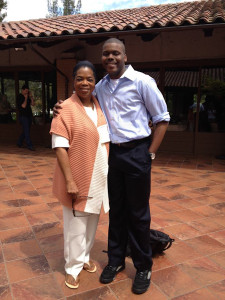
MT: I was incredibly blessed because I needed money and she wrote a nice check. I knew that Oprah was a big deal but I didn’t know that everyone cared about what she did. So when we got press from London and other places around the world, I was ecstatic. They cared that much about what she did and her donation helped with what we were trying to do on a national platform and I’m really thankful for that.
What do you want people to get from seeing this film?
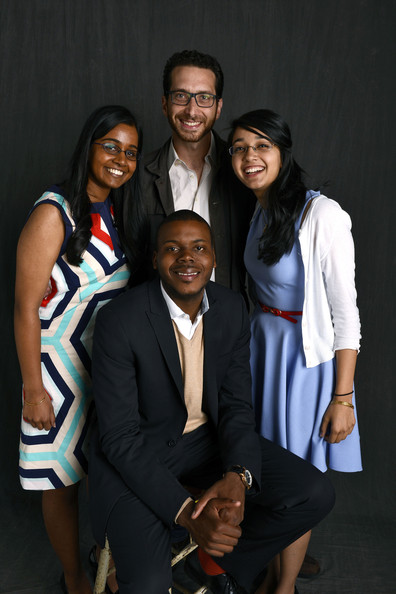 MT: First, I want people to understand the importance of interacting with local government. It’s ordinary people with regular people problems and as a politician, I want them to see that I understand their situation. I also want young people to be empowered, especially young people from hard communities and hard backgrounds. It’s not easy to make it and it’s not easy to go to Stanford, but it’s possible. I also want people to see that often times it’s the people that you marginalized and don’t look at who are really jewels in society and really have a lot to offer and give. We have to figure out how do we invest in kids whose father are in jail or whose mother had a kid as a teenager, because they could be the next city councilman. We need to invest in them and give them the resources and opportunities.
As a 23 year-old, are you still able to have a normal life?
 MT: I have a life but it’s different. I try not to go outside of the city. If I do go out, I go out with my friends in the Bay area. It has been a bit challenging. Sometimes I don’t just want to go a movie and then sleep. I want to go out with friends and drink, but there’s a trade-off. Being so young and the influence that I have around me has guided me to the right path so far.
What’s the status of Stockton now?
MT: The stats are good. Crime is down and there’s a bank opening in my district. What’s exciting for me is that regular people want to get involved and every week, a guy who just got out of jail will organize 100 volunteers to clean up Stockton from the parks, streets and churches. It’s exciting to see that not only the campaign but the circumstances have galvanize people to act and do positive things for the city.