
Tribeca 2018: Director Hagar Ben-Asher Talks Dead Women WalkingPosted by Wilson Morales
May 8, 2018
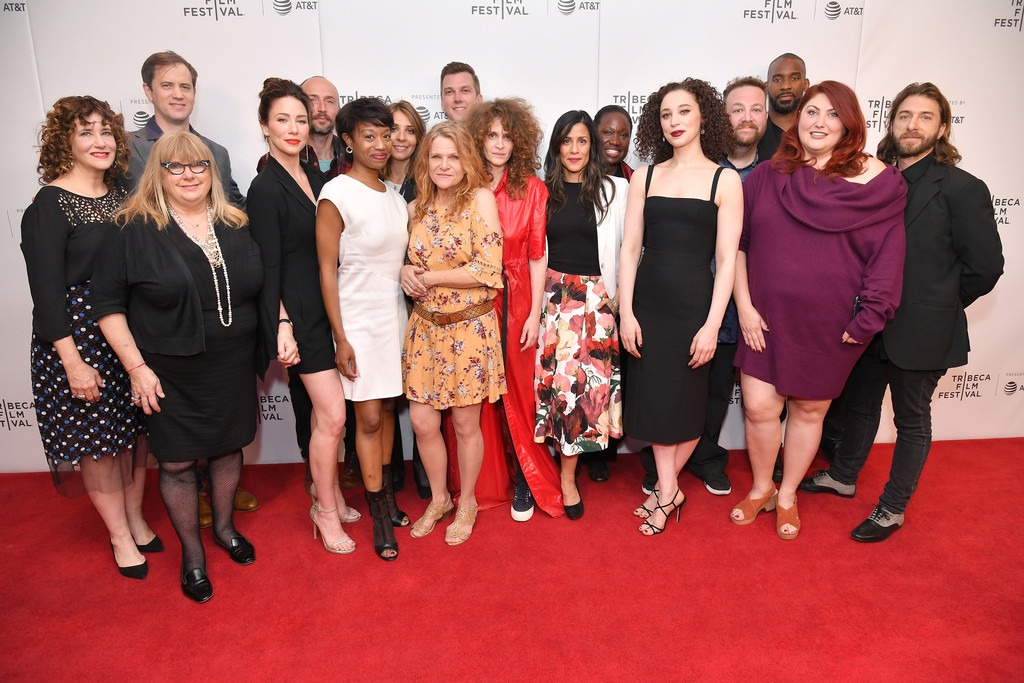
One of the films we caught at the 2018 Tribeca Film Festival was the emotional and compelling drama called “Dead Women Walking,” written and directed by Hagar Ben-Asher.
According to the festival guide and told through nine vignettes, Dead Women Walking explores the final days of a series of women on death row, from two weeks before one inmate’s execution to mere minutes before another’s. There’s Wendy, for example, whose mother declines to visit her the day before her execution; Helen, who meets her 18-year-old son (Moonlight’s Ashton Sanders) for the first time since he was adopted shortly after her imprisonment; and Celine, who watches a documentary about her case and conviction while having her last meal. Among the 83 cast members were Dale Dickey, Dot Marie Jones, Lynn Collins, Colleen Camp, June Carryl, and Ashton Sanders.

Blackfilm.com caught up with Ben-Asher, an Israeli whose previous films included features “The Slut” and “The Burglar.” Her next film, “The War Has Ended,” is in pre-production and will shoot in May 2019. She spoke about the making of Dead Women Walking.
How did the story come about for you?
Hagar Ben-Asher: I don’t know. I guess it’s where stories come from. A thought that drifts and comes into a story. I don’t know but this project has an interesting story. I shot it as a short form series for a digital platform called blackpills, so it was supposed to be a series. This is why the film is constructed it its way. It was supposed to be a 9 episode thing of ten minutes. The thought that started was that I was looking for something that had the element of time. I didn’t see myself doing a ten minute thing that doesn’t have the essence of time in it and somehow my mind got into this.
So, were these vignettes put together as a film?
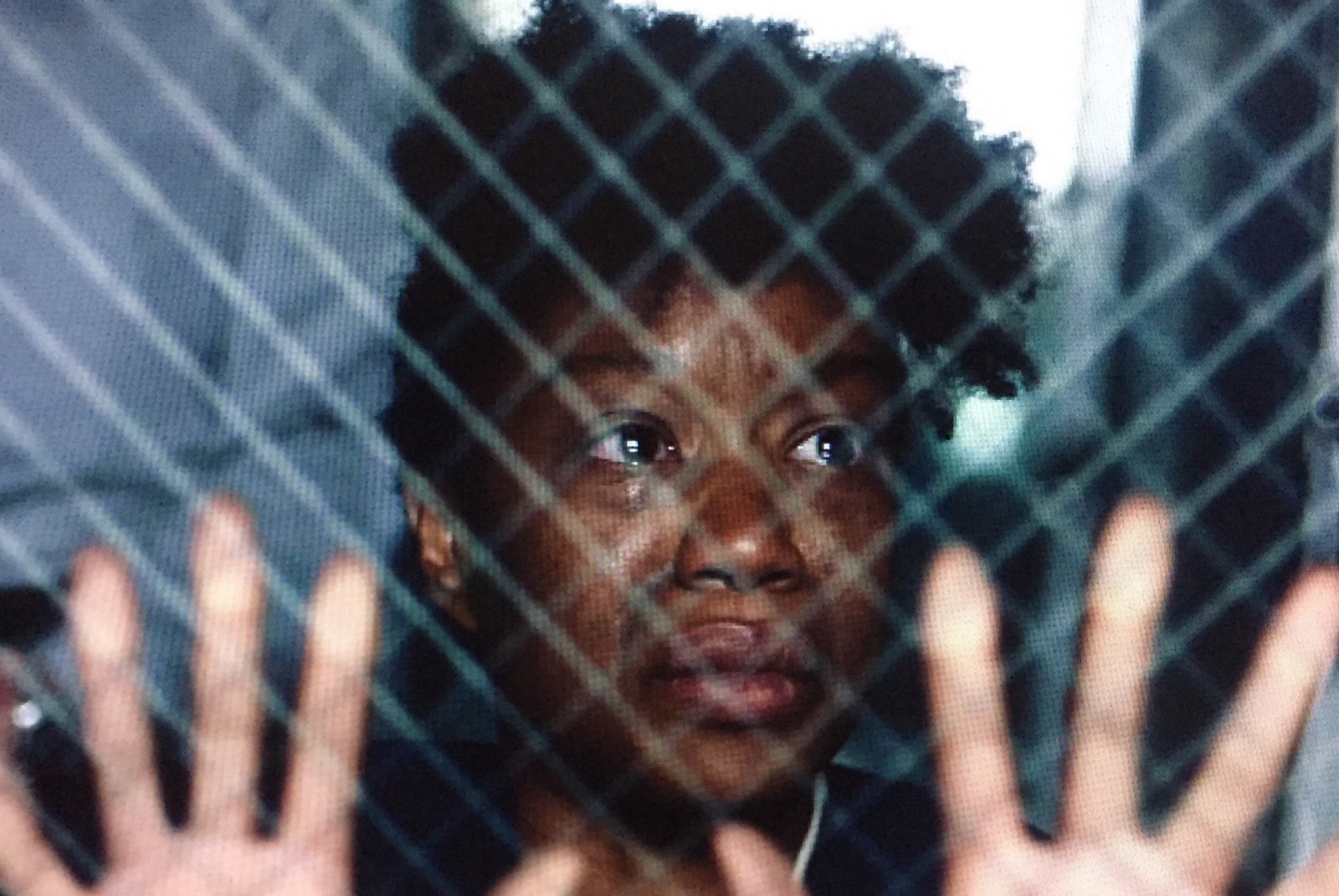
Hagar Ben-Asher: It started as nine different vignettes and then once we finished editing, we realized that when you see once after the other, it is much more powerful if they are left apart.
Was it a challenge in the editing process determining the order for each vignette?
Hagar Ben-Asher: No because it’s a chronological process and there’s that moment when you do films and you say, “but this should have been there,” but I couldn’t mess with it. It was very important for me to stay rooted with the truth and with reality and how the system works.
How much research went into the story with the characters and why they are being executed?
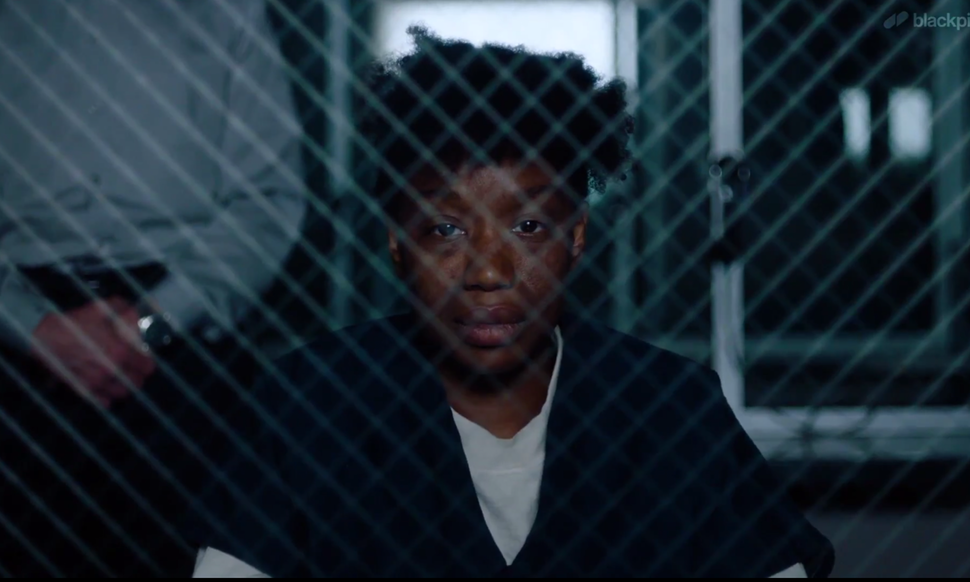
Hagar Ben-Asher: I did a lot of research by watching a lot of films because there are a lot of films on women on death row and death row altogether. It was very interesting for me. The very strange thing about them is the fact that many of the backstory of the women on death row or the harsh criminals are quite the same. 88% of women in prisons today are women that were abused sexually or come from very violent houses and drug induced backstory. It’s a strange thing that they all have something in common and very deep.
The women in the film are being executed for having done multiple killings. Is that the main reason they were given that sentence?
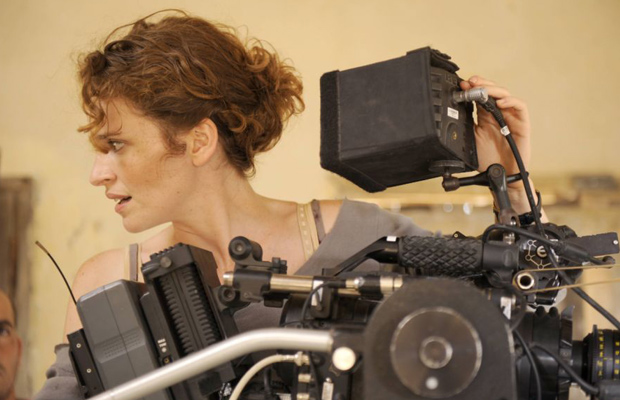
Hagar Ben-Asher: Yes. It’s not an easy thing for women to get the death penalty. It’s usually due to more than one murder.
Each of the women in the film come from troubled backgrounds, so how did you decided which story would place more than the others?
Hagar Ben-Asher: I would say that my intuitive answer would be that it was an intuition every time. Meeting a woman and trying to figure out what’s she done. What led her to do this specific crime? It grew very organically.
As a producer, what’s the sell to this film? What’s going to get folks interested in seeing a film about women on death row?
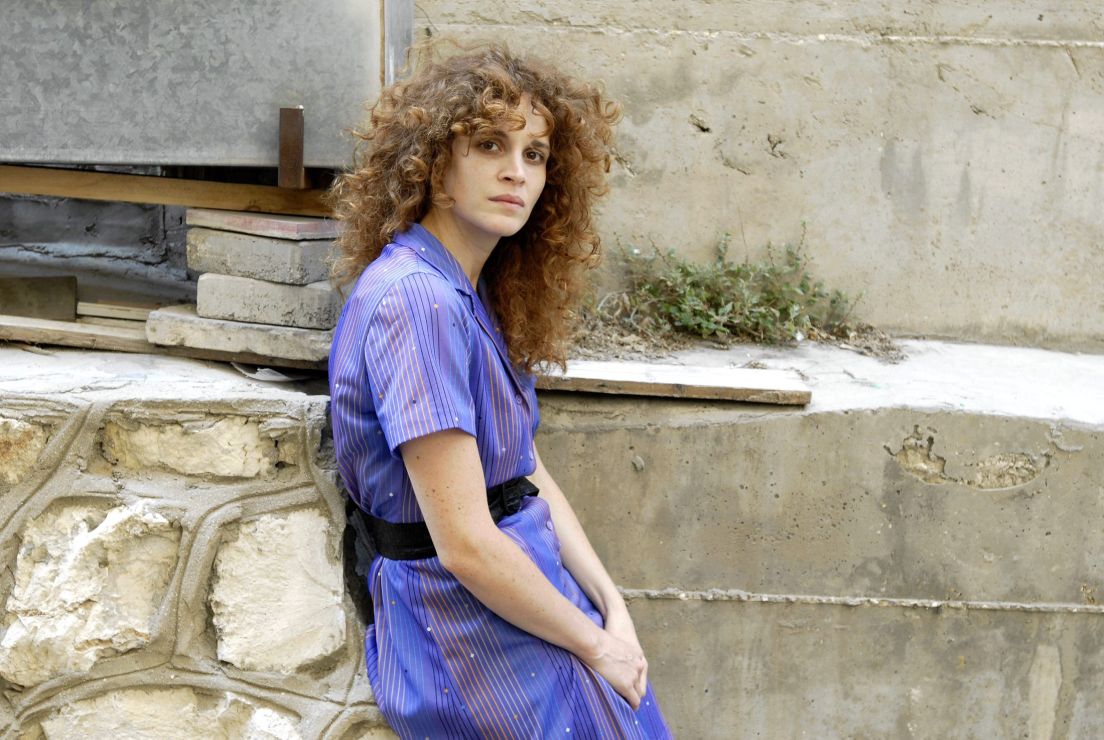
Hagar Ben-Asher: People cry when they watch it and yesterday was the premiere. I think people want to be touched and I think people want to be aware of what’s happening and I think people want to be politically involved if it’s in a passive way of watching a film. I hope that the film has the combination of being both emotional and politically provoking. I think it’s an important discussion.
Did you have any debates on telling certain stories?
Hagar Ben-Asher: You know what. It might sound naive or foolish, but the writing of this was very, very quick. I wrote it in there months which for me was very quick. I think what happened in the meeting between the text and the actresses created this sensational feeling that what you see is real and that these women are there.

Within the stories presented, Ashton Sanders of Moonlight is seen in one of them. How did you get him involved?
Hagar Ben-Asher: I really wanted him to come. It’s funny because he, along with Dale Dickey and Dot Marie Jones and Lynn Collins are known to others, but he’s becoming more known because of Moonlight. At the time, I wanted them to be faces that were not well known. It was important for me and the film, but I wanted him. I didn’t mind him being known because he’s still a boy and he’s very vulnerable and very amazing and it’s a film about women. We actually courted him. He read it and fell in love with it and called and said, “I would love to do it.” I was very happy because he has this thing.
Where do you go from here? Will this be played elsewhere?
Hagar Ben-Asher: We’re seeking distribution. It just started its life yesterday, so I will let it grow.