
“A Black woman having a baby is like a Black man at a traffic stop with the police.” ~ Mother-to-be, Felicia Ellis.
Black mothers and black women as a whole are ignored more often than not by medical care providers. There is no urgency when black women complain of pain, lethargy, shortness of breath, or other similar issues. Women know their bodies. We know when something isn’t right. But when we are told by a doctor that nothing is wrong we try to believe it because they are the professionals. They must know, right?
The truth is that preconceived notions come into play in these scenarios. Preconceptions like: she’s likely on drugs, looking to get drugs or being a drama queen — all of which can be deadly. A prominent example of this was Serena Williams’ experience after giving birth and when she insisted on a CT scan due to her history of blood clots. Was it because she was able to take pain, looked healthy and strong so there was nothing likely wrong? All of these notions go through care providers’ heads. They’ve already decided that nothing is wrong and no treatment is necessary. They are already taking off their gloves and thinking about the next patient, as we and our loved ones continue to plead with them to look further, to no avail. No tests ‘just to make sure’ are ordered. A Black mother may complain for several days or weeks of, say, shortness of breath, before any tests or treatment is ordered. By that time that complication may have escalated or become life threatening. This is systemic racism.
An alarmingly disproportionate number of Black women are failed every year by the U.S. maternal health system. “Women of color account for 80% of pregnancy related deaths in the City [of New York],” according to Councilwoman Carlina River, Chair, City of New York Committee on Hospitals. But it’s not just Black women who are at risk, the U.S. maternal morbidity rate is the highest of all industrialized nations, but black women suffer at a rate two to three times higher.
Shamony Gibson and Amber Rose Isaac were vibrant, excited mothers-to-be whose deaths due to childbirth complications were preventable. Now, their partners and families are determined to sound a rallying cry around this chilling yet largely ignored crisis.
Tanya Lewis Lee and Paula Eiselt’s documentary “Aftershock” focuses on this disturbing trend. The film follows Gibson’s and Isaac’s bereaved partners, Omari Maynard and Bruce McIntyre, as they fight for justice and build communities of support, bonding especially with other surviving Black fathers. Their tragic, individual experiences are punctuated with condemning historical context, showing that gynecology has a long-standing history of exploiting and neglecting Black women in America. In the arresting words of mother-to-be Felicia Ellis, “A Black woman having a baby is like a Black man at a traffic stop with the police.” She emphasizes that paying attention is paramount.
“Aftershock” brings an unsettling reality to the forefront while uplifting the families, activists, and birth workers who are striving to bring institutional change and legislative reform to this issue. These mothers will not be forgotten.
“Aftershock” won the Sundance U.S. Documentary Special Jury Award: Impact for Change
Meet the Artists
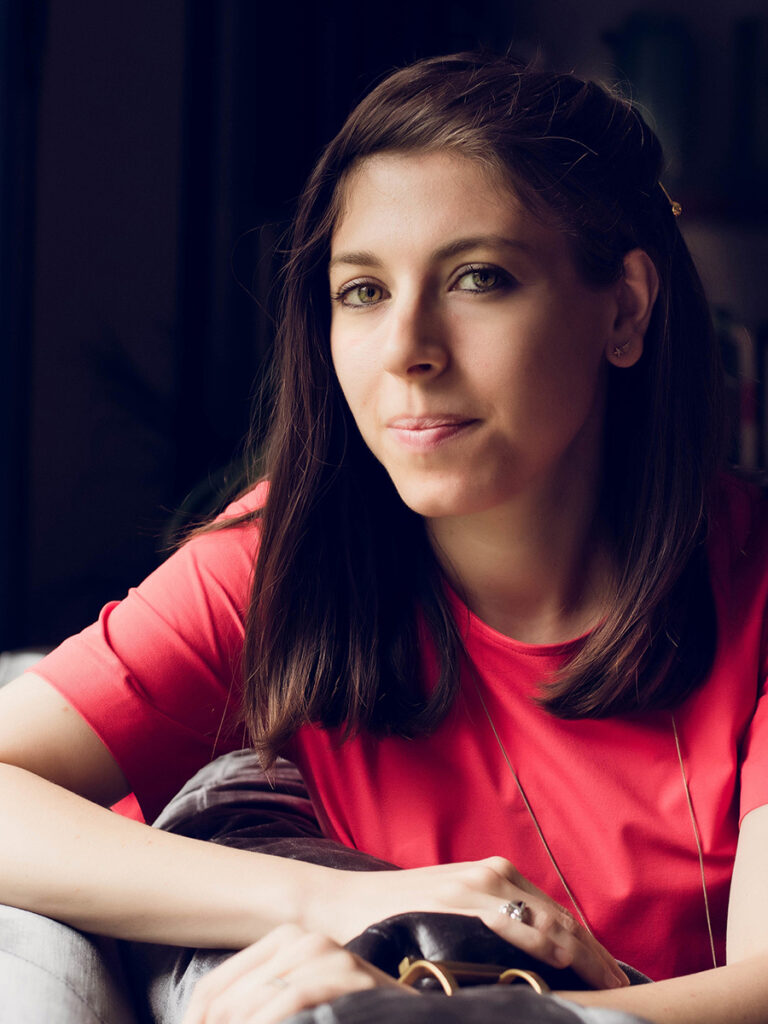
Paula Eiselt directs and produces feature films about unforgettable characters thriving in unbelievable circumstances. Her passion for vérité storytelling about fearless trailblazers fighting for change resulted in the award-winning film 93Queen (POV, HBO Max). Now, with Aftershock, Eiselt uses her intimate lens to seek justice and reform and to keep memory alive.
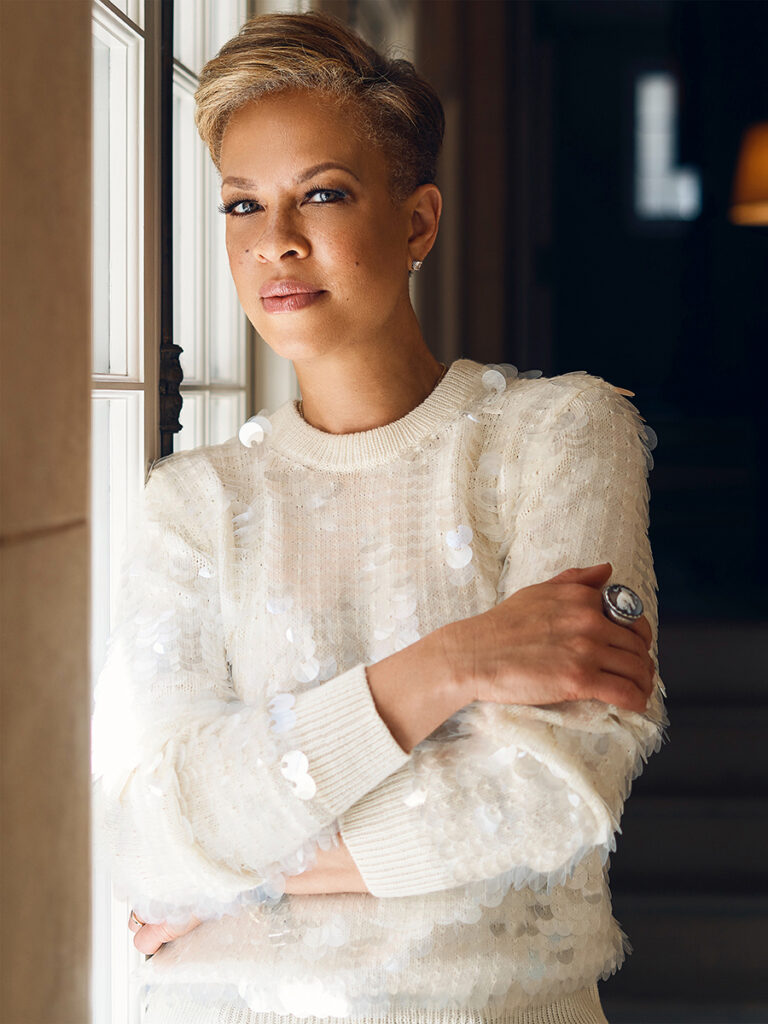
Tonya Lewis Lee is a director, producer, and writer whose work through storytelling often explores the personal impact of social justice issues such as civil rights and criminal justice. Most recently, Lewis Lee co-directed and co-produced Aftershock, a film that examines the U.S. maternal mortality crisis though the lens of the lived experience. Lewis Lee, is the wife of director Spike Lee.
CREDITS
- Director: Paula Eiselt, Tonya Lewis Lee
- Producer: Paula Eiselt, Tonya Lewis Lee
- Editor: Flavia de Souza, Sunita Prasad
- Cinematography: Jenni Morello, Kerwin Devonish, Michael Crommett
- Music by: Chanda Dancy-Morizawa
- Story Producer: Lucas Guilkey
- Line Producer: Kate Lewin Hilgenberg
- Post-Producer: Jeremy Zerechak
- Executive Producer: Dawn Porter, Jenny Raskin, Geralyn White Dreyfous, Davis Guggenheim, Rahdi Taylor, Tegan Acton, Emma Pompetti, Janet Tittiger, Peter Tittiger
- Run time: 89 min



Loading…