
Margaret Brown’s documentary “Descendant” is the story of the search for the Clotilda, the last known slave ship to travel to America. In 1860, 52 years after the international slave trade was abolished, the Clotilda arrived on the shore of the Mobile River in Alabama carrying a cargo of African slaves. After hiding the captives, the ship was burned and submerged in the river to hide the crime. Its remains are thought to be still out there in the river.
162 years ago, 110 souls were taken illegally from their land, held captive on the Clotilda for more than 70 days, and brought to Alabama to be sold into slavery. The story of the Clotilda has been considered folklore by many, but not to the citizens of Africatown, Alabama. To them this is the story of their ancestors and it has been passed down through the generations. Africatown is a descendant community founded by the slaves of the Clotilda. Once freed, they purchased the land and went about building a vibrant community like those they came from. They never forgot their heritage and also enlisted their elders, also known as “Treasure Keepers,” to ensure the story of the Clotilda was passed down and remembered. Even though their slave ship was intentionally destroyed, its legacy and memory was not.
Well-known Harlem renaissance writer, Zora Neale Hurston (author of the classics, “Dust Tracks on a Road,” and “Their Eyes Were Watching God”), took an interest in the story of the Clotilda descendants and traveled to Africatown (then know as Plateau, Alabama) in 1928. There she interviewed Codjo Kazoola Lewis, the last survivor of the Clotilda, and the last known living person to be brought to America on a slave ship. The film features rare footage of Lewis filmed by Hurston with the backdrop of historic Africatown. Hurston transcribed Lewis’ memories for her book “Barracoon: The Story of the Last ‘Black Cargo.” Although completed in 1931, “Barracoon” was not released until 2018. The book, told in Lewis’ own words and dialect, is a New York Times bestseller detailing his capture, bondage, travel through the Middle Passage and life as a slave. However, Zora’s manuscript sat in a vault unread until Pulitzer-Prize-winner and best-selling author Alice Walker, a fan of Hurston’s work, championed the rediscovery of her books and essays.
With the attention of “Barracoon,” Margaret Brown’s film documents representatives from National Geographic, as well as a parade of marine archeologists, shipwreck experts, journalists, historians, folklorists, the Alabama State Senator Vivian Figures and more coming on board to join the search for the Clotilda.
“In my inner soul, I am searching for my ancestry. If I could put my finger on any part of it, I would feel like I’d been made whole,” said one descendant.
But the same hands that captured and enslaved the people of Africatown 162 years ago, continue to harm these people today with further racial depression. The community is flanked on all sides by toxic industries built on land leased by the same family that owned the Clotilda, the Maeher’s. As a result of this industry, elevated cases of cancer and illnesses are prevalent in Africatown, but the residents persist and are even more determined to tell their story.
The Clotilda was found in May of 2019 by a local journalist and diver. To the people of Africatown, the long-awaited discovery of the Clotilda’s remains offers them a tangible link to their ancestors and validation of a history so many tried to bury. “We just found a great big ol’ dinosaur that nobody even knew existed,” said Joe Wommack, an Africatown community activist. Proving that history is more than what is written, now these descendants can tell the world, ‘Yes, this crime did actually happen.’ But the real question is “What to do now?” With little trust in the Alabama powers that be, Africatown representatives have taken control of their history and are seeking the best way to honor their ancestors. Plans are now in the works for a 2022 Africatown New Heritage Museum and Welcome Center, with more to come.
Meet the Artist
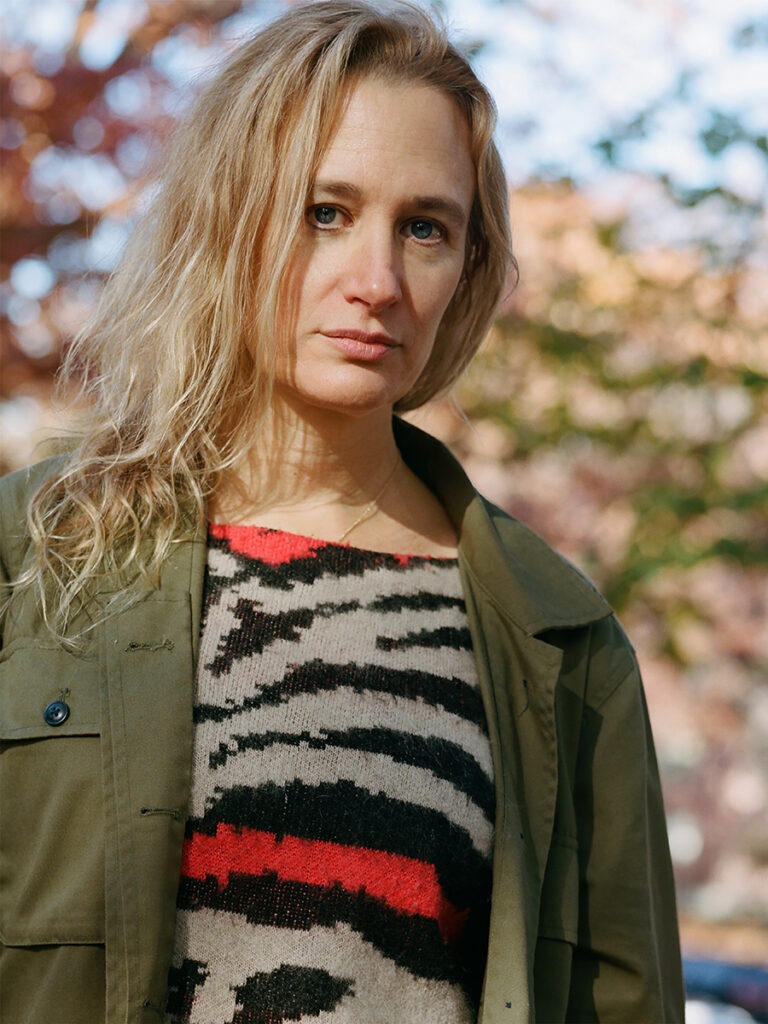
Margaret Brown is a filmmaker best known for directing and producing Be Here To Love Me: A Film About Townes Van Zandt; The Order of Myths, a 2008 Sundance Film Festival selection about the segregated Mardi Gras celebration of Mobile, Alabama; and the Emmy-nominated documentary The Great Invisible, about the BP oil spill and aftermath in the Gulf in 2010.
CREDITS
- Director: Margaret Brown
- Producer: Kyle Martin, Essie Chambers, Margaret Brown
- Executive Producer: Jeff Skoll, Diane Weyermann, Ahmir “Questlove” Thompson, Tariq
- “Black Thought” Trotter, Shawn Gee, Zarah Zohlman, Kate Hurwitz
- Co-Producer: Dr. Kern Jackson
- Co-Executive Producer: Chris Mattsson
- Co-Writer: Margaret Brown, Dr. Kern Jackson
- Original Score: Ray Angry, Rhiannon Giddens, Dirk Powell
- Editor: Michael Bloch, Geoffrey Richman
- Cinematography: Justin Zweifach, Zac Manuel
- Run time: 108 min



Loading…