
ABFF 2016: Blair Underwood Talks Olympic Pride, American PrejudicePosted by Wilson Morales
June 17, 2016
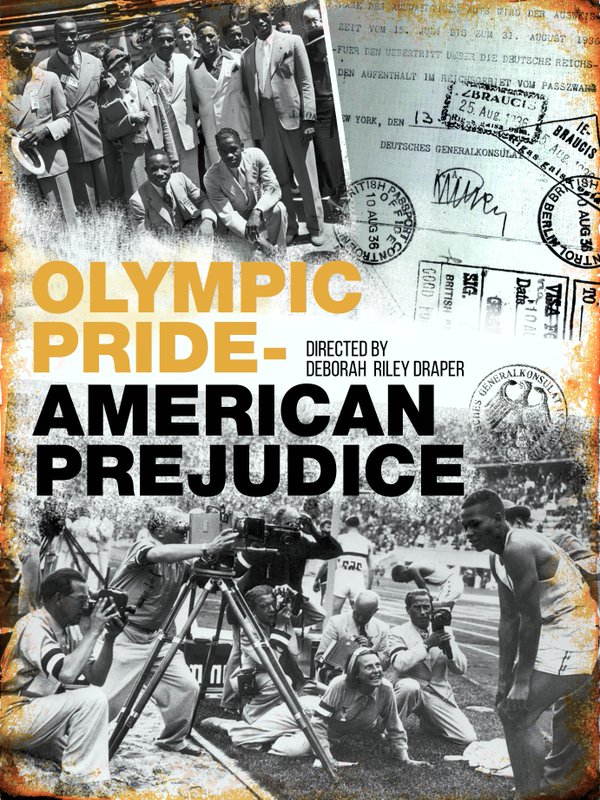
Currently playing at The American Black Film Festival (ABFF) is this astonishing documentary, Olympic Pride, American Prejudice.
The film recently had its world premiere at the Los Angeles Film Festival.
OLYMPIC PRIDE, AMERICAN PREJUDICE, directed by Atlanta filmmaker Deborah Riley Draper and narrated by Blair Underwood is a feature length documentary that explores the trials and triumphs of 18 African American Olympians in 1936.
The film opens on August 5 at Cinema Village in New York and in Los Angeles at the Laemmle Monica Film Center. The director will be in attendance for Q&As at select shows. The film enjoyed a sold-out world premiere as an official selection in the documentary category at the Los Angeles Film Festival and is also an official selection at the 2016 Traverse City Film Festival. The film will open in 10 additional cities in September.
Set against the strained and turbulent atmosphere of a racially divided America, which was torn between boycotting Hitler’s Olympics or participating in the Third Reich’s grandest affair, OLYMPIC PRIDE, AMERICAN PREJUDICE follows 16 men and two women before, during and after their heroic turn at the Summer Olympic Games in Berlin. They represented a country that considered them second class citizens and competed in a country that rolled out the red carpet in spite of an undercurrent of Aryan superiority and anti-Semitism. They carried the weight of a race on their shoulders and did the unexpected with grace and dignity.
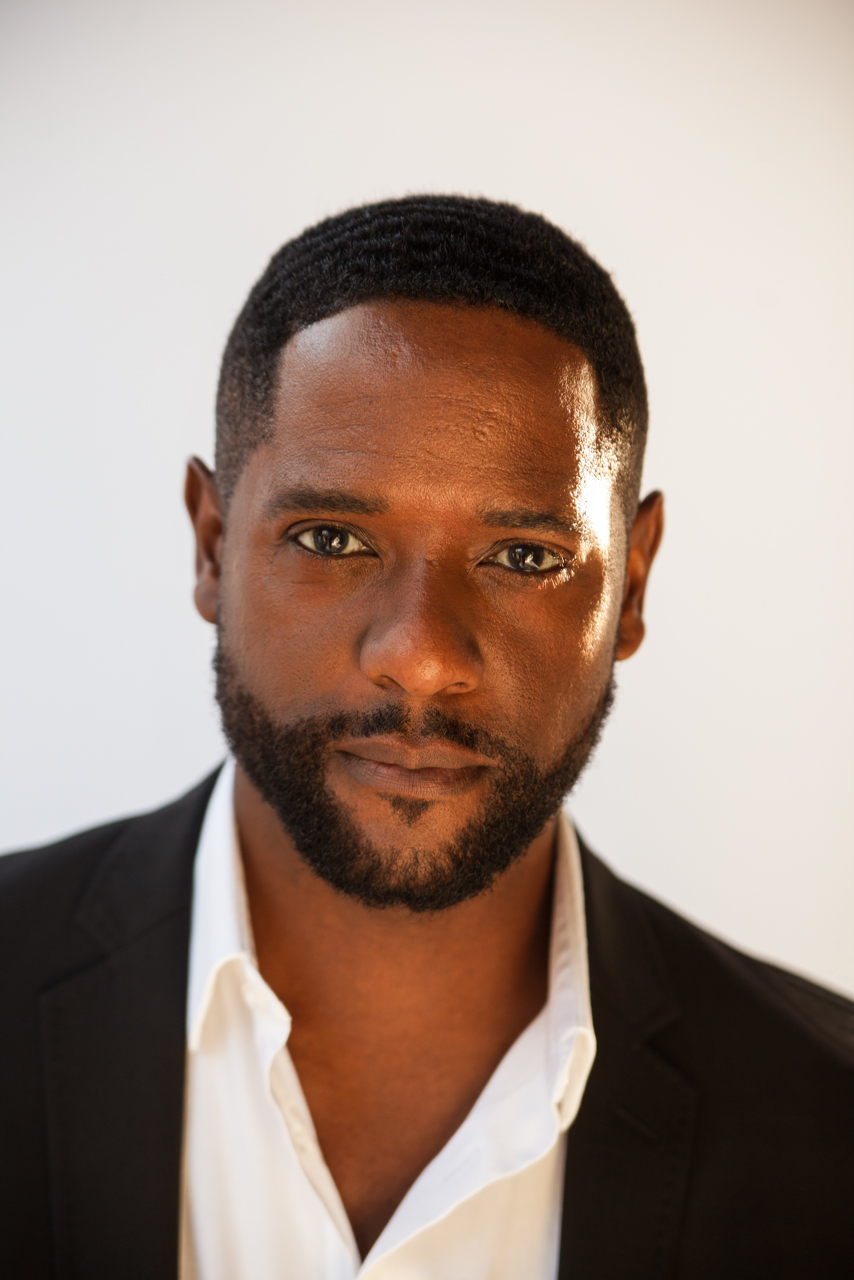
Blackfilm.com recently caught up with Blair Underwood as he talked about his involvement with the film.
How did you get involved?
Blair Underwood: I got involved about five or six months ago when I met the creator and visionary and director of the film Deborah Riley Draper. She was kind enough to ask me to narrate the film. I was really taken aback because I was completely unaware of the history of these other 17 African American Olympians that competed in the 1936 Olympics. I have heard of Jesse Owens as most of us have but I wasn’t aware of the others. I was completely fascinated by that history and what that journey must have been like to leave 1936 America and go to Nazi Germany in Berlin during Hitler’s regime. Just the setup and the context of that story and the storytelling was phenomenal and to learn about these individual lives, real people and character that endured and succeeded. I called Deborah and asked if I can be involved in any shape or format.
Were you helping with your name recognition or with the research?
BU: The film was done by the time I came on board. There was a rough cut and over time she’s tweaked it and made it even better.

17 people is a lot of people!
BU: Interesting enough, they were acknowledged right after the games, certainly in the African American circles, but as time marched on, they were subsequently forgotten. This integration of the Olympics was a precursor to Jackie Robinson in major league baseball. Coincidentally, Jackie’s brother Mack was on that Olympic team.

Why do you think history has forgotten these many people?
BU: I think that if you understand the whole concept of propaganda, you have to understand the concept of marketing. That’s what Hitler understood. That’s in the documentary. The games were used in propaganda to show the Nazis were supreme. In America it was easy to say that Jesse Owens refused to be beat by Hitler and his regime. It’s George Bush vs. Suddam Hussein. That’s marketing. That’s branding. That’s propaganda.
It means a lot to the families of these individuals that their story will now be told and you and other journalistso will help in promoting. With the 80th anniversary approaching, it’s important that their story is told. It resonateso with people in a lot of different ways.

Had you had the chance to meet members of the families?
BU: Yes. We had the chance to screen the film in Chicago and a member of Ralph Metcalfe’s family came to that screening.
What did you learn from that meeting?
BU: Well, besides the fact that they existed, it’s learning about their history and what they accomplished in the face of adversity. We have had a number of Black Americans winning medals, but what this group did, and who they did it in front of, at that time, is not to be forgotten.