
ABFF Founder Jeff Friday Reflects On Festival’s 20th AnniversaryPosted by Wilson Morales
June 18, 2016

This year marks the 20th Anniversary of the American Black Film Festival. Started by Jeff Friday, the festival has grown tremendously from having a few films to showcase, to also having seminars, speaking engagements, and several platforms for African Americans to network and find ways to get in and stay in the business.
Just like every other festival, there are some good years and some lean years, but the goals still stay and the determination to make it succeed is what keeps these festivals running. It takes sponsons, studios, campaigns, and of the course, the people to make it happen.
In speaking with Blackfilm.com, Friday reflects on the 20 years and what kept it going.
Celebrating it’s 20th anniversary, did you ever think it would go this far?

Jeff Friday: You were there in the beginning. If we were sitting in a room predicting whether we’d have a twentieth anniversary, I think we’d have both said ‘No.’ This has been like a miracle baby. We started this thing just to get Black people together. You’ve heard the story. I went to Sundance and I didn’t see a lot of diversity. Sundance is very diverse now, but we’re talking about 1997. It was more private party-ish back then. I just left there wondering, that was the year that “Love Jones” played, and I just left there wondering, is there a community of Black people who are making and want to make movies? The only way you find out the answer to a question like that is to provide a platform to cast the net and see who comes back with. That’s what we did in ’97 and we had 90 people there. 90. It was great, the spirit was great. I just realized that there was something to it, and I think the vision didn’t crystallize until the second year, or the third year. The year that Denzel Washington and Morgan Freeman showed up, there were 800 people there in excitement about the movies and the community was just something I had never seen before. The vision didn’t really crystallize until about 3 years in, and I realized that there was something to this.

How challenging is it, year after year, to keep producing the festival? It gets tough at times, and there must have been some lean years, but how do you keep it going?
Jeff Friday: Yeah, the lean years are really just driven by financial resources. If you knew what we produce this event on, it’s almost like an independent film versus a block buster. It’s hard to put an indie film in the theatre, next to a $100 million film because there’s more bells and whistles and ad campaigns seen around the big one. What’s been tough is just the fundraising. If we had an endowment, or if we knew that we would have a certain budget every year, this would not be tough at all. This is great. What’s better than getting Black people – and not all Black, but primarily Black, African-American people – getting people in a place like Miami Beach, to watch movies, to hear important people talk, to pass out business cards, to party. This is a great, great experience for people.
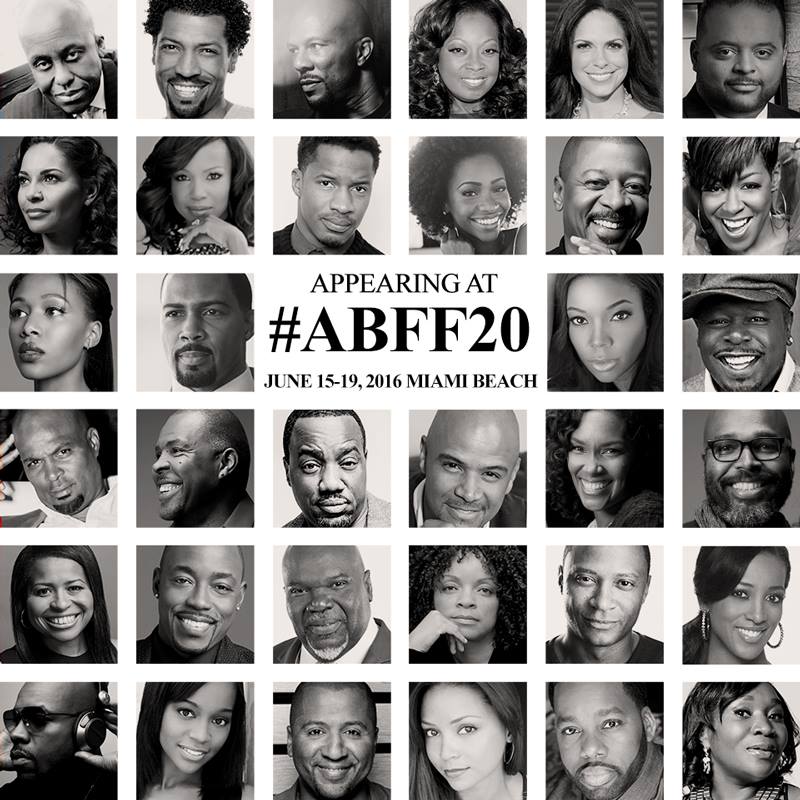
What I try to leave people with, is a sense of pride in what we’ve all done because even people who come, the person who buys a pass helps. You may not realize how much you help. The person who buys a pass helps as much as a sponsor does, and what we try to get people to realize is that this is the success of the Black community. What I realize more than anything is that this is about the success of the Black community. There are people who were 10 years old when we started, that are 30 years old now and that are bringing back movies. This is when you know you’re getting old, when you start to see generations of people coming back. We have people who were 8, and now on our stage managers.
That’s for me, the takeaway is, we have created something that our community can be very proud of. Ultimately I’m hoping that this will be an artistic institution. I’m not talking about movies now. Just like the Apollo Theatre. Will you say, “What are the Black institutional brands?” Soul train. Maybe, I’m hoping that one day we’ll be in that space where ABFF will have a reputation of being one of the true Black institutional brands. Film just happened to be the platform versus music or dance.
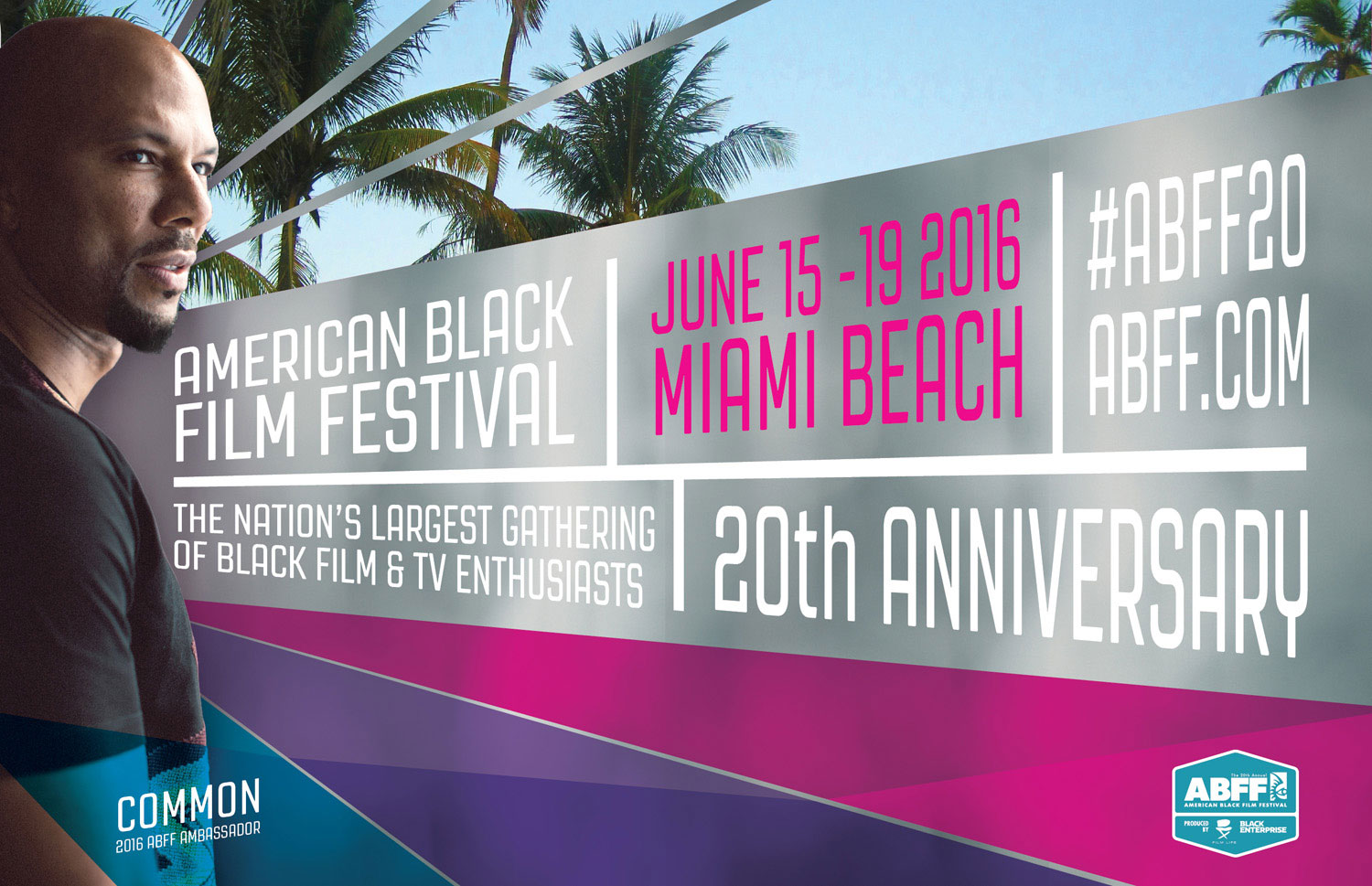
Unlike other festivals, one of the main attractions of the American Black Film Festival is the location. You’ve gone for Acapulco to Los Angeles to Miami to New York, and now back to Miami, and that’s also part of the lore what brings in filmgoers and festival goers. Can you talk about going and using the cities as a platform to bringing in these people in films?
Jeff Friday: Yes, the city’s a big attraction. We started in Acapulco. I think my original vision was to get people away from what they’re familiar with, because I remember going to camp when I was a kid. I would always kick and scream when my mother sent me. It was this 2 week camp somewhere in the Poconos, and I remember kicking and screaming about going to camp, but I had the best time. Then I never wanted to come back home. There’s something about taking people out of their environment and putting together and forcing them to interact. I think that most lifelong relationships have formed that way. The destination has always been a part of the mix. I think what makes Sundance work, although it’s cold and I wouldn’t take Black people to a cold place but what makes Sundance works, is the fact it’s in Park City, this remote place where you take over the town.
In that regard, we try to replicate the model, versus the Toronto model where you’re all over the city, where we would take people, make them come in one place, put them in 1 or 2 hotels, and force them to interact. People enjoy seeing people all day. “Hey, I’ll see you in 15 mins” versus running around a big city trying to do a film festival. We’ve always been very destination-conscious, and we’ve had the benefit of working with the Miami Convention Bureau. As you see, there’s a lot of love between us and the Bureau, and we consider ourselves partners. We do this together. We’re very big on partnering with people. That’s the other thing. We are very partner-centric. All of our sponsors, they don’t just write checks, they are involved in the collaborative process, as well as or Convention Bureau partner.
Twenty years later, what are you most proud of? Is it the talent, the films, the master classes? What stands out for you?

Jeff Friday: I’m most proud of the growth of the people who have come through here, and what they’ve done after they’ve left. This is the ultimate farm system for new talent, and I think the pipeline, when you see a person roll in here, knowing very little about this business, and either win the HBO short-film competition like Ryan Coogler did, or the Audience Award like Will Packer did, or the Star Project acting award like Emayatzy Corinaldi did, that to me is proof positive to why this is important; because not to give us so much credit because we’re not taking credit for their talent obviously, their parents made that happen. But if you think about a Sundance, and you say, “Where did Emayatzy fit into the mix? How does she have that same trajectory-” Yes, her film ultimately played at Sundance and that’s where she got a lot of credit but, we were before that.

Will Packer’s the best example. Will says, “Trois” did not get invited to Sundance, so what’s Will Packer’s trajectory if it had not been for this experience and what happened in future years. I’m just not sure it would have happened like that, because if you keep it real, “Trois” is not a real Sundance movie. It wasn’t. It wasn’t the best movie here. We gave him a chance, and he deserved a chance by proof of what he’s done since then. Even Ryan Coogler. He’s a very talented UFC grad, but having the opportunity to say, “I won the HBO short film award.” He won $40 000 that year. He left here with 40 grand. He’ll tell you what he did with it. He went back to writing, and quit his job.

When you see people, and there are people who you don’t know, who will call all the time and say, “Hey man, ABFF helped me.” All the time, I have thousands. Restarted campaign this year, you’ll see some more of it at the award show, called #MyABFFStory. That was my social idea I had because people were telling me their ABFF story, so we just started asking people to just go online, post it on Facebook, Instagram or whatever you want to do, and let’s all hashtag ABFFStory. Now we’ve got this digitally documented history about all the people that were here. Secondary, I would say the responses by the celebrity community. Almost everyone you can mention, except for a select few, and we’ll pray that they’ll support us at some point, has been here. You’ve been here every year, just about every person you can think of that’s significant in Hollywood, has blessed the stage as I say. This is everyone’s success.
You’ve been here, and then media. You’ve been here before Variety and LA Times, and CNN were talking about it. It’s been great to have them but the Black public agents and the Black blogs, you guys, Rolling Out, Black Enterprise and Uptown and Ebony have been supporting us for many years. It’s just been fantastic.