
Athena Film Festival 2014: Director Amma Asante talks BelleBy Wilson Morales
February 13, 2014
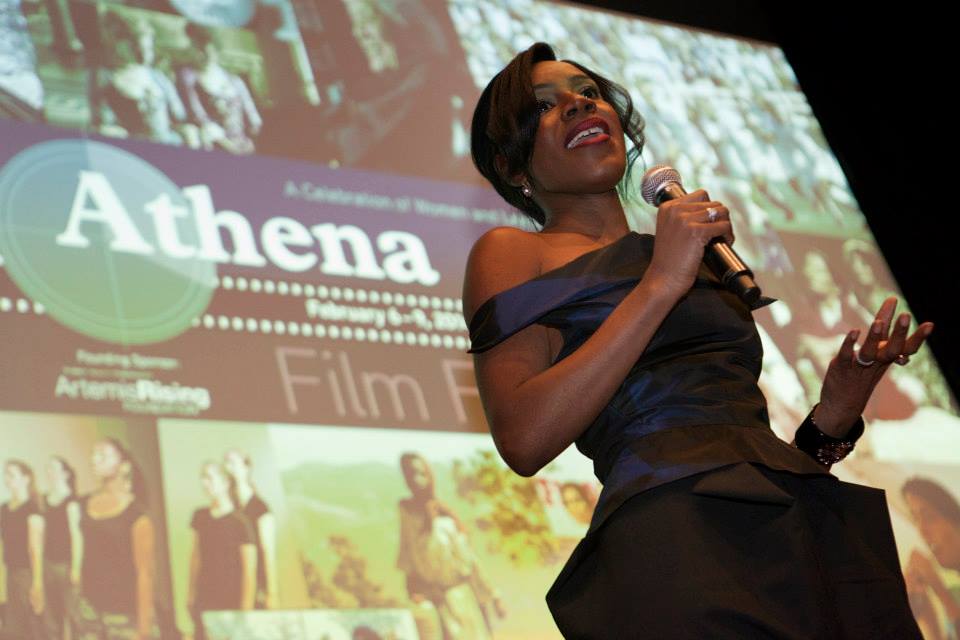
 Very recently, Blackfilm.com attended the 2014 Athena Film Festival, where the Opening Night film was the upcoming romantic period drama ‘Belle,’ directed by Amma Assante.
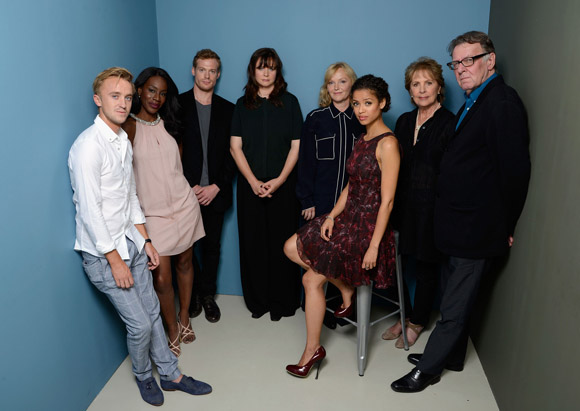
Slated for a May 2, 2014 release through Fox Searchlight, the film stars Gugu Mbatha-Raw, Miranda Richardson, Tom Wilkinson, Sarah Gadon, Tom Felton, and Matthew Goode.
It is inspired by the true story of Dido Elizabeth Belle (Mbatha-Raw), the illegitimate mixed race daughter of a Royal Navy Admiral.
Raised by her aristocratic great-uncle Lord Mansfield (Wilkinson) and his wife (Watson), Belle’s lineage affords her certain privileges, yet the color of her skin prevents her from fully participating in the traditions of her social standing.
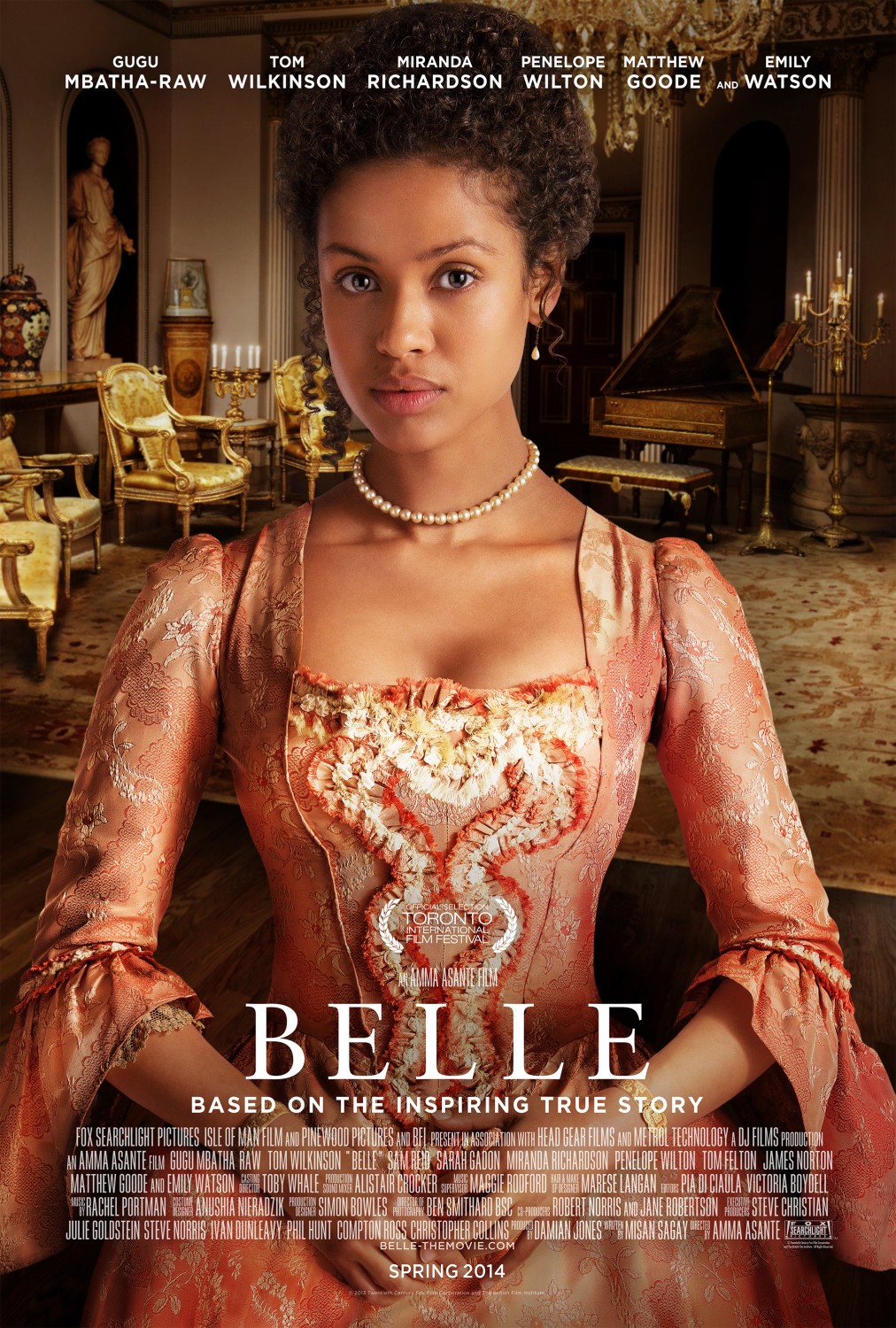 Left to wonder if she will ever find love, Belle falls for an idealistic young vicar’s son bent on change who, with her help, shapes Lord Mansfield’s role as Lord Chief Justice to end slavery in England.
For Asante, who started her film as an actor on the British show ‘Grange Hill,’ this marks her biggest accomplishment since making her directorial debut ten years ago with the indie film, ‘A Way of Life.’ That film led to her winning numerous awards such as the BAFTA for Special Achievement by a Writer/Director in a debut film and Best Newcomer at both the Evening Standard and London Film Critics Awards.
Following the screening and without giving away any spoilers, here are some highlighted topics that were discussed during the Q & A session, moderated by Festival Co-Founder Melissa Silverstein.
 Why did you choose Belle for the title instead of Dido?
Amma Asante: Belle was her mother’s name and she’s named after her mother. Despite the fact that we never see her mother, I wanted to honor her throughout the film. The true story is that Dido came to the family as Belle and was given the name Dido by the family but that’s another story. Belle also means beautiful and I wanted this woman of color to be on screen and for people to think of her as beautiful right away.
What was the biggest challenge in making a period piece like this?
AA: The biggest challenge us how long it takes everyone to get ready. It takes hour to get into the underwear and then the dresses and then to the set. I had a dream that at the beginning of the shoot, I was going to come to work in one of those dresses and direct. I saw those girls’ backs and said that’s not going to happen. So, I was there every day in my tracksuit. Another challenge was convincing financiers that a period drama could be told and that it could have a woman of color as the lead. To tell a gentle story about the exterior lines of the characters but also very much about their interior world and what drives them. It’s the story where Dido has to teach people how to love her. To convince people that this captivating story could be told and could be done with a black lead and could hopefully be compelling as any of those characters we’ve seen in an Austen adaptation was pretty tough.
 How did you decide how much humor to put in the film?
AA: I’m a great fan of Jane Austen and I came to her really late in life. The exam that you were doing in English literature when you were 16, I didn’t do until I was 27; and I did it in an adult class and the oldest student was 80 and I was the second youngest in the class. Having come to Jane Austen so late, I suddenly realized how incredible she was at shining a light on the women’s journey during that period. Call me slow, but I hadn’t realized it until then. One of the great ways she was able to do it was putting humor into those stories. It was really important that this story had humor as well as Dido’s challenges and strife and the interior conflicts that I was talking about with the characters. It was important that you stay in your seats and enjoy the process of hearing her story and learning about this woman.
With Steve McQueen’s 12 Years a Slave nominated this year for an Oscar for Best Picture, do you have any thoughts on how your film fits in this narrative that’s going on in our culture with movies about slavery?
 AA: It’s amazing period for us. When you look at the movies that were released in the last 12 months, there is an incredible tapestry of history that has been told on the screen in a wonderful way. I’m really delighted with the reception that ’12 Years a Slave’ is getting. It’s another period piece with a black lead. 12 Years a Slave deals with the experience of being a slave and Dido’s experience deals with the law at that time. It’s important to know that at that time America hadn’t been independent for long and a lot of the issues that had been debated in the UK, at that time, had an impact of what was going on in America. Although Americans had different laws, the laws that we had in the UK and when those were changed, that would filter to what would eventually happen in America.
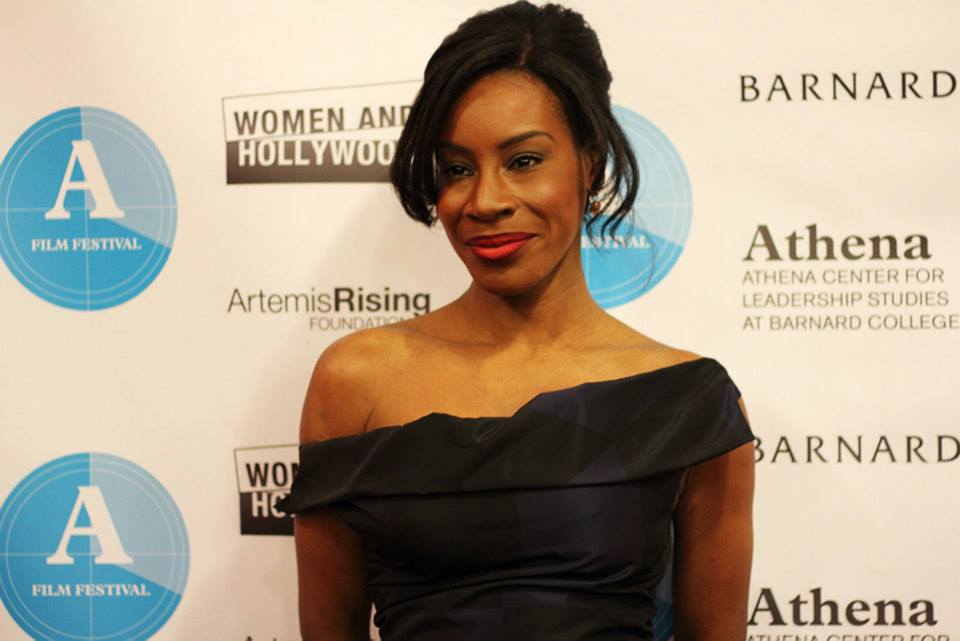
Following the panel discussion, Blackfilm.com also spoke with Ms. Asante on the casting of Gugu Mbata-Raw and her future projects.
 How did you come on board to direct this film?
AA: The BFI, who were one of the financiers on the film, were financiers on my first movie. It was a little British movie, costing about three million dollars, but did quite well in terms of critical acclaim. I won a BAFTA and other prizes around the world. The BFI were great supporters of mine. When the producers came to them about this postcard (showing a painting of Dido Elizabeth Belle) and wanted a story on the portrait, they were like, “Amma has this crazy thing about the 18th century and she’s dying to do a 18th century story with a black lead; so why don’t the two of you get together;” and for me, that’s how it happened. I started looking into the history, which was incredible, and it started from there. I always want to know what the micro-stories are for each of the characters as they are weaving their way through their world. I wanted to make this story about a woman is privileged but not equal.
 Can you talk about casting Gugu as your lead?
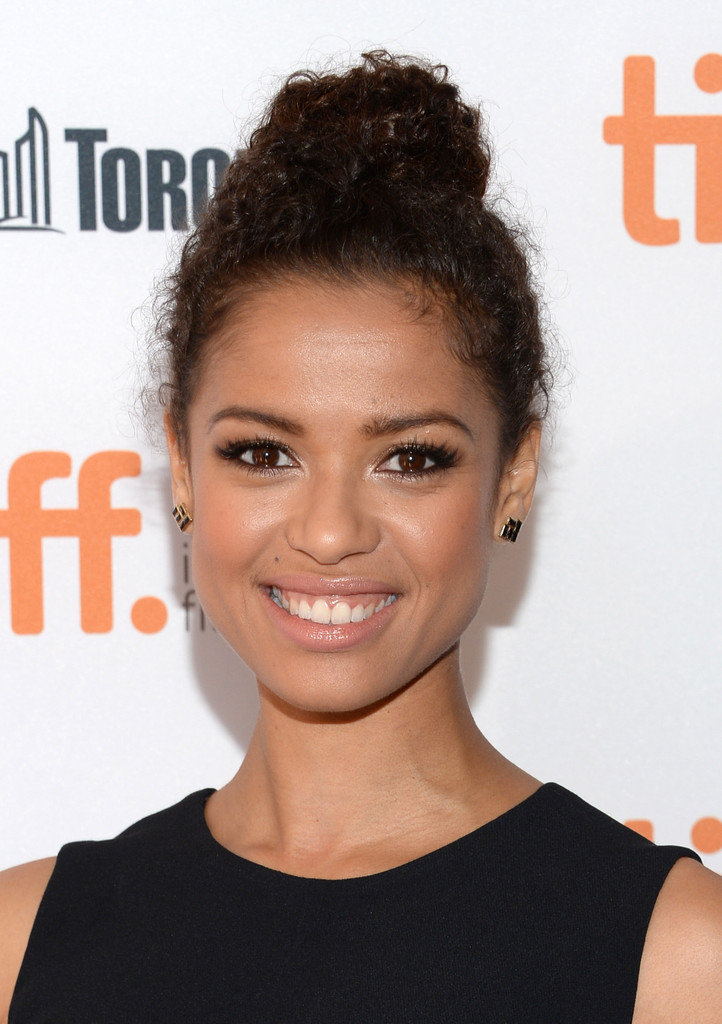
AA: For me, this particular movie is the first in a trilogy of movies that I would like to do where people of color fit into European history. I have another movie that will go into production in 2015 and I had met Gugu, before ‘Belle,’ for that movie. Gugu has an innate grace that’s perfect for the 18th century period. She also happens to know quite a bit about it as well. Both the producer and I were familiar with Gugu and her work in the States, and she’s a done a lot of work in theater in the UK. She’s a strong actress in the UK and it became quick to me that she was our Dido. She’s perfect in so many ways and understood the journey that Dido had to go on. It was a few meetings, lots of talking, some readings and screen testing and bang, she’s our Belle.
What are your thoughts on black females making strides as directors?
AA: It just benefits the film world when the variety behind the camera grows. When the lens through which stories are being told becomes more varied. It benefits audiences. It benefits financiers, the studio, and the film industry as a whole. To continue telling stories through a familiar lens becomes old after a while.
 Is your acting career over?
AA: Gone. Over 20 years. I can’t believe I still get referred to an actress, but if it means that more people will go see the film, I don’t mind.
Your next film, ‘Unforgettable,’ is through Warner Bros. When does that go into production?
AA: I’m hoping that we going into production later this year. It’s a great movie, a great script by Christina Hodson. It’s a thriller, which I haven’t done before. I’m really excited about that. It feels like a next step for me before I go make another indie.
Why is ‘Belle’ a film people should go see?
AA: People should go see ‘Belle’ because it’s a story about all of us and all of history, not just British history. It’s about courageous people and people who made choices against the weight and did so to make our lives a better place. It’s also a beautiful love story.
ShareTweet