EssenceFest 2018: Visiting Le Museé de f.p.c. With Ford MotorsPosted by Wilson Morales
July 10, 2018
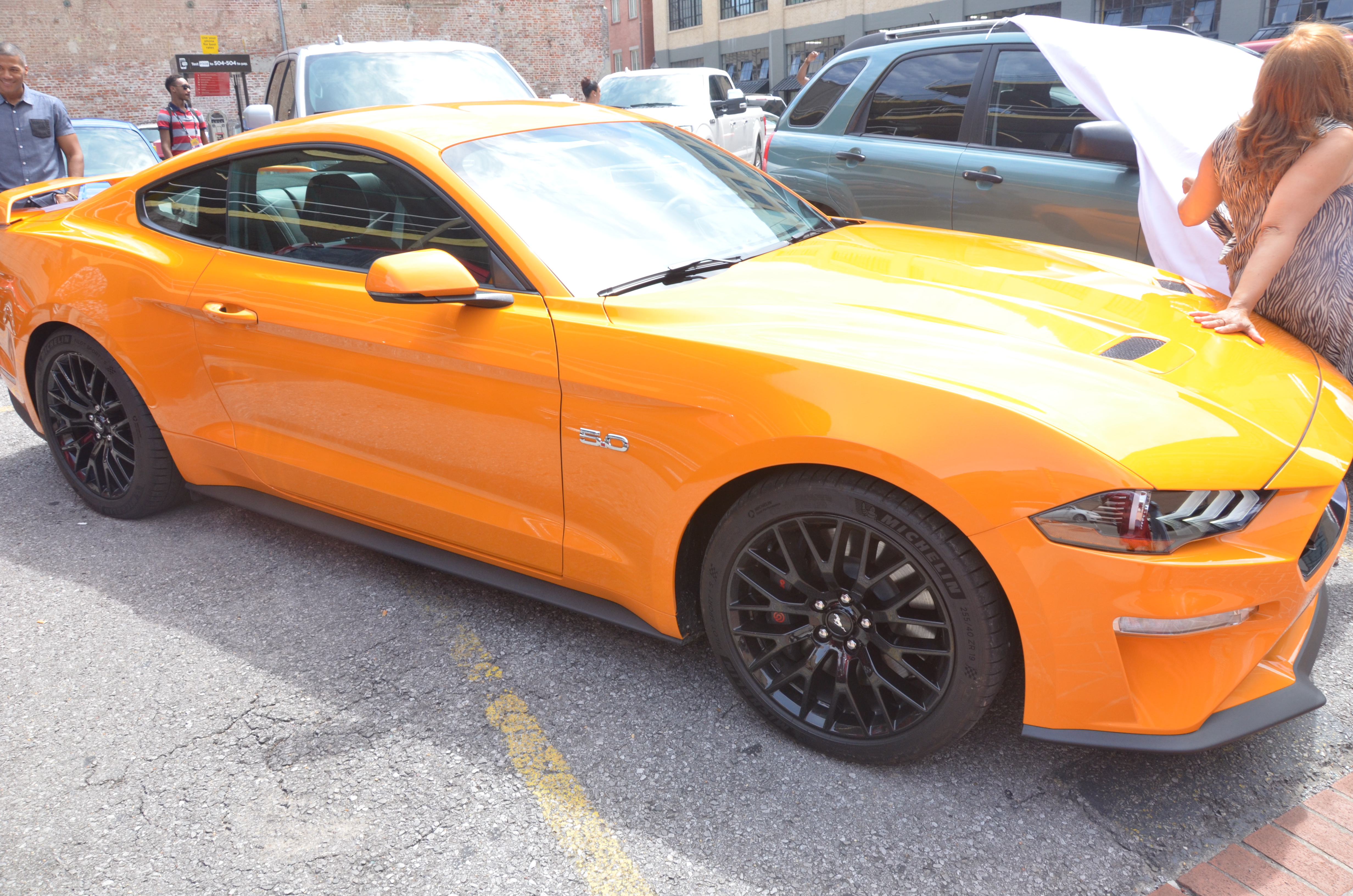
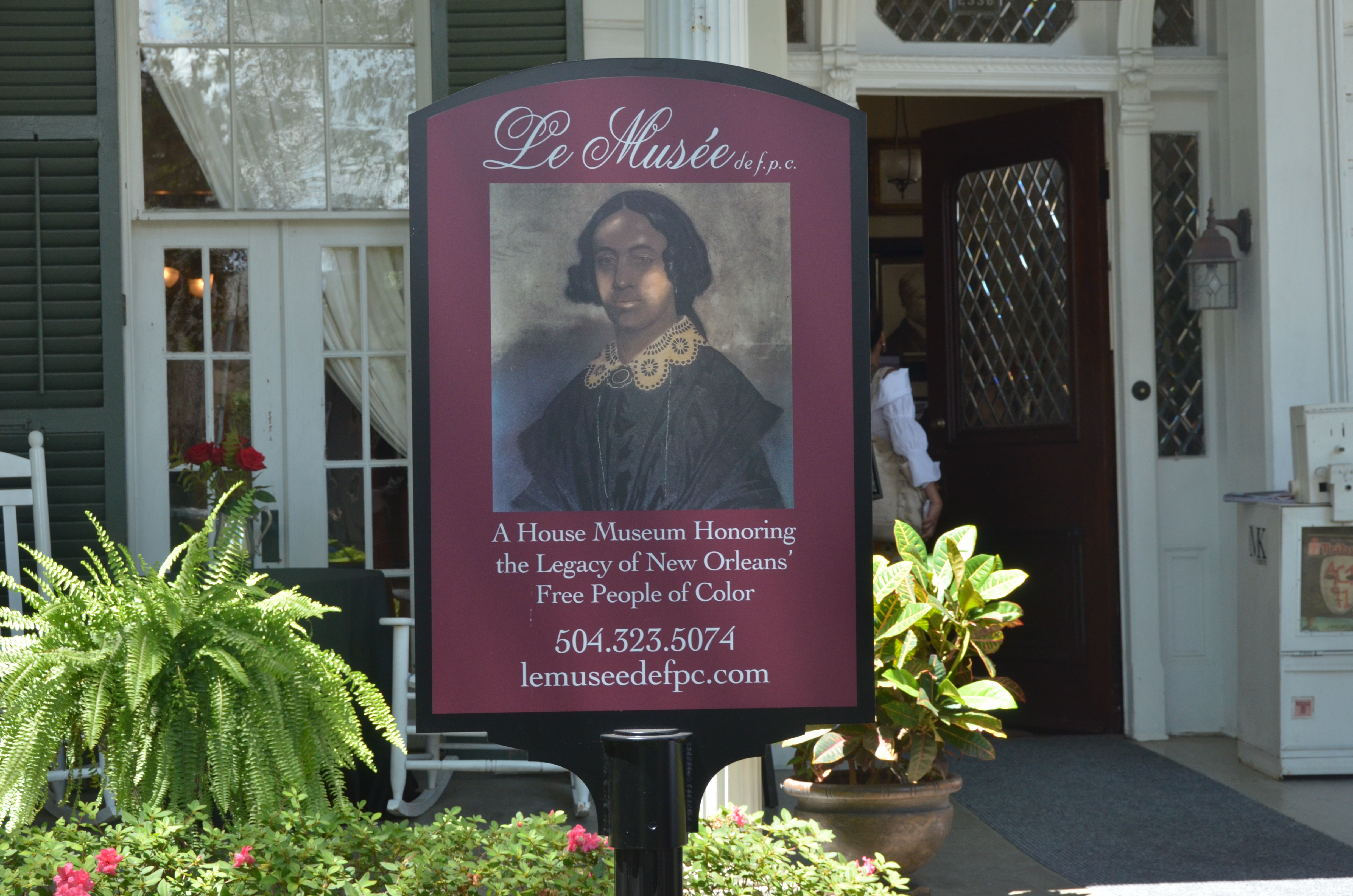
During my trip at EssenceFest 2018 in New Orleans, and thanks to Ford Motors, Blackfilm.com were among the journalists who were given a set of keys to drive one of the Ford Mustangs they had brought down to get us to our next location, Le Museé de f.p.c., a historic house that serves as a living museum dedicated to preserving the material culture of and telling the story of New Orleans’ free people of color.

It was at this location where Ford Motors held a luncheon for 10 Years Of Sisterhood, followed by cupcakes created by Melissa Woods & Michele Burton-Oatis from Cupcake Fairies.
According to Le Museé de f.p.c.’s website, the founders of this repository strive through their collection of documents, paintings and decorative arts to present, interpret and preserve the history and culture shared by so many free people of African descent in New Orleans and throughout the country.
 Free people of color, often abbreviated f.p.c., is the term used to refer to Blacks who were born free or manumitted prior to the Civil War. Also referred to as gens de couleur libres, their presence in New Orleans is recorded as early as 1722. Although there were enclaves of free people of color who numbered well over a quarter million residing throughout the United States during the antebellum period, New Orleans and south Louisiana were home to one of the oldest and largest populations of such. On the eve of the Civil War, in New Orleans alone, there resided 18,000 who owned and paid taxes on $15 million of property.
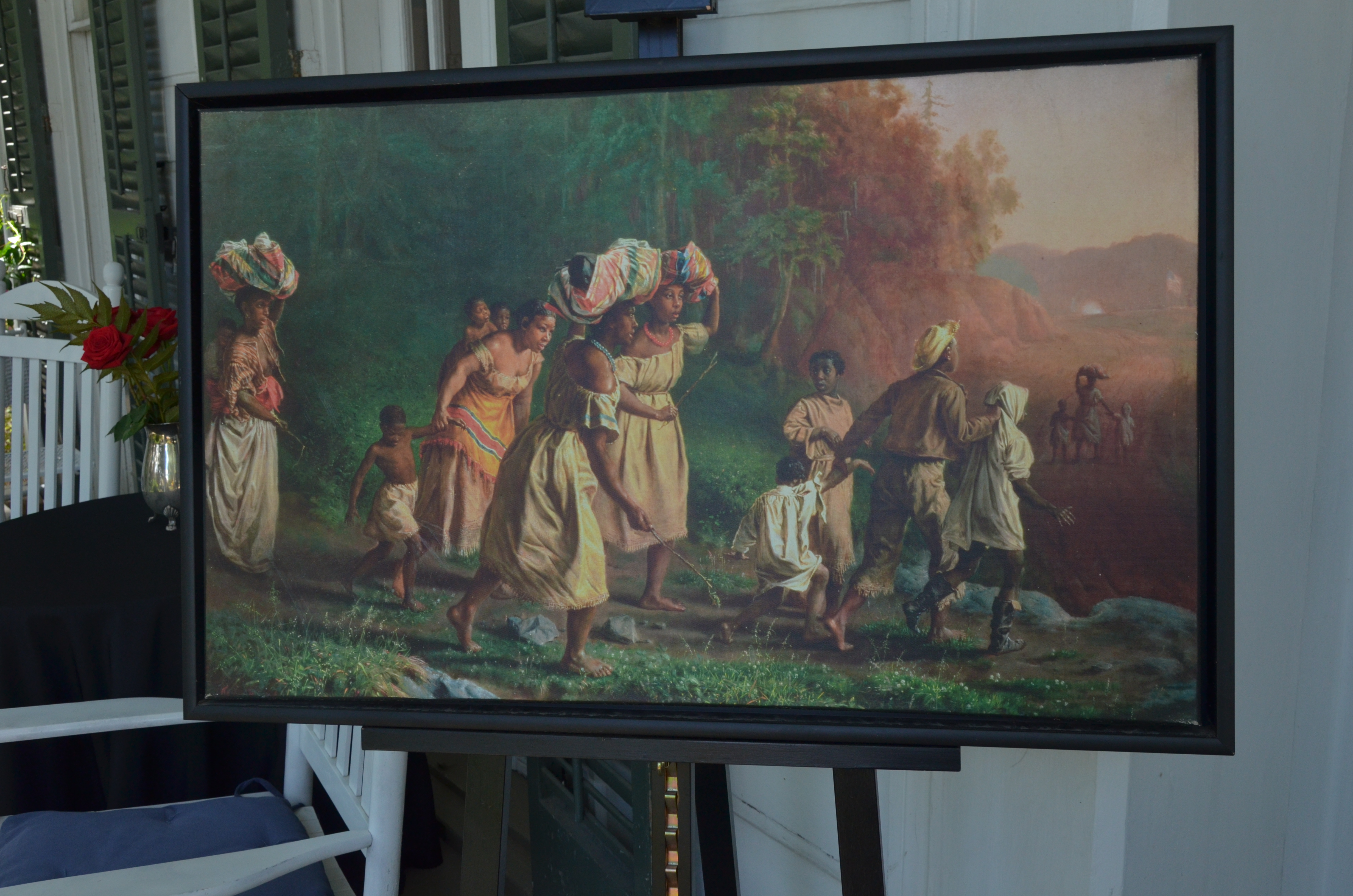
This remarkable community of resilient, resourceful and enterprising people produced artists, artisans, entrepreneurs, educators, physicians, journalists, and countless business owners and professionals prior to the Civil War. And in the midst of Reconstruction, the former free people of color led the entry of Blacks into politics. Perhaps most forgotten is the activists role they played in the Civil Rights Movement as early as 1862 and in the landmark Plessy v. Ferguson case of 1896.

New Orleans’ free people of color are responsible for some of our most historical moments and contributions. Scientist Norbert Rillieux revolutionized the refining of sugar but had to go to Paris to get it patented. In Tremé (a neighborhood in New Orleans), a group of Blacks and Whites established St. Augustine’s Catholic Church. This led to the second African-American group of nuns in the United States: The Sisters Of The Holy Family.