
Exclusive: 25 Years Later Producer Stephanie Allain Reflects On ‘Boyz n the Hood’Posted by Wilson Morales
July 12, 2016

Today is the 25th anniversary for the release date of John Singleton‘s historic film, ‘Boyz N The Hood,’ which was shown in theaters on July 12, 1991.
Fresh from University of Southern California’s Filmic Writing program, Singleton came on the scene with a film that starred a cast of unknowns and familiar faces (Cuba Gooding, Jr., Ice Cube, Morris Chestnut, Nia Long, Regina King, Laurence Fishburne, Angela Bassett, and Tyra Ferrell).
With a budget of $6.5 million dollars, the film was a commercial success, grossing $57 million domestically. It was nominated for both Best Director and Original Screenplay during the 1991 Academy Awards, making Singleton the youngest person at 24 ever nominated for Best Director and the first African–American to be nominated for the award.
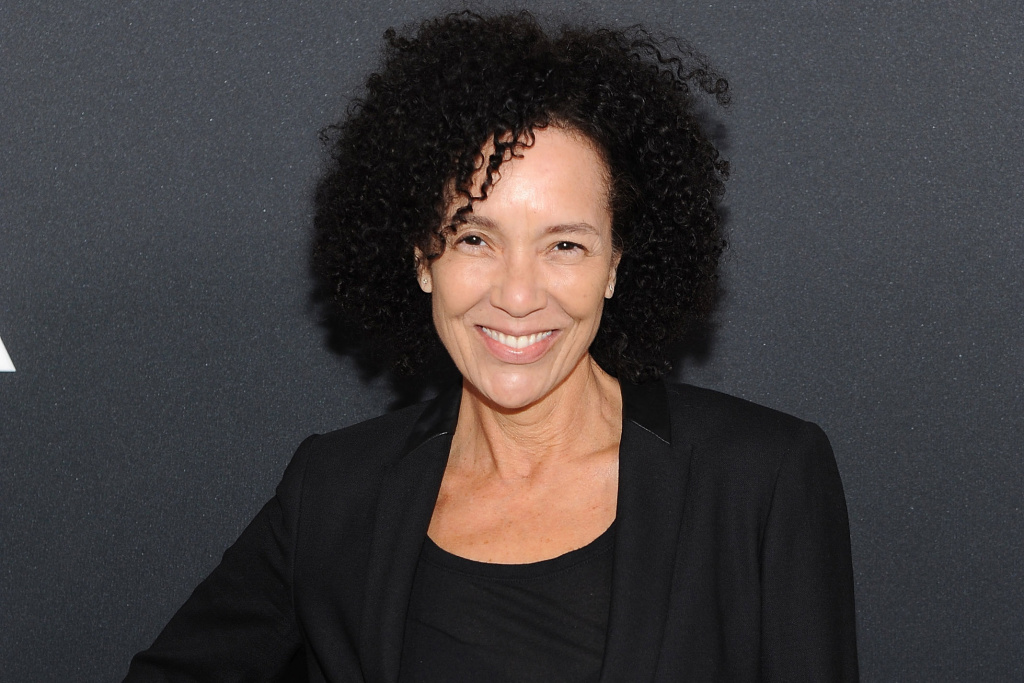
The film wouldn’t have been made if it weren’t for the hard and passionate effort from producer Stephanie Allain, who was a script reader at Columbia at the time and got the executives to green lit this amazing film.
For over 20 years, Allain, as a producer and who just finished her fifth year as director of the Los Angeles Film Festival, has been a champion for filmmakers getting their first studio deal such as Reggie Rock Bythewood (Biker Boyz), Craig Brewer (Hustle and Flow), Sanaa Hamri (Something New), Tina Chism (Peeples), and Justin Simien (Dear White People).
Blackfilm.com recently spoke with Allain-Bray as she reflects back on how it all started with Boyz n the Hood.
How did you meet John Singleton?
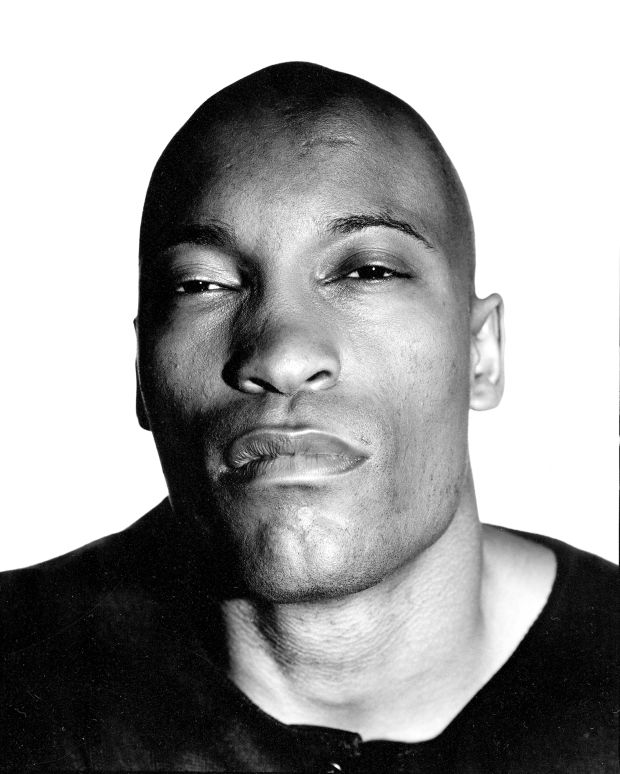
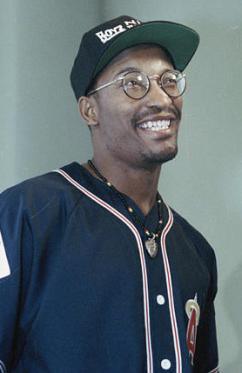
Stephanie Allain-Bray: I had just been promoted up in the story department, into the big house. I was now a creative executive and one of the things I wanted to do was replace myself in the story department with a person of color. I had asked around and heard about this kid John who would be great for the job. He came in my office, and this is when Columbia shared the Burbank spot with Warner Bros. That’s how long ago this was. Skinny, little bespectacled John came into my office and could care less about the job but talked about a script he’d written called Boyz n the Hood and how hot it was and he was going to direct it. He was going to be the West Coast response to Spike Lee’s East Coast. The conversation was long and lively and it was about Boyz. At the end, I said I would love to read it and he said, “Nah, I’m going to direct it. No one is reading it. I’m just going to make it happen.” He had an agent at the time and I called him and three weeks later, I got the script. I closed my door. I read it cover to cover and I was just destroyed with the voice, the authenticity, the humanity, and the heart tugging truth of it.
I went on a a campaign to get all of my colleagues to read it and talk to me personally. I had been all of their readers, all of the executives who were there. I was able to explain why it moved me and why I felt we had to make it. At the time, the company was moving to Culver City and this is when Dawn Steel was running the company, then Peter Guber and Jon Peters were running the company, followed by Frank Price. By the time, everyone had read it and we had our first weekend read in the new office building, Boyz n the Hood was on the menu. Basically, Frank Price said that we were going to make this movie and I said that John has to direct it, and they said, “Ok, let’s bring this little fella in.”
What was so great in looking back 25 years later, that experience taught me, informed me, and prepared me for the rest of my career. Working with a visionary writer-director who, from an authentic place, was bringing his story to the world, is the best place to be. The pushback that John gave, with me as a studio executive and him as the artist, is carving out his voice and making sure it wasn’t diluted or succumbing to stupid notes and fighting for his cast; and shooting it with a black crew. All the things that he insisted on have become tentpoles of what I have done ever since and I’m so grateful to him for that experience. It’s the most celebrated, most successful, and most impactful film I’ve ever worked on.
Were there any challenges to getting the film greenlit?
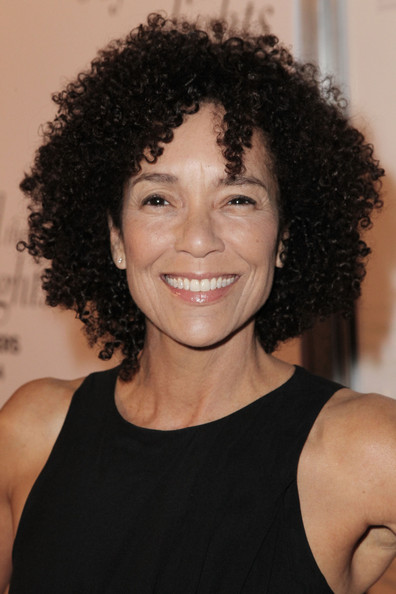
Stephanie Allain-Bray: What’s really interesting is that working with a beginner’s mind in terms of the process, I didn’t understand obstacles or anything like that. I was just passionate about the story and as a producer, this is how I continually get movies made. Once I understand the reason for this movie to exist in the world, I can communicate that. That process that I had to go through with John’s script Boyz n the Hood when there was no gender for that movie at a studio, I had to articulate passion. That’s what I learned. From the time I read it to the time we were in production wasn’t more than a couple of months. It literally happened that way. It was based on the strength of the script. That was the bottom line. That’s why I love working with first time directors. That beginner’s mind taps into the strength that you don’t even know it exists because you don’t know the rules yet. It didn’t take that long from the time I read it to the time John was calling action.
At that time, what films of color had Columbia produced before?
Stephanie Allain-Bray: Columbia had produced Guess Who’s Coming To Dinner, but 1991 was the year that New Jack City came out and right before that was Do The Right Thing. Spike (Lee) was basically scratching the surface and making noise by being an authentic voice on the East coast and that was inspiring to John and he wanted to answer that and boy did he.
Did you or the studio have an input on the casting or was it all John and the casting director?
Stephanie Allain-Bray: For me, this was the first project I identified that the studio was going to make. I was the executive supervisor on the project. I brought in someone that I loved and knew Steve Nicolaides and he was a family friend who had made Stand By Me and A Few Good Me and we knew we had to have a producer on it and he was it. I didn’t know anything. They made me a vice-president in order to supervise the movie. I had never made a movie. I was just in the business to protect John’s vision. That was my job. Whatever John wanted I would be the person between John and the studio. When we did the casting, most of the cast, who we know now (Ice Cube, Cuba Gooding Jr, Nia Long, and Morris Chestnut), were basically unknowns. It was a low budget and I would say “this is John wants” and they said ok. That’s basically how it went down.
Of the Black films that came out that year, this was the one that broke out and went on to get accolades including an Academy Award nomination. At that time, did you believe this film was good enough to reach that plateau?

Stephanie Allain-Bray: Yes. When you believe in something, and you believe in the reason why you are making it, it should get those nominations. That’s how I roll. It’s important. It’s great entertainment and it’s something that needs to be said. That’s what attracts the Academy. I don’t think anyone makes movies to attract the Academy. You don’t think like that. What you’re thinking of is “How do I live up to the script potential?” It’s all on the page so “How do we not fuck it up?” That’s what you are focusing on, making the best version of the story that you’re inspired to tell. The first time we screened it, we knew because we were all crying. It starts on the page. The first time we showed it at Cannes, everyone else was crying and standing up for 20 minutes. We knew we had something and when it opened and it made twice as much than it cost in the first weekend, and we knew that it would be commercially successful. By the time the Oscar nominations came around, it was a surprise. Mark Gill, then the senior vice president for publicity and promotion at Columbia; and Sid Ganis, then the president for marketing and distribution, had been working the film as you would when you suspect that it’s hitting a cord.
No person of color since Singleton has received an Oscar nomination for Best Original Screenpay. Does it take someone in your position back then to get an original story greenlit?
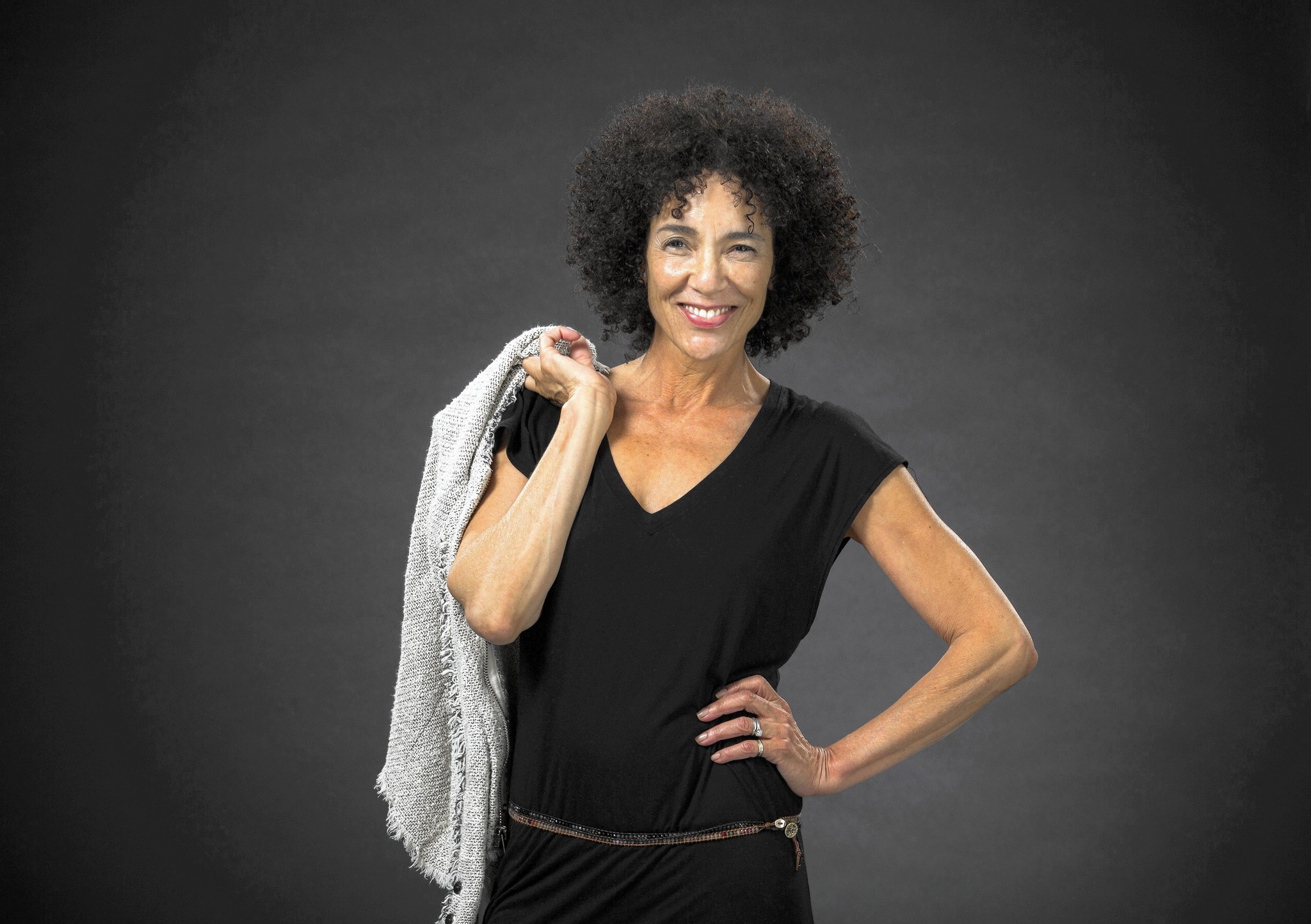
Stephanie Allain- Bray: Ever since Boyz I have been motivated to continue to provide a bridge between artist and studios to get these stories out and then segwayed into independent films with Hustle and Flow and Dear White People as the studios have not supported emerging filmmakers of color and women. We’ve had to go outside the system to do it and now we have the advantages of the streaming services like Netflix and Hulu and other arenas to get the stories told. Boyz n the Hood was the first and I’m so blessed. I’ve made so many movies with talented filmmakers of color and women multiple times that it gives me hope and Will Packer is out there doing it and Debra Martin Chase is out there doing it. It’s getting done. It’s going to take a lot more of us making quality films to erase the stereotypes that Hollywood has stapled for the last 100 years but moving forward we can all participate in the revolution of changing peoples’ minds of who we are.
What are you working on now?
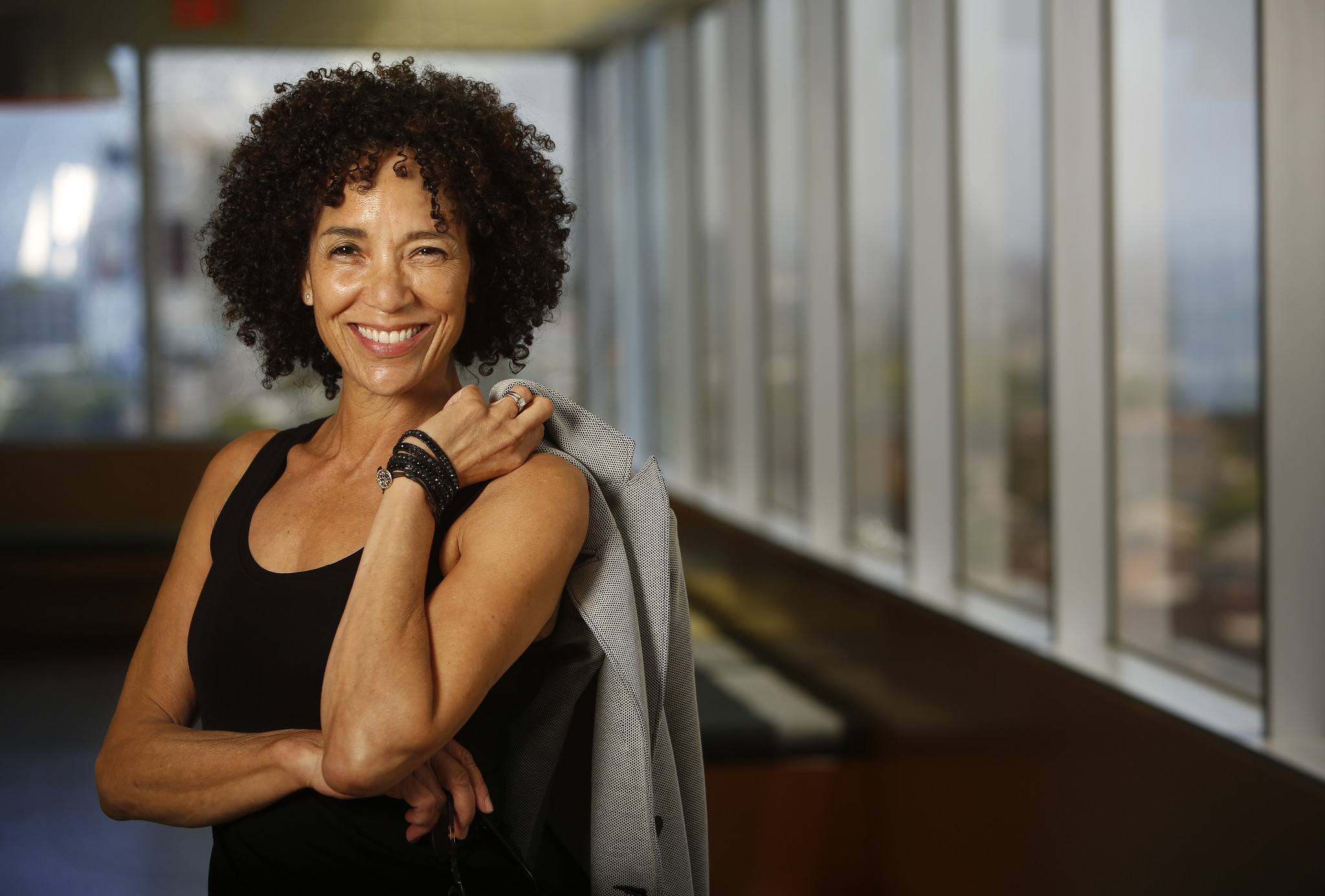
Stephanie Allain-Bray: I’m doing a TV show on Dear White People for Netflix. My sons just made a movie (French Dirty) which was sold to Netflix and will next appear in American Fringe Festival in Paris. I have the Gerard McMurray movie (Burning Sands) which just finished and is in post-production now. That’s also for Netflix. I have a TV show (Crushed) with Tina Chisolm for Hulu and so it just keeps on going.