
Tribeca Exclusive 2015: Director Nelson George Talks Working With Misty Copeland on A Ballerina’s Taleby Wilson Morales
April 20, 2015

Recently played at the 2015 Tribeca Film Festival was ‘A Ballerina’s Tale,’ which is director Nelson George’s much-anticipated, behind-the-curtain documentary about the daily routine of Misty Copeland, the first African-American female soloist at New York’s American Ballet Theatre in two decades.
Copeland began training in ballet at age 13 while living in a welfare motel with her mother and siblings, learning so quickly she was dancing en pointe within months. She went from lessons at the local Boys & Girls Club to living part-time with a sponsor family while attending dance school. She’s the first African-American ballerina to dance lead in ABT’s Swan Lake. Copeland has also performed with Prince at Madison Square Garden, serves on President Obama’s fitness council, and appeared as a guest judge this season on Fox’s So You Think You Can Dance. The doc chronicles her comeback after a potentially career ending injury.

As an author, journalist and filmmaker, George has worked on numerous projects for over 20 years, including co-writing both the Halle Berry film Strictly Business and Chris Rock’s CB4, directing Life Support, which starred Queen Latifah, and serving as an Associate Producer to last year’s Top Five, which also starred Chris Rock.
Blackfilm.com spoke exclusively with George as he talked about putting this project together and knowing Misty Copeland.
How much did you know about ballet before taking on this project?
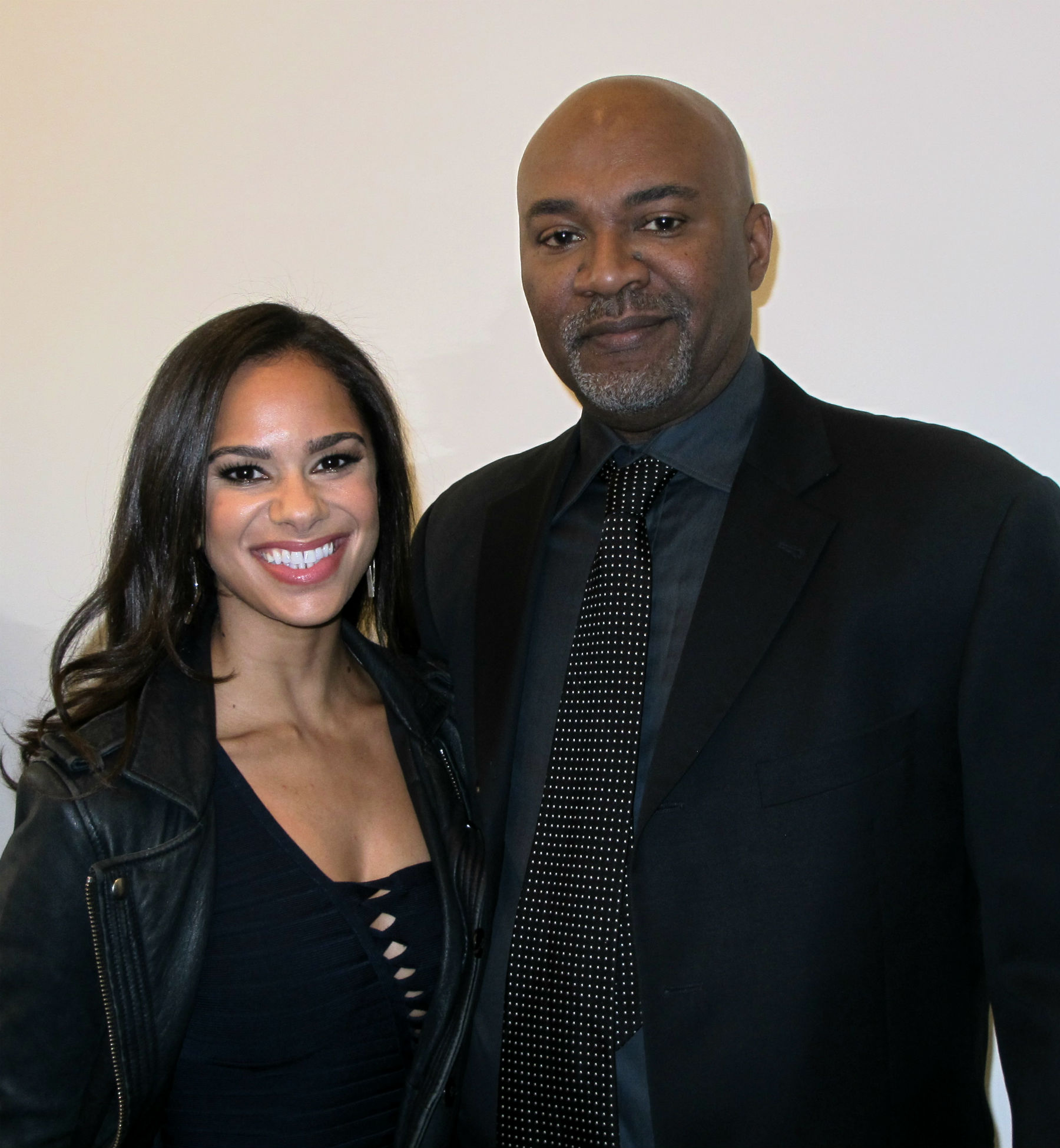
Nelson George: Zero. I knew the names of a few famous ones, but nothing else about it. I was at cocktail party in 2012 that was hosted by Bevy Smith and Misty was there. I knew she had danced with Prince a few years before and I had sat down next to her. We hit it off and told her that I had never been to ballet and it turns out she was about to do the biggest dance of her career. She was doing the Firebird at the Met. Through her manager Gilda Squires, I got a ticket. Misty’s picture was in front of the Met, which is unprecedented and a big deal. It was an amazing experience to go. After the performance, I went back for a meet and greet and she said to me that she was in a great deal of pain. That was actually the last performance she would do before having major surgery for a series of small cracks in her left shin. The storyteller in me was like, “Dam! This is a story.” After the surgery, which happened in the fall of 2012, I asked if I could watch and follow her recovery and document the journey. The film comes out of that experience. There’s a biographical setup to explain who she is and the world she lives in and the issues around her career.

The bulk of the film takes place between January 2013 and the fall of 2014 as she struggled to rebuild her career. From a storytelling point of view, here’s someone beautiful, young and at the height of their career who suffers this catastrophic injury and has to build themselves back up to the point where they are now. That was it. I learned a lot about ballet and a lot more than I ever thought I would. This is a great given story with a great character and with high stakes.
Compared to the other projects you have done, how challenging was shooting this film when you’re learning about the person and her craft at the same time?
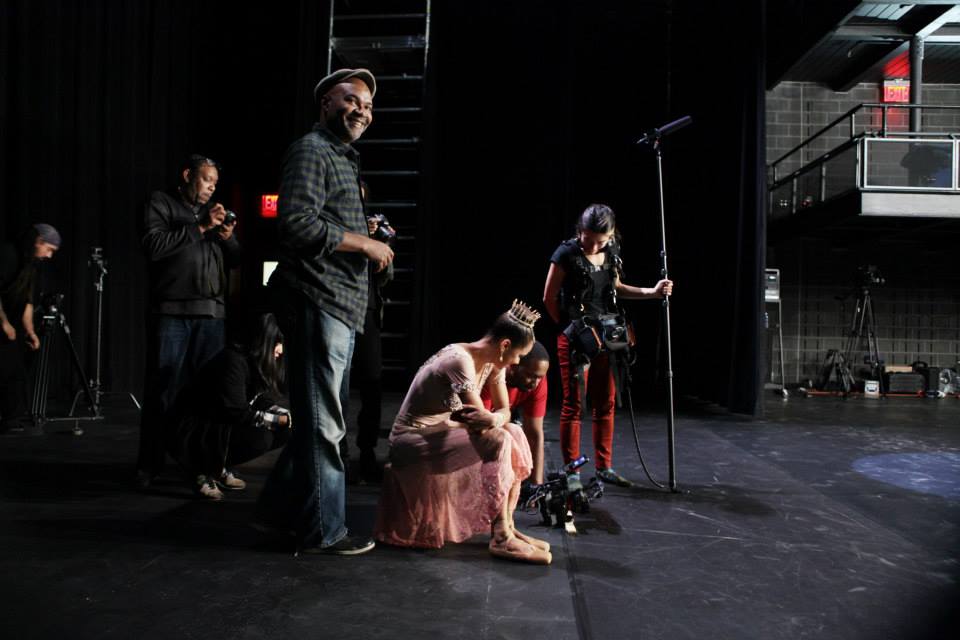
NG: It started with me. When I first did this, it was just me shooting. There’s footage in the film that I did on my own. I had a little Canon, and even the sound is off the camera. It was a small project and building a trust. I was there during rehearsals and traveling with her around the world, and etc. We hired a crew that shot stuff of her in Italy, Australia, and it’s a global thing. So it was different crews, with my crew here in the states. The biggest thing we did was a Kickstarter campaign to raise money to do a multi-camera shoot with about six to seven cameras.
 We shot her doing two solos in Brooklyn. There were a lot of different techniques in the film. Most of the documentaries I have done have been interviews, B-rolls, and talking heads. There’s some of that in here but primarily this film is driven by vérité aesthetics. A lot of it is us watching her go through this. That was very interesting. It was actually very fun. She didn’t get back on the stage again until the spring of 2013 after her surgery and she did a very small performance in Brooklyn. It wasn’t well advertised and she did a three minute piece just to get her legs back. It was amazing to shoot that. I was with her during the day. I’m in the wings before she goes on and I talked to her after she comes off. Being in the moment with her was one of the most fun stuff I ever shot.
How open was Misty to having you capture everything on camera?
NG: She’s a performer. She’s remarkably comfortable, especially when she’s in a zone rehearsing. She’s a super intense performer. There were certain things we couldn’t clear the rights to. The ballet world is one where there isn’t a lot of access like the pop music world or the movie set world. It’s very hard to get access. You couldn’t shoot at the Met. You can’t shoot very much at the ABT studios. The world we live in now gives the media all access all the time and the world of ballet doesn’t work that way at all. There were challenges in that respect.
What was the goal of the film, to showcase Misty to a new audience who don’t follow the ballet world?
 NG: For me, the goal was to tell a story. ’60 Minutes’ is about to do a piece on her and she’s currently on the cover of Time magazine. Her visibility will happen whether I’m involved or not. The issue for me was to tell a great story and I thought this woman is an important figure in a world that’s all white. Her role is a rainmaker and a rulebreaker is very important but it wouldn’t had been a film had she not been injured and had a natural story arc. I don’t think it would have been an impactful story.
Where do you go from here as a filmmaker?
NG: I already have the film that I will do next shot. I just have to edit it. It’s a project that I’ve been shooting since 2011. The working title is “Migrations” but I think that will change. It’s a look at African art thieves who go around the world stealing African artifacts from European museums. That has a plot but it’s also the shifting of identity and how black people around the globe deal with who they are. It’s a mixed of fictional element and I shot in Berlin, Paris, London, New York and LA. It’s a very unique piece and I’m hoping to have it finished this year and into the festival circuit by next year.

Will A Ballerina’s Tale hit the theaters?
NG: That’s what I’m hoping for. Tickets for opening night, which holds 900 seats, sold out in two days. That says to me that there’s an audience out there that wants to see a movie on Misty. The thing about the ballet world is that tickets to go to the Met to see a performance cost over $100. In our film, you will see Misty do Swan Lake that no one has on camera. If you are a true dance fan, this is a big treat.
She’s a star. I’m optimistic that it will get a theatrical release for her and we’ll keep on pushing.