
Exclusive: Tyler Perry talks A Madea Christmas, David Fincher’s Girl Gone, and Year in Black CinemaPosted by Wilson Morales
December 11, 2013

Coming out this week is another hilarious film from writer-director-producer Tyler Perry, ‘Tyler Perry’s A Madea Christmas,’ starring Perry, Kathy Najimy, Chad Michael Murray, Anna Maria Horsford, Tika Sumpter, Eric Lively, JR Lemon, Alicia Witt, Lisa Whelchel, and Larry the Cable Guy.
Madea gets coaxed into helping a friend pay her daughter a surprise visit in the country for Christmas, but the biggest surprise is what they’ll find when they arrive. As the small, rural town prepares for its annual Christmas Carnival, new secrets are revealed and old relationships are tested while Madea dishes her own brand of Christmas Spirit to all.
This marks the eighth time Perry has played Madea on the big screen. His last Madea film, 2012’s ‘Madea’s Witness Protection,’ brought in over $65M, making it his second highest grossing film behind 2009’s ‘Madea Goes to Jail,’ which tallied a little over $90M.

Besides what he does in the film world, Perry is also enjoying success on TV with his ‘The Haves and Have Nots‘ and ‘For Better or Worse‘ sitcoms bringing in record ratings for Oprah Winfrey‘s OWN Network.
Blackfilm.com recently spoke with Perry exclusively on ‘A Madea Christmas,’ his upcoming film with director David Fincher, and the success of his TV shows, and his thoughts on Black cinema in 2013.
This was different from the stage play. What was the process in writing a different story?
Tyler Perry: Often times, they’re different from the stage play because the characters have the opportunity to go to different worlds. The stage play was about a maid who works for a rich family and Madea shows up. I had just written “The Haves and Have Nots” about a maid and a rich family so I decided to go in a different direction.
Well, the cast is mixed, which you did recently in “Witness Protection” as well as in “The Family That Preys.” Can you talk about bringing in Anna Maria Horseford and Larry the Cable Guy?
 TP: I just wanted a different cast and when Kathy Najimy and Larry the Cable Guy said yes to it that was all I needed and they are so hysterical, man. Having Anna Maria is just a great mix of the old and the new, the diversity, it’s all really wonderful, so I’m super excited about it.
Having a holiday film is almost easy for Madea, because when she’s in the red and white costume, it already makes people crack up. How easy was it to do this particular film?
TP: Once the story came to me it’s really simple; it’s all about diving in and doing it. Since I’ve been doing a lot more television than film I had the opportunity to do it. I’ve been wanting to do it for awhile but the timing was never right. Everything lined up for the time to be right.

If there’s one scene you could take away as being the most fun to shoot in this movie what was it?
TP: Anything with Larry the Cable Guy, because Madea and Larry the Cable Guy together… we were out there freezing that night and some of the things he was saying every time he came out that door and Eileen was sitting on that stump there was a whole new joke that came out and it was so hard for me to keep a straight face.
It’s interesting that this is such a big year for black cinema, and this particular story focuses not just on comedy but on race and how people can look beyond color. Because of this particular year have you thought about it more?

TP: I have not because I’m fascinated, excited and celebrating how many movies have been released this year; but this isn’t anything new. It’s just a bit of history repeating. Hollywood always has a wave, and in these waves comes films about people of color. It’s just a wave that happens and once it crests, it goes away. Back in the ’90s there were lots of movies about African American people, then I come along for many years and it’s only me out there. The thing that caused this dam to break was the success I had for awhile but the thing that changed it was the success of “Django Unchained” and “Think Like a Man.” When those movies did that well everything black got greenlit in Hollywood, that’s what happened and here comes the wave. As long as they’re doing well they’ll be there, but as soon as they fall off we’ll go through another lull and then maybe up again.

It’s not just the money. Money causes producers to greenlight films, but the quality of previous waves and the movies that came out this year are different. From the ’90s to the 2000’s we’ve had a period of films.
TP: Yeah, but you can say the quality is different but what you also have to take into consideration is it was a different time and a different way of filmmaking from twenty years ago. You could not have made “12 Years a Slave” twenty years ago; it would have been “Roots” and it would not have been as raw and as amazing as the film was. “The Best Man” fifteen years ago is not what “The Best Man Holiday” is today. There’s a different style to it.
You’ve had a lot of success this year as “The Haves and Have Nots” is doing pretty well. Since you’ve moved over to OWN, it’s reached it’s own audience and people are talking about it. As the numbers grow, that tells you people are starting to see it. Having Tika in this movie gives her an increased awareness. What can you say about the success of “The Haves and Have Nots” and “For Better or Worse”?
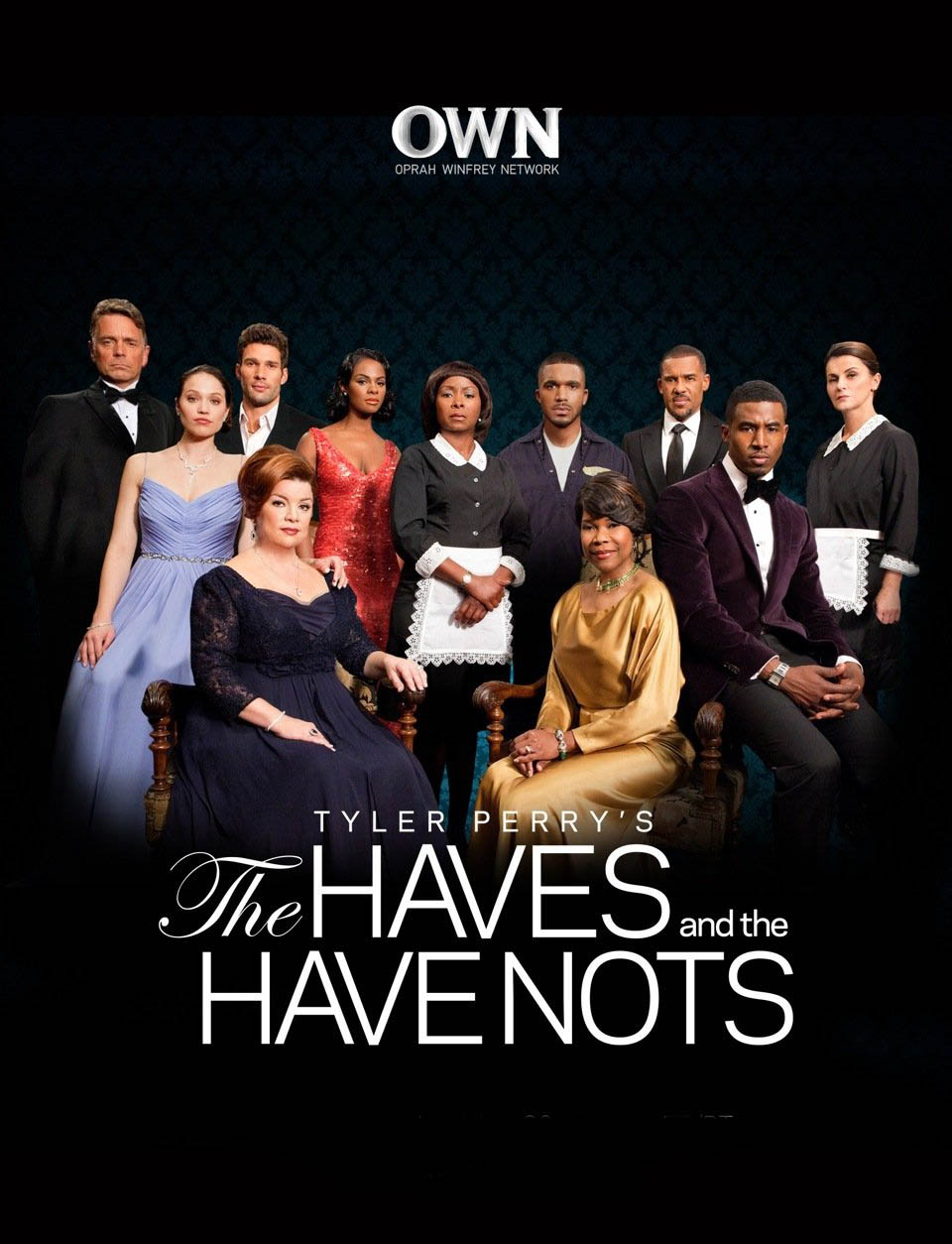 TP: Here’s the thing about both of those shows: I love how people immediately start to come out in the initial attack on the shows. It was the same way for “House of Payne.” There were horrible attacks on the show at the beginning then “House of Payne” goes on to set records with 259 episodes, unheard of. There are only three or four shows that have done that in the history of the sitcom. Then I look at “The Haves and Have Nots” and all the outcry in the beginning, “How dare you put this on the air, Oprah?” From 1.8 million people to almost a million people more joining it by the finale. What I wish I could get people to understand is just because you don’t like steak and you don’t like turkey doesn’t mean there isn’t room for fish or chicken. It’s a menu, and the great thing about living in a society like America is we all like different things. It’s not a communist society where you say, “You don’t matter, what you say doesn’t matter,” when there’s millions of people who love what I do. The success of “For Better or Worse” and “Love Thy Neighbor” and “The Have and Have Nots” and “House of Payne” and all these films have been about the people.
You’ve got “The Single Moms Club” coming out next year. When are we going to see a trailer?
 TP: I have no idea. I’ve seen it, though. I think we’re going to premiere it on this movie starting Friday but it’s a great ride too.
How many Madea film can you do? Is there another play that’s going to be adapted or are you going to create something new?
TP: To tell you the truth, I didn’t expect to the Christmas one so it’s always interesting to see what comes up. We’ll see…
Is there going to be a follow-up to “Alex Cross”?
TP: I don’t think so because I don’t think “Alex Cross” reached the success the studio wanted it to reach. I don’t think there’s going to be a follow-up with me in it, but there might be a follow-up with somebody else, though.
You’re working with David Fincher on “Gone Girl.” People who have read the book say it’s excellent. What role are you playing in the film?
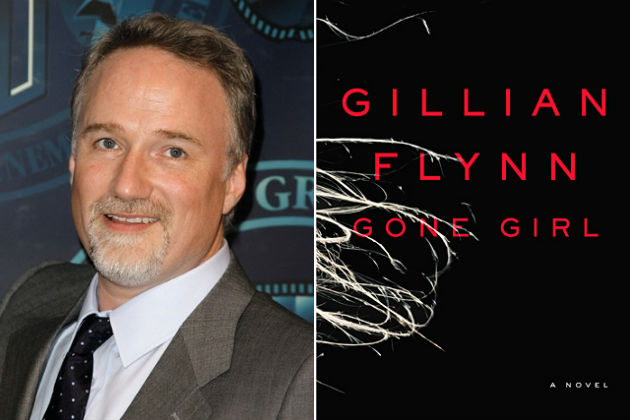 TP: I play the attorney Tanner Bolt in the movie. The character’s a bit different from what you see in the book. I’m excited about working with him because he’s such a brilliant director and his eye, man, what he sees is beyond brilliant.
What is it you’re looking for when you’re working with a David Fincher or a J.J. Abrams that makes you want to say yes to their projects?
TP: They called me, they asked me, but I didn’t audition for it, I didn’t go out seeking it, and in both situations I had to make time to do it because it was a little bit foreign for me and out of the element. Even in this situation it took some coercing for me to do but once I read it, got it and fell into it I said, “Let’s make this happen.”
Do you even give yourself credit as an actor? Obviously you have your films, but as an actor do you ever go after certain roles?
TP: I haven’t up until this point because the other part of it for me is I’m more comfortable behind the camera. I got in front of the camera because of the necessity and the character on stage. That’s where it all came from. Other than that I prefer to be behind the camera.

When do you find time to write your next stage play?
TP: Those are easy. I’m thinking of touring Europe with a new show. With television I have a lot more downtime than film, so I’m working on trying some new things now.
Are you going to be creating a new TV show?
TP: Yes, “The Single Moms Club.” After the movie we’re going right into the TV show.
Do you have a cast put together?
TP: Not yet, but we’re going to start casting soon.
And what’s the next film after “Single Moms Club”?
 TP: I don’t know. This is my first time in almost ten years when I don’t have anything written, don’t have an idea, don’t have anything ready to go. So it’ll be interesting to see!
Is there a message behind “A Madea Christmas”?
TP: Sure, all my films have a message and the main thing is keeping Christ in Christmas, that’s number one. Number two is that there are bullying messages in it as well as information about letting people love who they want to love. Who are you to judge anyone for who they love? That’s the bottom line message of “A Madea Christmas.”