
Mark Wahlberg Talks ‘Lone Survivor’By Max Evry
December 24, 2013
 In “Lone Survivor” Mark Wahlberg plays real-life Navy SEAL Marcus Luttrell, who took part in the failed Operation Red Wings on June 28, 2005 in Afghanistan. During a mission to assassinate a high-ranking Taliban leader Luttrell and his team are discovered by a legion of militia fighters and chased up a mountain with heavy casualties on both sides.
As directed by Peter Berg (“Battleship,” “Hancock”) the film has an incredible grounded realism often absent from military films, depicting each wound received and each death dealt with stark bluntness. Wahlberg stopped by New York City to discuss playing such a weighty part, working with the real Luttrell, and trying to live up to the bravery of the real men who fought and died in the conflict.
There’s a lot of emotional and physical toll that must have been. How did the family embrace you?
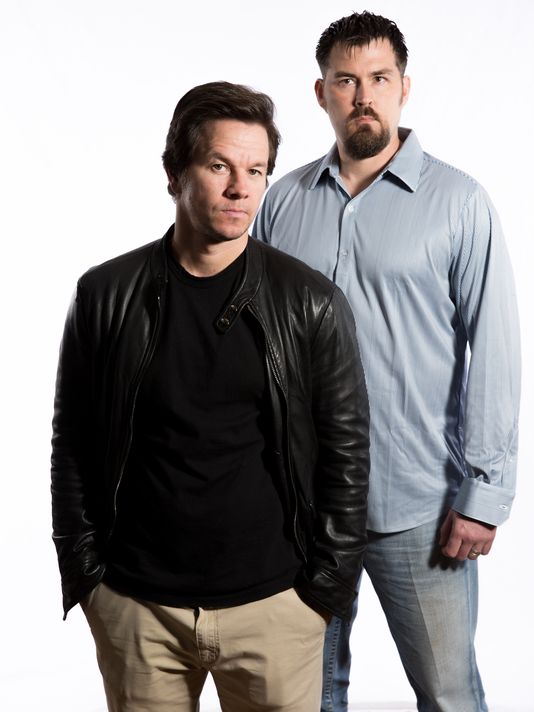
 MARK WAHLBERG: Marcus doesn’t like me at all. (laughs) No, obviously I had the good fortune of meeting the guy I was playing and spending time with him and having him be there for the entire process and help me with anything I wanted or needed. He’s a very special individual, I’m honored to know him and to see the kind of man that he is. I’m certainly inspired to be a better man because of him.
Just to let you know, because she’s a bridesmaid she would be at the wedding. It was a big confusion…
WAHLBERG: I realized that, especially having been married now for quite some time. We were trying to infuse some humor, especially into moments where they were about to get really serious. That was just something that we improvised on the day, playing around. It actually went on longer and longer. I started singing a song, a Coldplay song, those guys wanted too much money for the song so we couldn’t use it in the movie.
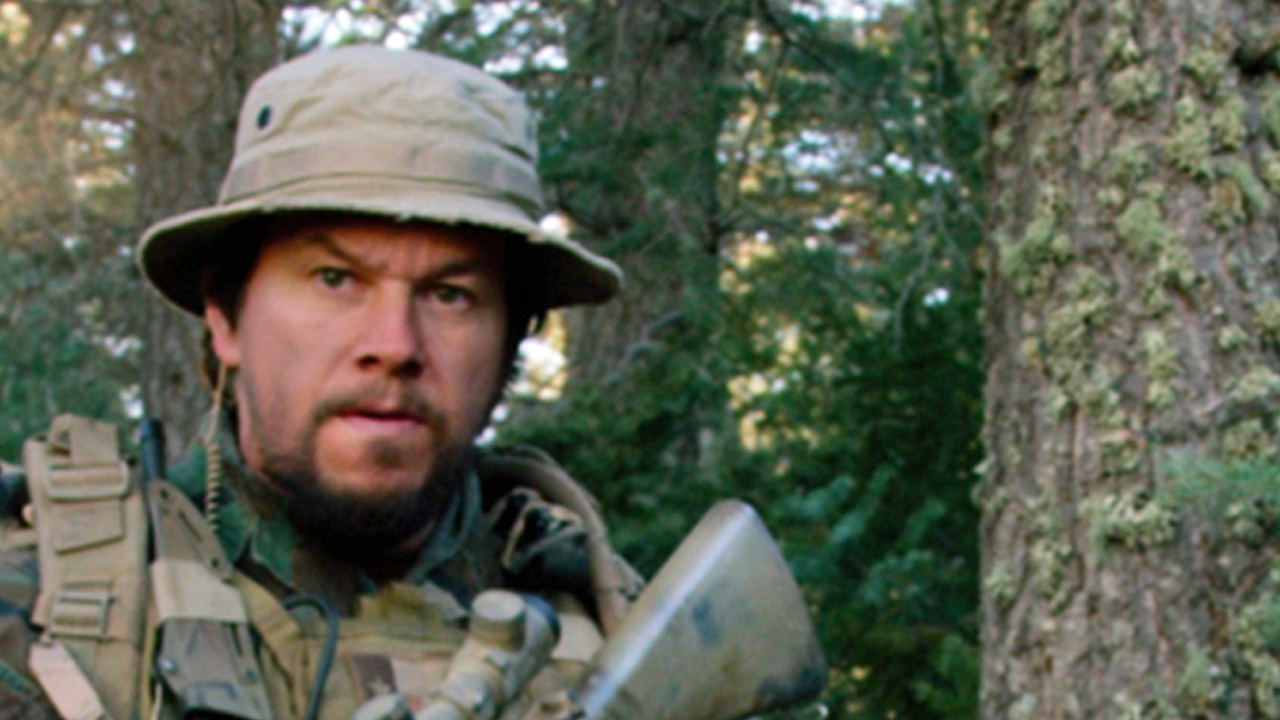
The scenes, especially rolling down the cliff, were crazy. How did you physically get prepared for that? I heard some of you actually tried to roll down the cliff?
WAHLBERG: The falls and all that stuff… originally this was going to be a big budget movie so you would have had cables and greenscreens but we did the movie for a price and that’s why it feels so intimate and real. The first stuntman to go down the cliff, when he rolled down the cliff he was right onto a stretcher and right to the hospital. Everybody was there, the SEALS were there so you had this pressure to step up and be a man so everyone was overly pumped. We just did what was required, bumps and bruises but we wanted to make it feel real. It seems like its all been done before but something so simplistic like that has an impact because it’s pretty damn real. Because we had such a short amount of time we would have two units going at all times. If you were with second unit our second unit director was the stunt coordinator. You’d be doing a lot of action stuff, the falls or certain parts of the gun battle. Then I’d run back off to Pete and we’d be in the village doing that stuff so we were kind of all over the place. A lot of the times we were together then sometimes it would be those three guys and my double. I’d be like, “By, guys! You’re going to get your ass kicked!” Everyday was rough but we all got to go home at the end of the day and knew we were part of something special. It was never about one individual, it was really about telling those guys’ stories.

Do you think you could actually go through real SEAL training after your experience on this movie?
WAHLBERG: I’m 42-years-old, so… As a man I never want to sit on the bench, I wanna be in the game, I always want the ball. It’s not a question of physical ability, it comes down to that mental toughness that I think sets those guys apart from guys who can’t get through the training and graduate. I dunno, I have no idea.
What was it about this movie that made it so irresistible for you?
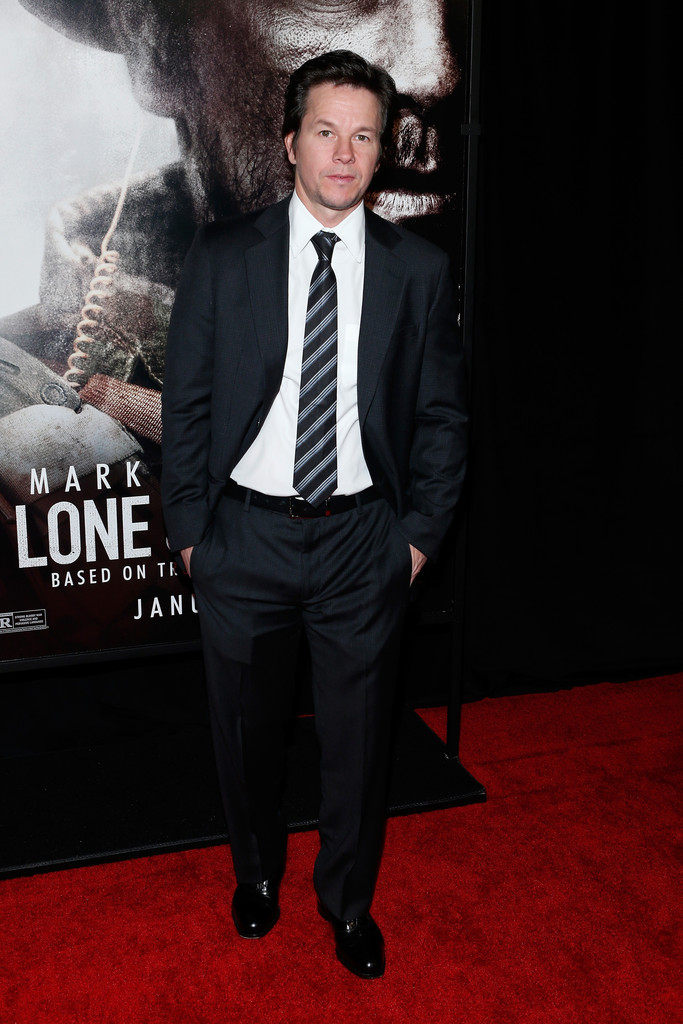 WAHLBERG: When I first heard about the idea and Pete asked me to do it I thought selfishly as an actor, “Wow, what a great opportunity to play a showy part.” Then I read it a realized what it really entailed and what it was about then obviously my perspective changed and it was never about me again. It was really about the guys we were portraying and every single person both in front of and behind the camera felt that same thing. It was a very special and unique set of circumstances that I’ve never experienced before as an actor on a film. Even when watching the film I don’t think about what we did, I think about what happened to those guys and what Marcus was able to endure and to be able to survive to tell the story of his brothers. That was a very special thing and we were embraced by the SEAL community and the military as a whole because of everyone’s intention going in. It was just to tell their story and make a tribute not only to them but anyone who’s ever walked into a recruiting office, and certainly to their loved ones and anyone who suffered a loss.
You were saying the film weighed heavily on you because it was so intense. You had your family close by on set, does that help at the end of the day when your family’s around you and you’re doing this heavy work?
 WAHLBERG: Yeah it does. It’s really interesting to hear Marcus and other SEAL guys talk about when they go home to their families and they can’t discuss what they do. It’s like trying to shut off a mission or special op and then all of the sudden they’re at home and taking their kids to school, helping their wives make dinner. It’s always comforting to have your family there, absolutely. They’re here now, which is nice. I asked them if they wanted to come to work, they said, “Daddy your job is so boring, absolutely not.”
Has this altered your thinking on wars after playing these characters?
WAHLBERG: I didn’t read the book before making the movie only because I’d read the screenplay first and I’ve been in situations many times where you’ve adapted a piece of material and you always feel like something’s been left out. I thought Pete did a really good job writing the screenplay. I felt immersed in the world and felt it and so I didn’t want to then go back and read the book and start complaining about, “Why wasn’t this in there? Why isn’t that in there?” You can debate that for hours, but I read the book after and I DID feel like, “Why wasn’t this in there? Why isn’t that in there?” That’s how it goes. I don’t like war but I love soldiers. They’re not the guys who decide whether or not they’re going in, they don’t really care. They have a job to do and they go in and do it. Would it be nice to live in a world without it? Absolutely. I don’t want any of these guys going over there risking their lives, but that’s what they do and that’s why we made this tribute to all of them.
“Lone Survivor” opens in theaters everywhere December 27th.