
Rhys Ifans Remains ‘Anonymous’By Max Evry
October 27, 2011
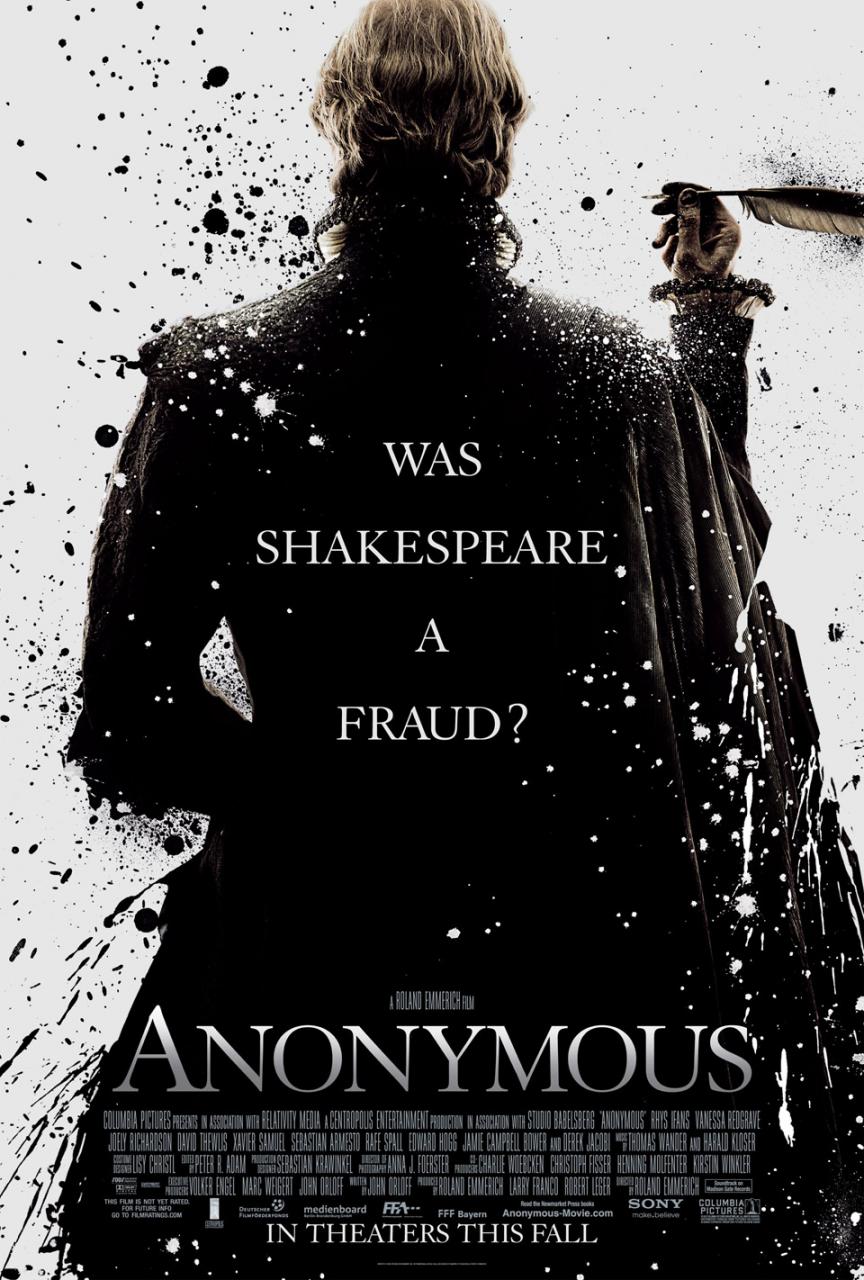
Who actually wrote the plays of William Shakespeare? That’s the question that the new film “Anonymous” asks, and though they come up with their theory (Edward de Vere, the Earl of Oxford) it’s up to audiences to decide to truly question the authorship of the most significant work in the English language.
An unexpected choice to helm such a nuanced period piece is Roland Emmerich of “Independence Day” and “2012” fame. Another unconventional choice is comic actor Rhys Ifans, who more than lives up to the challenges of playing de Vere as an eccentric artist forced to hide his identity for the sake of class rank. We talked to the actor in New York about this lead role.
How much did you consider the theory or Shakespeare not being Shakespeare and how has making the film effected your belief?
 RHYS IFANS: I’ve always been aware of the authorship question, but there’s no absolute concrete evidence as to who the author of these works is. I was kind of aware of the Bacon theory and the Marlowe theory. Having been offered this part I had to research Oxford a great deal. Oxford’s life is very well documented, certainly more than William of Stratford’s. In reading Shakespeare’s work you have to accept that whoever penned these plays would have to have been well-traveled, would almost certainly have been a multi-linguist, and without a shadow of a doubt had unique insight into the workings and political dynamics of the very paranoid, secretive Elizabethan court. Edward de Vere ticks all those boxes, William of Stratford doesn’t. Do I believe it was Edward de Vere? I’m not 100% convinced. All I’m convinced of is whoever wrote these works was a genius, and it’s our duty as actors, directors, spectators to question or offer possibilities because that can only illuminate the plays in a different way. Whoever wrote these plays we owe it to him or her or them to ask this question. It would be a crime not to.
Was the controversial aspect of the film what interested you in taking the roles that you did?
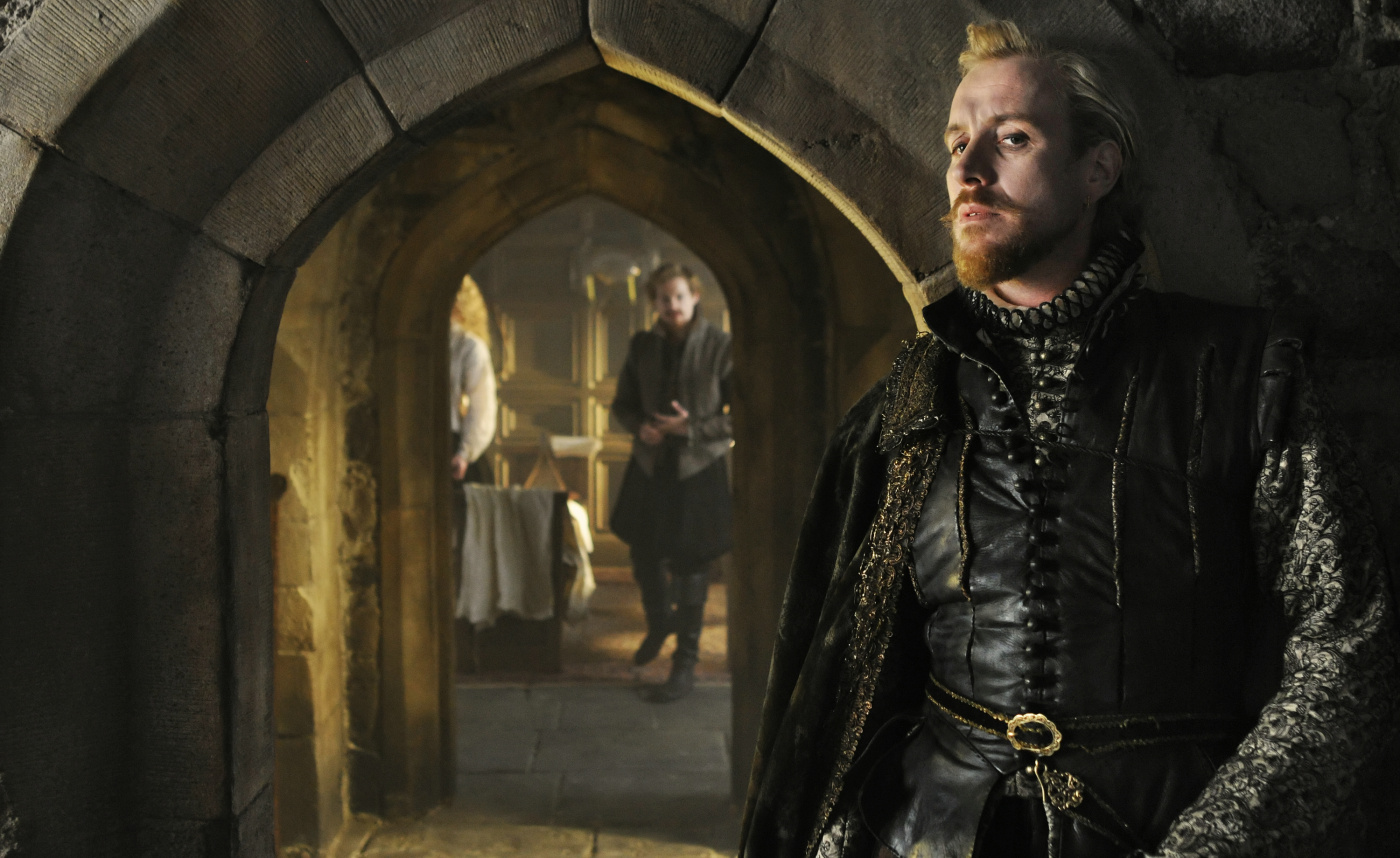 IFANS: I guess there was a tinge of subversive pleasure, but no, it was just a great story and it’s a political thriller and a mystery in the same spirit as Shakespeare, whoever he may be, to toy with and twist history to reveal the truth. This does as well, that’s the theatrical device, tried and tested. Fact and fiction and truth are the glorious threesome, and they’ll sleep and roll around in the same bed.
In the U.K. you’re referred to as a “factory floor actor”…
IFANS: I call myself a factory floor actor, and it’s a particularly theatrical thing. Basically it means you show up on time, you know your lines, you go to work, and you give your best. The reason a studio sends a car for you isn’t because you’re the Queen or you’re important it’s because of insurance. So that’s all I meant by it, and when you work on a film it’s essentially a production line and everyone’s contribution to the end result is equal and valid. The joy I take from being on a film set is I’m surrounded by people who are experts in their own field. You’re just constantly walking on the film set thinking how expensive everything looks.

What makes these plays resonate so much in the modern era?
IFANS: I haven’t played Hamlet but I have studied it and worked on it in various shapes and forms, and I think Hamlet isn’t a character to play it’s a state of mind. The way Shakespeare speaks of loss and grief 400 years before Freud personified it is extraordinary. That’s why that role is revisited so often. With Hamlet you can only apply all of you to make it work. With other characters there are signals or messages that inform that character, but Hamlet is a state of mind. The play that most intrigues me now as a youngish man that I can’t possibly play now is King Lear, and I hope to grow old, strong and graceful enough to sink my teeth into that.
Was there a rehearsal process?
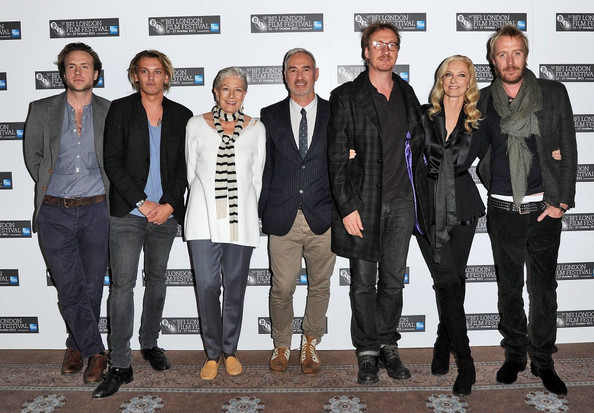 IFANS: I’ll be honest, there was absolutely zero rehearsal, and that’s a testament to Roman’s casting. The live theater pieces you see in the film were assembled weeks before shooting and well-rehearsed. Sometimes I miss rehearsal but this time I didn’t, it was really like jumping out of a plane and landing into Elizabethan England.
You did “Elizabeth: The Golden Age” back in 2007 so did you draw from that since you have a habit of doing these movies?
IFANS: That’s two, that’s not a habit, surely. (laughs) Drinking a gin & tonic doesn’t make you an alcoholic!
Was there any discussion of matching the different performances of you and your younger self played by Jamie Campbell Bower?
IFANS: Jamie and I, no. Roland’s astute eye. I was over the moon that someone as good looking as Jamie was playing me, ’cause I never looked that good when I was his age. All I said to him was, “make me look good in the sack,” and he did! (laughs)
“Anonymous” opens in theaters this Friday.