TIFF 2018 Exclusive: Director A.V. Rockwell On Her Short Film ‘Feathers’Posted by Wilson Morales
September 14, 2018

Making its world premiere at the 2018 Toronto International Film Festival was the short film, “Feathers,” by director, producer and writer A.V. Rockwell.
According to the festival synopsis, “Elizier, a new enrollee at The Edward R. Mill School For Boys, must overcome the memories of a tragic past in order to tackle larger issues dominating his young life: How must it feel to grow up in the world, under the constant implication that your life does not matter? To know that the whole world could watch you die, yet nothing would be done about it? In this poetic and lush drama, A.V. Rockwell creates an allegorical love letter to black men and a refuge for young black boys.”

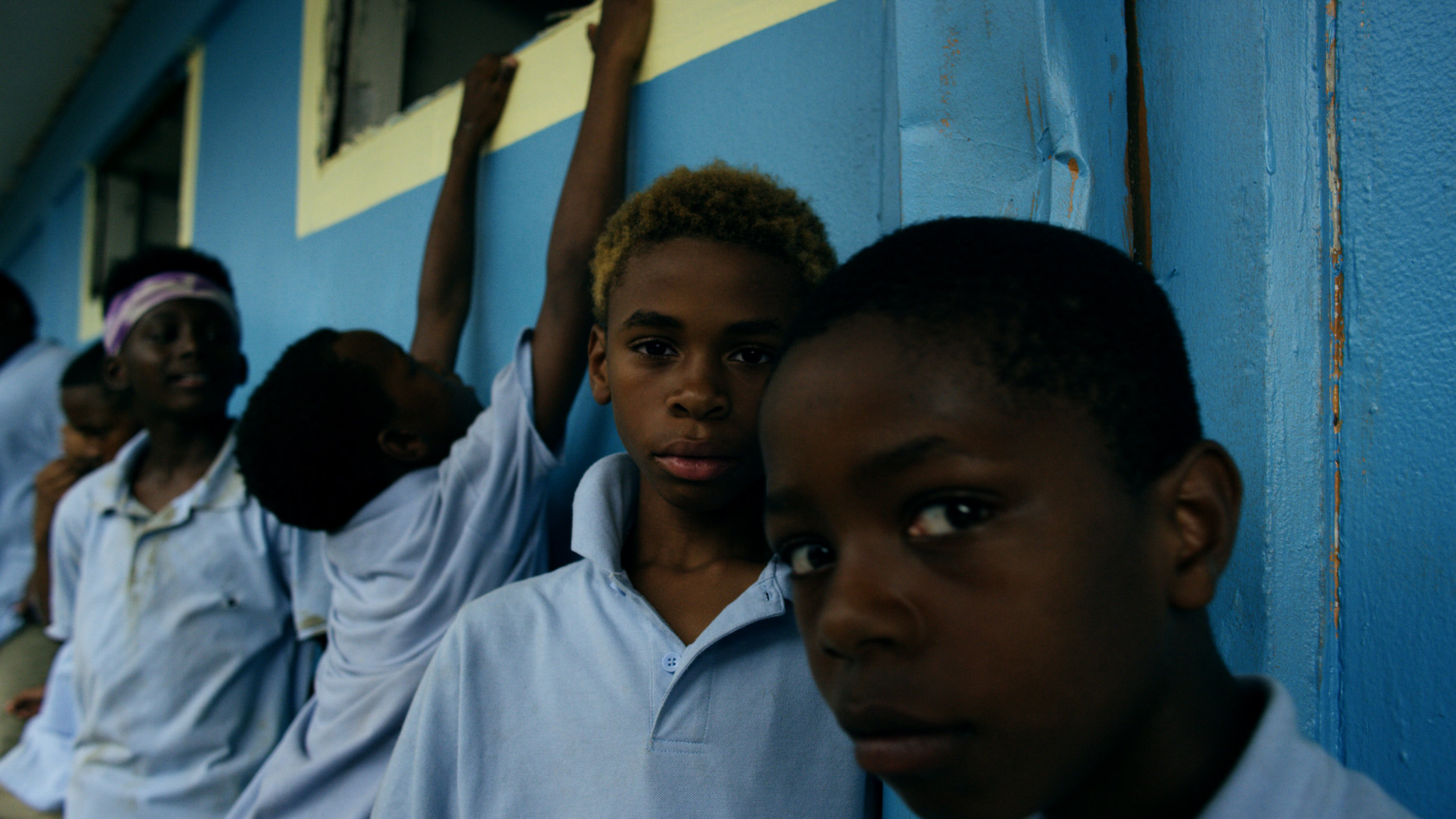
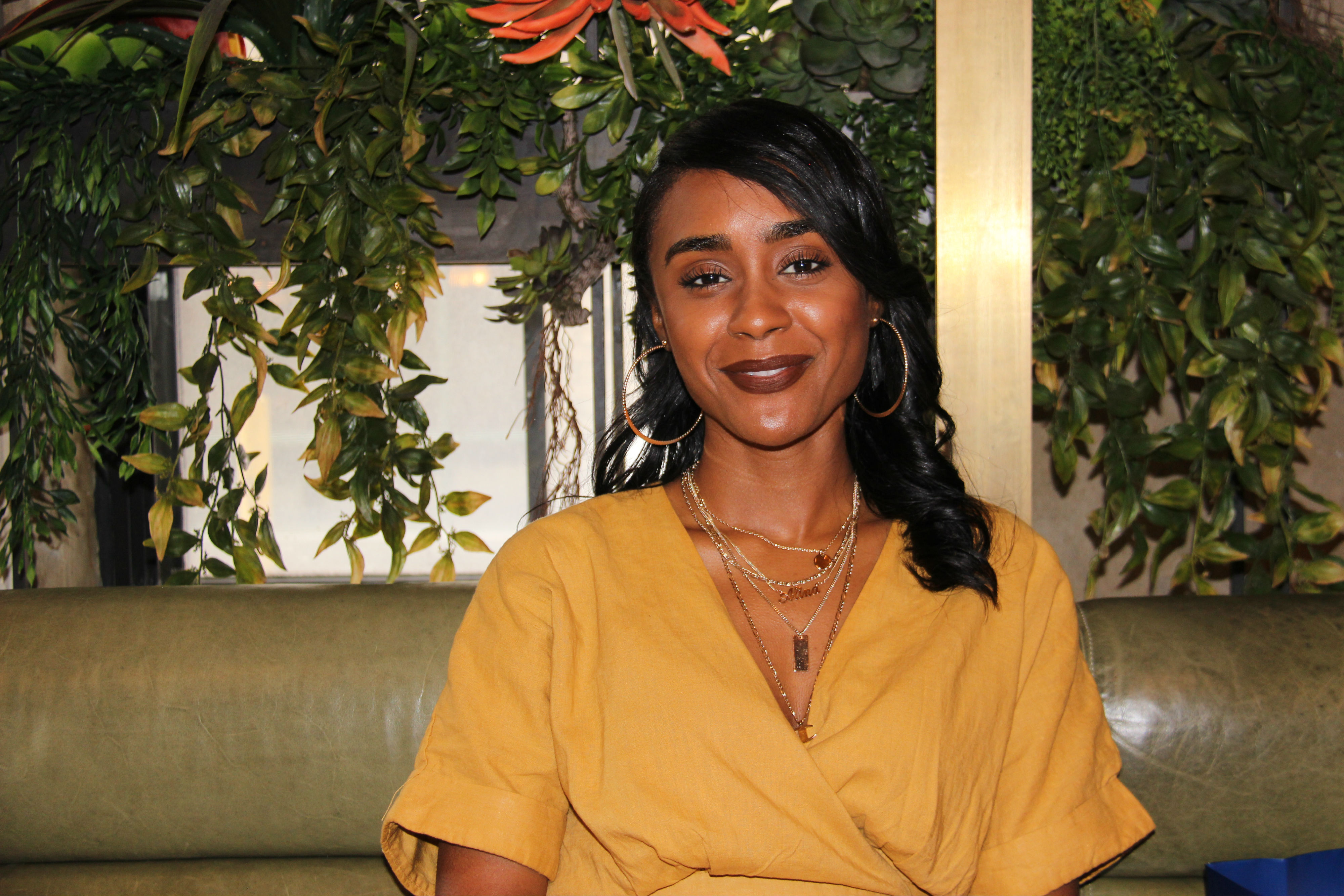
Alina Victoria (A.V.for short) Rockwell is an award-winning screenwriter and director from Queens, New York who was handpicked to direct “The Gospel,” a music-driven short film commissioned by singer/songwriter Alicia Keys. Her previous short films included “The Dreamer,” “Open City: Kids,” and “B.L.B (Bad Little Boy).” The NYU Tisch School of the Arts alum was also the winner of the 2016 Tribeca CHANEL Through Her Lens women filmmakers fellowship.
While at the festival, Blackfilm.com spoke exclusively with Rockwell regarding the making of the film.
How did the project come together?
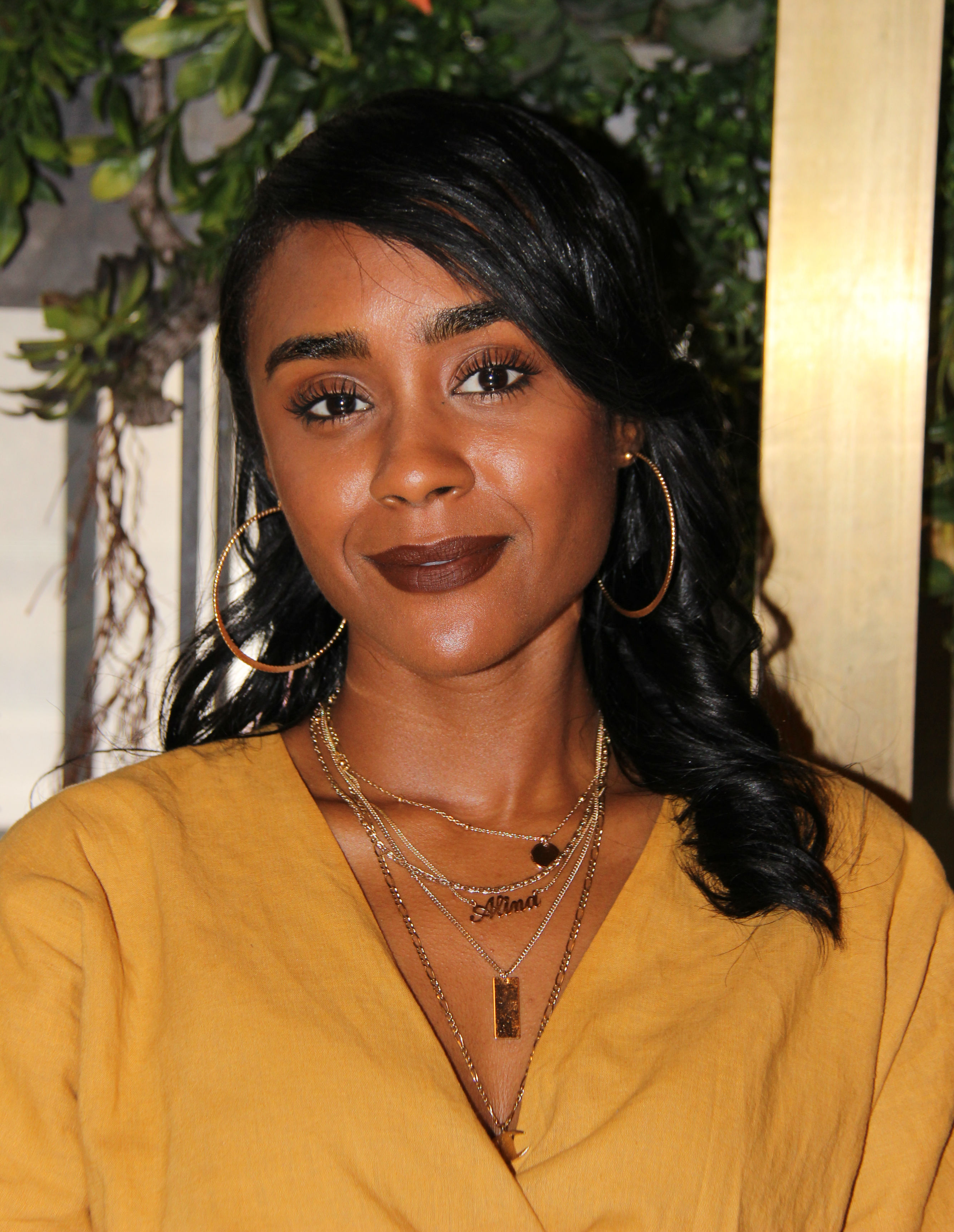
A.V. Rockwell: Yeah. My short, Feathers, is a story about a little boy who is arriving to this new school. A very unusual, unconventional school that he’s just joined, and trying to get along with his peers as the new kid. Also, trying to get along with them as he’s still dealing with unresolved issues within himself and the life that he’s had up until this point. We see that, and we see him explore those things in that search for healing.
What really inspired me to make this short is that I was thinking about a few things. I was really fascinated by this idea of what kids would do amongst each other when left to their own devices. I was fascinated by the duality of freedom and what that means. I think in America, there’s a duality of it. This is the land of the free, you can be anything you want to be. But I feel like there’s that version, and then there’s the version of how black people live that freedom. I think we’re still fighting for our freedom just to exist and do anything, let alone obtain the American dream without the millions of obstacles we have to overcome. I was fascinated by that too. I still didn’t really know how I wanted to articulate it, like how did that translate into a story.
It really wasn’t until the deaths of Philando Castile and Alton Sterling that it really, just the trauma of those events and seeing how our society reacted to it. How does it feel to move through the world knowing that in many ways, nobody gives a damn about you.
To discover that at a young age. I was thinking from a young perspective. I was thinking about his daughter in the car, and how vicious it was to live through that moment which will now be with her for the rest of her life, that trauma and that loss. Nobody as I see it, our nation, have dialogues about what’s right and what’s wrong. How do you put it into those terms, the value of that life that was lost and how it will affect her life in so many ways, and maybe affect her children’s life and so on? I was already thinking about it from a young perspective.

I think black males, just like black women, black males have a very unique version of trauma that travels with them from generation to generation. I really wanted to speak to police brutality through a specific lens, relating to that generation trauma and trying to find a way to move through the world with that on your back. When the world stops paying attention and stops working towards that common goal with you, or whatever. When do we say, alright well, let’s just figure it out amongst ourselves. That’s what these boys are essentially doing is, alright, if the world turns their back on us, that doesn’t mean that we have to turn our backs on each other’s. How can we get past our own individual traumas relating to our shared experience, so that we can come together and move beyond this bigger beast that we’re fighting against.

That’s a lot packed it there but as a director you’re making a 19 minutes short film. How challenging was it to get your point across in such a short amount of time?
A.V. Rockwell: I think that’s a continued challenge for me. I’m always trying to say a lot within a short space. I just try to find different ways to deal with it. I feel like it’s there. Of course when I make something, I know that people are free to interpret it however they want. Whether it’s as magnified as what brought me to making the film, or as simple as just seeing kids trying to get along amongst each other, and kids just being kids. I think it affects all my choices from what the story is going to be, and then how do I want to communicate it through the music? How do I want to communicate it through the sounds, through the cinematography, through the colors? Not all of it peeks through in a way that is super overt, but it’s all there. I think it speaks to how deeply it can resonate with people, how the story does overall.
Did you initially think of it as a short or a longer film, but then decided to do it as a short? Or can this be turned into a feature length film?

A.V. Rockwell: It was always meant to be a short. I just felt like I’m at a point in my career where I really do want to move into making features. It’s actually really hard for me to write a short now because I write so extensively, but this is definitely supposed to be a short story. At the time, it wasn’t even like, oh, this is supposed to be a vehicle for a feature. I was like, this is just a story that I have to tell before I can move on to anything else. I felt a sense of urgency with it. I mean, I definitely feel like in some ways because it is a short, I did in some ways lose an opportunity to dive into different characters. You see so many other boys and what their individual relationships are with generational trauma. We don’t get to see that. At this point I’m like okay, yeah, maybe I could expand it into a feature. I even thought about a mini series, but probably it would be a feature. I don’t know what that looks like yet but I’m definitely at this point, more open to it.
With so much talk about inclusion and diversity this year, do you see a statistical rise in terms of you being a black female director? Will more discussions lead to more funding for the projects you want to make.

A.V. Rockwell: Yeah. I think we are at a time where yeah, everybody wants to work with, because nobody wants to be on the other side of that. Nobody wants to, if we’re talking about inclusion and challenging people to be accountable for what they’re not doing, or haven’t been so far. Nobody wants to feel like their company or they, in their position, at any of these studios and ad agencies or whoever is doing the hiring for all these different types of content. They don’t want to feel like they’re the ones that’s shutting us out, or they’re being racist and stuff. What you see is, such a huge overhaul of, now we’re dying to work with women. Now we’re dying to work with women of color. Now we’re dying to just work with any directors of color. I feel like that’s how it should always be.

I’m definitely grateful for the ways in which it has changed what I thought my journey would continue to be. I’m super excited by it, and it’s just surreal. It’s something that I always wanted. I always wanted to not have to deal with these obstacles. Just to know that day has arrived, it’s kind of like, oh really? Wow.
What’s next for you?
A.V. Rockwell: What’s next for me? I definitely want to at this point, focus on feature length film making. There’s definitely, at this point, a few stories that I’m burning to tell. There’s a few themes and subject matters that I really want to address very urgently. I’m very passionate about it and excited for it. I think what’s so exciting about being a film maker is, it gives you the freedom to address all of the frustrations. It’s the best outlet for using my voice, for expressing my voice in this world. Especially in the case, there’s so many different types of stories that I want to tell, with things that relate to black lives specifically. That’s what my heart is at now. That’s where the urgency I feel is, to speak up now.
I’m so unapologetic about my experience as a black person, whether that’s with issues to gender, issues to race, issues of colorism, all those things. Especially black women, who which I really haven’t had the opportunity to tap into yet or expansively explore. So I’m excited for that, and to speak to all types of things in that space. Just really pushing, widening the space overall for how we talk about black life on film. I feel like you still see huge gaps in what’s even addressed. It’s like we went from slavery, to civil rights, to the president. We still have trouble navigating all of what has happened in between, and really addressing all the generations, all of the different loopholes that we had to jump beyond. I’m excited to dive into all that, one story at a time as best I can.
https://youtu.be/