
Veteran Actor Tony Amendola Battles Demon Doll Annabelleby Brad Balfour
September 29, 2014

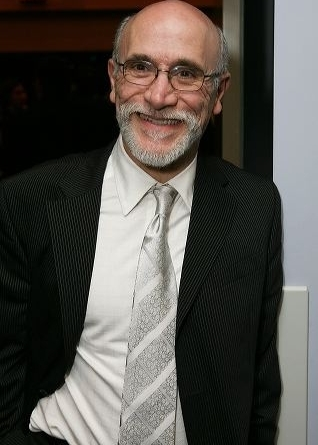
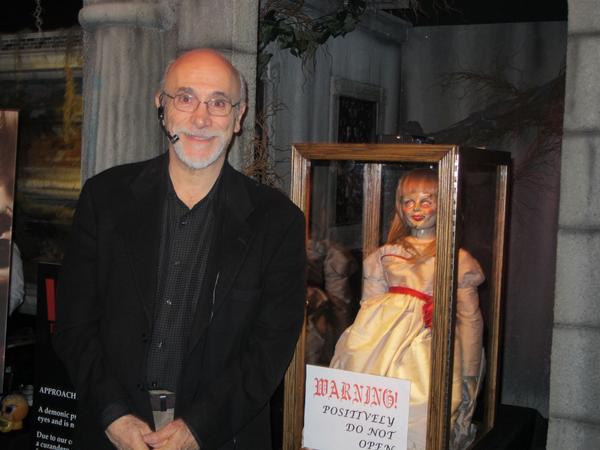
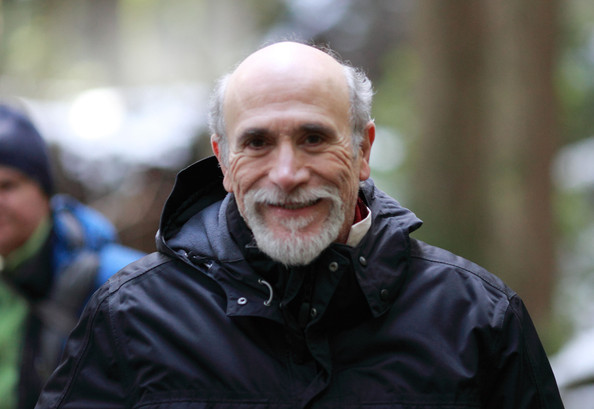
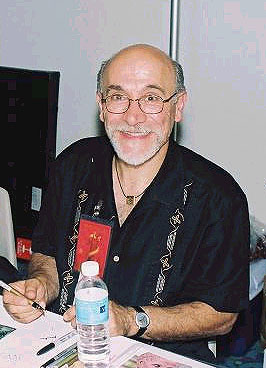
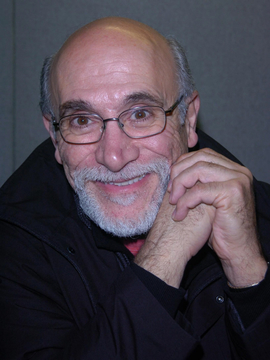
What an appropriate place to entertain an interview with an actor who has a key role in a film about a demonically possessed doll — the gothic macabre nightclub/restaurant The Jekyll & Hyde Club. About a week before the release of his latest film, Annabelle, the stately, charming Tony Amendola made a Mid-morning appearance not only to entertain questions but also to have selfies snapped with him and his possessed nemesis as well.
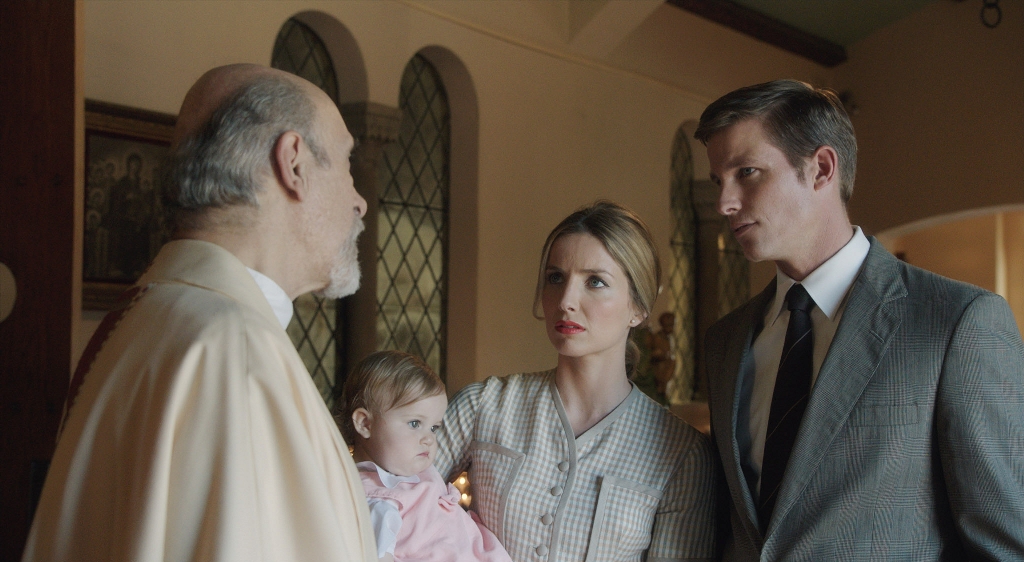
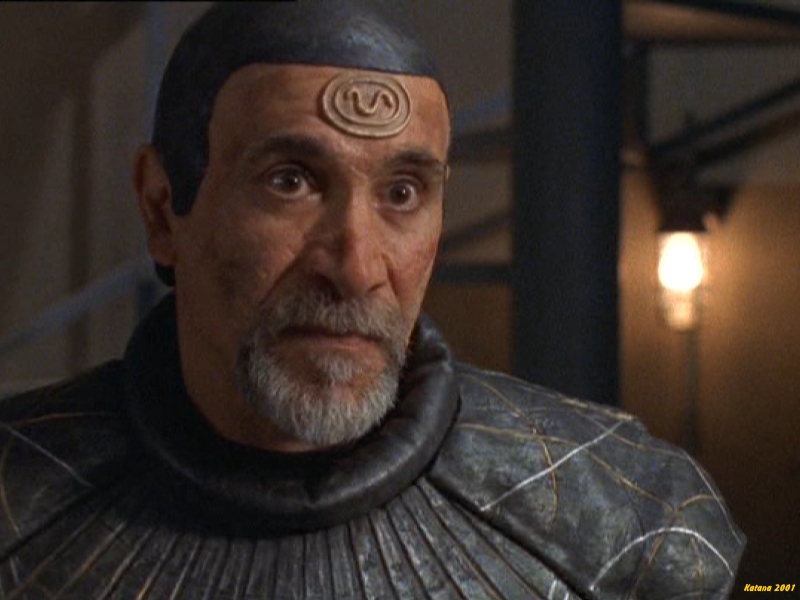
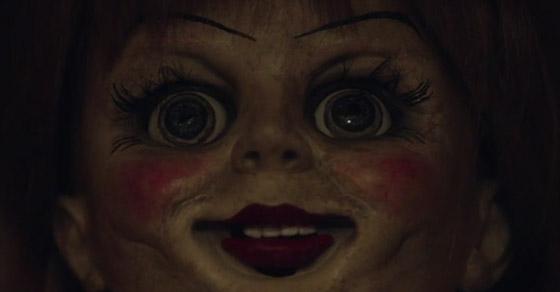
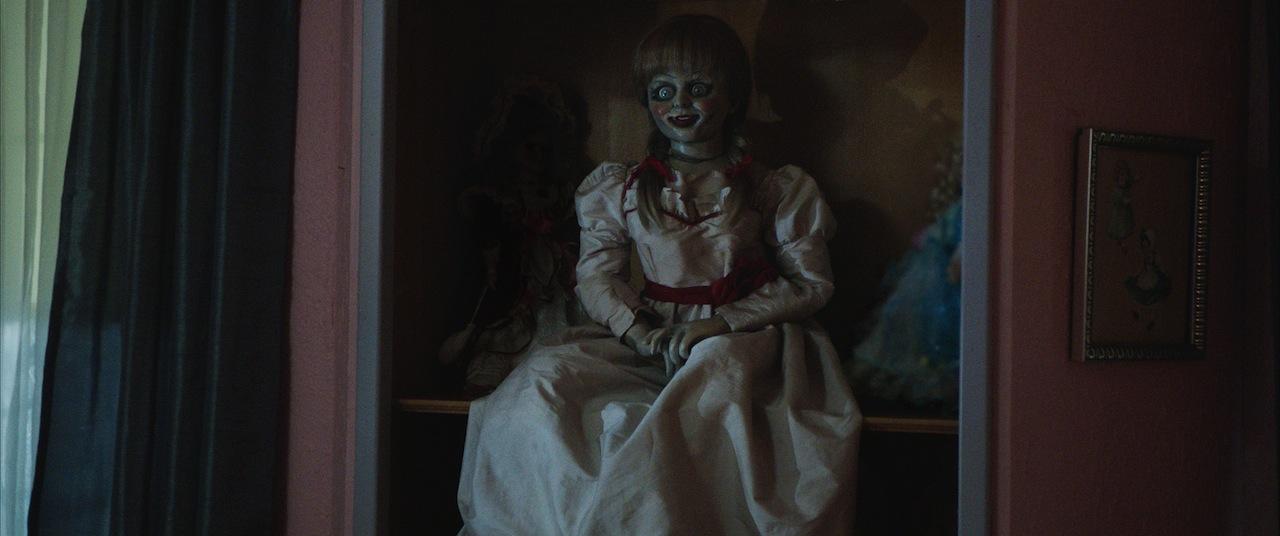
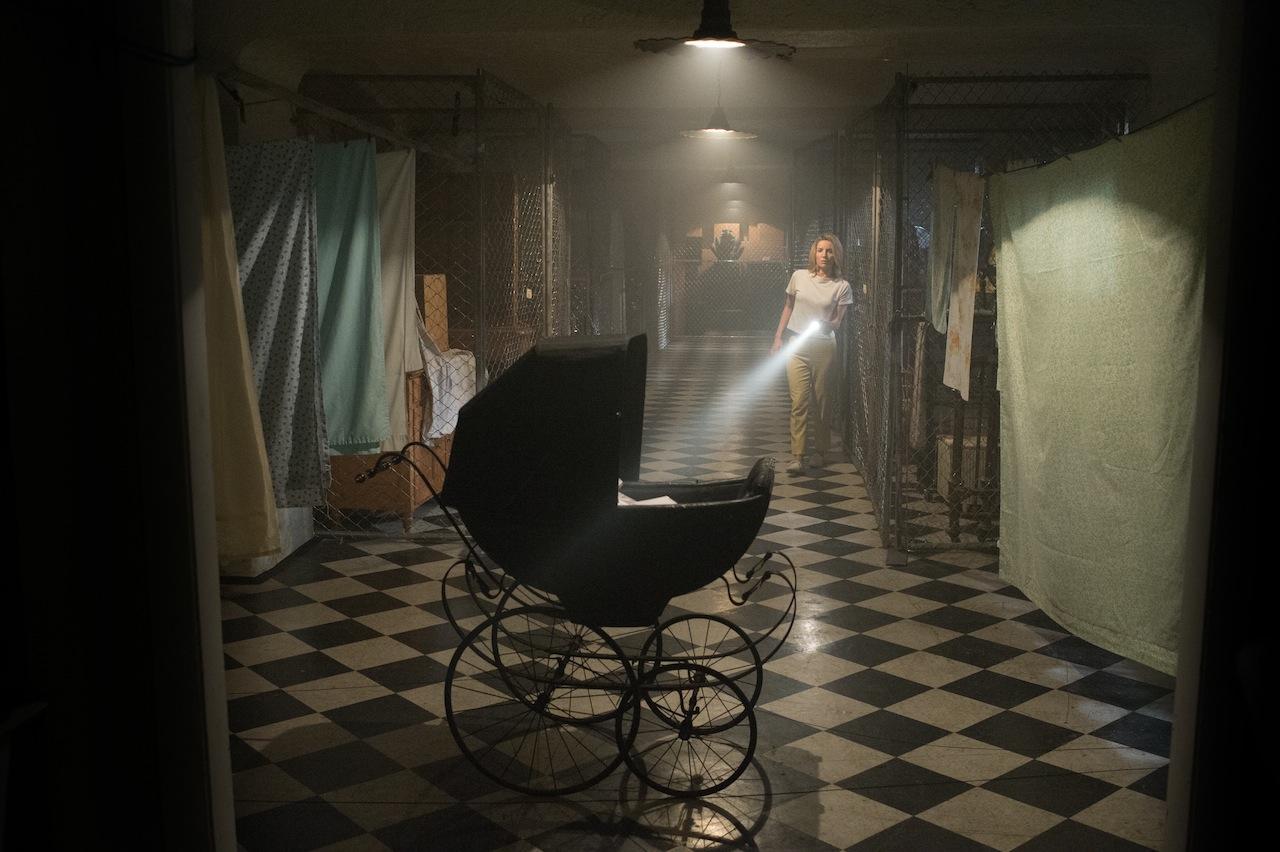
Having played the Jaffa master Bra’tac in Stargate SG-1, American actor Tony Amendola had no problem playing the insightful priest Father Perez in Annabelle — both a prequel to and spin-off of the supernatural hit feature, The Conjuring, a psychological horror thriller that harkens back to the best of this genre from the 1970s. He tries to aid a couple, Mia and John Gordon — played by Annabelle Wallis and Ward Horton — who, after having acquired a rare vintage doll, are suddenly and horrendously invaded by a satanist group which unleashes a demonic presence.
Also known for various recurring roles such as Geppetto, Pinocchio’s father-creator on ABC’s Once Upon a Time and as Kagame, leader of the revolutionary group Liber8 on Syfy’s Continuum, the 70-year-old Connecticut native has made his mark as a classic character actor, including a memorable appearance in Dexter, playing one of Dexter’s mother’s killers.

From movie roles in such notable features as Blow, The Mask of Zorro and its sequel, The Legend of Zorro (as separate characters), he has had a slew of television appearances beyond these regular slots, including Lois & Clark: The New Adventures of Superman, Seinfeld, The Practice, The X Files, Angel, Alias, Star Trek: Voyager and She-Wolf of London.
Given his East Coast roots, he has done time on the stage including such credits as Tupolski in the Berkeley Repertory Theatre’s production of The Pillowman, as well as Shylock in the Utah Shakespearean Festival’s production of The Merchant of Venice in 2010.
As this interview demonstrates, the tall Los Angeles-based actor hits the right marks in assessing both his career and his current role in this film.
What was most appealing about doing this? This movie is reminiscent of a certain kind of horror film from the 1970s. Have you been a fan of them?
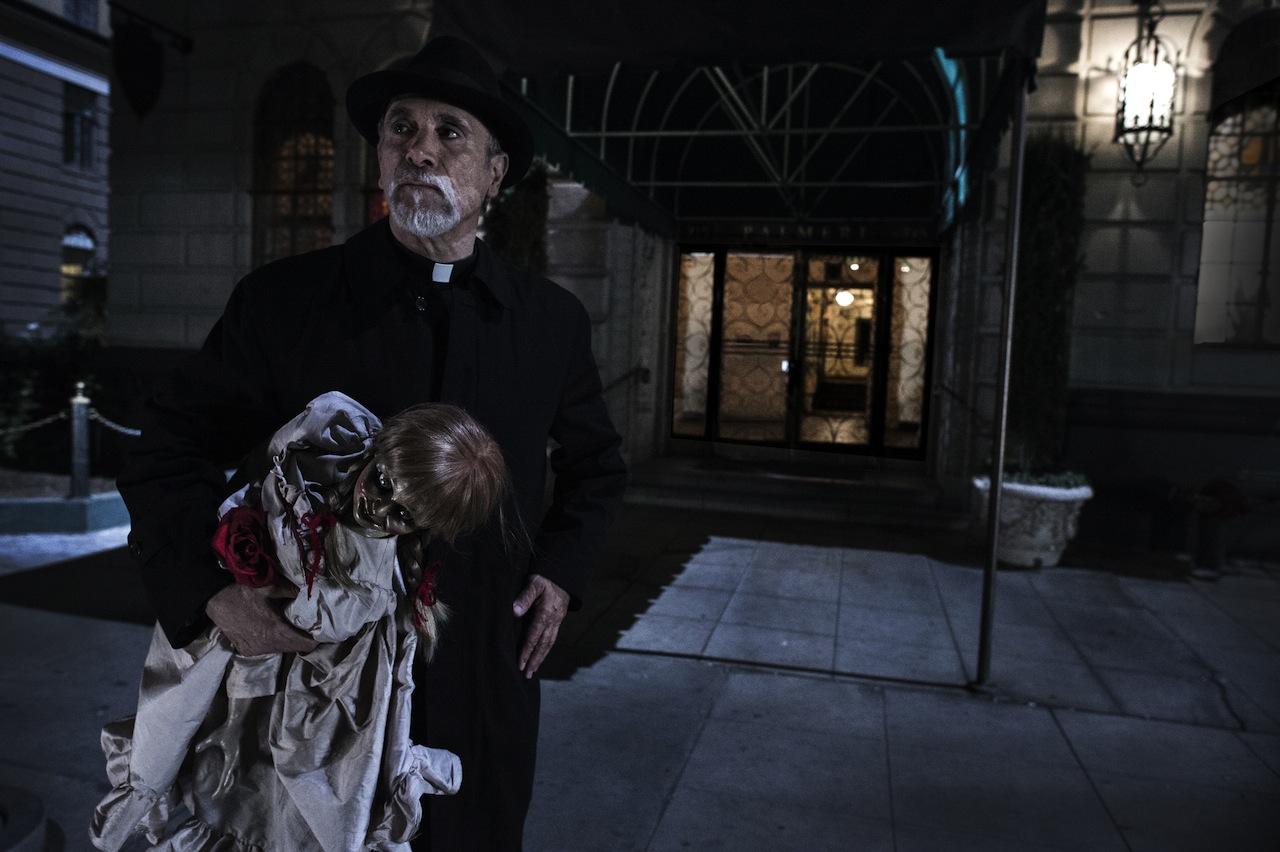
Tony Amendola: I was a huge fan growing up, a huge fan. It must have been in late ‘50s, early ‘60s. I remember going to a horror film, at eight, nine years old, and there was an ambulance outside the theater. I brought my ticket and there were two nurses; they had a special station. I remember just being, “Oooh.”
There was a lapse, a move down to other things; and then I did sort of a sci-fi horror called The Borrower when I was first in LA; I played a doctor, quite a nice part. Then time goes by, and finally I got cast in Annabelle. The first thing I did in my homework was to go out and see The Conjuring.
I was 25 minutes in, and was taken with the quality of the movie, the acting, the psychology. It was just stupendous. It wasn’t slash horror; there wasn’t gratuitous nudity; it was all about real people, and that sold me on really wanting to do Annabelle. Also, I grew up in Connecticut.
That’s scary enough!
TA: It is scary. You know, it’s funny; everybody thinks Connecticut is bucolic. As it is, it’s a gorgeous state — but there are scary things about it.
Well, The Amityville Horror is in Amityville, New York, which isn’t that far from Connecticut.
TA: Absolutely. The museum where [the actual] Annabelle resides is in Connecticut. And as a matter of fact, coincidentally, I went to a small state school in Connecticut where the Warrens taught. In my research, I realized, my god, they were teaching a class when I was there! I didn’t take it, but …
When you’re in a horror film, is there any way in which you approach acting differently from the way you would in any kind of other film?
TA: In all acting, you go to the given circumstances. But films do have a style. If you’re doing a Zorro film, the clothes will give you the style.
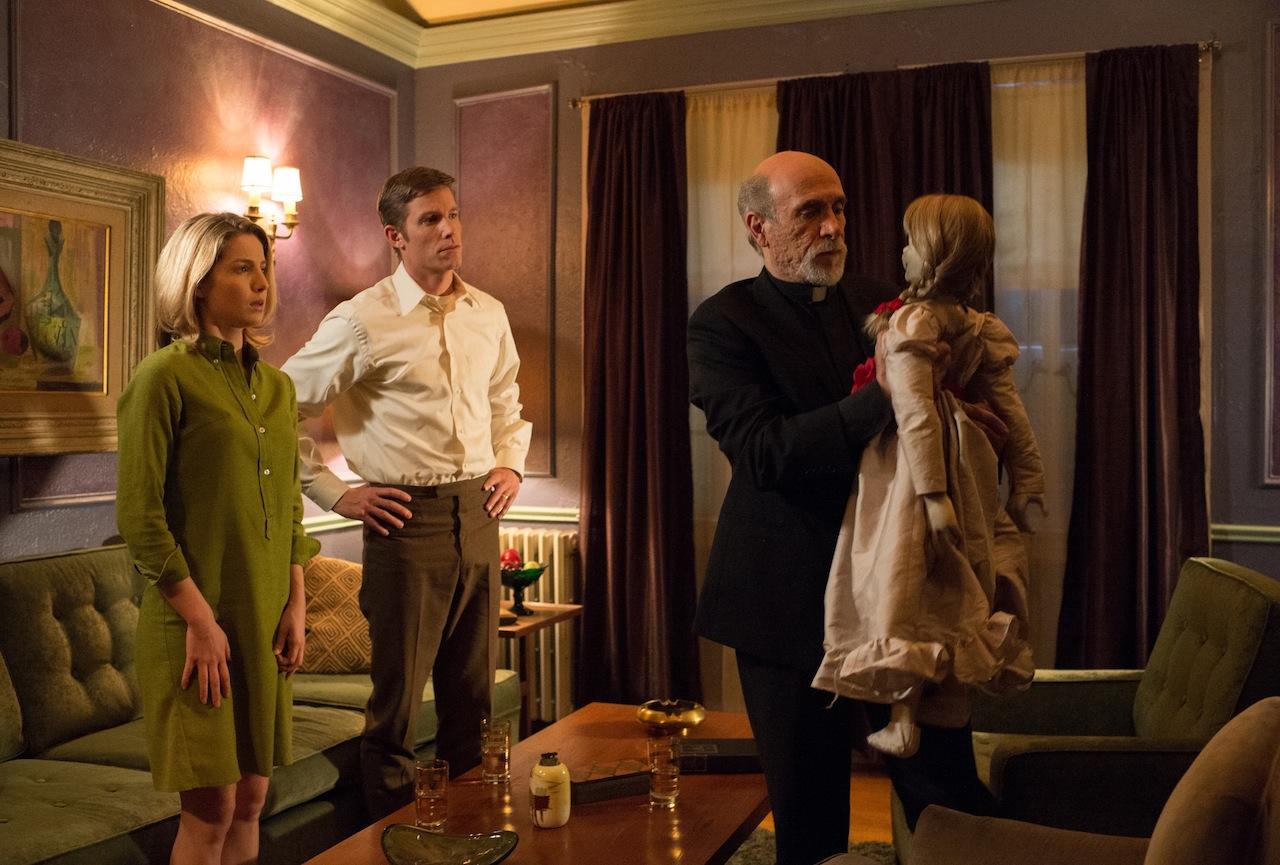
In Annabelle, I play Father Perez, who’s an ordinary priest caught in extraordinary circumstances. Being Catholic, the cassock and the vestments are very, very potent to me, and I think they’re potent to the audience, so you have to figure out who the guy is. It’s not like I act “priestly.”
Although I’ll tell you the truth: when you play a priest, or if you are saying Mass, as I do in the movie, the vestments, the cassock, are so powerful [that] you have to look for the man. You could be a grumpy priest; you could be a warm, loving priest; you could be a passionate priest; you could be a doubting priest. This guy is a warm-hearted man.
I’ve been around enough priests to know that they come in all sizes and shapes. My favorite being the one, as an altar boy, who used to drive us around the park, lighting cherry bombs. Fortunately, I didn’t get to play that kind of priest in this film; I got to play an openhearted, loving, protective priest.
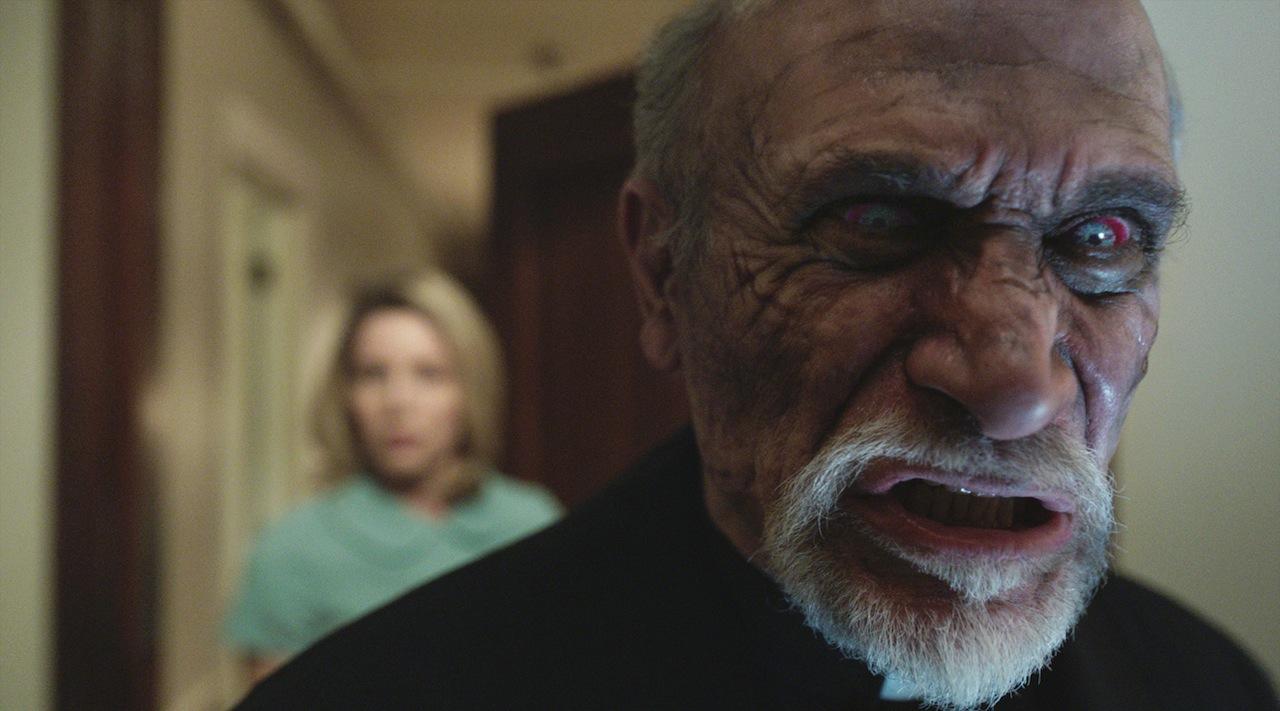
Or you could be an alien priest who could be…
TA: An alien!
Who’s fighting a rebellion!
TA: Oh, that hasn’t been done [laughs]… Maybe we should get together on a screenplay.
Were there any things that you needed to know about a priest dealing with demons or exorcism?
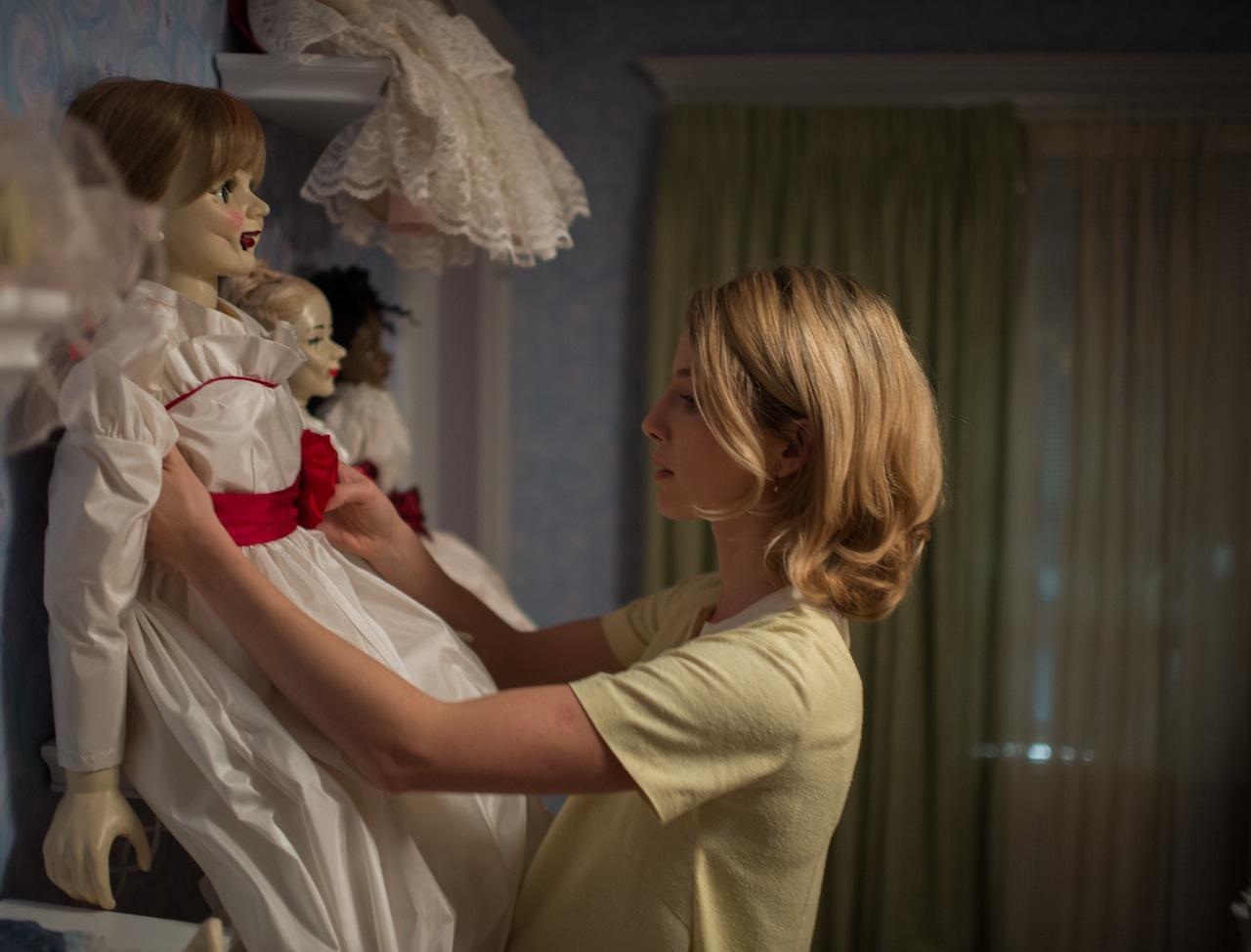
TA: You do your research. I read a book about the Warrens, and I spoke to a priest, and mainly realized the Church doesn’t want to go there. They don’t want to go to demons; they don’t want to go to exorcism.
They have to be persuaded that there’s no other answer — there is no answer in physics, there’s no answer in nature. Then they’ll call in someone, a specialist like the Warrens… who come in and deal, and try and document [what happened]. There has to be concrete proof that something like this exists before they’ll move at all.
It was wonderful to do that, and it was wonderful to wear that investigative hat that I love as an actor, no matter what character you’re playing.
Does it change any of your belief systems being in a movie like this?
TA: I always operate from the fact that as an actor, you have to be a blank sheet of paper. Actors have beliefs, they have strong passions, but it’s immaterial when it comes time to do the job. I have to step into the world of the play. And being Catholic, being an altar boy, it was a little bit easier.
Because you’re coming in and interacting with them in a different way from someone who has known them for awhile, did you keep yourself separate before you came in and played your part, or how did you play [it]?
TA: You have to make a decision, a choice. I could have played it that way. Annabelle Wallis [the actress, not the prop], Ward Horton, and myself, we decided that I had been close with Ward. So I knew him, he was close, and he brought his wife when they were having these problems. So there was a connection; they weren’t strangers.
If it does well, do we have hope of a further step into this universe?

TA: I hope so. I hope so. They have the many case histories, and producer James Wan and the director John Leonetti… It’s been terrific.
You saw Wan’s other films such as Insidious or his Saw films?
TA: Yeah. Yeah.
How is being in this film — which is kind of part of a series — alike or different from doing TV? You’ve been in some critical series where there’s an elaborate book or elaborate bible to it.

TA: It’s very interesting, because TV series have become kind of like a Dickens serial. Because of that, it’s drawn very, very good people — writers, creators, etc. We should only be so lucky to have that.
Certainly The Conjuring was a terrific beginning. If you look at the case histories as sort of the sequel, I think The Conjuring just floored me. I hadn’t seen it until I got this. It was part of my homework, and I treated it that way until I watched the film. I thought, “My God.” Vera and Patrick and Lili, I mean they were just sensational. Sensational.
Didn’t you find it interesting to see something in that style — not gore, not total shock?
TA: Absolutely. It’s not nudity, it’s not about the gore; it’s psychological. It was all done with photography and the possibility and sort of false expectations.
The great thing about this film is there’s two Annabelles. There’s Annabelle the doll, and there’s Annabelle Wallis, who’s the girl.
The doll now has her spirit; the spirit’s in the doll?
TA: Actually, the doll is a doll, really, but it gets possessed by a demon. I don’t know if you know the original story of the doll.
In part, the original story is the doll was given as a gift. And then the woman started noticing very odd things happening. They couldn’t explain it through natural causes, physics, anything, so she went to a medium.
The medium said, “Oh, there’s a spirit here. That’s what it is, there’s a spirit in this house.” And she said, “Well, where’s the spirit?” The girl was a nurse. “Oh, the spirit’s a little girl; she used to live here, and she was killed, and she hasn’t gone over, and she’s asking, Can she stay? Can she be here?”
And of course, it wasn’t true: she wasn’t a little girl, she’s a demon. There’s the difference between ghosts and demons. And so, oddly, the big thing in demons is, there has to be an invitation of sorts.
Like Let the Right One In, the vampire story?
TA: Isn’t that a great one? Did you see [both films, the Swedish original and the American remake]? Sensational. So that’s what happens, that’s the story.
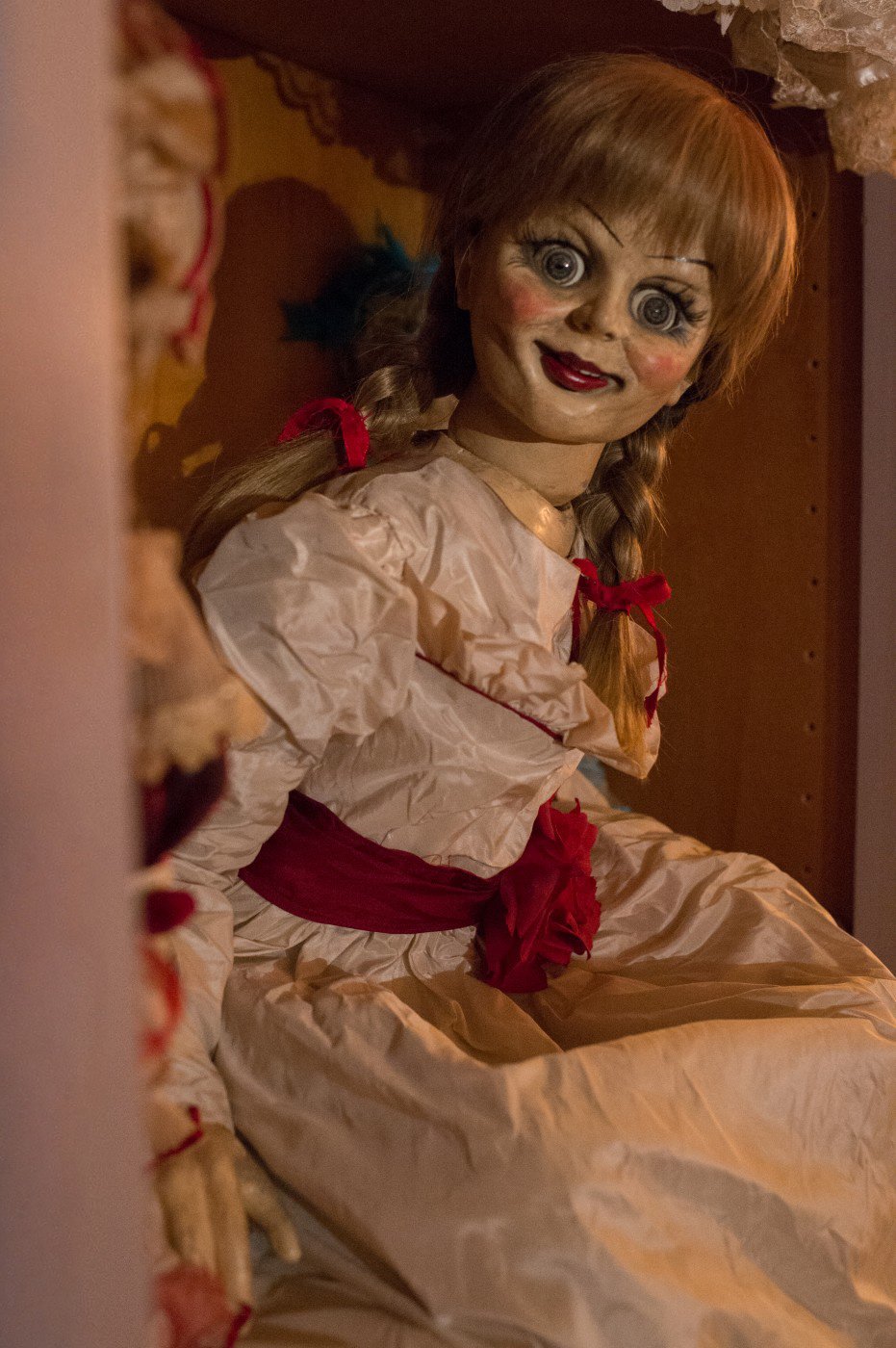 As you probably know, this doll was recast; this is the actual doll from the film, but [the real] Annabelle is a Raggedy Anne doll. But they [the director and producers] decided on the antique look, and I think they made a wise choice — its size, the eyes, and so many other things they decided to be able to control.
How is it to be one-upped by a doll or a demon?
TA: There’s a great history of being one-upped by a demon or a doll, so you know going in that this film is about the lady, and it’s fine. It’s fine.
And you survive, right?
TA: Yeah, I’m beat up, but I do survive. I try to protect this family. I get in the middle of Annabelle and this couple, and it’s not a good thing.
It’s a powerful figure. It always raises that question — especially when you’re not Catholic, “How do I embrace this? How do I rationalize it?” This has always been the great challenge. In science fiction movies like Stargate, a movie is based on the premise that a lot of these mythic things originate with these aliens. I always think it’s aliens; demons are aliens!
TA: Well, it’s so positively ridiculous. I mean, all demon mythology or beliefs go back to, essentially, the fall of the angels. They’re not humans; they never were humans. So it goes back to that.
But in terms of being a 21st century cynic, because I have to play these people, I go back to the fact that if you think of what was scientific in the 18th century, and what was believed then, and in the 19th century, bloodletting, all these things — why should our century be any different? Are we actually arrogant enough to think that in 100 years people are not going to be laughing at what we think is science? And it’s about energy, too.
The irony of it is that you’re in a movie where there is this basis for it, but it really has to do with this alien war. And so you could incorporate this movie into that logic.
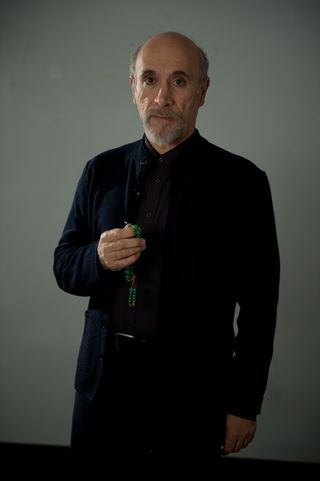
TA: To do these characters, you have to absorb the world of the film, and this particular eight weeks, I was playing a very religious man.
And for 10 years I was playing a guy who thought they were false gods — an atheist. And that’s fun, because if you think of it like baseball caps versus a [pith] helmet, versus… it gives us a chance to look at the world through a million prisms.
Your character, Bra’tac, on Stargate: SG-1is a religious leader, right?
TA: Yeah, absolutely. Well, he’s a Jaffa leader, but his quest is more about freedom. Actually, when you look at Stargate, he’s an atheist, and he’s been told that Apophis is a god. And he, through his experience, actually goes to just the opposite direction. They’re false gods, and he’s a heretic.
Now, where in the evolution do you fit? You’re eliminated, and later they bring you back?
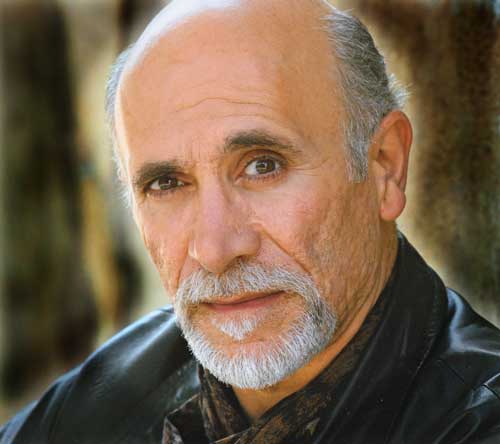
TA: No, I never died. It’s funny, because they threatened to kill me a number of times. I did it recurring over the course of the ten years, and it’s funny because occasionally they hinted at killing my character.
So when I’d get a new script, if I was out, I’d tell my wife — because that was the day when they’d deliver it to your door as opposed to emailing it — I’d say, “Okay, just read it; do I survive?” She’d say, “Yes, yes, you’re injured, but you’re surviving,” so that it became anticlimactic to actually kill my character. So they let me live
You’ve done a lot of other TV series. It must be an interesting challenge to create different characters for these iconic series that you play. You played Pinocchio’s father, Geppetto — which, again, is another mythic kind of series. You played Dexter’s dad. That must be an interesting sort of challenge to designate your character.

TA: Often you don’t know that they’re iconic series until they’re done. So you go in and you’re just doing a job. I mean, “Dexter” was popular, but I think I was in its second or third season…
Stargate was the longest-running sci-fi series in the States. I mean, “Doctor Who,” of course, but “Doctor Who” was intermittent. It wasn’t consecutive, to my knowledge.
Now, when I did X-Files, I was in an episode called “Hollywood A.D.” It’s an episode where Hollywood comes to Scully and Mulder and tries to put their story on the screen. I played the cigarette-smoking pontiff, Teá Leoni was in it, and Garry Shandling was in it. It was sort of how ridiculous Hollywood can make things. And it was quite funny. Duchovny directed it and wrote it.
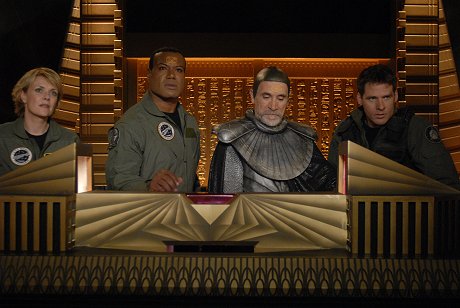
 Do you stay in touch with your Stargate cohorts?
TA: Yeah. Carmen Argenziano, who you probably know; Amanda [Tapping] …
She went on to do “Sanctuary” then.
TA: Now she’s directing. I was a regular in the first season of “Continuum” and Amanda directed some of those. She’s on to producing and directing. But it was a warm, cuddly feeling when she was working.
Chris Judge is still working, television. He’s done some things. He’s trimmed down, he’s a big, unique man. So when they use him, they’re going to use him well. It’ll come around.
He was a great part, because it didn’t have to be a black guy. He got a chance to break some barriers there.
TA: Exactly. It really was. And he made it very easy to do it. The first time I ever met him, we looked at each other and thought, “Okay, it’s gonna be fun.”
Was Richard Dean Anderson as funny offscreen as he was onscreen?
TA: Completely. Richard did a very smart thing. In the “Stargate” film, that character’s story is very tragic, you know, O’Neill’s story of losing the wife and everything. So the actor who played that was very good; he played it almost with a steel mask.
When Richard came in, he realized he [was] doing the series. So he brought in a sense of humor to it. Richard would go in, and we have all the scenes, and we’re spouting stuff, and then he’d come with a little pin. I used to say, “We blow up the balloon, and then he comes in with a little pin.”
His character was great because he was a wonderful surrogate for the questions of the audience. Like, “Really? Are you really gonna go in there?” Because I would say, “Oh, yes, today is a good day to die.” And he’d be like, “Uh, I don’t think so.” So I loved playing off him.
Are you of Latino descent?
TA: I’m of Italian [descent], but a diaspora [that has led to] into Argentina and Mexico. My family came to the States.
Have you had a chance to be in films that reflect your background, have you looked to any international films?
TA: A lot of Italian films will be shot somewhere else. I’ve done films in Bulgaria. I’ve done a fair amount of films centered in Mexico. But I was in the two Zorros; and I was in Below and was in Cisco Kid.
Club Dread — you know that spoof, Club Dread? There’s two versions of it: there’s a director’s cut. I still haven’t seen it. The director was so kind; he called me and said, “Well, we did a cut and your character’s not in it, but you’re going to be in the other one.”
It was actually a spoof of horror films, taking place at a Club Med-like thing. And it was quite fun.
I love working internationally, but my Spanish is not perfect; my Italian is not perfect. I think you’re much better off to be blond if you’re playing an American. You know what I mean? Because they have stereotypes there the way we do.
You must be thankful that you’ve had this incredible longevity in both film and TV as a character actor, and you’ve never had to deal with the idea that you had “your moment” as a star, and then you don’t get roles; you’re gone.
TA: Being an actor is very, very schizophrenic, and you have to accept that. You’re on a series for ten years on and off, and then there’s a year where you don’t work. I mean, this year has been extraordinary. You know, I’ve been an actor a long time. I was a theater actor initially for 10, 12 years.
You were in LA?
TA: I have worked in LA, yes, most of my theater work was primarily out west. But I have done several plays here. And also there’s a festival in Massachusetts, quite a prestigious one, called Williamstown. They bring in a lot of stars, and I went in as a mid-level.
It’s hard, because most audiences understand about starting and starring. They don’t understand there’s a middle class; people have good lives, and they get a home and they raise a family. I have been blessed because we all like to be the boys who get the girl, but I have been able to sort of survive for a long time.
You’ve also had parts where you really can use your acting skills. I’ve always said the best actors are theater actors, which is why Patrick Stewart’s such a big star — and Ian McKellen — because they understand the idea of making a character dramatic, projecting it, but also there’s this fine balance.
TA: I think you’re absolutely right, the passion and the larger-than-life [quality… Theater [actors] understand that. But the other important thing about classical theater people is that the text is generally heightened. It’s technology-heightened, as opposed to being poetically heightened, so now you have to make sense of non-existent technology in words … you always do that.
I remember in Stargate I had just finished Zorro, the one with Antonio Banderas — I was in both of them. [I was in] The Mask and The Legend. I went up there thinking, “Okay, this is a 133-year-old guy.”
You have the fitting, and, oh, you’re so grateful because you’re still piecing together the character when you’re hired. And I’m thinking, “So this is medieval, Samurai, stoic Roman,” you know, crazy for freedom. I played Cassius for “Julius Caesar,” and [Bra’tac] is more of a Brutus. He’s definitely Shakespearean. My Shakespeare work helped me enormously.
Continuum is also science fiction.
TA: It opens in 2077 and then flashes back, if you will, to come back to 2013. They’ve got three seasons, and SyFy picked them up.
I play a charismatic sort of rebel named Kagame. And it’s based loosely on the Occupy movement, gone very violent. So he’s a very great character who has created great destruction, but he’s also got his own code and stuff, and he’s got a group.
It was wonderful because Roger Cross was in it, a Stargate guy; Lexa Doig, who’s in it, a Stargate lady married to Michael Shanks; so it was great. And I’m sort of an honorary Canadian [where Stargate’s was produced]. I’ve spent enough winters up there that they’ve given me a little pin.
Another thing that’s great about doing series like this is you have a whole other life in doing Comic-Cons. You never have to worry for money — you go to a Comic-Con, and can make [good money].
TA: It’s lovely to meet the fans, and it’s lovely to travel. I’ve done Comic-Con in San Diego probably two or three times; and it’s been nice, actually.