
War Dogs Press Conference with director Todd Philips, Jonah Hill, Miles Teller, and Guy LawsonPosted by Wilson Morales
August 17, 2016
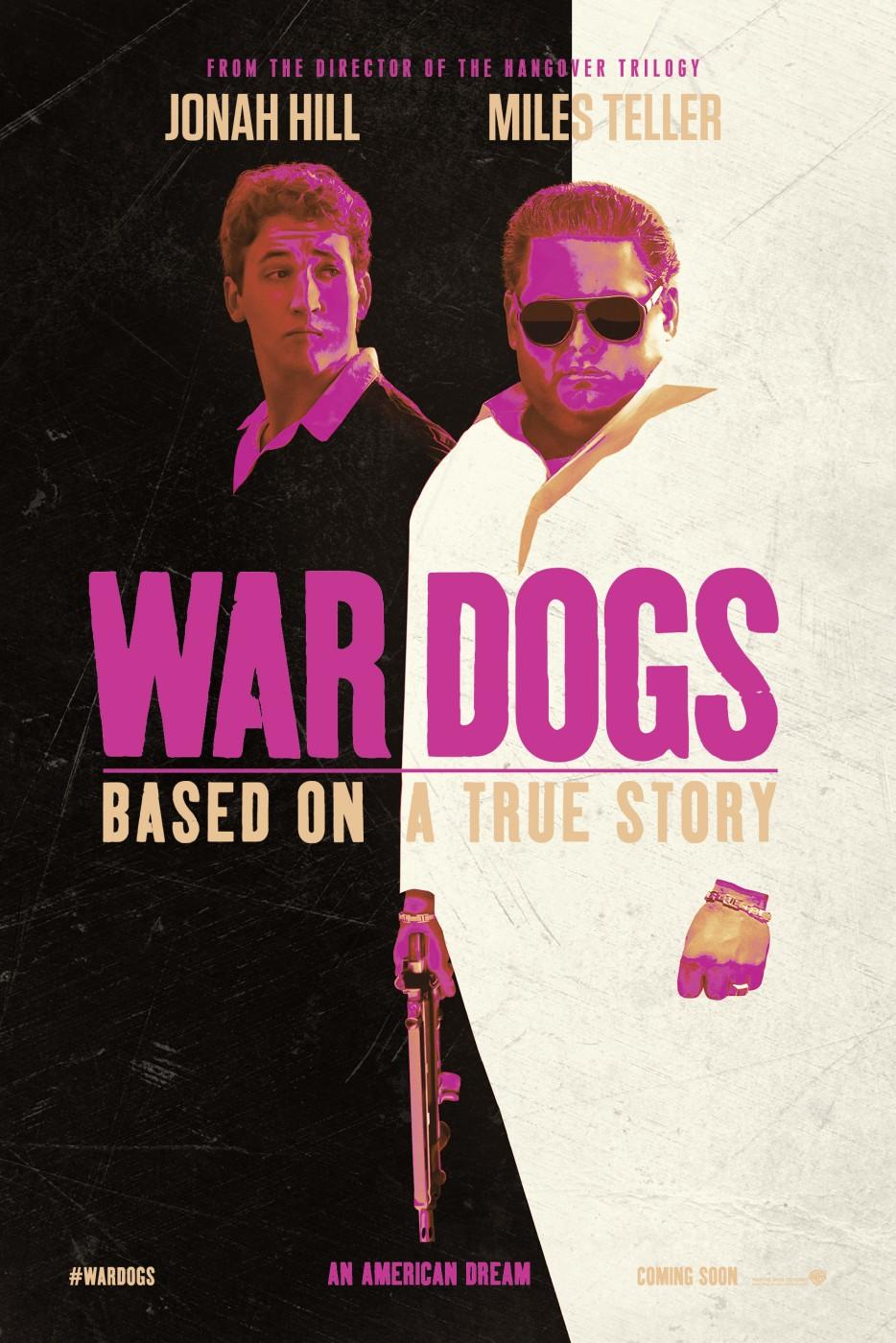
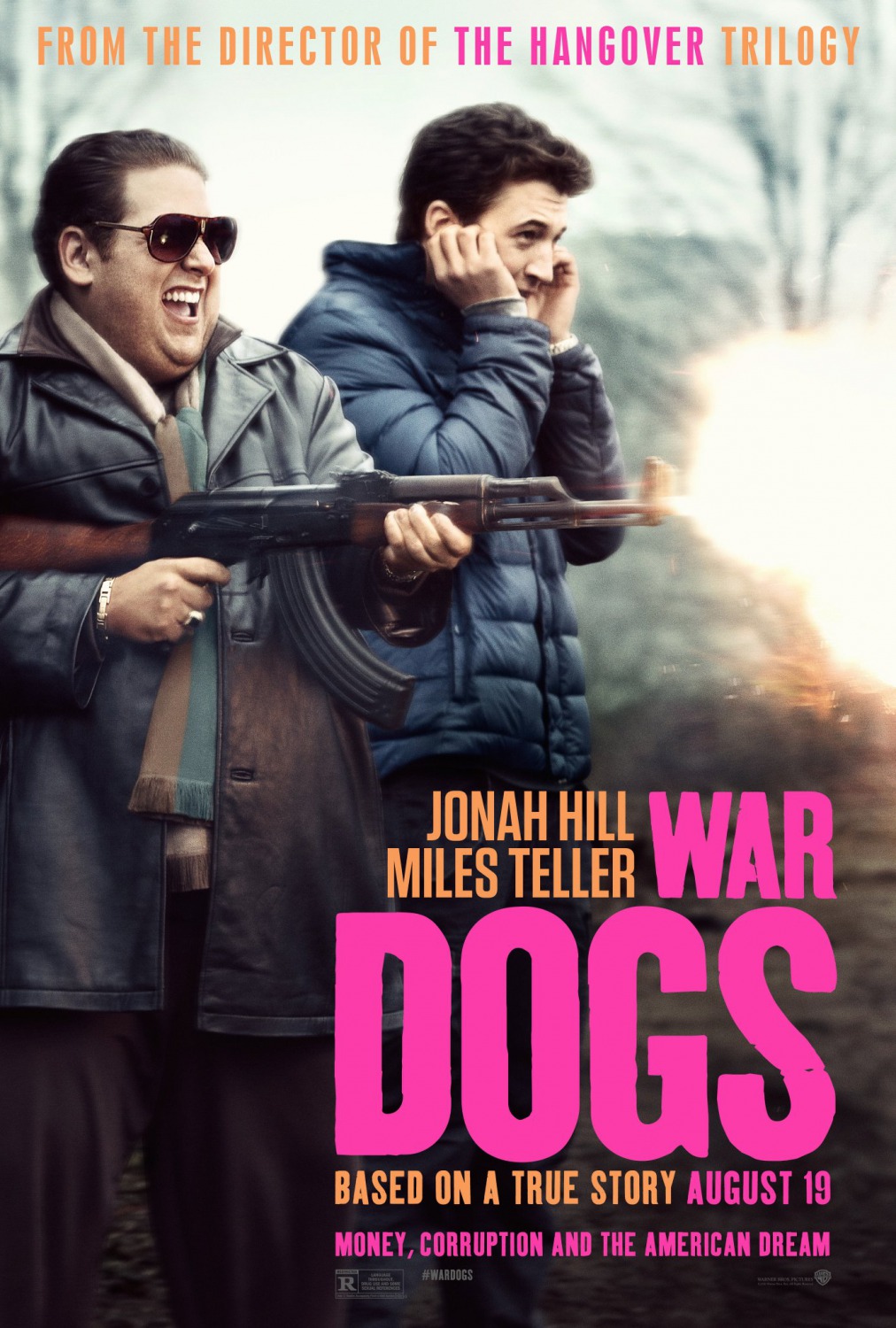
Coming out this week is War Dogs, directed by Todd Phillips (The Hangover trilogy) and starring Jonah Hill & Miles Teller.
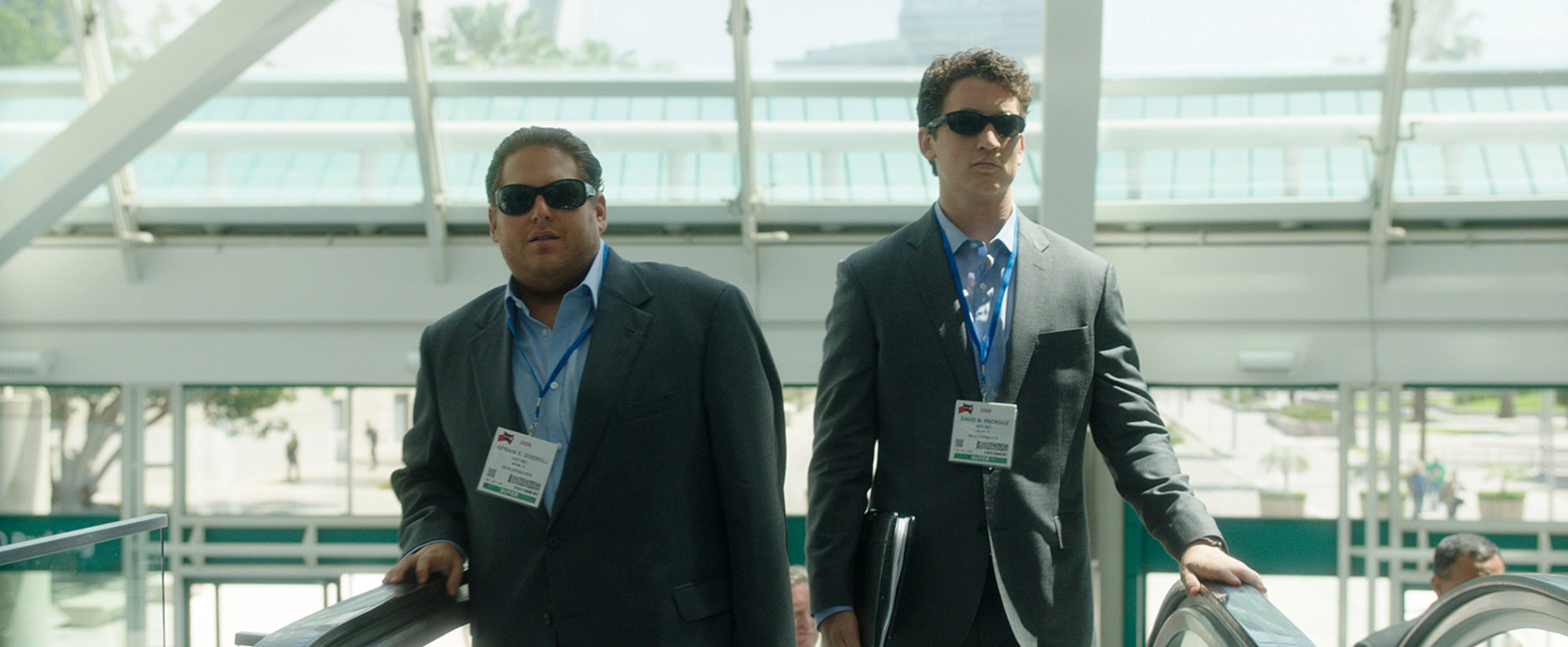
Based on the Rolling Stone article and true story by Guy Lawson, the film follows two friends, Efraim Diveroli (Hill) and David Packouz (Teller), in their early 20’s living in Miami during the Iraq War who exploit a little-known government initiative that allows small businesses to bid on U.S. Military contracts. Starting small, they begin raking in big money and are living the high life. But the pair gets in over their heads when they land a $300 million deal to arm the Afghan Military—a deal that puts them in business with some very shady people, not the least of which turns out to be the U.S. Government.
During a press conference held at the Mandarin Hotel in NY, Phillips, Hill, Teller and Lawson spoke about their roles in the film and having this story come to the big screen.

How did you discover these guys, these two twenty-something international arms dealers? And for the rest of the people up in the stage, what made you guys want to tell this story, why did you guys think, “I need to be involved with this”?
Guy Lawson: This story was hiding on the front page of the New York Times. It was above the banner, in the front page with a picture of this cracked up ammunition and these two dudes who had supposedly scammed The Pentagon and lied and cheated their way to 300 million dollar contract, and I read the article and I thought, “That just doesn’t sound right.” I don’t know if you experience that as journalists very often but I do, so I tracked the story, and the short version of this is that I met with my editors and I said, “What do you guys want me to write about now?” because I had been covering the Mexican wars forever, and they said, “Find stories about young people doing fucked up things” and this was it! So I went to David Packouz and he agreed to talk to me, and I went from there. So that’s how I found it. Don’t trust the news.
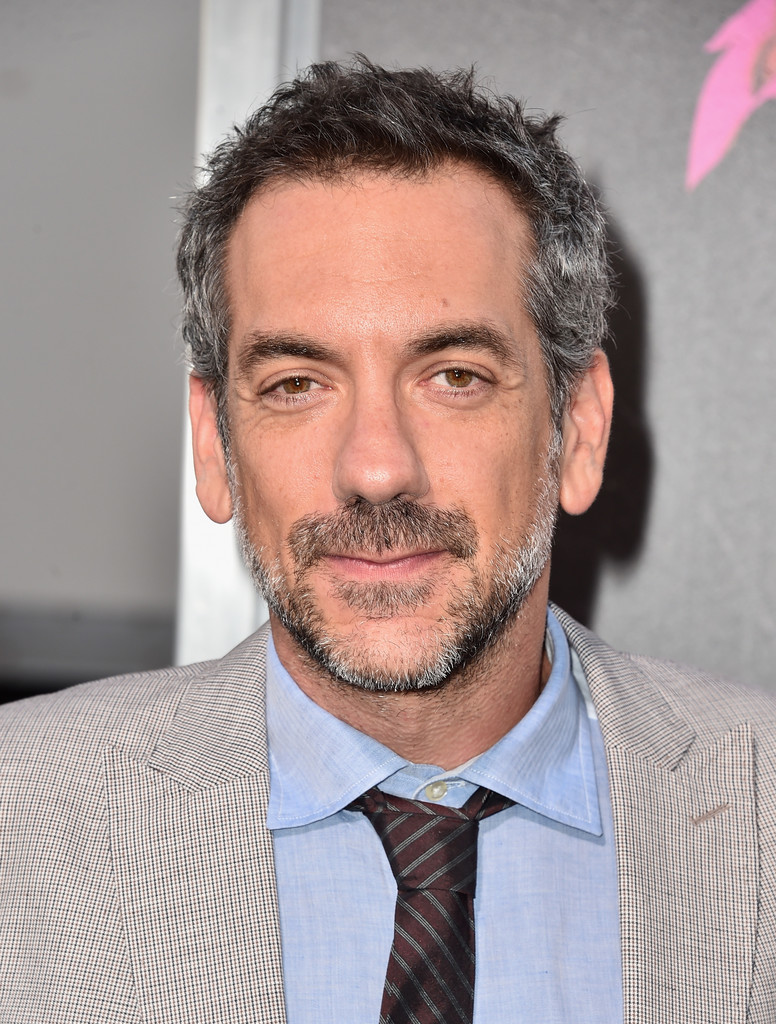
Todd Phillips: For me, I like to make movies about guys who do fucked up things [Laughs]. No, but I read the Rolling Stone article, I don’t subscribe to the New York Times, but when I read Guy’s article the thing really that attracted me to it the most was the idea that it was a real story. I read it and I couldn’t believe that it was real, and sometimes you read an article and you go, “Oh, this feels like a movie” and you kind of look into it a little bit, you unwind it and you go, “You know what? This is actually meant to be an article, it’s not a movie.” But the more we looked into Guy’s article and looked into the story and kind of unwound it, it just became more and more of a movie. But again, the thing that appealed to me most is the idea that it was based on a real story, because if you handed me that screenplay, the same thing, and said, “Here’s a movie” I think I would’ve said, “This is cool, these are kind of interesting characters doing fun stuff. But it’s so unbelievable, how do you make it more real?” So that was really interesting to me.
Jonah Hill: I read the article when How did you discover these guys, these two twenty-something international arms dealers? And for the rest of the people up in the stage, what made you guys want to tell this story, why did you guys think, “I need to be involved with this”?

Guy Lawson: This story was hiding on the front page of the New York Times. It was above the banner, in the front page with a picture of this cracked up ammunition and these two dudes who had supposedly scammed The Pentagon and lied and cheated their way to 300 million dollar contract, and I read the article and I thought, “That just doesn’t sound right.” I don’t know if you experience that as journalists very often but I do, so I tracked the story, and the short version of this is that I met with my editors and I said, “What do you guys want me to write about now?” because I had been covering the Mexican wars forever, and they said, “Find stories about young people doing fucked up things” and this was it! So I went to David Packouz and he agreed to talk to me, and I went from there. So that’s how I found it. Don’t trust the news.
Todd Phillips: For me, I like to make movies about guys who do fucked up things [Laughs]. No, but I read the Rolling Stone article, I don’t subscribe to the New York Times, but when I read Guy’s article the thing really that attracted me to it the most was the idea that it was a real story. I read it and I couldn’t believe that it was real, and sometimes you read an article and you go, “Oh, this feels like a movie” and you kind of look into it a little bit, you unwind it and you go, “You know what? This is actually meant to be an article, it’s not a movie.” But the more we looked into Guy’s article and looked into the story and kind of unwound it, it just became more and more of a movie. But again, the thing that appealed to me most is the idea that it was based on a real story, because if you handed me that screenplay, the same thing, and said, “Here’s a movie” I think I would’ve said, “This is cool, these are kind of interesting characters doing fun stuff. But it’s so unbelievable, how do you make it more real?” So that was really interesting to me.
Jonah Hill: I read the article when
Miles Teller: Yeah. That’s the next movie Todd’s doing.
Todd Phillips: Pretty similar.
Miles Teller: Yeah like a similar hustle.
Todd Phillips: When I was in NYU Film School I drove a taxi in New York for two years, I felt like I owned my own business with that little taxi.

Jonah Hill: I guess I kind of did this job so I would never have to start a business. But I’m actually prepping my first movie to direct, and Todd will know way more about this than I do, but it kind of feels like every time you’re directing a movie you’re kind of building a temporary business. You’re hiring all these heads of departments, and it definitely feels like I’m like a CEO of a very temporary company. So this is kind of my first experience with that, and it definitely feels a lot more like a CEO kind of starting a temporary business for the first time. You’re hiring these people and you’re giving them all this responsibility and stuff. That’s how I feel.
First of all, you buy into these characters immediately, so good job with that. Todd, my question to you is: what is your process so that you, a) don’t spawn copycats, and b) that you don’t get sent to Albania? Because it’s the kind of movie that young kids may take a liking to and want to set out to do the same thing.
Jonah Hill: I hope Todd gets sent to Albania.
Todd Phillips: I love traveling, I don’t mind. With spawn copycats meaning.
 Kids getting crazy notions and go off and set to do them.
Todd Phillips: I don’t think that’s a bad thing in this case. These guys really didn’t do anything wrong except being railroaded by the government, so I would think it’s actually kind of a cool thing if it instills entrepreneurship in young people. It’s not a movie about them dealing drugs, they’re not killing people, they ran a business, it’s a very valid business, they just ended up getting a bit railroaded in the end and made some bad decisions to kind of follow those things out. But no, I’m not worried about young people seeing an opportunity and taking advantage of it.
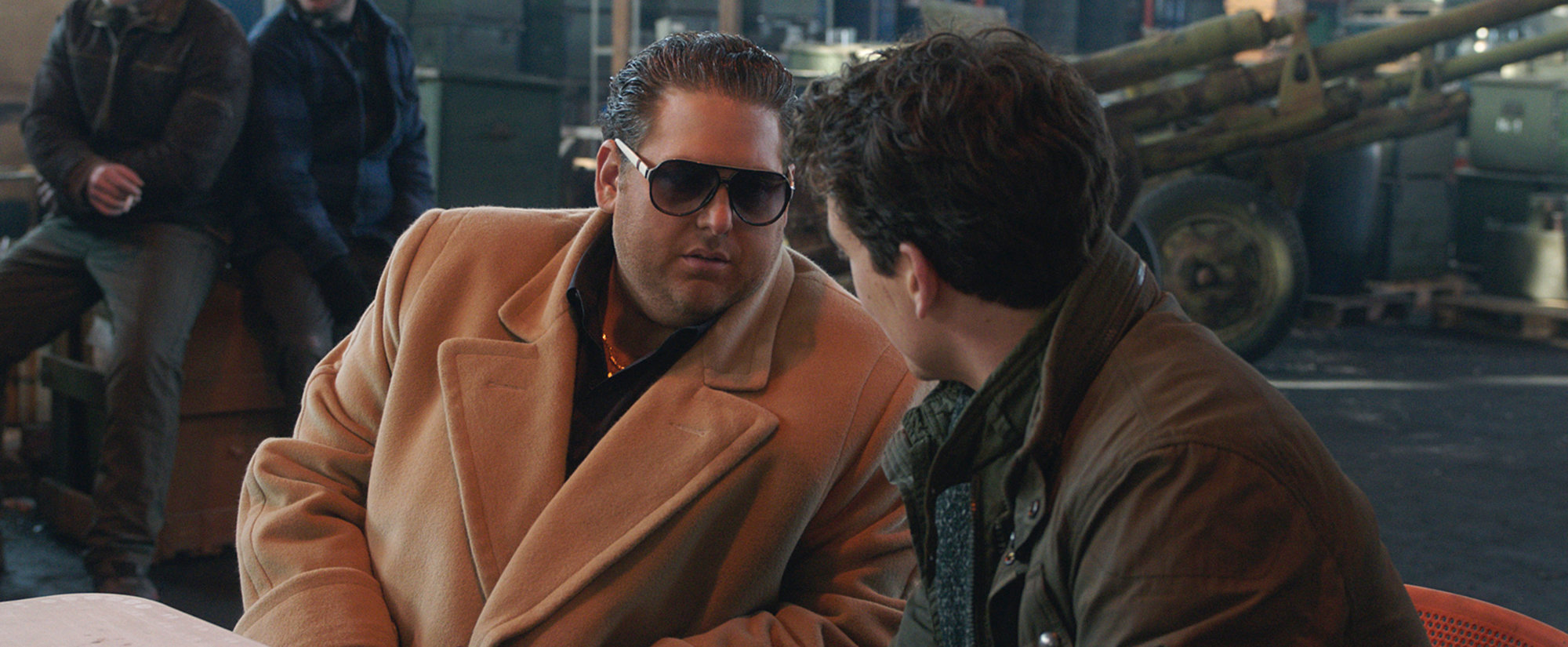
Guy Lawson: I can say something about that. This is really a millennial story in a lot of ways, these kids got their way into places that a generation ago could never have gotten, the internet, the disintermediation, and just the ballsiness of them. They don’t respect boundaries in the same way that prior generations do, so I see this –to Jonas’ point– as a lot about your generation and coming of age and how much disruption is occurring.
Guy, since you emerged yourself as a writer in this whole experience, how do you feel when you see the movie on the screen, what do you hope it conveys to audiences, and what do you feel it says about the situation in the world today?
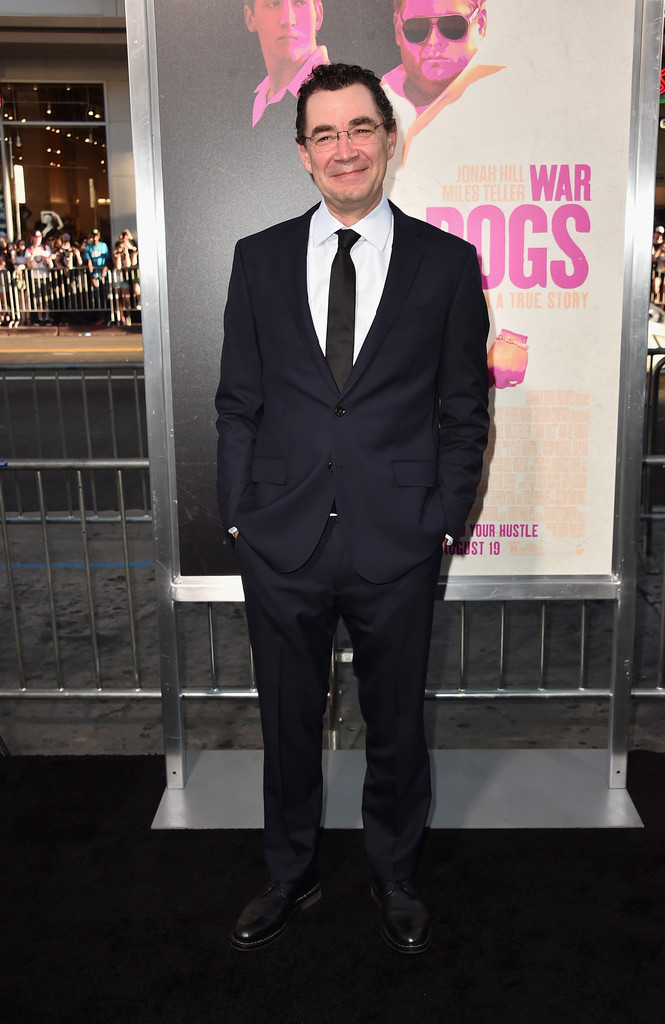
Guy Lawson: It’s a strange experience watching your work emerge on screen, because at one time I know exactly what’s gonna happened next and then I have no idea what’s gonna happen next, so it’s very exciting in that way. I was surprised and pleased by how much journalism is in the movie, how much Todd and the team are bringing –You know, I wanted more, I wanted it to be a documentary, because I’m a journalist, but it’s gotta be a movie. But there’s a lot of important issues being brought to the world about America’s role in proliferating weapons, about the lack of responsibility of anyone in authority in this country, you have the torture program, that NSA surveillance is Edward Snowden’s fault, just like proliferation of weapons is these kids’ fault. It’s ridiculous, there’s never any consequences, there’s never any lessons learned. So to the extent of this movie, the book –There’s a book as well, it’s not just an article, I’d love to emphasize that because I’d like to sell some books. But the book and the article are a take on The Pentagon, the Department of Justice, Department of State, the New York Times, the Federal Judge, and on and on. There’s no movie like this out there, so I think this is a bright moment for journalism, again it’s not a documentary, but it takes on serious issues in a serious way.
What was the most interesting location for the film, there are so many locations, what does shooting in locations bring to the film?

Todd Phillips: I felt going on location. Always, we shoot as much as possible in real locations, in real countries, in cities, and I always feel like what it brings is a sense of chaos, because you’re landing in Morocco, you’re shooting the next day, half the crew is jet-lagged, and then there’s a real chaotic sensibility to that which always finds its way into the movie which I think is really invaluable and hard to act on a sound stage in L.A. So, we were in Jordan, we were in Morocco, we were in Romania, Miami, Las Vegas, in L.A. a little. So to me it’s just that idea of bouncing around just kind of creates this chaos, but for me the best place was probably Morocco, I don’t know if you’ve been there, but we shot in Casablanca and Rabat, and I just personally love going to those countries and just filming on the ground and going.
For Jonah and Miles, did you two have the opportunity to get together before you actually started shooting and maybe work out what your characters were gonna be like without Todd around and maybe surprise him, add something funny, add something more serious; was there time to do that?

Jonah Hill: No. Miles was coming straight from another film. I got a lot of time with Todd to kind of work on Efraim because I just take more time between movies now, but what was interesting was these are two people who were really close but haven’t seen each other for a long, long period of time, so in the movie when they meet one another they’re reacquainting themselves with each other because they have this history. But Miles came over to my house and we got to hang out and get to know each other, but I think we got to really bond because we started the movie in Romania and it was just really the three of us in Romania and not in like an English-speaking country or anything, so you really get to become close kind of quick and get to know each other really quickly.
Miles, anything to add to that?
Miles Teller: That’s all true. Yeah, usually in a movie you get around like a week or two weeks to rehearse and get to know the person, but I was wrapped up in something. But yeah, you bond when you’re just waking up at 2am in a country where you don’t know anybody and you don’t know anything.
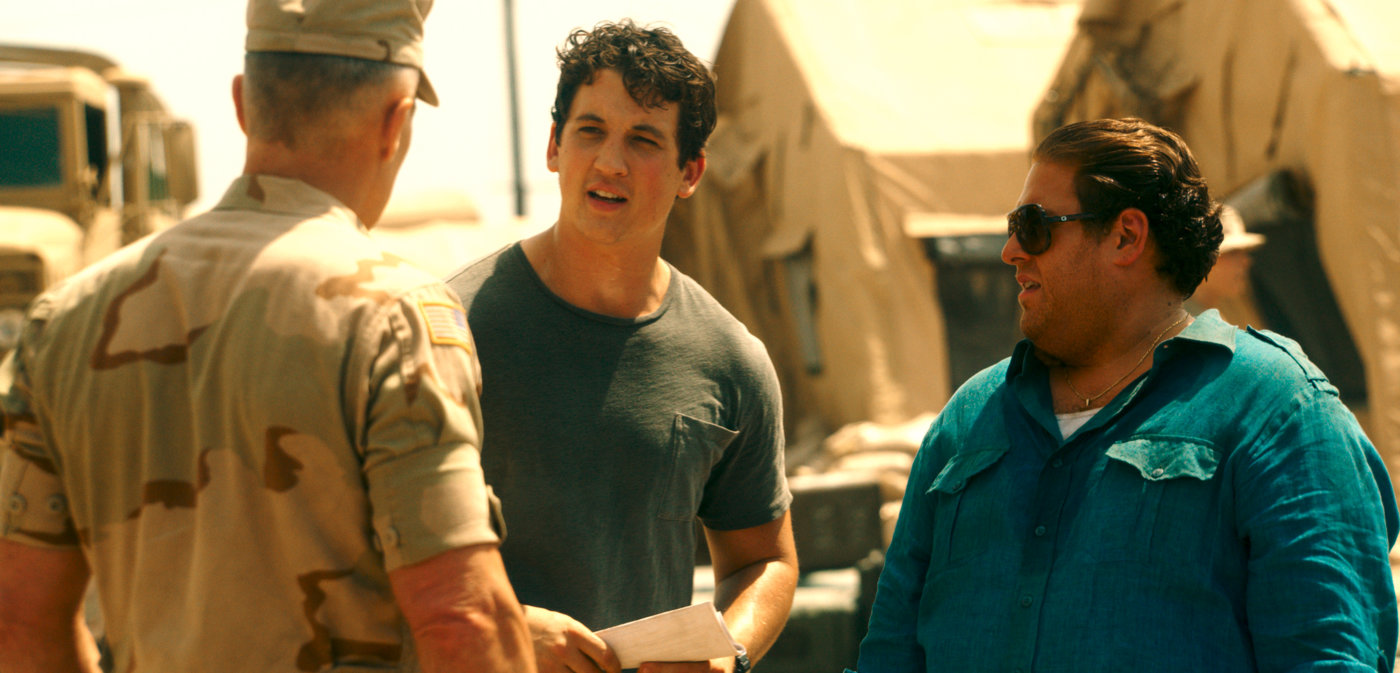
Todd, the Hangover movies were immensely popular, after that how did you think about your career in terms of what you were gonna do next, were you specifically looking for something a little bit more serious?
Todd Phillips: I wasn’t really, I just stumbled on the story, funny enough I read that Rolling Stone article when I was flying to Bangkok on Hangover 2 for something. It wasn’t like a conscious decision where I thought, “Oh I want to make an evolution in this direction”, it was just a story that appealed to me, but it’s definitely tonally different than the movies I’ve done before in that it’s dramatic and comedic and it mirrors real life more. In that I feel like, how many days do you have that are just purely dramatic? How many days do you have that are just purely comedic? It’s usually a combination and I think that’s what real life feels like. My movies before tend to be just funny. But it wasn’t a conscious thing I was looking for at all.

For Jonah and Miles, can you talk about the challenges and the approach to getting into the heads of these characters? Especially your character, Jonah, has a lot of flaws, is that a different process than some other movies that you’ve made?
Jonah Hill: Yeah. Fortunately I’ve played a good amount of characters now with some pretty deep, deep flaws. But I would say I wasn’t that fun a lot of the times to this character though it might really seem like it. I remember we were in Romania and I was just really bummed out and I told Todd like, “I’m just sad playing this guy right now” and he’s like, “But he’s such a great character” He’s like, “It’s such a big character” and I was like, “It’s just hard when you’re someone who’s like hurting a lot of people or deceiving people who trust you, not to bring some of that home with you or inside of you.” Because he’s so fun on the outside but he’s really covering up these bad things that he’s doing, so I definitely felt that while I was doing it. But again, just a great character, I think, and for me a great challenge.
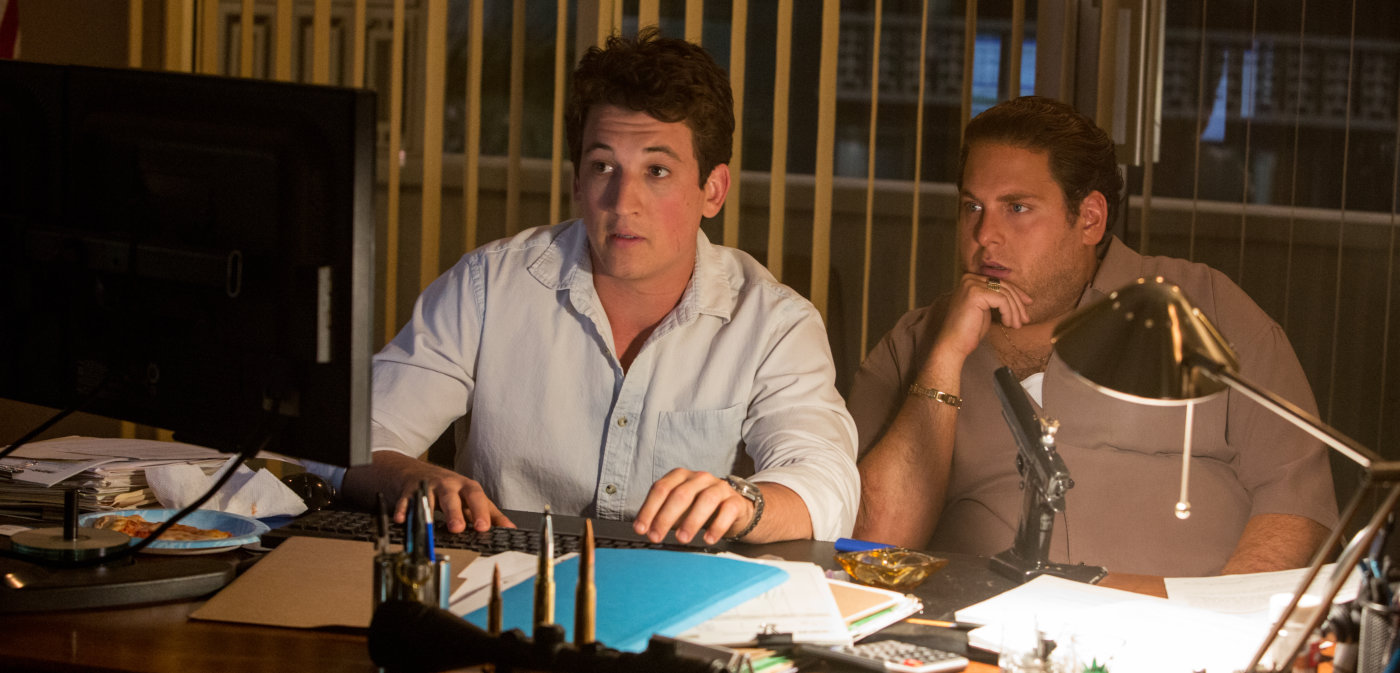
Miles Teller: With David he doesn’t come into this situation –When the movie starts he’s completely unaware of what this business model is with this formula or how to even go about doing it, and David kind of acts like the audience in a way, so as Efraim is explaining to David the audience is beginning to understand the infrastructure of what these guys are gonna do. So he starts out the movie pretty aimless and directionless and to me that didn’t seem all that long ago. I was just really interested in the dynamic between David and Efraim and what that friendship was.
Jonah and Miles, they say that fact is stranger than fiction, would you say this is the strangest story you have done that is true?
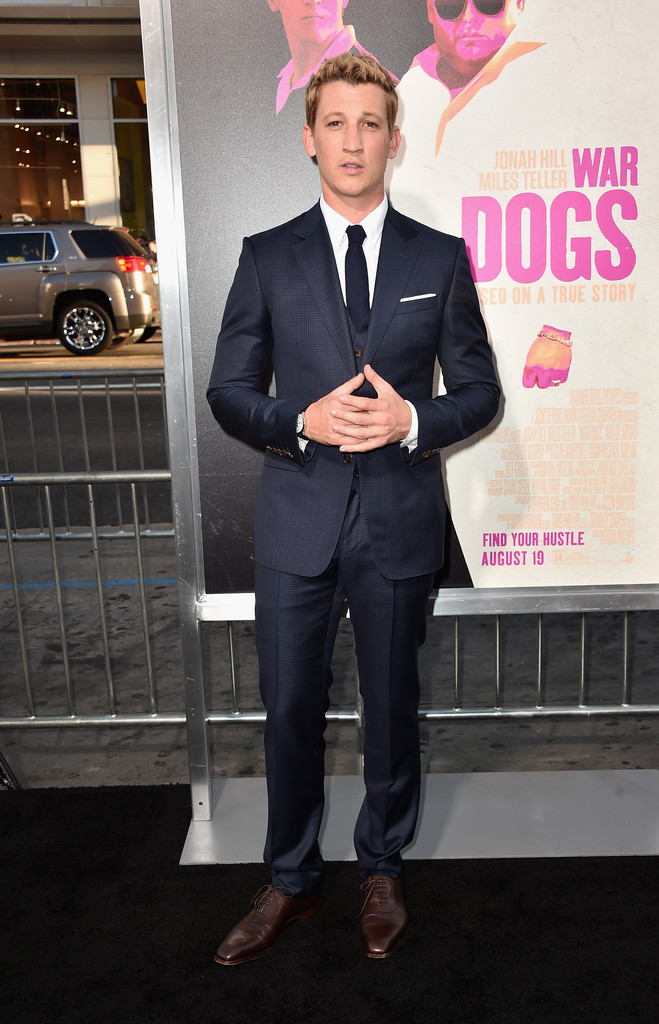
Miles Teller: It’s up there, for sure.
Jonah Hill: Yeah. I mostly like documentaries, so I always think things that happened in real life are so astounding that why would you make a movie about something fake. I don’t watch like Sci-fi or things like that, I’m always more like real life is so endlessly fascinating to me. But I guess what’s interesting is that like Moneyball, Wolf of Wall Street, or this movie; they all kind of feature people finding an angle on something new, that’s the little ember of each one of those stories, they’re finding new ways into something.
Todd Phillips: Like a loophole.
Jonah Hill: Like a loophole or some sort of unseen avenue to get into something or make something important. Now, in Moneyball it’s like a positive thing, in Wolf of Wall Street I think it’s a very negative thing, and in this movie it’s kind of a very ambiguous thing. They’re not breaking the law until they do, but like you said, your conversation about copycats was really interesting to me because if the government says it’s legal, is it ok to do? And that’s for everyone individually to kind of decide, and that’s what I found really interesting about this movie.
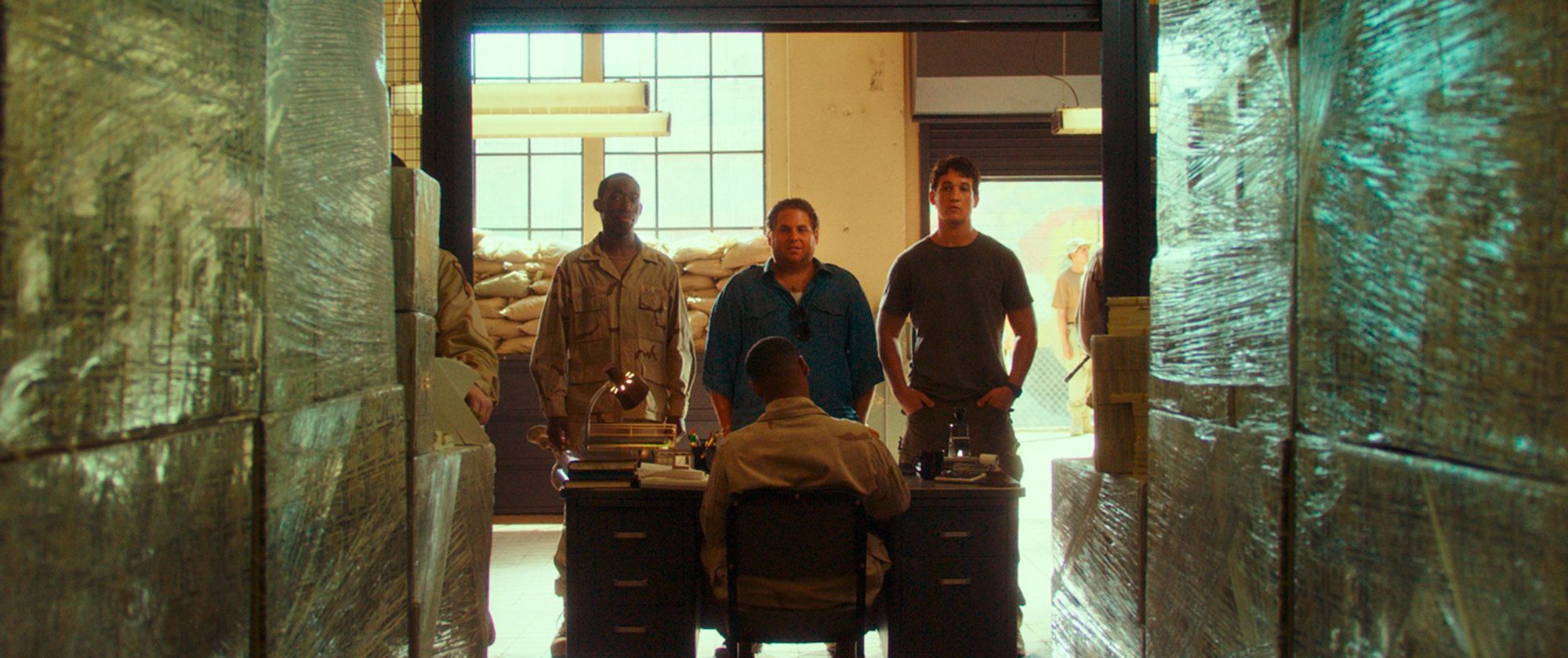
Miles Teller: Just to add onto that, I think if anybody is making a movie about your life something pretty incredible had to happen And I’ve had the experience to play a couple of real-life guys and every single one of those stories is absolutely insane. This one is more relatable I guess because I was a 22-year-old stoner, that’s why my dad sent me the article and said, “You gotta tell Todd to put you in this movie.” But yeah, it’s pretty insane.
Has the experience of making this film changed the way you look at the world at all, and also did you have any interaction at all with the real guys?

Jonah Hill: I guess it’s only changed my perception because what initially interested me was war as a business, I’m not very political, I don’t pay close attention. I’ll read random articles in the [New York] Times or something like that but I’m not a highly political person that follows every moment of that. So for me it was just an eye-opening experience about war as a business and the things our government does, but I wouldn’t say it’s changed my world very much, maybe just illuminated me certain things.

We met David. I was at a restaurant this week and two young men that were dressed similar to these guys in their heyday of financial wealth came up to me and said, “We’re South African arms dealers and we can’t wait to see your movie” and they gave me a fist bump and I like didn’t want to fist bump them. And I had this a lot with Wolf of Wall Street with a lot of stock market people come up to me all the time, and they don’t see that I’m maybe displaying. It’s not full support by playing the character, you know what I mean? And my friends that I was with were like, “Wow, that’s really bizarre and that’s really interesting” and I tried to ask them more about their business and they immediately deflected to not talk about it. But I’ll say it changes your world in that way, where maybe if you play somebody in a certain world people sometimes misinterpret that it’s a support of that world or that occupation or something. So that’s bet interesting, and I bet you it will continue to be interesting in my travels. People who are just in a restaurant that you would never know are international arms dealers is kind of interesting, they’re at the table next to you and you have no idea, you never know what everyone’s up to.

Miles Teller: Yeah, David was on set, he’s got a small cameo in the film, he’s the guy playing the guitar in the retirement home with the owner saying, “Don’t fear the reaper” to a hunch of nine-year-olds, which was Todd’s idea and was pretty funny. So I got to talk to him a little bit, I just thought that was interesting because our movie ends but still something of that size will have a huge rippling effect and these are real people so it’s just interesting to see that it’s still going on, there’s still a lot of conversations that are being had. For me wars never –It was interesting to see it as a kind of business model and the fact that people were actually profiting off it, but some of my best friends are in the military so for me I always look at those things on a more personal level, I look at the people that it’s affecting and not so much globally.
The marketing seems to kind of pitch a lot of the Middle East parts of the movie, and this year there have been a lot of Middle East comedies, but this movie has a lot more than that. Why people would want to see a movie like this when they can see those movies?

Todd Phillips: Yeah. I don’t know what the question is. But the idea is that when you’re putting a movie like this out in the summer, which is ultimately what’s happening, you need to make a little noise with it, you need to kind of –The first material that was out I thought which was sort of to make a little noise that there was a movie called War Dogs, because it’s not The Hangover 2 or 22 Jump Street where people are waiting for it. Then I think with the later stuff we put out in terms of TV we were doing a pretty good job of capturing the tone of the movie, which I think is the most effective way to market a movie. But again, there’s a lot of people involved at Warner Bros. with marketing, it’s not just us up here coming up with ideas. So what was the question?
You have a movie that is different from those other movies, but how do you convince audiences of that?
Todd Phillips: Personally I feel like we’re doing a pretty good job with it, certainly with the TV spots that have been running, but we’ll see.
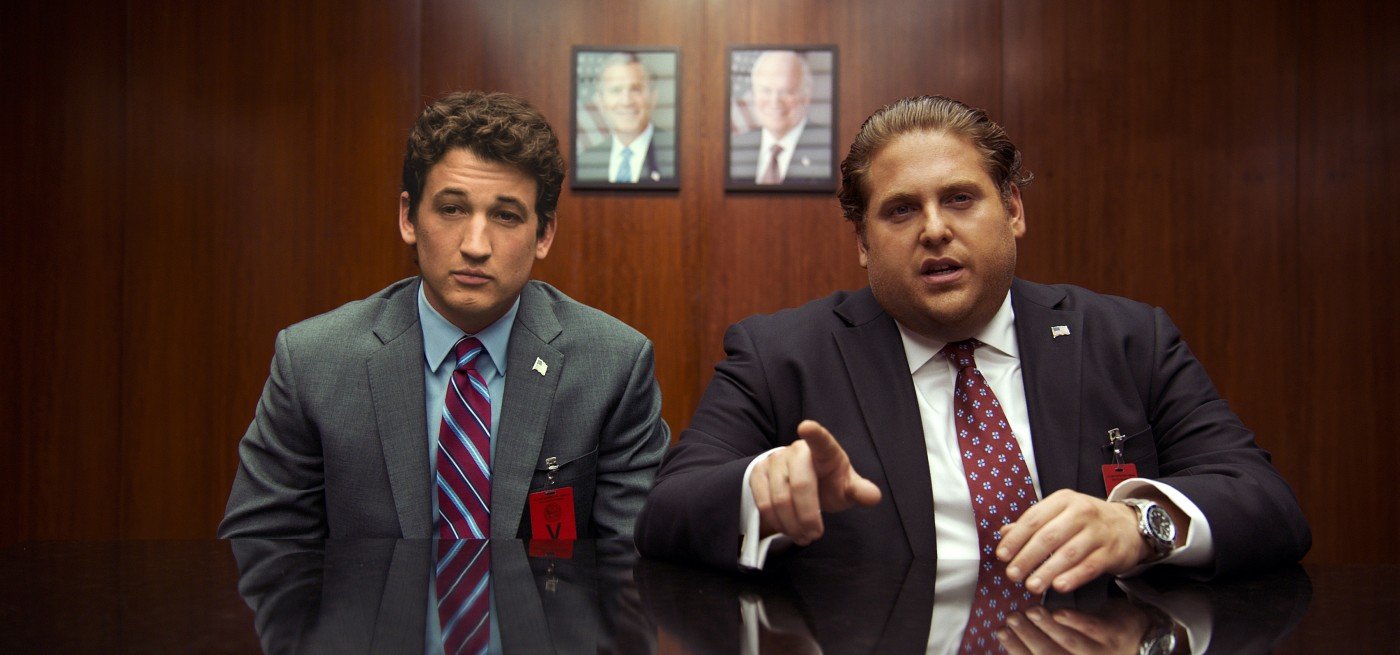
Were you surprised it’s a summer movie rather than a fall?
Todd Phillips: Yeah, we went back-and-forth and that’s ultimately a Warner Bros. decision, when they date movies, and that has a lot to do with other movies that they have not just our movie. But I’ve been asked that a lot and we’ll see. I feel like movies when they work they’ll find an audience, hopefully, you can look at history and go, “Oh yeah, that weekend worked, that weekend worked” every weekend in history has worked for movies if the movie connects, but it’s about getting the word out in the middle of the summer, so you’re right.
Jonah, I wanted to ask you one quick thing, what’s going on with your movie?
Jonah Hill: It’s in pre-production and it’s called Mid ‘90s, we shoot in February, Scott Rudin and Eli Bush are producing it.

So you got no one involved.
Jonah Hill: Exactly. I can’t announce any of the cast yet unfortunately but I’m really excited.
Are you gonna act in it or just direct?
Jonah Hill: No I’m not in it, and it’s sort of like a coming of age drama. It’s the most boring elevator pitch in the world but it takes place in a skateboarding scene in the mid ‘90s in L.A.
It hasn’t been covered that much.
Jonah Hill: Yeah skateboarding has always been put onscreen as a joke or an ‘80s “cowabunga” kind of trope, and it’s more in the tone of like Kids or This is England, those are the movies I’ve been influenced by the most.
War Dogs will be released by Warner Bros. Pictures in theaters on August 19.