
CarrieBy Wilson Morales

In some ways, Hollywood’s fascination with remaking horror films makes the predecessor looks better year and year, since the reboot almost never lives up to up expectations. While some end up doing well at the box office, they don’t or won’t carry the same cult classic status.
Stephen King’s “Carrie,” which became Brian De Palma’s 1976 breakout out hit, was meant to be remade. After all, it’s a horror film set for teenagers. It made De Palma a household name and brought Oscar nominations, for its lead and supporting stars, Sissy Spacek and Piper Laurie.
With ‘Boys Don’t Cry’ director Kimberly Pierce at the helm for this modern take, she does an solid job at bringing the intensity and creepiness that the original presented, but lets the house of cards come down once we get to the climatic and final act.
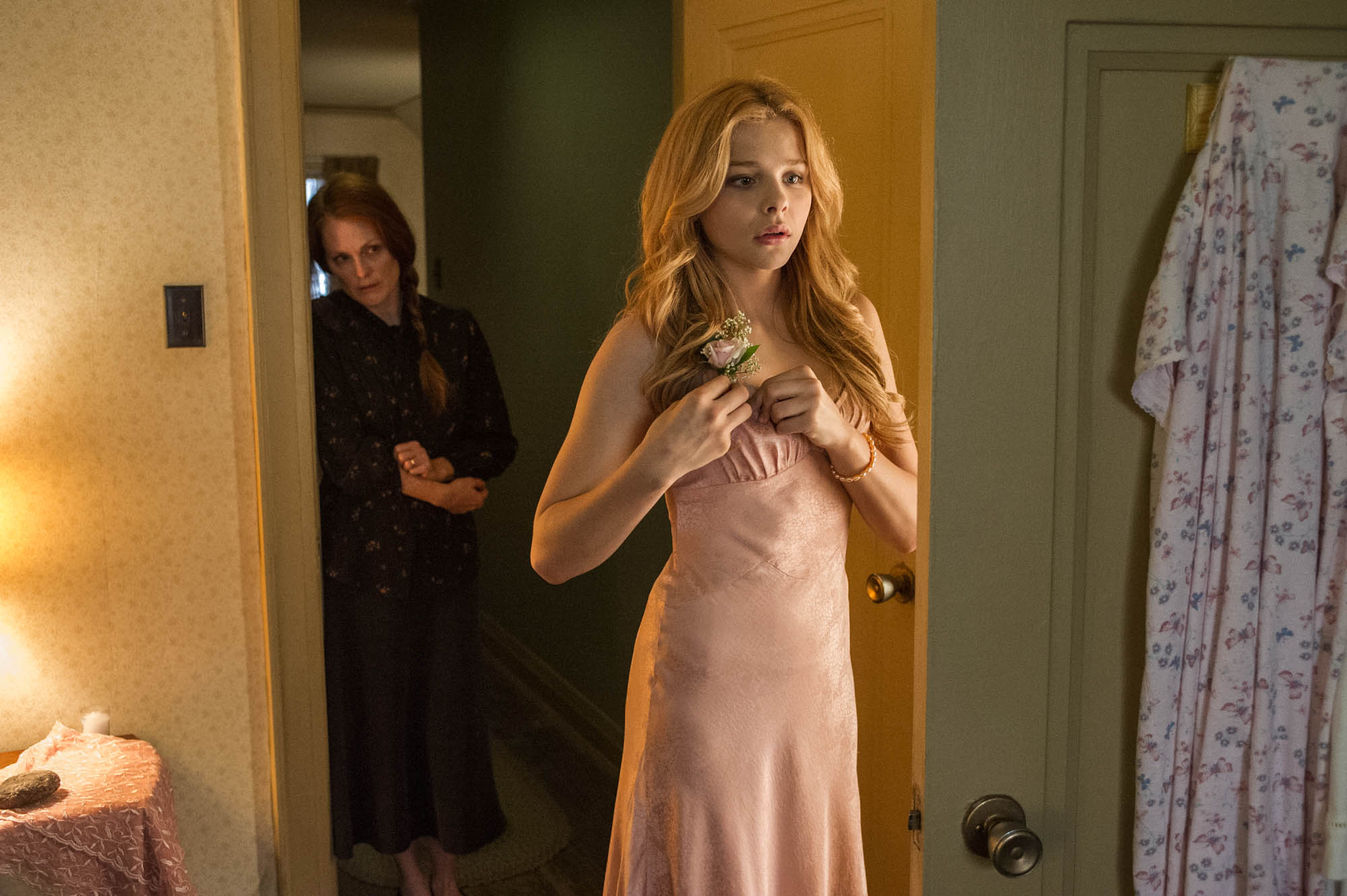
Chloe Grace Moretz and Julianne Moore play Carrie White and her mom Margaret to an effective degree. As the teenage introvert who has been kept at bay from society from her superstitious religious mom. As Carrie tries to settle quietly in school, but is constantly harass by her classmates. Led by troublemaker Chris (Portia Doubleday), Carrie’s first entrance with adulthood is met with ridicule and torture. With the help and protection of Ms. Desjardins (Judy Greer), Carrie gains her grip of reality, but the mental abuse continues at home with her maniac mom locking her in the closet at times to pray.
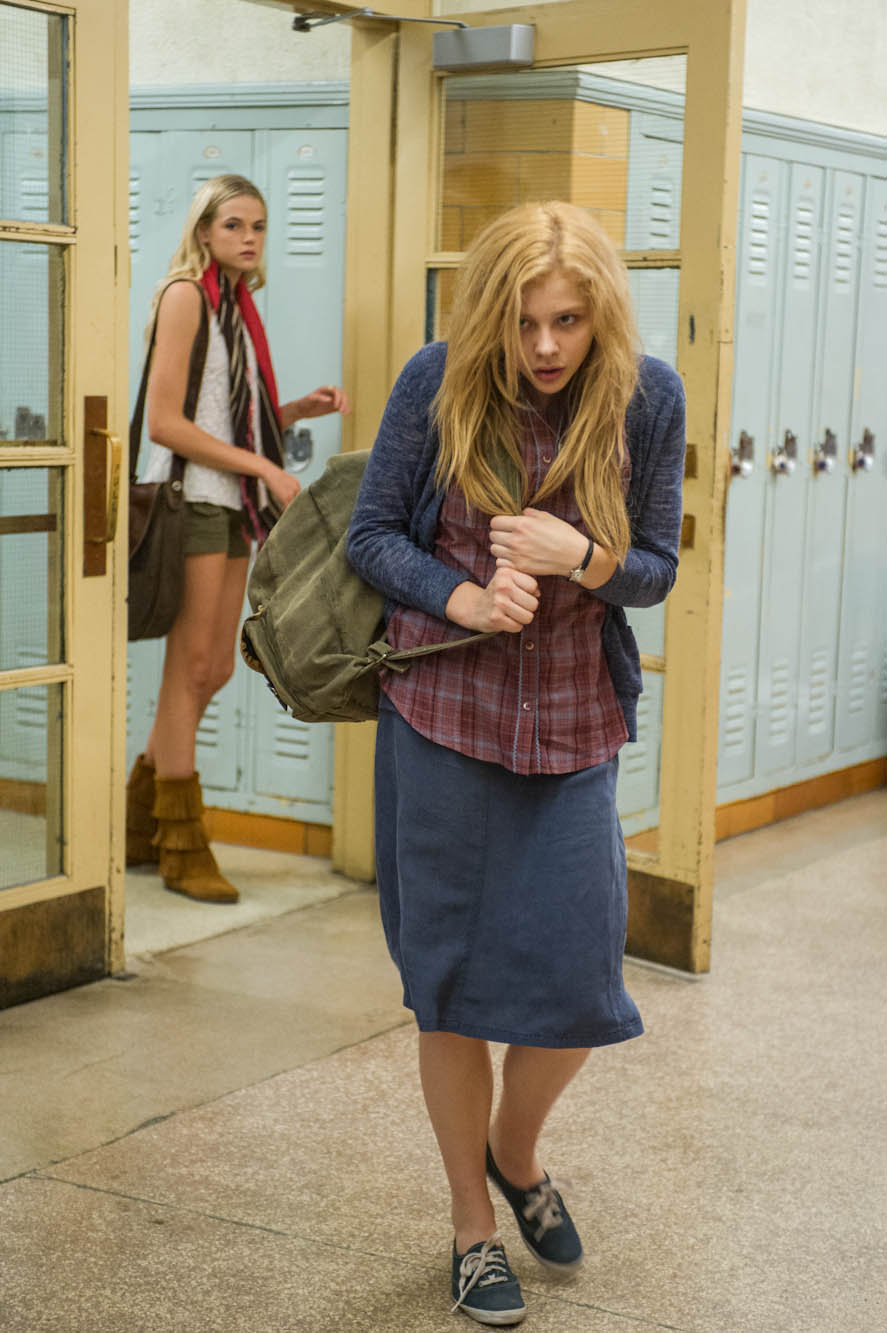
With Chris’s BFF Sue (Gabriella Wilde) feeling sorry for her actions, she convinces her boyfriend Tommy (Ansel Englort) to take Carrie to the school prom to make her feel at ease and give her at least one night of happiness.
As Carrie begins to realize she’s developing telekinetic powers, and her confidence starting to grow, there isn’t much Margaret can do to save Carrie from what she believes is destruction coming ahead. With Chris hellbent on inflicting more bullying and Carrie’s self-assurance growing stronger, it all comes down to a boiling point at the prom.

One of the dangers of seeing a remake, especially with a classic film, is that you know where the last act is ahead; so that takes a lot of the suspense away. De Palma’s version was intense and frightening with its slow motion takes and visual display. Along with the great work given by Spacek and Laurie, they were aided by the likes of Amy Irving, Betty Buckley, Nancy Allen, William Katt, and John Travolta.
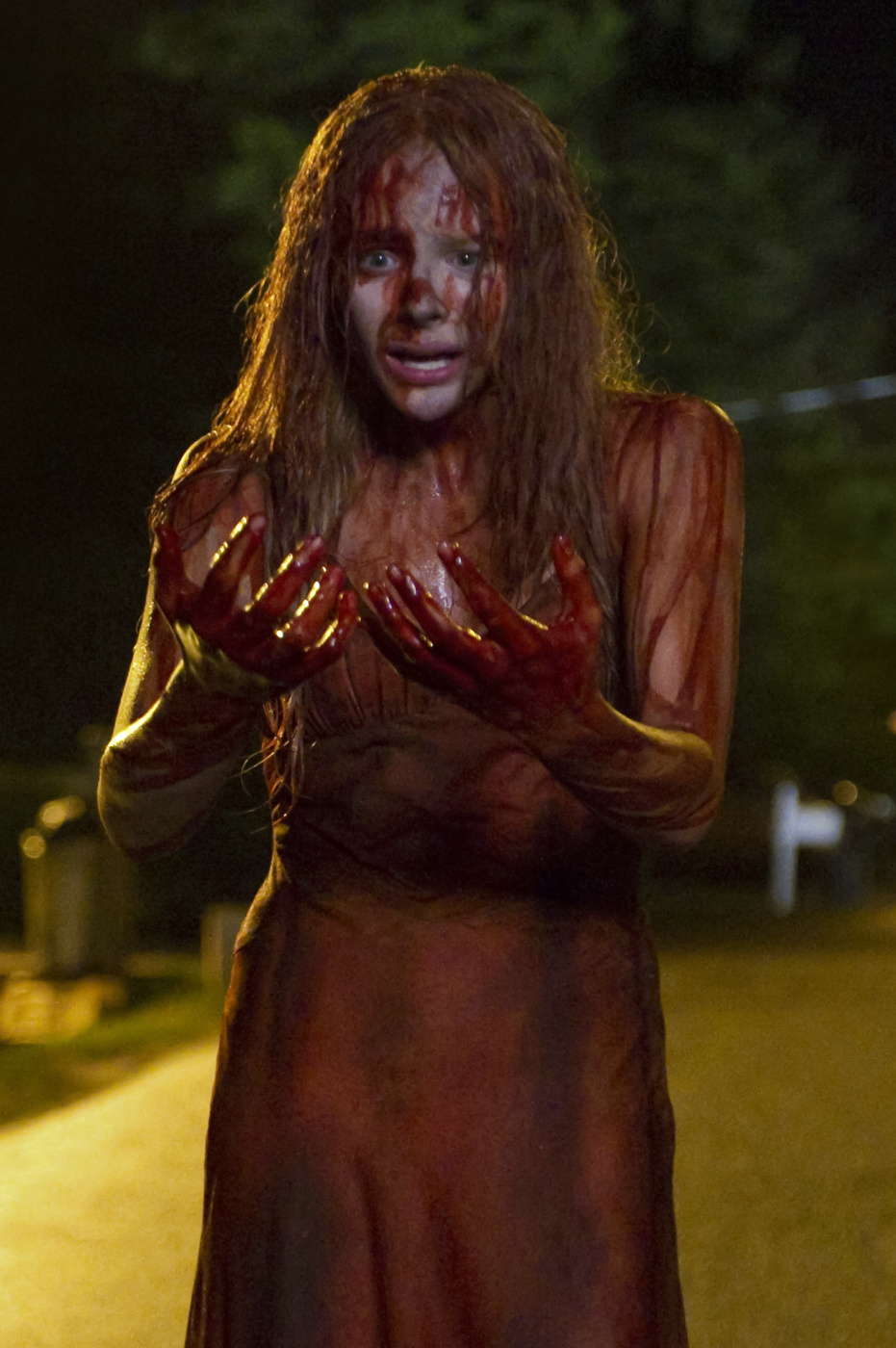
Screenwriters Lawrence D. Cohen and Roberto Aguirre-Sacasa have updated this version to modern times with references to cell phones and Tim Tebow, and Pierce does a fair take on the remake without having to do shot-by-shot sequences. Moretz is no stranger to the horror or remake genre, having done ‘Let Me In’ and ‘Dark Shadows,’ and does a credible job at playing this shy girl unaware of her abilities. Moore is more creepy with her actions, which works best than compete with the nuttiness that Laurie displayed in the original. Of the supporting cast, Judy Greer is terrific. The script and direction begin to fall through the cracks when the tone of the film shifts from being a horror film to a revenge film. It becomes a quest for power. Who has it and who wants it. Whether it’s between Chris-Carrie or Carrie-Margaret, having Carrie be more intelligent in this film takes away the delusional state that was shown in the original by Spacek. Forthcoming scenes are calculated than reactionary, and rather than being terrified by the last act, one could see where things were ahead.
In the end, while this updated remake may bring in a new audience, it offers little surprises, little effect, and pales in comparison to the original.