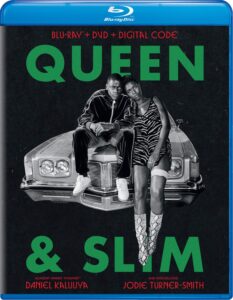
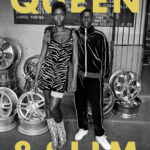
Already available On Digital (2/18) and now on 4K, Blu-ray and DVD is the romance drama “Queen & Slim,” which was directed by Melina Matsoukas from a script written by Emmy Award winner Lena Waithe. Released by Universal Pictures, the film stars Academy Award nominee Daniel Kaluuya (Get Out) and Jodie Turner-Smith.
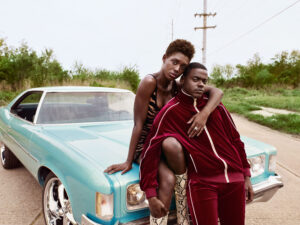
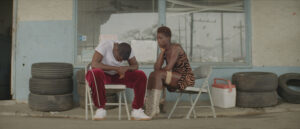
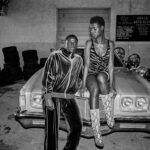
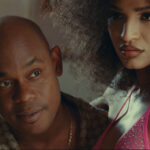
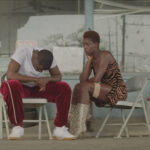
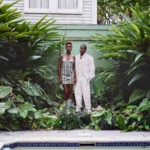
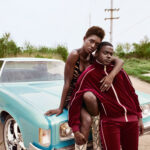
While on a forgettable first date together in Ohio, a black man (Get Out’s Daniel Kaluuya) and a black woman (Jodie Turner-Smith, in her first starring feature-film role), are pulled over for a minor traffic infraction. The situation escalates, with sudden and tragic results, when the man kills the police officer in self-defense. Terrified and in fear for their lives, the man, a retail employee, and the woman, a criminal defense lawyer, are forced to go on the run. But the incident is captured on video and goes viral, and the couple unwittingly become a symbol of trauma, terror, grief and pain for people across the country.
For Matsoukas, she and Waithe have a winning combination when working together. She directed “Master of None’s” “Thanksgiving” episode, which Waithe wrote the script and won an Emmy for the episode. Her previous work also includes directing episodes of Issa Rae’s Insecure and several music videos that include Beyonce and Rihanna.
Blackfilm.com caught up with Matsoukas to talk about the home release of the film and what she learned in the process of doing her first feature.

What are we expecting to see that wasn’t on the big screen? Are we getting any deleted scenes?
Melina Matsoukas: You are getting some great additions. You’re getting me and Lena giving you a deeper look into Queen & Slim. We did an incredible commentary that really highlights the blood, sweat and tears we put into the making of the film and also our collaborative relationship. It’s also pretty entertaining because together we are entertaining. You’re getting the commentary on how the film came to fruition. And our battles and our love and our vision. There’s also a couple other bits that you get like some BTS footage, which we call “On the run with Queen & Slim,” were we both described the shooting process as we were on location and some of the locations as well. You also get Lena reading part of the script in one of these other videos, which I think is really interesting. You get to see how something goes from the page to the screen and how it’s translated. So that was really interesting as well.
Was there a challenge on how the film would end or was it always that way with no other ideas?
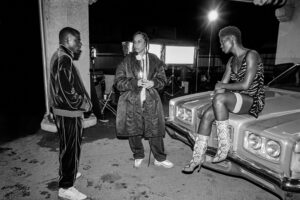
Melina Matsoukas: The challenge was that we needed to be honest. It always ended the same. There was never a question about that for neither Lena nor I. We really wanted to honor those who have lost their lives of police brutality and it felt like we would be doing ourselves and the world a disservice had we chosen a different ending. That was destined. I really like to create art that speaks authenticity, and reality. I believe deeply in the power of cinema to reflect the times, and I wanted to do that. Both honestly and truly. And so the only challenge was that Lena had written the ending a bit differently. I wanted it to be a little more complicated. So I’m always really good at giving her my issues, but not the solutions but she’s great at translating my needs. She went back and came up with the ending that she did. I remember reading it and I was so moved by the page, and I knew that that was the right way to go for both of us.
This film was the first time for Lena as a screenwriter, and for you as a director doing a film studio film. What did you learn in the process?
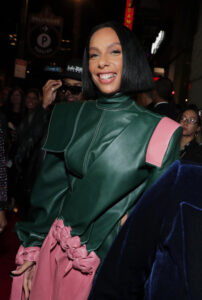
Melina Matsoukas: Well, thankfully, our studio was Brad Weston’s Makeready. So we were really blessed in that we were able to move as an independent film with a distribution of a studio movie. When we went out with the script both Lena and I produce the film, and we were looking for financing, we had some demands, and that was that we have total control of the film. That we were in charge of any notes or changes that would happen to the script, but that we were happy with where it was. That we also have final cut. So thankfully, we were really able to control the narrative. That’s why it feels so raw and unfiltered because they weren’t making changes to telling the story. It speaks to the authenticity of this film. Thankfully, we had a support of Makeready, who financed and produced our film and also the studio.
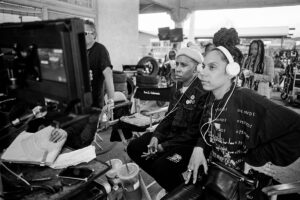
They have a deal with Universal and Donna Langley is incredible supportive both Lena and I and wanted to make sure that the film spoke truly to both of our artistry. I feel that it did. What I learned in the end was that as a director you also have to sell your film and the marketing aspects of it. So it was really important to me that even our marketing and the way that we put in the art surrounding the film and the trailers, they all spoke to what the film was about and our narrative and also who I am as an artist, and having control of that, which I didn’t really expect. I didn’t realize that there’s so many stories that go on to the selling of the film as well. That was really a learning process and I found a lot of joy in that aspect and creativity as well and a lot of support. I think it was a struggle and that I wanted to I really wanted to control the narrative and I was able to do so thankfully, with the support of the studio.
Once the movie was done and in theaters, did you read any of the responses from reviews or social Was it be reviews or Twitter responses?
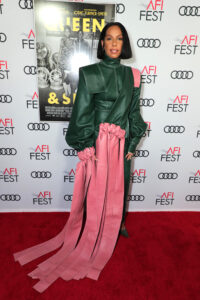
Melina Matsoukas: Yes, I did read some of it. Obviously, we got a lot of great critical acclaim and we got a lot of support from our community. I think that the characters resonated with people deeply and they connect with them. So some people didn’t agree with our ending or some characters or the representation of some of our community. But I really appreciate and enjoy that criticism because I feel that the purpose of art is to move and impact people and to create that exact dialogue. That’s what we did and I think that that just is a real testament to the success of the film, and that had such an effect on people and they were moved by the work, whether they agree with it or not. They were really deeply impacted. That really is the greatest gift that I could ask as an artist, is that my work be effective and impactful.
Do you have anything planned next?
Melina Matsoukas: I don’t know. I am developing two projects. I’m developing a TV series based on a book called The Brief History of Seven Killings with Netflix. That has been my passion project for the past couple years. We’re really early stages in the pilot episode. I’m also working and developing a script on an incredible African legend. So they’re two really, really, honestly big projects and I want to make sure that they have the attention and development and focus that they need. That’s what I’m concentrating on now, giving them my attention fully. Hopefully those two will come to fruition in the next year. But honestly, though, it will happen when they are right.
Exclusive Featurette





Loading…