
Exclusive: NYFF 2014 Tyler Perry Talks ‘Gone Girl’, OWN, and Fatherhoodby Wilson Morales
October 1, 2014
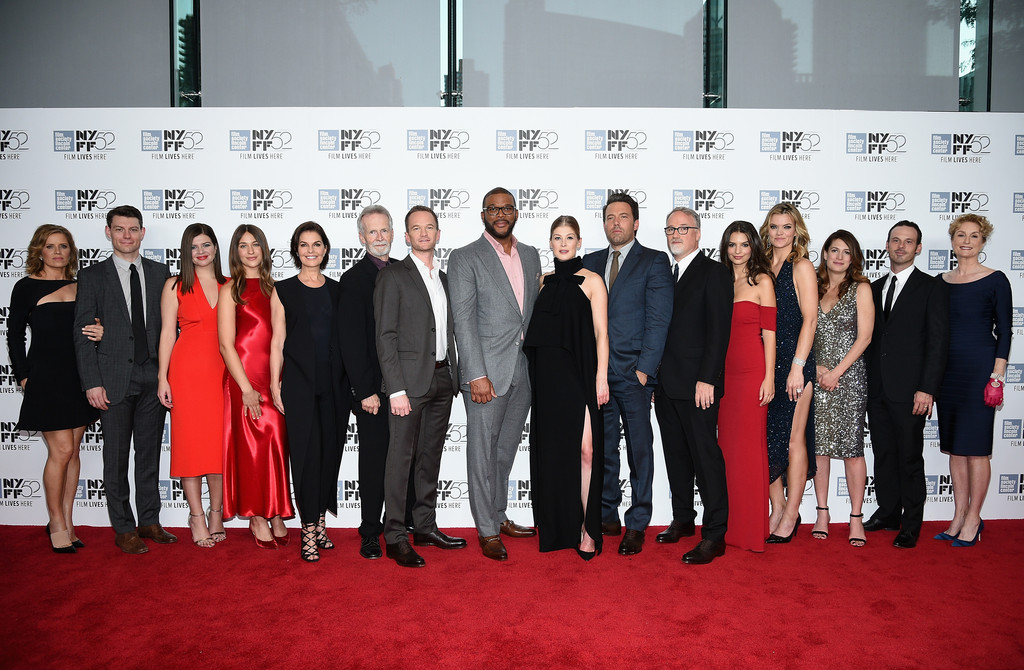
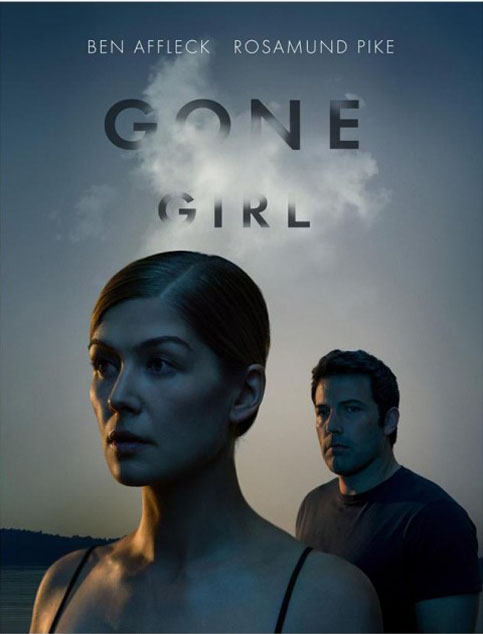 Opening up the 52nd New York Film Festival was David Fincher‘s adaptation of Gone Girl, starring Ben Affleck, Rosamund Pike, Neil Patrick Harris, Tyler Perry, Kim Dickens, Patrick Fugit, and Carrie Coon.
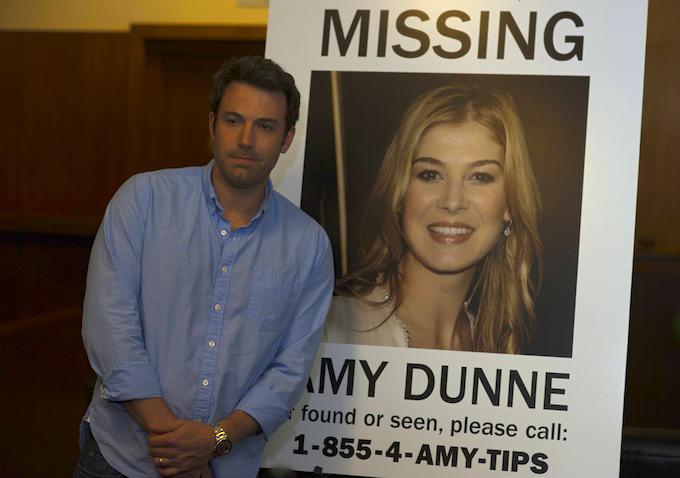
Hitting theaters on October 3 and based on the Gillian Flynn novel of the same name, Affleck plays a man who becomes the lead suspect when his wife (Rosamund Pike) disappears on their fifth wedding anniversary.
For Tyler, who has produced, directed and acted in most of his films, this is the third time where’s he’s only an actor in a film after a small role in J.J. Abrams’ ‘Star Trek,’ followed by a starring role in Rob Cohen’s ‘Alex Cross.’
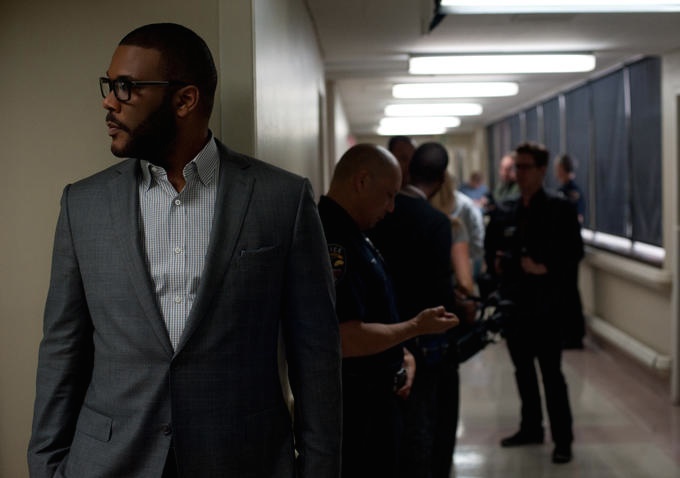
In Gone Girl, he plays attorney Tanner Bolt, who comes to town to represent Ben Affleck’s character. Following the screening at the festival, Perry seemed to be getting a lot of good buzz for his performance, especially from those who are not always a fan of his films. It says a lot when any actor is cast in a Fincher film and Perry has surprised many.

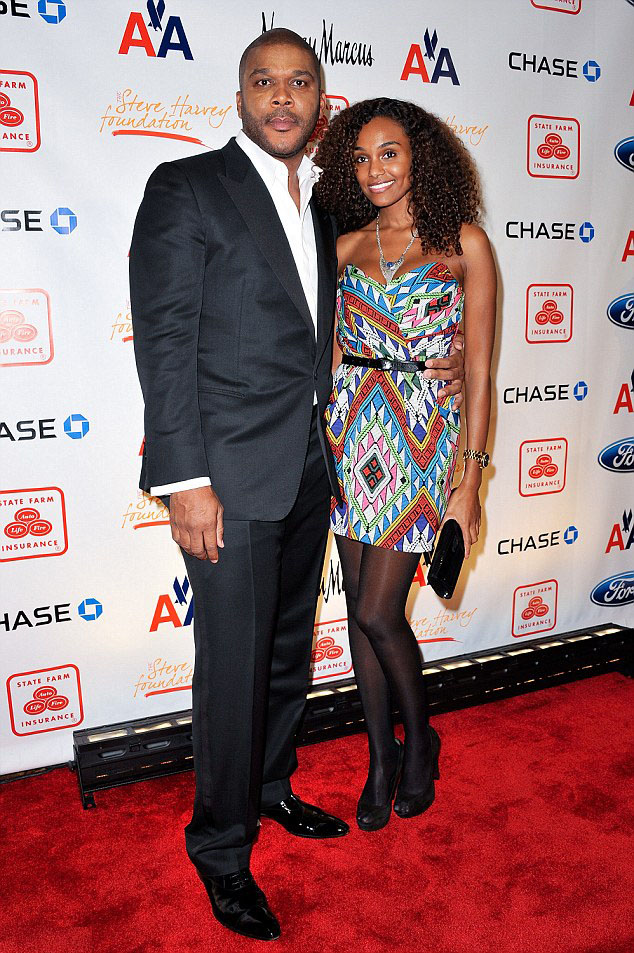
It’s one of many changes that’s occurring in Perry’s life. Not only does he currently have a four successful shows on the OWN network (For Better or Worse, Love Thy Neighbor, The Haves And The Have Nots, and If Loving You Is Wrong), but most recently it was announced and he confirmed that he will be expecting a baby with his girlfriend, Gelila Bekele.
Blackfilm.com spoke exclusively with Perry on his experience on Gone Girl, the lack of minority behind the camera in television, and his upcoming and biggest project, being a dad.
What drew you to the film?
Tyler Perry: For me, I didn’t know much about the book. I’m always in my own world, my own head and not really paying attention to a lot of things, but when I got a call from David, I was like, “This is really interesting.” Then when I read the script, I was blow away. I said what can I bring to this and if he would give me this opportunity, which he did, I wanted to do my best. The character was so rich and David’s words to me everyday was just “ease” and that he’s got it all together.

Did you ask David why he wanted you to be in his film?
TP: He had seen ‘Alex Cross’ and he knew that I had something different. We had met before and he thought that I would be great for the character. David is really good at casting people that people wouldn’t think be automatically be in those roles, so it was all his call really.
Have you read the book since filming was completed?
TP: No, I haven’t and I don’t intend to until long after the movie has come out. From the beginning I didn’t want to know a lot about the character especially if we were creating a new version.
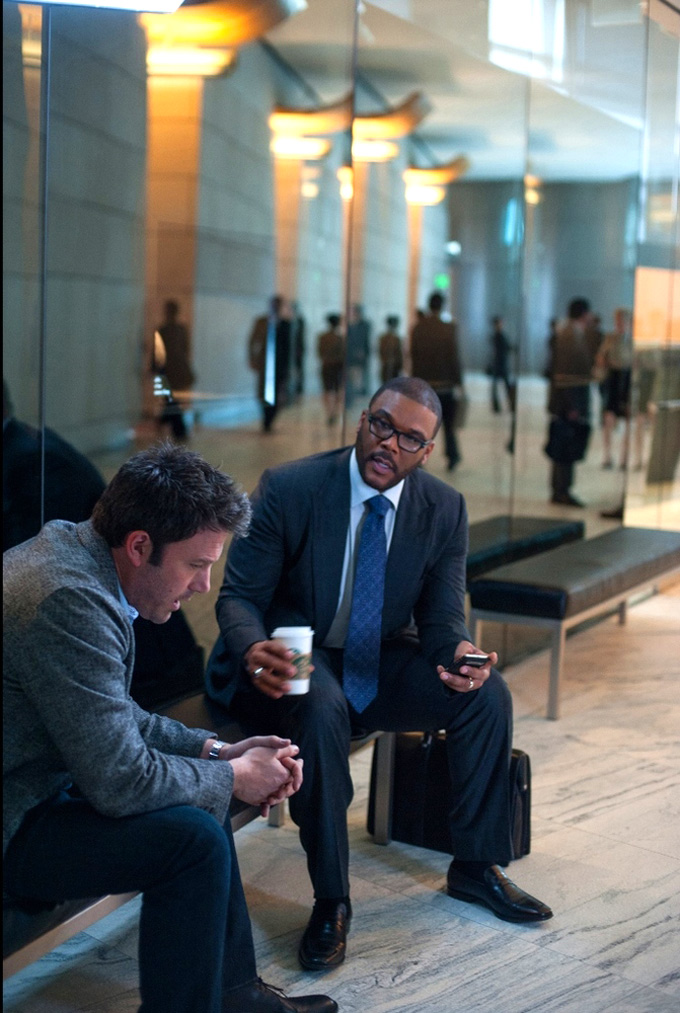
How would you best describe Tanner and what did David want you to bring to the character? Was there anyone you modeled the role after?
TP: Yeah. I think Tanner is Tavis Smiley and Johnnie Cochran. I think he’s a mix of both of them. It’s just his smoothness, his intelligence and being a very good lawyer where Tanner says “Murder on the Mississippi,’ and it made me think of those two guys regarding the character.
Were there any scenes that didn’t make the final cut?
TP: David shoots a lot of coverage so I’m sure there’s about an hour and a half on the floor on the floor somewhere from the movie. He shoots a lots and tells a great story and then he pieces it altogether. I don’t know if there’s a lot of my scenes that are left out, but I know there’s a lot more that were shot.
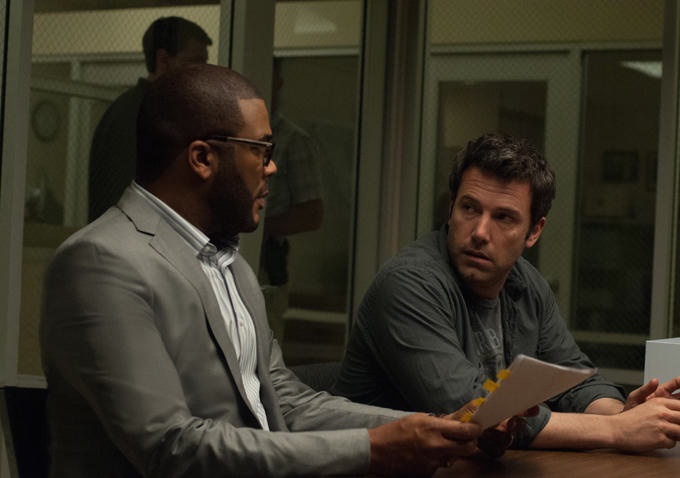
How was working with Ben Affleck? Do you think Tanner really believe Nick Dunne?
TP: As far as working with Ben, he’s just one of those guys who’s really the nicest guy next door. He loves his wife and kids. When you see him on set and they are all there together, you say to yourself that this is someone you want to be friends with. He’s really a great guy and very, very smart and he and David speak a whole different language as far as filmmaking goes. I was very privileged to sit at the table and just listen to them discuss what they know. That was fascinating for me. As far as Tanner goes, it doesn’t matter to him if the client is guilty. It doesn’t matter to him at all. He has a job to do and however he does it, he just does it. He’s got a $100,000 retainer and he’s going to make it work.
What did you learn as a director?
TP: I don’t think he sees like regular humans. I think he sees everything at once. He’s trying to paint this perfect tableau, and if one thing is out of place, it’s got to be redone. The level of brilliance and genius that it takes to make that happen was so impressive to me.
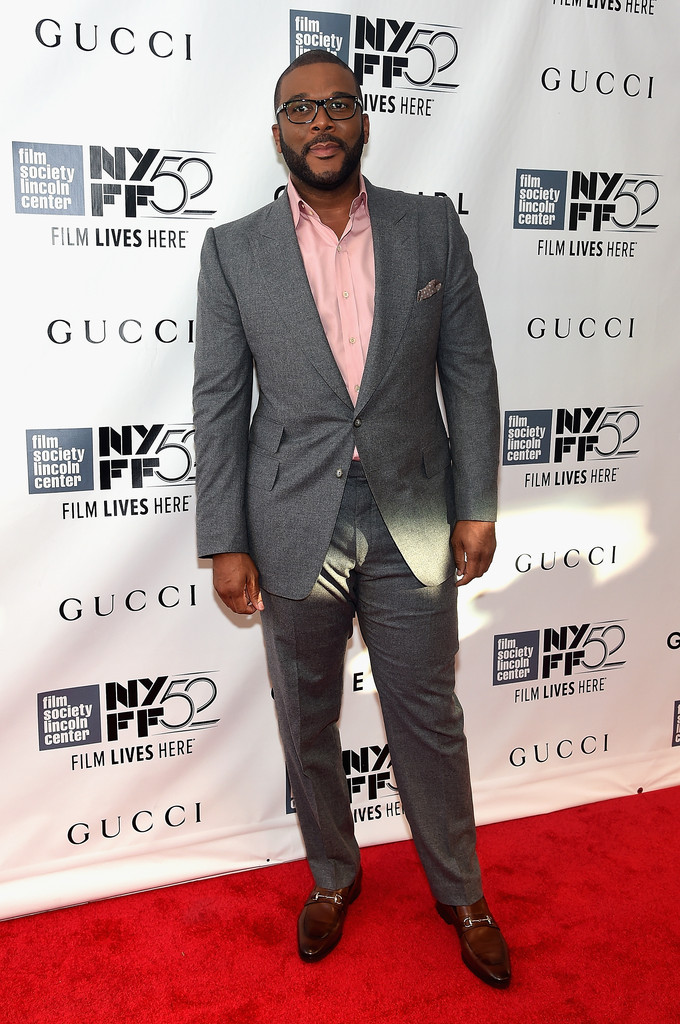
What did you learn from David as an actor?
TP: David is a nuanced guy. He looks for the nuances and he’s always trying to find those moments as an actor, it was about surrendering and letting him get to the nuances that he needed for the film. Not one of us thought the film was funny at all, but when you look at it, you see that there are some great funny moments in it. None of us played it comedically. We all played it straight and to see pull that brilliance together, I was like, “Wow.” That took some know-how and doing.
Is this a film you could have directed?
TP: Hell no. Could not have directed it and would not have wanted to direct this because of the amount of pressure you would get from the fans of the book. I don’t want to take on that. This is in the right hands of who could do it.
What does it take for you to be someone else’s film?
TP: Timing. Everything is about timing. If the timing works out and I respond to the script, then I’m in; but 99% of the time, it’s about the timing of it all. I had to move some things to do this movie, but it all worked out.
Is acting something you want to do more as opposed to people coming to you?
TP: Not really. It’s just something that I enjoy. I love doing it and again, it’s about the right moment coming along. It’s not something I care to do full time but if the role is right and the script is right and the director is right, I’m going to jump in. If not, there’s nothing that can get me to do it.
Is it more fun when you have less hats to wear on a set?
TP: Coming into a cast like this with Ben Affleck, Rosamund Pike, Carrie Coon, and Neil Patrick Harris, that’s pressure. All I wanted to do was get in and do a good job and make sure I didn’t screw it up. To have people say that I did a good job means a lot to me. It means that I did what I needed to do.
Besides your film projects, you’ve had tremendous success with your work on television. First with TBS and now with OWN. Are you looking to do more with OWN or are you happy with what you’ve done so far?
TP: Having four shows on the network has kept me busy from my own films. I write every script myself. I direct every show, so my cup is spilling over. I’m pretty full with what I’m doing. There’s nothing more that I’m looking to add. Of course, if asked, I’ve got more to add but it’s definitely the Oprah Winfrey Network and it’s about me supporting her and what she wants and how she wants it.

With everything that you are doing, are you still learning the business?
TP: Absolutely. Working with David Fincher is like going to the best film school in the world. Watching him in the time that I worked with him, so absolutely. There’s so much learning and being in that movie made me want to make better movies.
You recently made some comments about the lack of minorities and women in the field of TV directors. What do you think can be done to improve this? Is the industry or the talent that needs to make moves?
TP: I think it’s a little bit of both. We need a lot more directors to come forward into the ring. That’s why I’ve tried to foster directors like Tina Chisolm and some other people that I have worked with. I’m a champion for Ava DuVernay. I love giving people opportunity. I have a bunch of first and second ADs that hadn’t done much and what I’m trying to do is foster this next level, this next generation of people who can come in and do some of those jobs. Part of it is that people do what they know how to do and they hire who they know and if you are in a business where you don’t know anyone other than people who look like you, then of course you have this situation. I just think that more and more people need to be more involved in the business so that there are more openings. Even when I’m looking for help to help me, I don’t have a whole lot of options.
Congratulations on your impending fatherhood.
TP: I think the timing couldn’t have been better. Television doesn’t demand as much as film does with the promotional tours over and over again and the hours. I would do this twice a year with films so the timing couldn’t have been better. We’re both excited. She’s excited and I’m excited and ready to take on the greatest project of my life.
Do you have another film in the works that you will produce or direct?
TP: I have two that I’m writing right now but this is the first time that I’m slowly writing. I’m not rushing it. I’m not pushing it. I’m slowing writing it and I really like the way the script is going because I’ll write a few pages and go away and then come back to it and write some more pages. Before I would write a script in 3 or 4 weeks, so now I’m taking my time.
With the attention Black films received last year, do you see any major changes in the system?
TP: It comes in waves. We had this great wave and then it passed and it will come back around again. It comes in waves so when it does come, you have to wait for it, grab your board and go out there and surf. I’m curious to see what happens next. I know Ava’s Selma is going to be amazing so I’m curious as to what happens next.
Would you want to direct a biopic?
TP: I have not thought of that other than my own. I would write my own story.
Come October 3, what’s a good reason to see ‘Gone Girl’?
TP: If you read the book, you would want to see the movie. The movie is incredible and if you haven’t read the book, you will be in for the ride of your life. The movie will blow you away with the things that happen. It’s twisted, amazing, well written and will acted. It’s a story that people will be blown by.