
LAFF 2016: Director Leila Djansi Talks ‘Like Cotton Twines’Posted by Wilson Morales
June 8, 2016

Recently making its World Premiere at the 2016 Los Angeles Film Festival was ‘Like Cotton Twines,’ directed and written by American and Ghanaian filmmaker Leila Djansi and starring Jay Ellis, Ophelia Dzidzornu, Miranda Bailey, Yvonne Okoro, Luckie Lawson and David Dontoh.
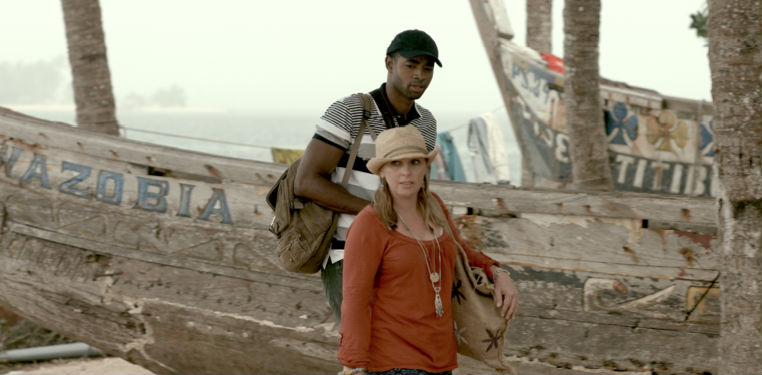
Micah Brown (Jay Ellis), an American English teacher thought his life in Ghana was going to be serene and self satisfying until he discovers his student, 14 year-old Tuigi (Ophelia Dzidzornu) is being forced to drop out of school. To atone for her father’s crime, she will become a Trokosi – Wife of the gods. A practice of religious sexual slavery. Locked in a battle between church and state, the past and the present, Micah is determined to help Tuigi have a life outside this tradition.

Djansi loves to tell stories about women. Her previous film was Where Children Play, which starred Teyonah Parris and Macy Gray. Her other film credits include I Sing of a Well, Sinking Sands, And Then There Was You and Ties That Bind with Kimberly Elise.
Blackfilm.com recently spoke with Djansi about the making of this powerful film.
This is a total departure from your last movie. How did the story for this one come about?

Leila Djansi: This one, actually I wrote it about eight years ago. Then whilst I was developing it my father died, and I got so upset with the material, I decided not to do it again. I put it on the back burner, so last year, when we finished “Where Children Play,” one of the actresses asked, “What are you doing next?” and next, and I showed her the material, another material, she said, “No, don’t do that. Show me what else you got.” I showed her this one, and she said, “This is what you have to do.” I’m happy I did. I’m happy I chose to do that.
Did you have to go back and do more research, considering you started it eight years ago? Have things changed?
Leila Djansi: A lot. I had to do a lot of research, and then, you know when your write, you tell much of the story, then if you’re writing what you feel, just how you’ve done with this interview, watch the film on DVD, like that, I wish I told the story that other way. When I picked the material back up, I knew there were changes that I would definitely want to make, and I made them.

This is a tough subject matter. Why did you want to do it?
Leila Djansi: In Ghana, for example, my grandmother is a queen mother, and women makes the kings in Ghana, but women do not have a voice. Even if you’re educated, you have a Ph. D, you are still voiceless because you need permission to think. This issue of Trokosi, I saw the women going through it when I was ten years old. I experienced it again when I graduated high school and I went to my friend’ father’s funeral and experienced it again. They were chanting some words. You know they were coached to say that. They were given a voice, not having one of their own. Because I grew up in a home where my mother made sure all her daughters had voices, I was able to identify people who are speaking with somebody else’s voices, not their own voice. One of my goals at a filmmaker is to help those people project their stories, and help them find their voice and talk about things that people would normally not want to talk about and pretend to not exist.
Was there any resistance as to you making this movie, knowing that you are discussing something traditional but hardly talked about?
Leila Djansi: Yeah, there were some who said, “You need to make positive movies about Ghana.” I said, “I’m just telling the truth about what’s going on,” but like I said, there are people who rather not talk about and pretend do not exist, you know a little bit on our blind side. There is a little bit of resistance. I’m expecting more, but the truth always bring resistance, for once you know what you’re doing is right, you’re telling the truth, and what you’re saying is going to cause change, you keep doing it and that’s why I did this.
You have Jay Ellis as one of your leads. How did you go about getting him to play this role? We know him from TV, but not so much from film.
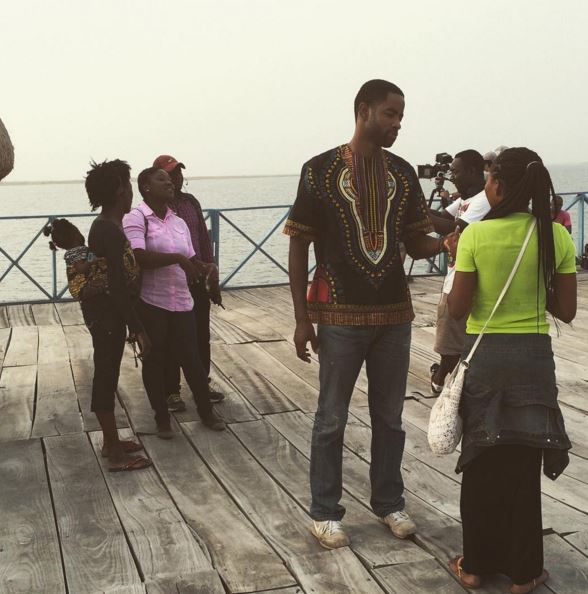
Leila Djansi: Jay is such an amazing actor. He is phenomenal. He is alluring, and he’s very exposed and very enlightened. He knows a lot about culture. He knows a lot about a lot of things. When he read the script he asked to meet and we really talked about life, about culture, about being black in America, being black in Africa and he went right into character. It was very interesting because, even as we were filming, things that we were discussed in the film were happening to him in real time. He was treated overly, like any African native, until he opened his mouth and, they’re like, “Oh he’s a black American,” and they treat you differently. It was very good for him that he was staying in character that he was living, after we called “Cut.”

Then you have Ophelia Dzidzornu , who plays the role of Tuigi. Where did you find her?
Leila Djansi: I did a work series for a friend of mine back in Ghana, and she auditioned for one of the roles. She was too young for that role, but I wanted to give her something, like one scene, something very little, and she was so phenomenal, she was so good. When this thing came, I did not even think twice. I did not offer anybody else, I went directly to her and I said, “Britta, will you do this” and she asked her mom for permission, and her mom said yes. She is very adventurous. I think she is going to grow up and be a method actor. She’s very adventurous.
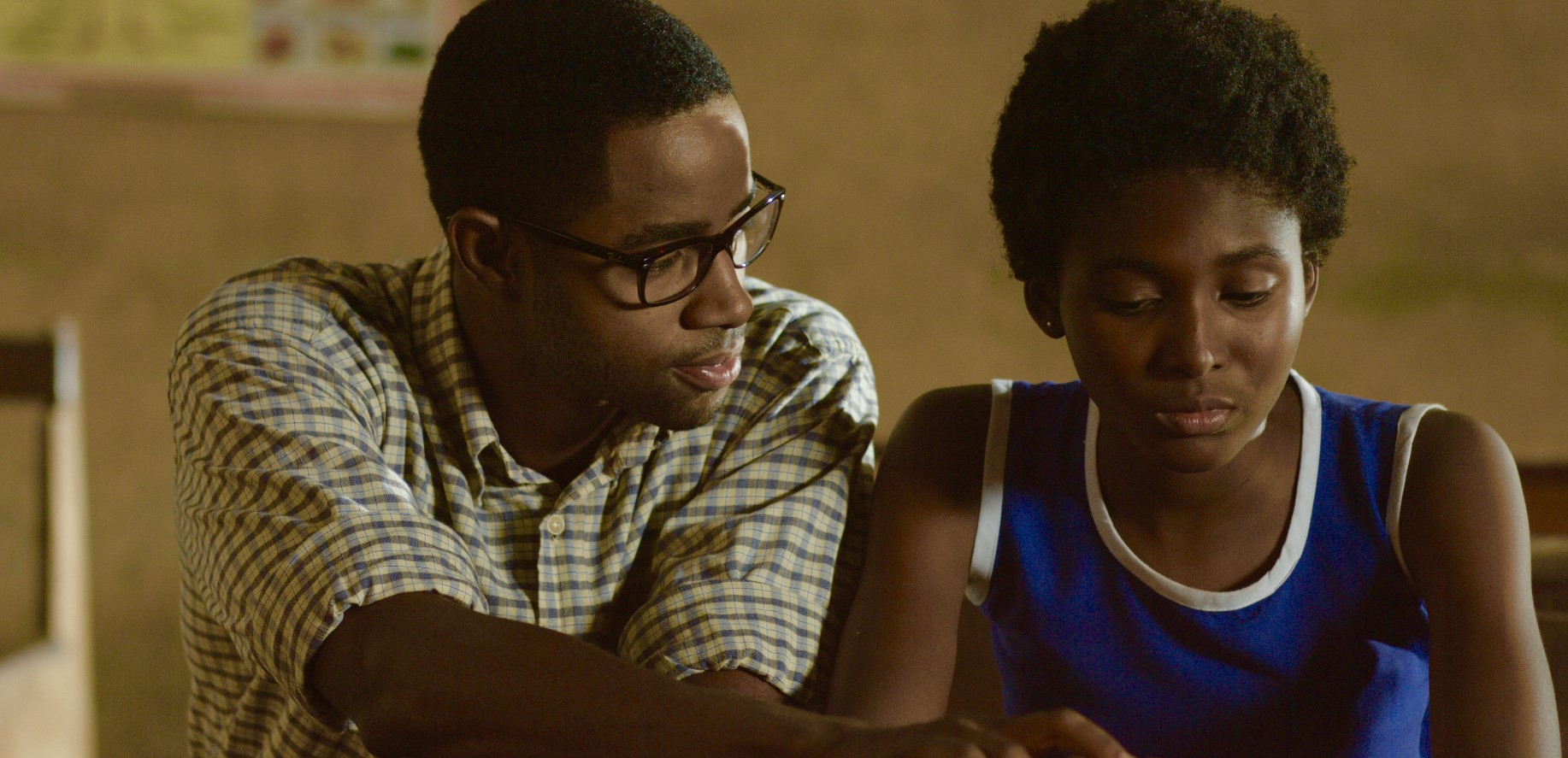
There are a lot of things that happen to her in the film and she wanted to experience it, like she wanted to stay in the costume of the trokosi so we keep her in the costume and she was in character, immediately she comes out of the house and gets into the car, she’s in character. She only breaks it when we come back home. That was very, very powerful, to see a 15-year old girl and that is what I talk about women having a voice. Women having a skill, women having an education. It’s because she’s educated, she has a voice, she has parents who support her vision and her dream, that she is so intelligent. Again, it was art imitating life for me.
In the film they say this is a matter between church and state, and that’s where you draw politics in there. As you wrote this story, were you thinking as a woman, or as a director as far as the angle you wanted to play with this in terms of what you wanted to show?

Leila Djansi: I was not thinking as a director, and I was not thinking as a woman. I was thinking as a novelist. I did not really consider myself writing a screen play, I was writing about a world based on truth. It was a lot of exploration, so these little scenes that you see throughout of the film are questions that I have asked. Growing up in America and growing up in Ghana, these are things that I have seen, these are things that have interested me, these are things that have stimulated my intellect, so when I was writing, I was creating this world, based on all this little fabric. That helped me a lot, that helped me a lot. I wasn’t strictly telling this for black people, or make any kind of political statement. I just created a world and allow the characters to develop in that world to make the decisions and bear the consequence of their actions.
When people see this movie, what’s the message you want them to have from this film?

Leila Djansi: Trokosi is a form of slavery in Ghana, meaning servitude, and I was talking to a colleague director at the LA Film Festival, and one of them told me something like that exists in Lebanon, where a human may have to agree and as a human being, so it’s not related to slavery, it’s in the mind, slavery is difficult. I want them to walk away knowing that there’s more to Africa than war and strife and HIV, and poverty, and that there are some people in Africa that are people who are ready for change, people who can expect change.
As the story of the day, Africa, or in Ghana, I know in Ghana, we are trying to find our identity We were colonized for over 150 years. We do not really know who we are. We’re still trying to find our identity. I would like them to walk away from the theater, believing there’s people who are more than war and strife. Believing there’s people who are looking for an identity. Everybody needs to be able to contribute to Africa finding its identity, by not stereotyping us and making us look like savages.
Also, issues of slavery are prevalent in every aspect of the world, in most of the third world, and we struggle within our own lives, and we often do to contribute in our own little way to freedom. We also support International Needs, these women and other people from the aspect of slavery, we also support them, and we’re also would like you to visit the website of International Youth Day Free what they can also contribute in substance to the organization.

Where do you go from here? What’s the next story you want to put out?
Leila Djansi: I’m working on it. It has to do with HIV. That’s the only thing I’m going to tell you for now. Hopefully we will shoot around this time next year. I’m keeping my fingers crossed that everything falls into place. I’m just going to keep working, I’m going to raise the money and tell the story and just going to keep working.