
Lee Daniels talks “Lee Daniels’ The Butler”By Wilson Morales
August 9, 2013

Coming out on August 16th is Lee Daniels’ The Butler, which tells the story of Cecil Gaines, a White House butler who served eight American presidents over three decades. The film traces the dramatic changes that swept American society during this time, from the civil rights movement to Vietnam and beyond, and how those changes affected this man’s life and family. Academy Award winner Forest Whitaker stars as the butler. The film is loosely based on Eugene Allen’s life.
The film is filled with an all-star cast that includes Oprah Winfrey, Mariah Carey, John Cusack, Jane Fonda, Cuba Gooding, Jr., Terrence Howard, Minka Kelly, Lenny Kravitz, Melissa Leo, James Marsden, David Oyelowo, Alex Pettyfer, Vanessa Redgrave, Alan Rickman, Liev Schreiber, Robin Williams, Colman Domingo, Michael Rainey Jr., David Banner, and Pernell Walker.

For Daniels, whose previous films included 2009’s Oscar nominated film ‘Precious’ and last year’s ‘The Paperboy,’ it’s been a long journey trying to get this film made and distributed. Not only did his lead producer Laura Ziskin passed away in 2011 after securing the rights for the film, but more recently he and The Weinstein Co. had to battle the Motion Picture Association of America’s voluntary Title Registration Bureau after Warner Bros. made a claim that it’s original title, “The Butler,” was copyrighted already with their 1916 short film of the same name. As with any film, there are always obstacles before a film’s release.
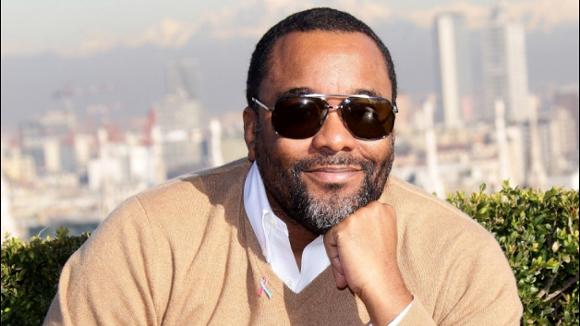
In speaking with Blackfilm.com, Daniels talks about the film’s journey, getting Eugene’s story out, and the casting of Forest Whitaker and Oprah Winfrey.
Can you talk about the journey on getting this story out and working with Laura Ziskin before her passing?
Lee Daniels: She believed in me. As you know, she did ‘Pretty Woman’ and the ‘Spider-Man’ franchise, and she left the last ‘Spider-Man’ because she felt that there weren’t enough African American films of substance and that she wanted to make this her legacy. Thank God, she did just that. She’s dancing on the clouds right now.
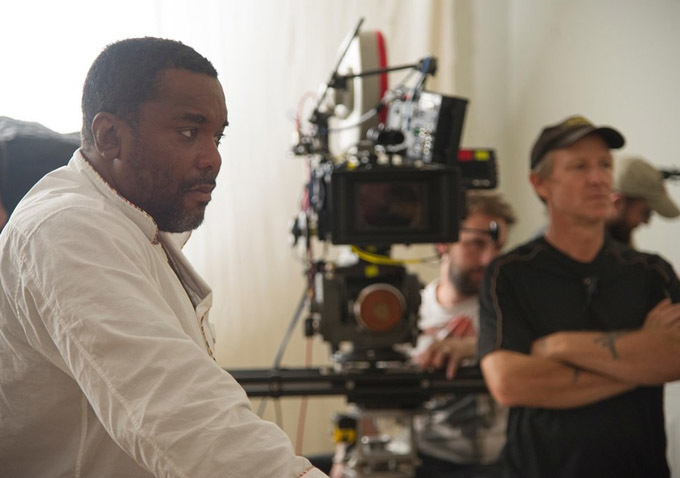
How much research did you do and did you work with Eugene Allen’s family to get his story right?
LD: A phenomenal amount. I had already done enough from when I was working on ‘Selma’ and I had even done more because this is a broader story than just the Selma experience. I worked with Wil Haygood who wrote the article in the Washington Post about the butler’s family. So, there were lots of conversations.
Through Cecil’s eyes as he worked through eight presidents, what did you want to showcase when each president appears on screen?
LD: It was important to talk about what they were doing and how they helped. They only affected us as it affected the Civil Rights movement. We weren’t just telling a history lesson about the presidents but rather their impact on the movement of civil rights.
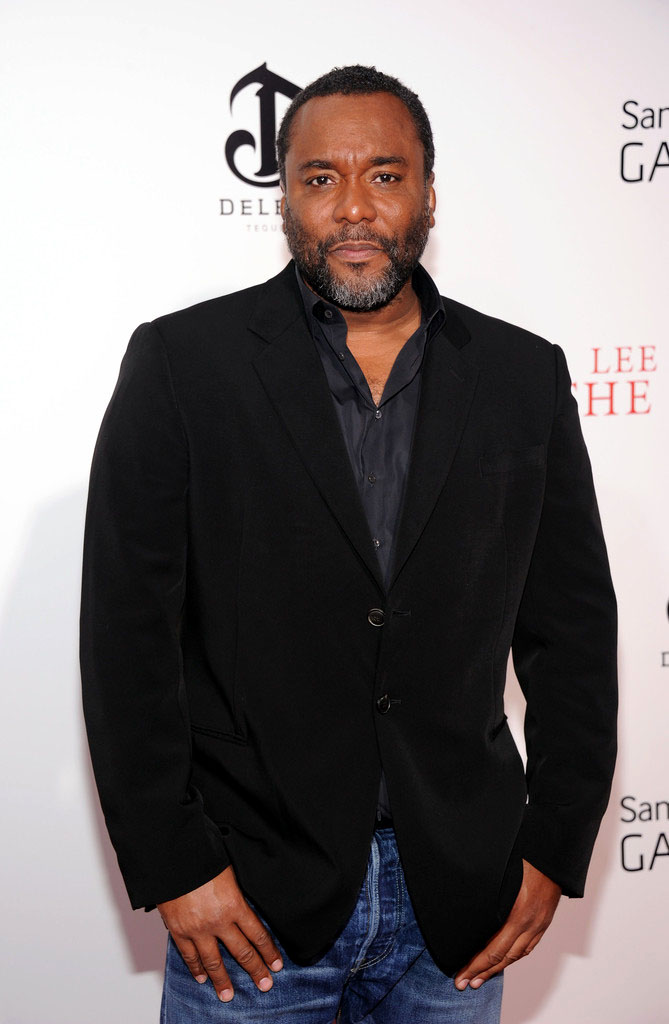
Can you talk about working with Danny Strong on creating the characters?
LD: I thought it was important to show the family aspect and the friends’ aspect of Cecil otherwise it would be just a history lesson. It’s a father-son story at the heart of it. The presidents and the civil rights movements are the backdrop of this world but the heart of it is the story of a father and his son; a love story.
Prior to production, there were rumors that Will Smith and Denzel Washington were each considered to play the role of Cecil Gaines, but what made Forest Whitaker the right choice?
LD: Will was never attached to it. Denzel and I are friends and he was helping me with the script. I think it got out there that he was attached to the piece. When you are an artist and you are talking about some help, I think we had possibly…not joke around, but what would you do if you were playing the character? But at the time, he couldn’t do it because he was unavailable anyway. Even if I wanted him to do it, he couldn’t do it. Then we lost the money anyway. Denzel was never attached. He’s a dear friend and he helped me incredibly with the story. The reporters got hold of it that he was attached, and I was like, “No.”
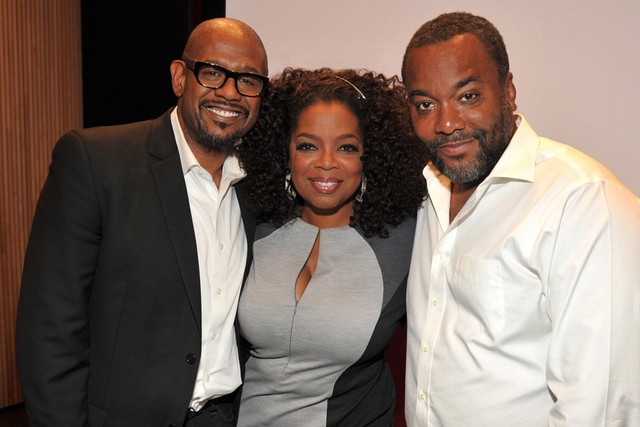
Forest is a gentlemen and one of the most humble people that I have ever worked with. I knew just from my interactions with him that he was the right guy to play the butler. He came in with Oprah and they did a little workshop and it was like magic; the two of them together.
You had mentioned years ago that you had a role for Oprah on ‘Precious’ but she ended up coming on board as an executive producer. How did you convince her to get back into acting and play Gloria Gaines?
LD: I beat her into submission. She didn’t want to come to work. “You just told me to look for you something. I found it.” And then she was like, “uhh, you know.” So I just stalked her. I said, “I can’t believe that you made me do this. You made me find something for you. We’re writing this incredible character for you. Do it!” I literally beat her into submission. I’m so proud of her in the film.

Was it easier to get the rest of the cast on board once Oprah and Forest were attached?
LD: It was always easy getting the character together. Choosing the cast members was the hardest. The material spoke for itself and all of the actors wanted to support the material because the material was history. They all wanted to be a part of it.

You have Lenny (Kravitz), Mariah (Carey), and folks from your previous films. Some have big roles, and some have smaller roles. Did anyone question what they wanted to do and did you let anyone adlib any of their lines?
LD: Terrence (Howard) is the only person that improvised with the hangers. I had seen him in the hallways doing something with these hangers and I thought about for a minute. That wasn’t improvisation, or “in the moment,” but I had asked him to bring it to the scene, so that was fresh.
There will be some folks who may not want to see this film because they think it’s the typical stereotypical roles that Hollywood likes to graced on screen like ‘Driving Miss Daisy,’ ‘The Help,’ and now this film. What do you think about that? Why is it that Hollywood can throw in money to make those film but we have a hard time getting funding to make movies about James Brown, Marvin Gaye, or MLK?
LD: This happens to be titled “Lee Daniels’ The Butler” but this is a father-son story. This is a father-son with black people that we have never seen before. I have never seen black people that were portrayed like this before. I got in trouble with black people because I was doing ‘Precious’ and they didn’t like that. I’m showing blacks the way we are rarely seen (on the big screen); loving, caring, going off to school, feelings. This is a movie about civil rights. This is a movie about the civil rights movement and for anyone that says “The Butler,” they need to see the film.

As you mentioned, this is a father-son story we haven’t seen before, and we have other themes as well, but is there a new insight for the black community regarding this film?
LD: This is a movie about loving your family, loving your father, loving your son. At the heart of it, it’s a father-son story and how they learn to love each other. To me, it’s universal. It goes beyond the African American experience.
How pivotal was David’s character to the film?
LD: It was really important because the audience gets to see who was right? There’s a scene where Martin Luther King talks about the domestics and there’s a beautiful quote in the film and yet, African Americans can say, “What are you talking about King?” Basically, King is saying that the domestics are the fabric of this country and yet, you’re saying are going to say, “What are you talking about King? We don’t want to know about the fabrics of this country.” Having the father and son be on opposite sides was the intention because I don’t know who is right and who is wrong. Was Cecil’s way the right way by passively getting white people to trust us and seducing them into trust; or was it Louis, who was in the streets, doing his thing and willing to die for what he believed in.
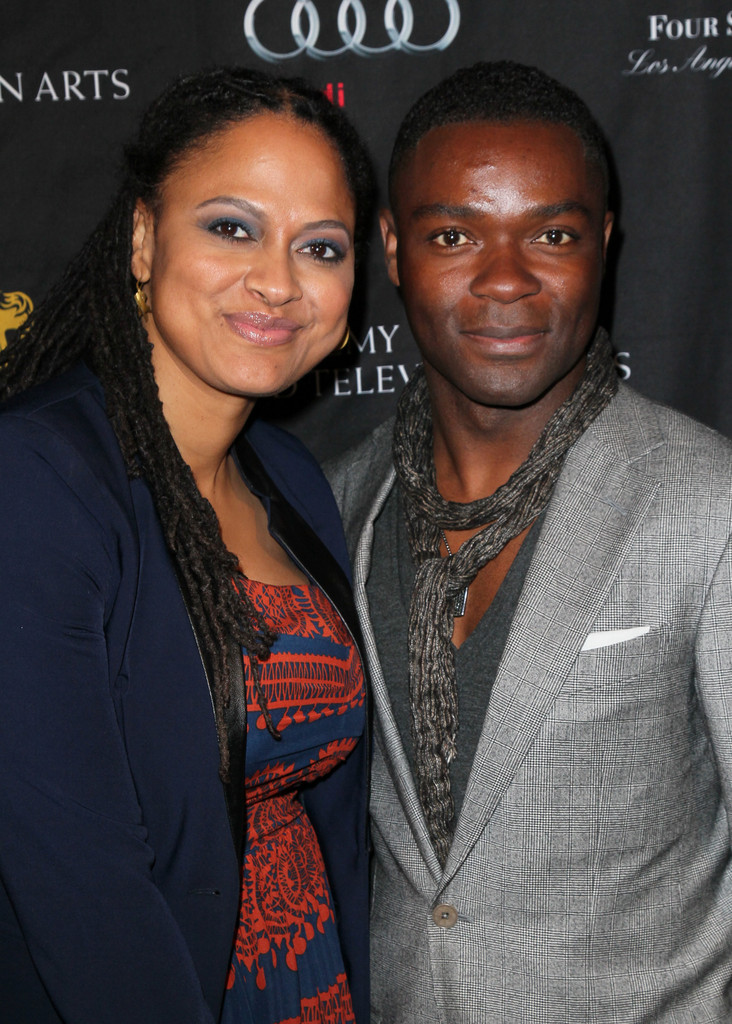
You mentioned MLK. Why are you no longer directing ‘Selma’ and Ava DuVernay is?
LD: First of all, I’ve done my civil rights movie and I couldn’t get ‘Selma’ financed. David (Oyelowo) was not a big name at the time. I had picked him from obscurity to star in the film.
But you had big names with Hugh Jackman, Robert De Niro on board…
LD: I know, but it didn’t matter. That’s what so deep about Hollywood. We could not get this film financed for the amount of money it needed (to be financed) because there was not a (big) name playing King. But it’s good now because it’s being done, and with David still as the lead. It’s being done by a filmmaker that I love and an actor that I love.
Are you still going to work on the Janis Joplin film?
LD: That’s my next film with Amy Adams.
What’s a good reason to see “Lee Daniels’ The Butler”?
LD: It’s a movie that every kid in America should see, and should be proud of. It’s the American story. People think about American history and what they learned, but to me, it’s the Civil Rights Movement.