
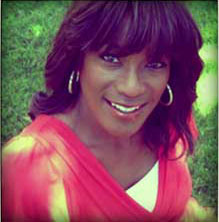
Meet Dawn Gilliam, J.J. Abrams’ Script Supervisor
May 9, 2013

While film editors get credited to putting together the finished product, it’s actually the script supervisor who holds the fort together during production. Initially known as the continuity girl, the role requires the person to make sure every word, place, appearance, and scene is exactly according to the page and in sequence. For veteran script supervisor Dawn Gilliam, she’s had the benefit of working on some of today’s biggest films.
While former Los Angeles Rams cheerleader started out in the film business working on John Singleton‘s debut film, Boyz in the Hood, her other feature credits include the recent Jackie Robinson story 42, The Hunger Games, Bubble Boy, Men of Honor, Deuces Wild, Rat Pack, Nothing to Lose, Set It Off, Kazam, Vampire in Brooklyn, Tales From the Hood, Higher Learning, Sister Act II, What’s Love, Poetic Justice, and Senseless.
For the past few years, Gilliam has collaborated with director J.J. Abrams on all of his feature productions including Star Trek Into Darkness, Star Trek, Super 8, Mission Impossible 3, and Cloverfield, which he produced.
Gilliam also worked with Abrams on the Lost pilot, seasons 3, 4 and 5 of Alias, Season 2 of What About Brian, Hope against Hope, and the pilot for Undercovers. Her other television credits include the pilots for Shield, Exit Strategy, Chase, and NYPD 2069, Season 1 of Detroit 187, Season 4 of Prison Break, Season 1 of Nip/Tuck, and 18 episodes of For the People.

Blackfilm.com recently spoke with Gilliam as she gave some insight about the nature of her job and working with Abrams and the cast on her latest project, Star Trek Into Darkness.
Was your first job as a script supervisor or was there something else?
DAWN GILLIAM: I started out as a dancer when I was 18. I started out as talent, and I did that for about 12 years. Then I turned around and realized I liked being on set, started looking at the different positions that I might go into. Script supervisor was the one that I chose.
When you got on the set of “Boyz N the Hood” was that as a script supervisor or something else?
GILLIAM: Script supervisor. That was my first major film, and it brought me into the union.
Did you know what you were doing when you got hired?
GILLIAM: Interestingly enough, when I grew up my father was in the Air Force so we lived overseas a lot. I did correspondence school courses, but had been kind of self teaching myself, and when I got into script supervising I tried to take a class but it was cancelled so I went to the library and got a basic book. I was still on the set, so I would just ask questions. I was paying attention, I just didn’t know what things were called, so in the book I’d be like, “Oh, that’s what that’s called!” I self-taught myself, then met John Singleton while doing a music video. So I had some understanding, and got called in for an interview for “Boyz N the Hood.” Raynese Holmes, a 2nd A.D at the time, told me about a script supervising class. I had maybe taken one or two classes when I got the job I took maybe three or four private classes, worked a week, showed my teacher my work, and I haven’t been back since. I was like a fish to water.
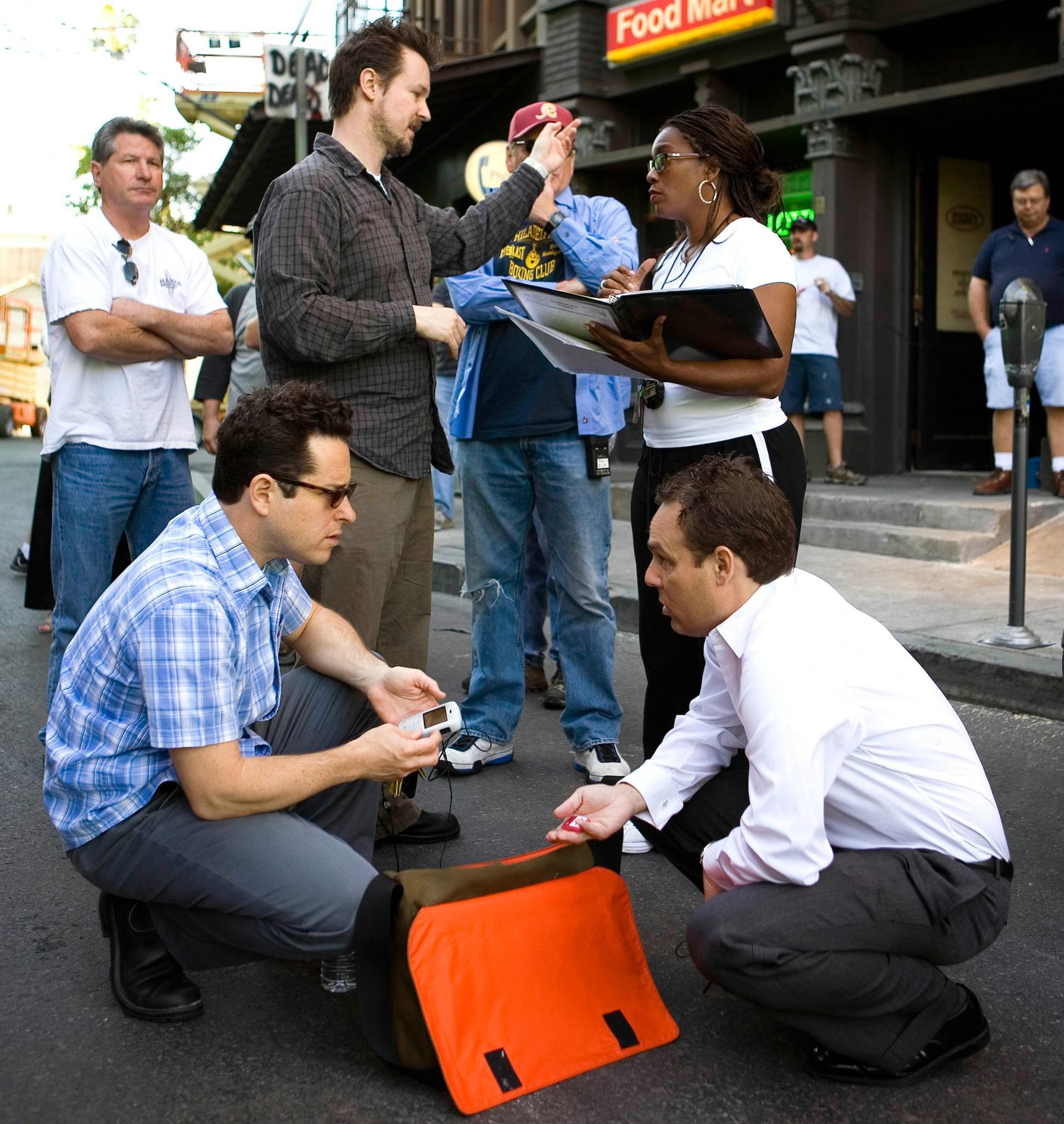
You then worked with Singleton on a couple of projects, but how did you go from him to J.J. Abrams?
GILLIAM: I worked my way up. One of the advantages I thought I had was I have always typed my work. 50% of the job was paperwork, and my background was secretarial. My dad said, learn how to type. I’m a secretary at heart! I immediately started to type my work. Typing our notes or going digital is very relevant to our craft now, even though, I’ve been typing for twenty years, script supervisors are now catching up to the demands of the changing technologies in filmmaking. The presentation of my work versus handwritten notes was a little more organized. Just being on the set and as a filmmaker. We do a lot of continuity, I have to log what is being shot between the camera and the sound so the editor knows what’s on film, some script supervisors are note takers and some are filmmakers. I’m a filmmaker., and I get right in there with them and I’ve found that’s what directors like. As for J.J., I worked on the first season of “Nip-Tuck” and because that was episodic, many different directors come through. Director Larry Trilling, remembered me when “Alias” happened. He called me on a Tuesday morning and I went in that afternoon and was hired. Two-weeks later I met J.J. and he asked me to do “Lost” with him so that’s how I got there.
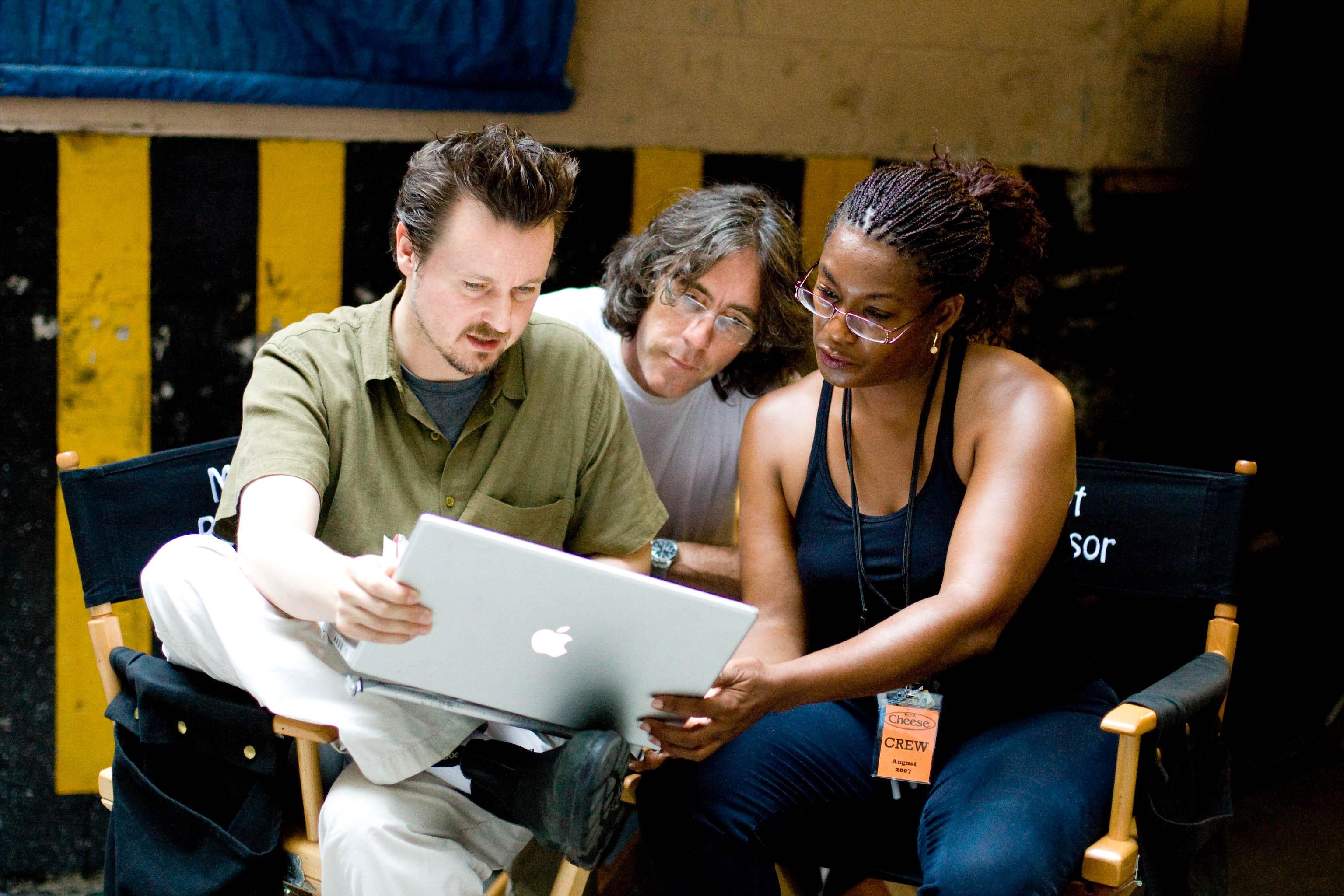
So while you’re working on set, how memorized are you with the script?
GILLIAM: When I start the project you break down the script, we have our own system to breaking it down. Films and television are shot out of order, it has to do with scheduling and what’s available. If you have a bunch of hospital scenes you’re going to shoot all your hospital scenes when you’re at the hospital. You’re constantly going over the work for the day, checking the continuity, constantly looking at the script every day.
How challenging is it taking notes and looking at the script at the same time?
GILLIAM: You don’t do it at the same time. (laughs) Everything has a system, you watch what’s going on as they are acting, by following along with the script. You mark down any continuity as it is happening. I type my notes in between set-ups and line the script.
Seeing as how you’re the glue that keeps everything together, who do you have a better relationship with: Director J.J. Abrams, Editors Mary Jo Markey and Maryann Brandon, or First Assistant Director Tommy Gormley?
GILLIAM: I would say it is J.J., the director, then the AD, then the editor. I have a connection with all of them actually. I’m sitting there with J.J. right on the set, and that connection is deeper because I have to relay to the editor anything he may say, see or want with a take. He may say, “I likes the beginning of that, or tell the editors, Mary Jo and Maryann to go from here to here to here with a particular take. The minute we start shooting the editors start cutting sequences so JJ can see what’s going on, and my script notes help point out which direction JJ is thinking. With the AD… I come on late to the project, sometimes a few weeks, others only a few days before. On a union project we get two weeks to prep. It’s nice to come in even earlier than that, because they’re already having their meetings, they’re talking, they’re going through everything, and sometimes a question I ask has already been discussed in a meeting. I go to the 1st AD to put something in his ear and he’s someone who can really facilitate it, and that’s a place I go when I see certain things, if we didn’t get a shot, and before I trouble J.J. I go to Tommy and say, “Are we gonna do this?”
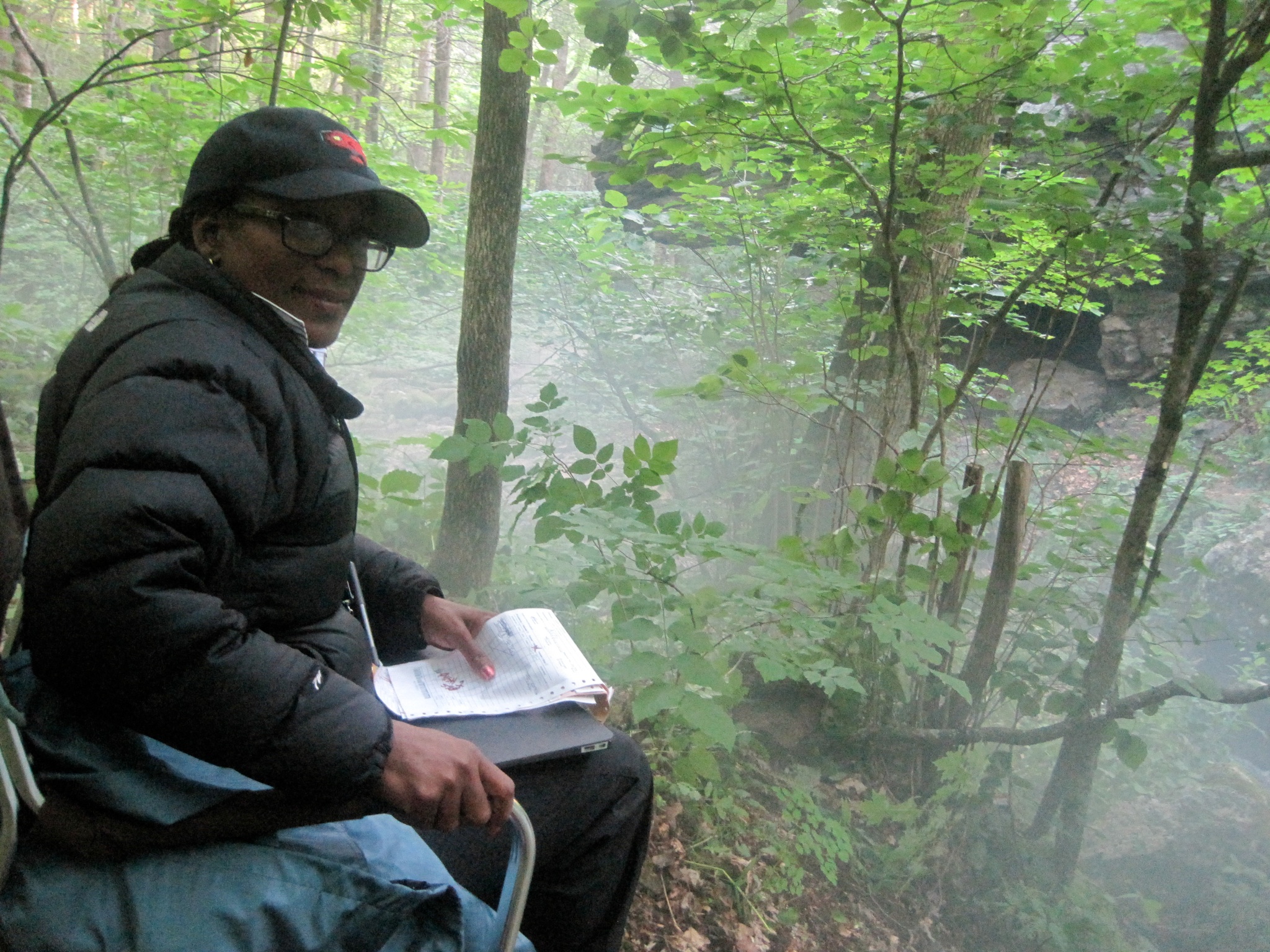
Being that you’re the first on the set and among the last to leave, do you have any downtime to relax?
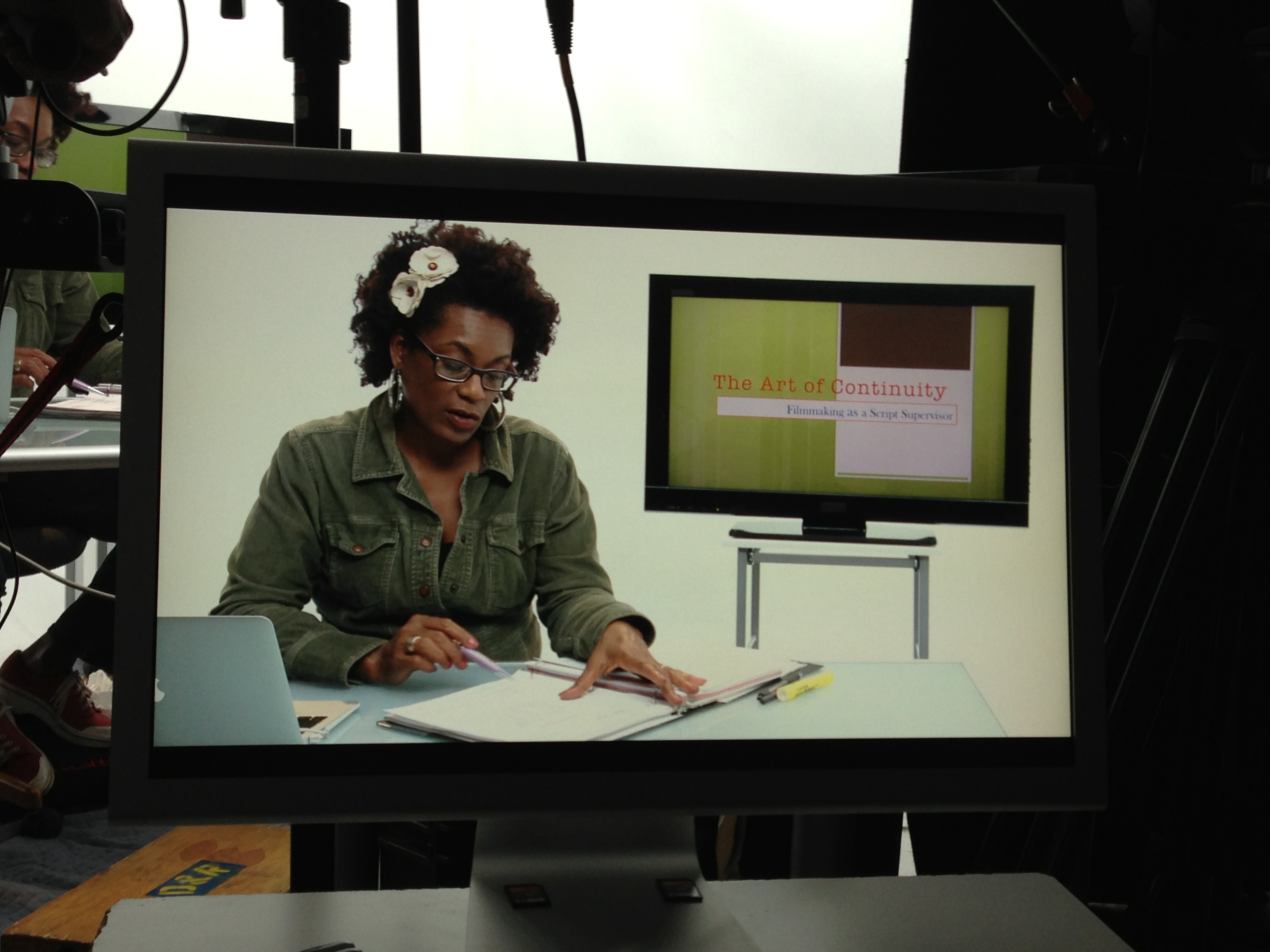
GILLIAM: Because I’ve always been digital, using my computer, I’m pretty fast as far as the notes. I have a really good system. Unless we have a really hard day I’m pretty fast and maybe it takes me about a half-hour at the end of the night. While shooting you average about a twelve or fourteen-hour day, so while I’m shooting there’s not a lot of downtime to do anything. If I know it’s a three or four-month project you pace yourself, but because I have a very mental job I don’t do too much. I choose to stay close to home. In between jobs, I’m not really looking for work, I have a few things down the pike, I’ll be doing “Star Wars” with J.J., I think that’s at the end of the year, beginning of next year, so I’m just kinda getting certain things in order with my side-projects. I’m setting up my Script Supervising virtual classroom more like an online class. I have been training for many years and have my lessons written out in a 200-page book. I’ve done good projects with good people, and the way I approach my craft is a little different than some. I’m more progressive, definitely the new school.
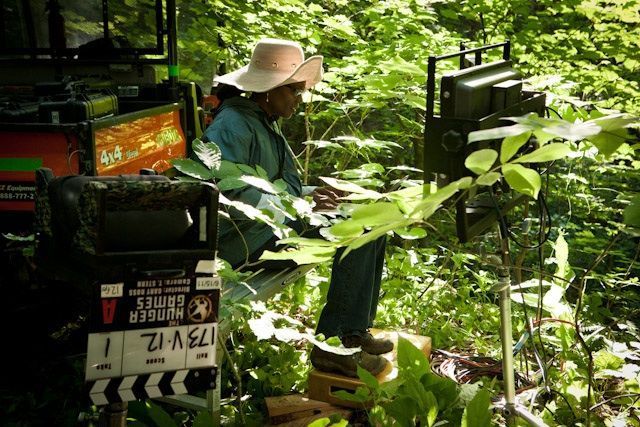
How do you feel being a black woman in a woman-dominated market? You don’t hear of so many people of color behind the scenes, at least in your field. You always get African American screenwriter here, one composer there and so on.
GILLIAM: It is interesting because I have been doing this for a long time, and there are times when I’m on a set and it surprises people that the script supervisor is black. Sometimes I think the directors are proud that they’ve got a African American Script Supervisor. (laughs). I embrace my race, there’s nothing wrong with being who you are because that’s the way God made you. I celebrate it, What’s humbling is that 12 people who work with J.J consistently is featured in UK magazine, Empire. J.J’s idea. He said, “Okay, you can do an article on me but it’s not just me it’s all these other people that have been with me.”

There are many people of color working in the industry. There is a handful of women of color in my union on the west. It’s good to show people that this is a great career. There are opportunities there, and not until someone sees us on set or in behind the scene footage on a dvd, they don’t even know. I carry my script and supplies in a little travel bag and many times I mistaken for an extra. (laughs) But it’s always been like that, people just assume.

What was the most fun about working on the “Star Trek Into Darkness” set?
GILLIAM: Working on any J.J. set he makes it fun. He’s a very entertaining, smart, fun man and he believes in respect first. There’s not a whole lot of argumenting and shouting or cursing going on. There’s none of that. He brings out the best from people, you just want to be the best for him because he’s so kind and generous. The actors are fun, especially Chris Pine, and this time around the actors were playing pranks. They started with a prank that just went on and on and on, and they got the crew involved, it was hilarious. Very fun. Everyone on J.J’s crews does their job and them some. That’s the beauty of working with high level of professionals.
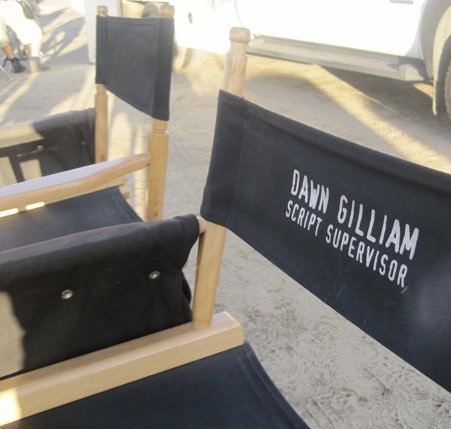
I don’t know if you’re a fan of the films as well, but how excited are you about “Star Wars?”
GILLIAM: I am very excited. All I could say to J.J. was “Wow,” but he can do it. I like all those films. When I get closer to the project I’ll probably see all of them again just to remember, and I just think if he does what he did with “Star Trek” it will be a block buster! When I saw the first “Star Trek” after all that we shot I thought, “Man, these people are GOOD.” I know what we shot, I know what’s on the floor. On this last film I was invited to go to a scoring session and my mouth was wide open, to see the process. I just got to see little bits, and was like, “This is going to be good!”
Would you ever like to direct?
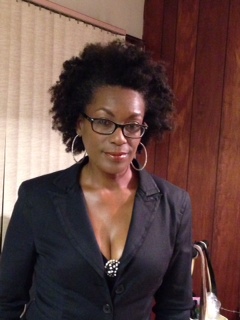 GILLIAM:
I’ve directed a few of my own little projects. I’m more into educational filmmaking, showing other young filmmakers different aspects of filmmaking from a script supervisor’s perspective. I’m pursuing to direct episodic tv. One of my proudest moments was, I working with a fellow students of mine, Nicole Rubio on “Grey’s Anatomy.” Nicole has been the script supervisor for 8 or 9 seasons and this day she was the director for the episode and I the script supervisor!
Supervisors are in contact with many department and the craft is a great stepping stone to those crafts, i.e., directing, writing, editing, acting and producing. There are many script supervisors who have gone on to direct.
Dawn’s credits can be found on IMDB.
Star Trek Into Darkness hits theaters everywhere on May 16th
Script Supervising Training – The Art of Continuity