
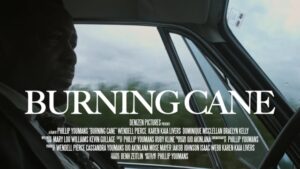
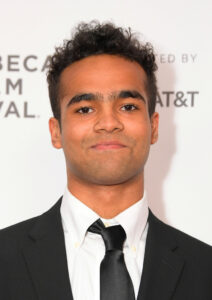
Just a few days ago 19-year-old NYU freshman Phillip Youmans won the Founders Award for Best Narrative Feature for his film debut Burning Cane at the Tribeca Film Festival. Not only is he the youngest filmmaker ever to win the award but the youngest to have a feature at the fest. He started shooting ‘Cane’ at the age of 17. The film also won awards for Best Actor (Wendell Pierce) and Best Cinematography.

Set in Southeastern Louisiana, the story centers on a worried mother (Karen Kaia Livers) caring for her mange-ridden family dog; her unemployed, alcoholic son (Dominique McClellan) and the wife (Emyri Crutchfield) who supports him; and a preacher (Wendell Pierce) whose wife’s recent death has pushed him toward the bottle.
Prior to his win, Blackfilm.com spoke exclusively with Youmans on being in Tribeca with the title of ‘youngest ever’ and his experiences on making the film.
How does it feel to be the youngest filmmaker at Tribeca?
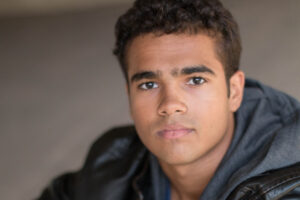
Phillip Youmans: It definitely feels good, but outside of any of the titles, it just feels good to finally have my film get seen. You work so hard on something and you spend so much time on it and you never really know if anyone is ever going to see it. Above that, I just feel fortunate that I’m in Tribeca and that Burning Cane is appreciated by Tribeca.
What was the inspiration behind Burning Cane?
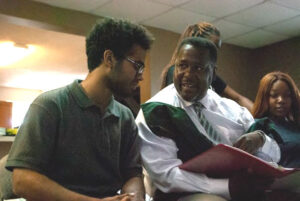
Phillip Youmans: The biggest inspiration behind Burning Cane was my upbringing in the Baptist church. I had a lot of questions that I never really got any answers to in terms of my idealogical differences with the church. That’s where the emotional root of it is, but in a more literal sense, the film is about me humanizing the sorts of people I grew up with. The sorts of people that surrounded me in that southern black ethos.
Where did your funding come from?
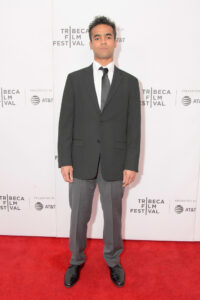
Phillip Youmans: It was all very grass roots. I relied on so many people who worked well below industry rate because they believed in the project and they believed in me. We were able to get funding from IndieGoGo. I put all of my savings into the film. My mom helped out. My producer Mose Mayer reached out to his family and that web of contacts. Then I was working in this beignets stand in New Orleans and that’s how I got in with Wendell (Pierce). It was a cash only business, saving up money, all the while it was in pre-production. There, I met a woman named Lula Elzy, who introduced me to Wendell over email and we went back and forth.
How did Beasts of the Southern Wild director Benh Zeitlin get involved?
Phillip Youmans: Benh didn’t get involved until immediately after we finished principal photography, but once he came onboard, he was so huge in terms of advocating for me to get a grant from Louisiana that gave us final color, an editing suite at Second Lion Stages, and a cash award that allowed us to license music and do other things with resources that we didn’t have. He also spent hours upon hours with me just as a creative mentor in post production and giving me his notes and facilitating feedback sessions. Working with Benh was incredible. I love that dude. I’m nothing but grateful.
What’s been the most challenging and rewarding experience that you have learned through this process?
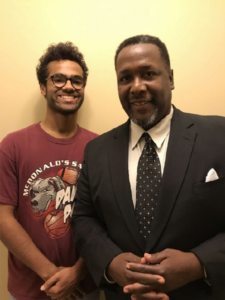
Phillip Youmans: I think the most challenging thing for me was being patient in post production. I realized that it’s a process and I really came to value the use of feedback sessions and getting constructive feedback from individuals and filmmakers and other mentors that I respect. I know that this is cliche to say but I learned that in truth the film is made three times. The script, in production, and in post. I think I just learned how to navigate it and I still have so much left to learn. I still have so much to improve on but I feel just fortunate that this work was appreciated and acknowledged. It feels good.
Where does the film go from here?
Phillip Youmans: After Tribeca, we’re going to do the festival circuit and I’m excited. After that, my next feature will be on the New Orleans chapter of the Black Panthers in 1970.

Loading…