
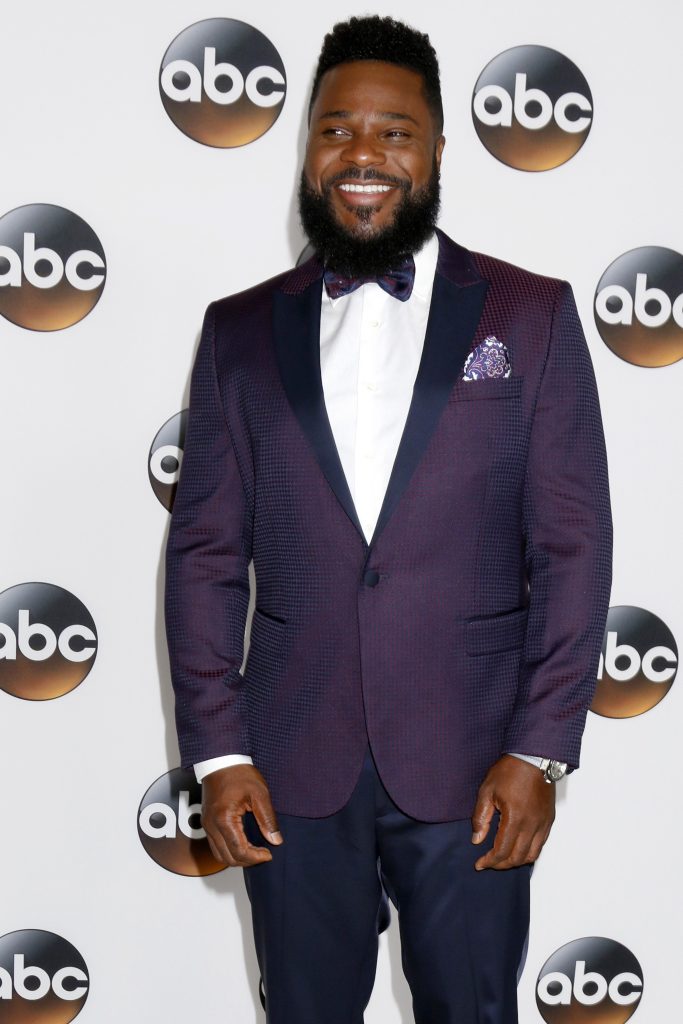
The entertainment world is mourning the unexpected loss of Malcolm-Jamal Warner, the acclaimed actor, director, musician, and cultural voice best known for his role as Theo Huxtable on The Cosby Show. Warner passed away at the age of 54 in a drowning accident on Sunday, while vacationing with his family in Costa Rica. According to reports from the Associated Press and confirmed by Costa Rica’s Judicial Investigation Police, Warner was swimming at Playa Grande near Cahuita when he was caught in a powerful current and pulled into deeper waters. Despite efforts by beachgoers and emergency responders, Warner was pronounced dead at the scene by the Red Cross.
Warner’s sudden death has left fans, friends, and fellow creatives reeling. With a career spanning over four decades, Warner was not only a familiar face on screen but a vital contributor to conversations about Black identity, artistry, and representation.
A Legacy That Began with “The Cosby Show”
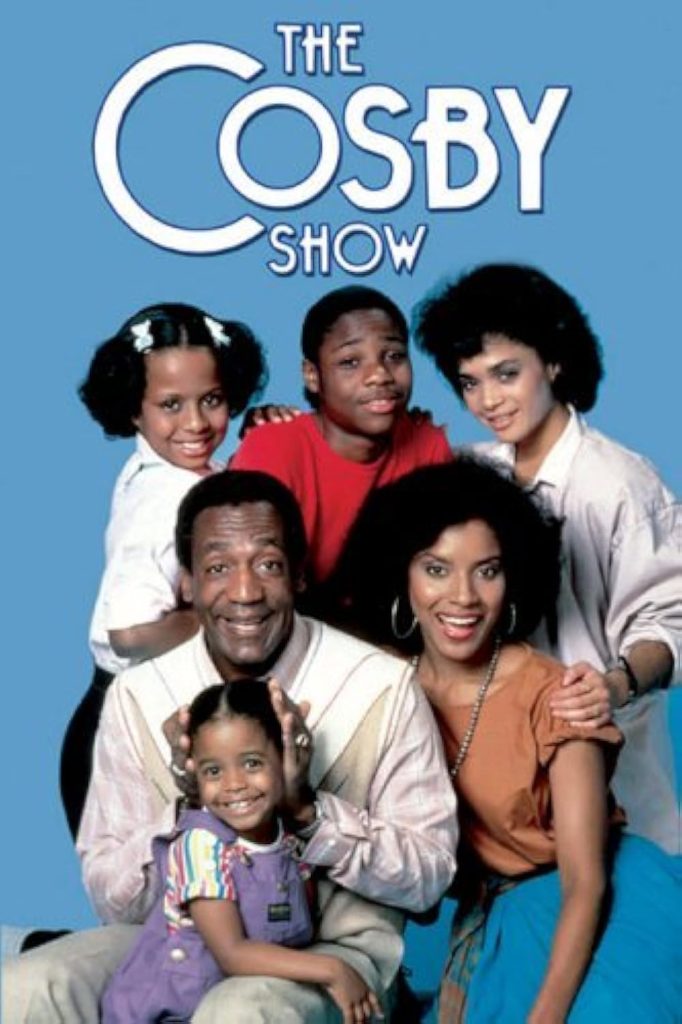
Born in New Jersey, Malcolm-Jamal Warner began acting at just 9 years old, landing his breakout role as the Huxtables’ only son, Theo, on NBC’s The Cosby Show at age 13. The show, which aired from 1984 to 1992, was more than a sitcom—it was a cultural milestone that redefined how Black families were portrayed on television.
In his later reflections, Warner often spoke about the groundbreaking impact of the show, especially for the Black middle class. “The fact that The Cosby Show for Black America and White America alike finally legitimized the Black middle class…that’s what made it so important,” Warner said in a 2013 interview. “Meanwhile, we were getting tens of thousands of fan letters from people saying, ‘Thank you so much for this show.’”
His role earned him a Primetime Emmy nomination in 1986, cementing his place in the pantheon of beloved TV icons. Yet as the series ended, Warner was ready to explore new creative ground. “We were all ready to move on,” he recalled. “We had pretty much said all that we could say.”
Speaking Truth Amid Controversy
In the years following the show’s end, Warner found himself at the intersection of legacy and controversy. When multiple allegations of sexual misconduct emerged against Bill Cosby, Warner was candid about his feelings. In a 2015 interview with the Associated Press, he expressed deep sadness that the show’s cultural legacy had been tarnished.
“My biggest concern is when it comes to images of people of color on television and film,” he said. “We’ve always had The Cosby Show to hold up against [negative stereotypes]… And the fact that we no longer have that, that’s the thing that saddens me the most.”
While Warner distanced himself from the allegations, he never disavowed the show’s impact. He understood the complexity of legacy—and the importance of separating art from the artist in order to preserve its cultural value.
RELATED: Exclusive: Malcolm-Jamal Warner talks TNT’s Major Crimes
A Multifaceted Artist: Music, TV, and “Not All Hood”
Though Theo Huxtable remained his most iconic role, Warner was determined not to be defined by it. A multi-talented artist, Warner built an impressive resume across music, television, and spoken word.
As a musician, he earned a Grammy Award in 2015 for Best Traditional R&B Performance for the track “Jesus Children” and was nominated again in 2023 for Best Spoken Word Poetry Album. His poetry and music reflected his personal evolution and his passion for authentic, genre-blending storytelling.
Television remained a constant, with recurring or guest appearances in Touched by an Angel, Community, Key and Peele, Suits, Sons of Anarchy, American Horror Story, and The Resident. He also starred in Malcolm & Eddie, a sitcom that ran from 1996 to 2000, showcasing his comedic timing and versatility.Most recently, Warner was using his voice to shape dialogue off-screen. In 2024, he launched the podcast Not All Hood, which he described as a space to “explore the diverse experiences of the Black community” and challenge the notion of the Black monolith. The podcast gained attention for its honesty and depth, resonating with listeners hungry for nuanced conversation about identity and representation.
A Lasting Impact
Malcolm-Jamal Warner’s career cannot be reduced to a single role, though Theo Huxtable introduced him to the world. He was an artist who grew with his audience, evolving from a teenage star into a thoughtful creator, social commentator, and father. He brought grace and gravitas to every role he played—and courage to every conversation he entered.
As fans reflect on his death, we also celebrate his life. Warner’s creative journey reminds us that representation matters, authenticity is powerful, and voices like his are not easily replaced.
His legacy—on screen, in music, and in the hearts of millions—will endure.



Loading…